

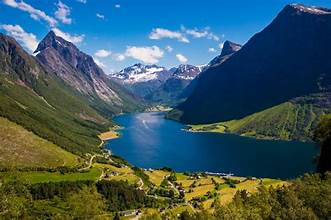
Hjørundfjord is surrounded by the Sunnmøre Alps, with peaks rising steeply from the water, creating a picturesque backdrop. The fjord stretches for 35 km, providing ample opportunities for exploration and photography. Visitors can engage in various activities such as hiking, kayaking, and exploring the quaint villages along the fjord. The serene environment is perfect for those looking to unwind and connect with nature.
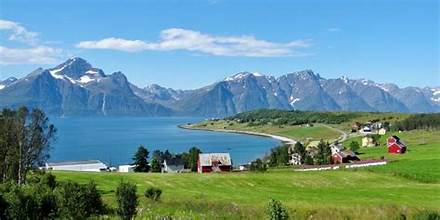
The Lyngen Alps are a stunning mountain range in Norway, known for their dramatic peaks and deep blue fjords, making them a popular destination for outdoor activities like skiing and hiking. The highest peak, Jiekkevarre, reaches 1,833 meters.
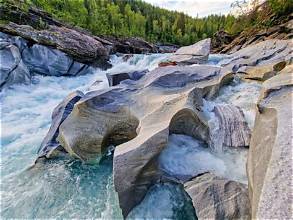
Marmorslottet, also known as the Marble Castle, is a stunning natural rock formation located in Northern Norway, shaped by the Glomåga river over thousands of years. It offers easy access and breathtaking views, making it a popular stop for travelers exploring the Helgeland region. Hikers can enjoy stunning vistas of Svartisen and Glomåga while trekking to the site, enhancing the overall experience.
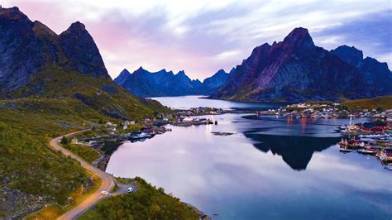
Senja is Norway's second-largest island, often called "Norway in miniature" due to its diverse landscapes that showcase the country's natural beauty. It features rugged coastlines, picturesque fishing villages, and stunning hiking trails, making it a hidden gem in Northern Norway. For a more private experience, head south or stay in isolated cabins.
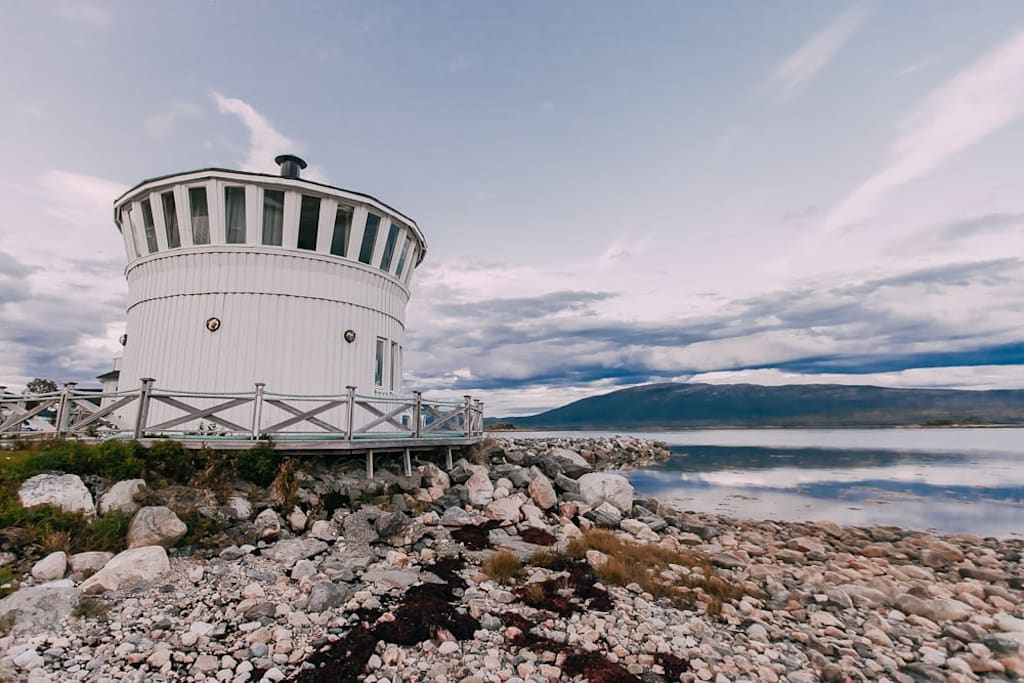
Senja is home to several notable lighthouses, including the Senjehestneset Lighthouse, which has been operational since 1896. This lighthouse is renowned for its stunning views and unique location, making it a popular spot for visitors seeking to experience the natural beauty of the region. (pictured above)
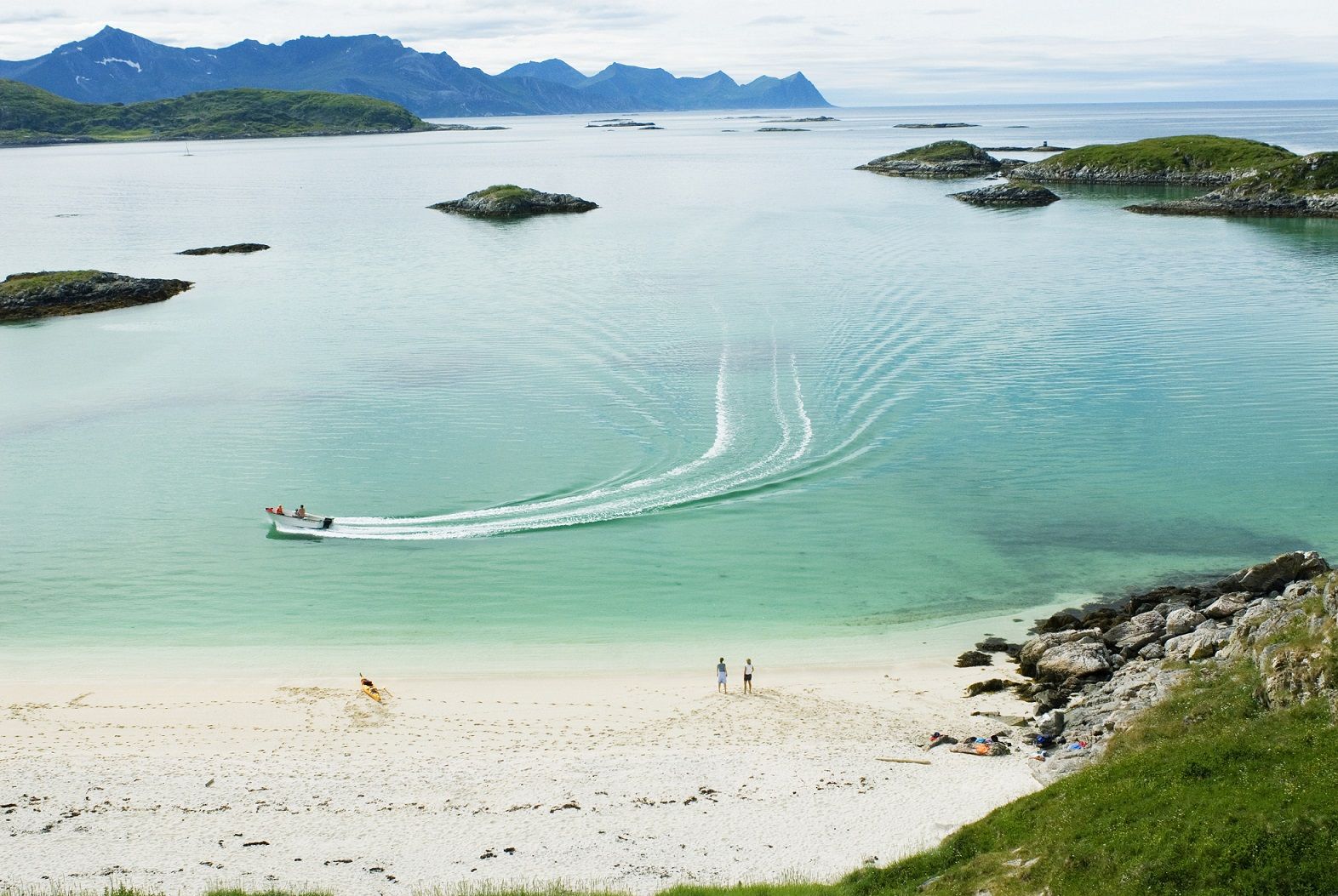
It doesn’t seem like Sommaroy is what most people would anticipate from Norway. It appears more like a tropical retreat with its white sand beaches and glistening turquoise sea. Located just outside of Tromso, this area offers some of the most striking coastal vistas in the region. It is perfect for leisurely evenings, quiet walks, and those unusual moments when the sun doesn’t set.
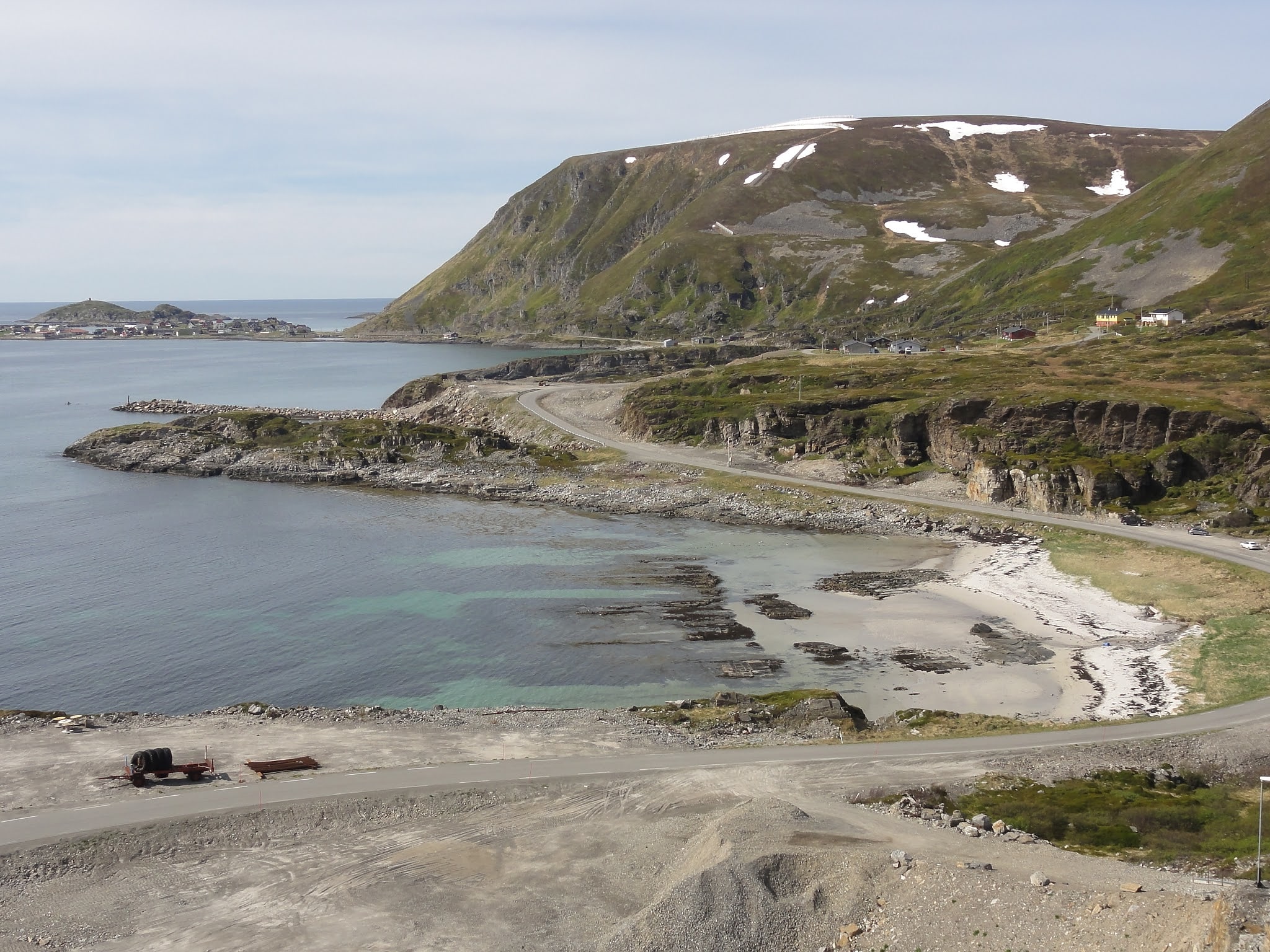
Sørøya, located in Finnmark, is the fourth largest island in the country, known for its stunning landscapes and outdoor activities. It features a 95-kilometer hiking route and is a popular destination for fishing enthusiasts due to its rich marine life. It is characterized by its rugged scenery, fertile fishing grounds, and wildlife viewing in the wild.
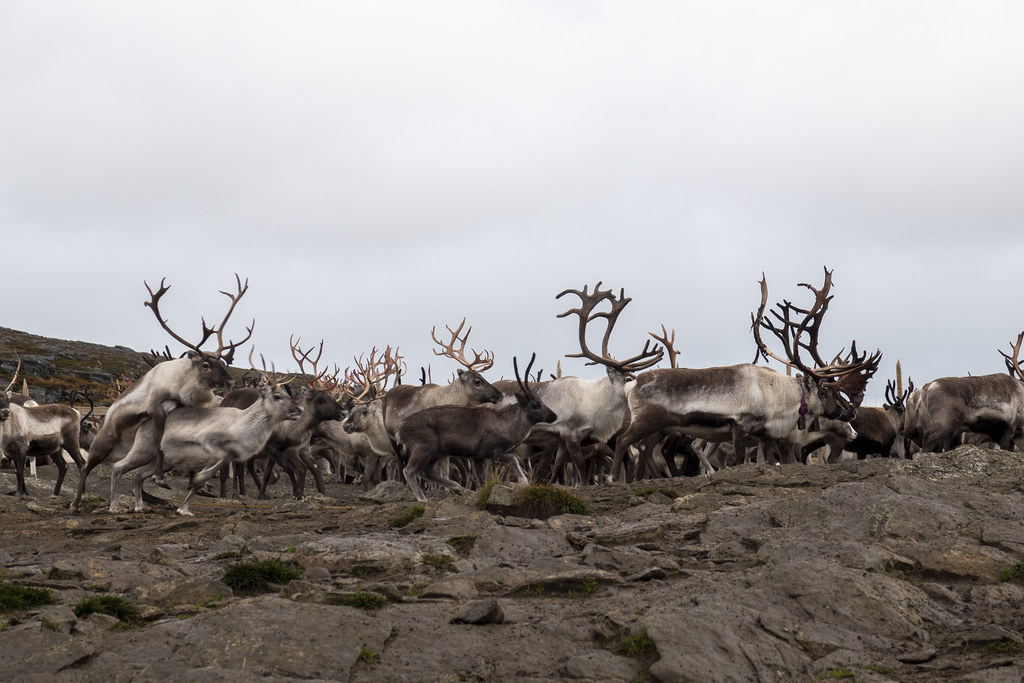
Norway hosts large populations of reindeer, particularly in the northern regions, where they are integral to the local culture and economy. The moose is one of Norway's most recognizable animals, often found in forests and rural areas, with an estimated population of around 150,000.
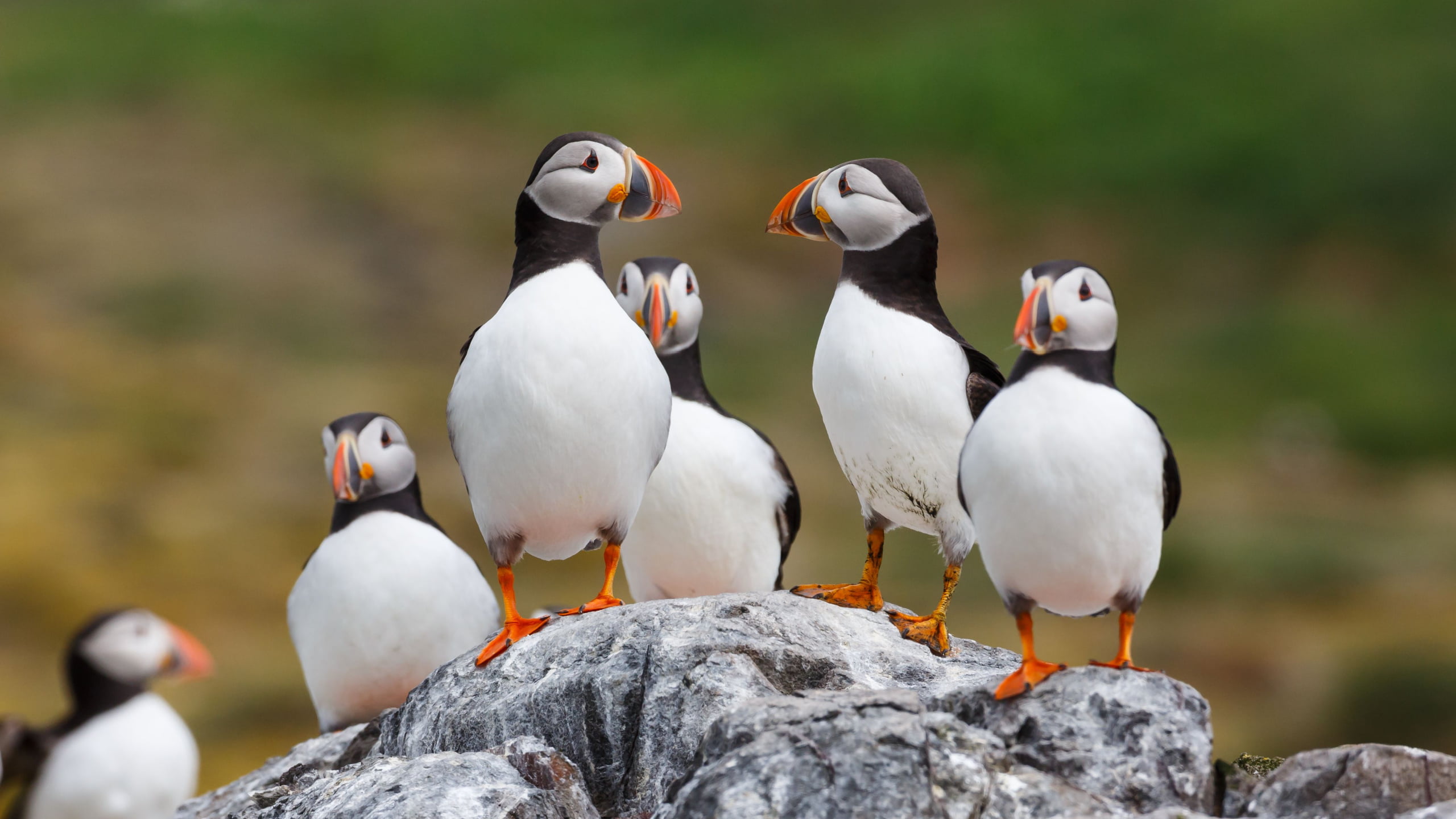
The coastal waters are rich in marine biodiversity, including species like orcas and Atlantic puffins, which thrive in the fjords and islands.
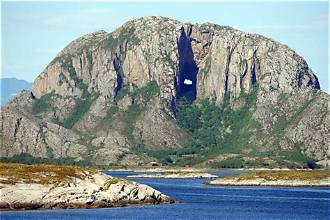
Torghatten is a distinctive mountain famous for its unique hole that passes straight through it. This natural landmark, situated near Brønnøysund in the Helgeland region, stands 258 meters tall and offers stunning views and hiking opportunities. The hole through Torghatten is 35 meters high and was formed by sea erosion over thousands of years. According to local folklore, the hole was created by a troll chasing a woman.
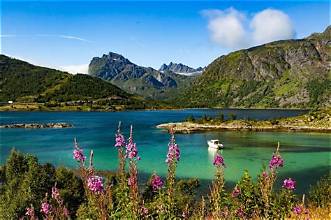
Vesterålen is an archipelago in Northern Norway known for its stunning landscapes, rich wildlife, and year-round whale watching opportunities. It offers a quieter alternative to the more popular Lofoten Islands, featuring charming fishing villages and scenic hiking trails.
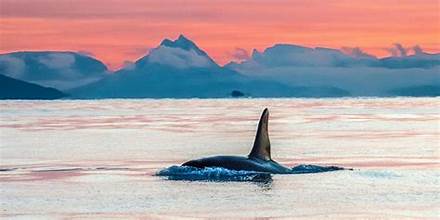
It is renowned for its diverse wildlife, offering year-round opportunities for whale watching and birdwatching. The region is particularly famous for sightings of orcas, humpback whales, and various bird species, making it a prime destination for nature enthusiasts. Moose, fox cubs, and various small mammals can be spotted, especially during the spring and summer months.
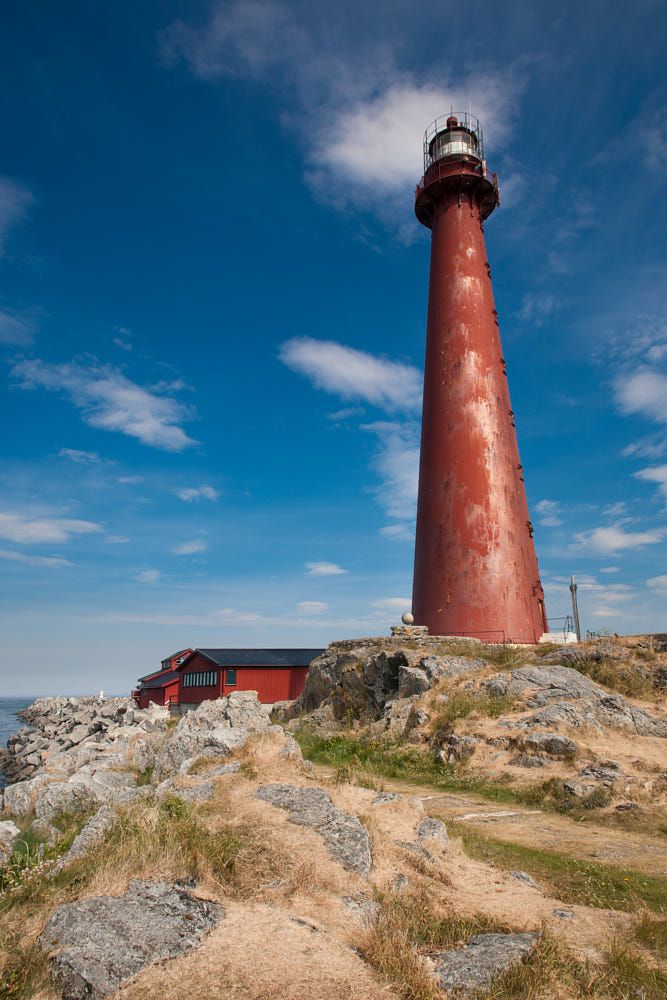
The Vesterålen archipelago is home to several notable lighthouses, including Anda Lighthouse and Litløy Lighthouse, both of which serve as important navigational aids in the region. Anda Lighthouse, built in 1932, is the last new lighthouse constructed in Norway, while Litløy Lighthouse dates back to 1912 and has been automated since 1991.
About the Creator
Rasma Raisters
My passions are writing and creating poetry. I write for several sites online and have four themed blogs on Wordpress. Please follow me on Twitter.
Enjoyed the story? Support the Creator.
Subscribe for free to receive all their stories in your feed. You could also become a paid subscriber, letting them know you appreciate their work.
Comments
There are no comments for this story
Be the first to respond and start the conversation.