


Aarnescht is a designated nature reserve in the Gutland region of Luxembourg. It is a protected area preserving habitats and species of national and European conservation importance.
You'll find walking and cycling routes that will take you through rolling farmland, hedgerow-lined lanes, and deciduous woodland. Picnic areas and rest benches are positioned at scenic viewpoints.

The Sentier de l'Attert and other regional trails pass through the area, linking nature reserves and points of historical interest.
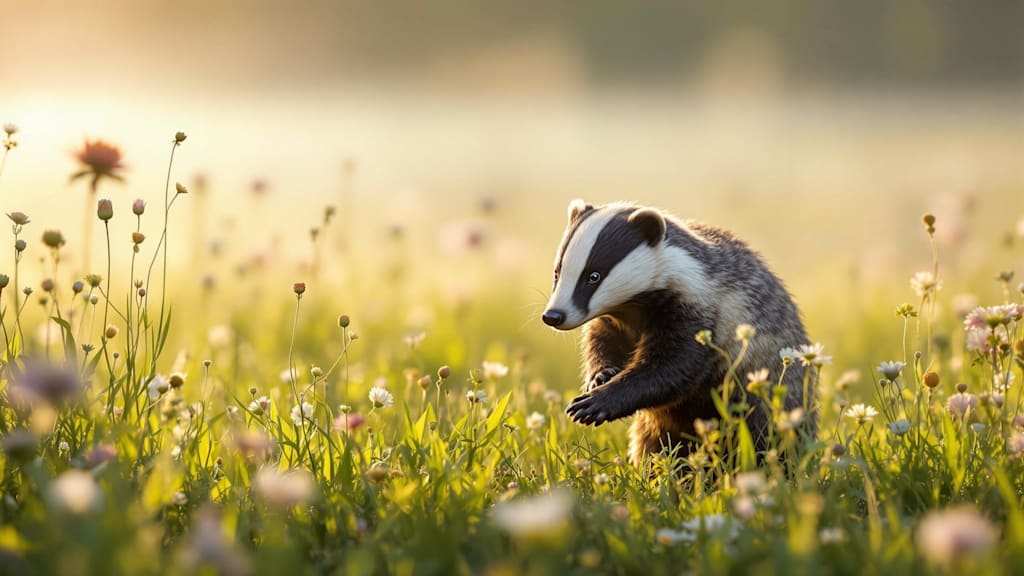
The nature reserve is home to the diverse wildlife of the Gutland Plateau, consisting of forest, farmland, and water features. Roe deer are most commonly seen. You can encounter European badgers, red foxes, and European hedgehogs. Among bird species there are European woodpeckers, red-backed shrikes, barn owls and common buzzards.
Ellergronn Nature Reserve in Luxembourg is a protected area known for its rich biodiversity. This protected area preserves habitats and species of national and European conservation importance within the Grand Duchy.

Ellergronn offers visitors a unique experience exploring the post-industrial landscape of the Minett region. Walking trails wind through former quarries, past rust-colored rock faces, and along the edges of ponds that have formed in excavated depressions. The Minett Trail, a long-distance hiking route through the biosphere reserve, connects the region's most significant industrial heritage and nature sites.

The Fond-de-Gras industrial heritage site, with its preserved mining railway, offers a glimpse into the region's industrial past. Observation points overlooking quarry lakes and pioneer vegetation provide birdwatching opportunities. Mountain biking routes utilize former mine tracks and forest roads.
Sand martin colonies nest in exposed soil faces, and eagle owls have established territories in abandoned mine workings. The warm, south-facing slopes support populations of wall lizards and smooth snakes, both near the northern edge of their European range. Orchid-rich grasslands on calcareous substrates attract diverse butterfly communities including marbled white and various blue species. Red-backed shrikes hunt from scrubby perches on the pioneer vegetation. The mosaic of open ground, scrub, and developing woodland creates structural diversity that supports an unusually high species richness for such a compact area.

Mellerdall is one of three designated nature parks situated in the Mullerthal region of Luxembourg. The park combines landscape conservation with ecological tourism and environmental education. Mellerdall was established to preserve the distinctive natural and cultural heritage of the Mullerthal landscape while promoting environmentally responsible economic activities. It is a UNESCO Global Geopark, celebrated for its unique geological and natural landscapes.

The park provides access to some of the most spectacular hiking terrain in this region, The Mullerthal Trail is divided into three routes winding through dramatic sandstone gorges, past waterfalls, and along forested ridges. Route 1 focuses on castle ruins, Route 2 explores the most dramatic rock formations, and Route 3 follows wooded valleys and vineyard edges.

The Schiessentümpel waterfall, where water cascades over moss-covered rocks beneath a stone bridge, is one of Luxembourg's most photographed natural features.

Among the region's castles is Beaufort Castle.
Mellerdall supports wildlife communities with peregrine falcons nesting on sandstone cliffs and eagle owls occupying sheltered rock ledges.

The extensive beech forests support black woodpeckers, stock doves, and various species of forest bats including Bechstein's bat, which roosts in tree cavities. Wild boar are abundant, leaving visible signs of their rooting activity throughout the forest floor. Roe deer shelter in the dense understory of the gorge forests.

Our Nature Park is one of three designated nature parks in the Eislek region. It was established to preserve the distinctive natural and cultural heritage of the Eistek landscape. It attracts visitors year-round who come to explore its diverse habitats, historic villages, and extensive trail networks. The park plays a vital role in maintaining ecological connectivity across the broader region and serves as a refuge for numerous species of conservation concern.

The nature park offers visitors access to an extensive trail network. Among the long-distance hiking routes is the Escapardeen Lee Trail. You can find circular walking routes of varying lengths taking you through dense forests, along rocky stream valleys, and across open moorland ridges
Among the wildlife making their homes here are European wildcats, red and roe deer, wild boars, and pine and stone martens.
Black storks, an iconic and highly sensitive species, nest in undisturbed old-growth stands in the Éislek forests, requiring large territories of continuous woodland near clean watercourses. Black woodpeckers and middle spotted woodpeckers excavate cavities in mature trees that subsequently shelter bats, dormice, and nesting birds. Dippers and grey wagtails feed along the clear, fast-flowing streams that characterize the region.
About the Creator
Rasma Raisters
My passions are writing and creating poetry. I write for several sites online and have four themed blogs on Wordpress. Please follow me on Twitter.
Enjoyed the story? Support the Creator.
Subscribe for free to receive all their stories in your feed. You could also become a paid subscriber, letting them know you appreciate their work.
Comments
There are no comments for this story
Be the first to respond and start the conversation.