

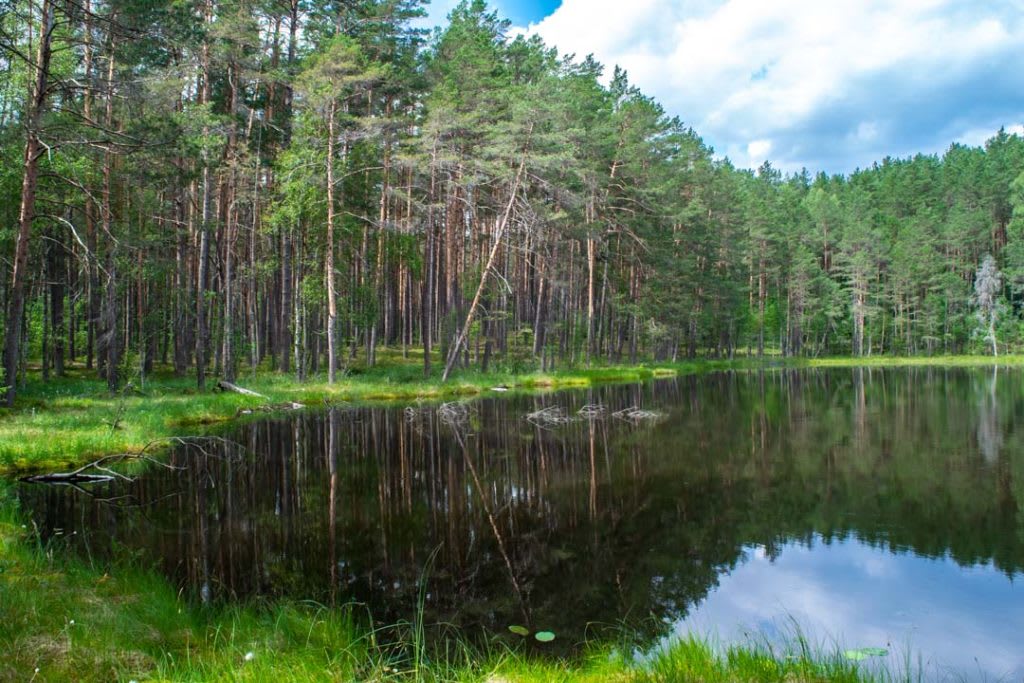
Established in 1974, Aukstaitija National Park is the oldest national park in Lithuania. It is known for its more than 100 lakes, dense pine forests, and rolling hills. Visitors enjoy the hiking and cycling trails. With all the lakes the park is also referred to as the “Land of Lakes”.
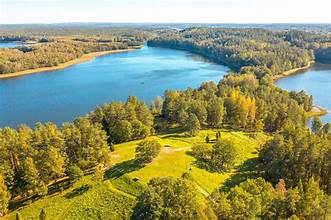
The largest and most notable lake is Lake Dringis.
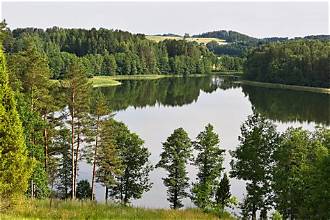
Visitors also enjoy Lake Bluosas, known for its small island with a unique natural spring.
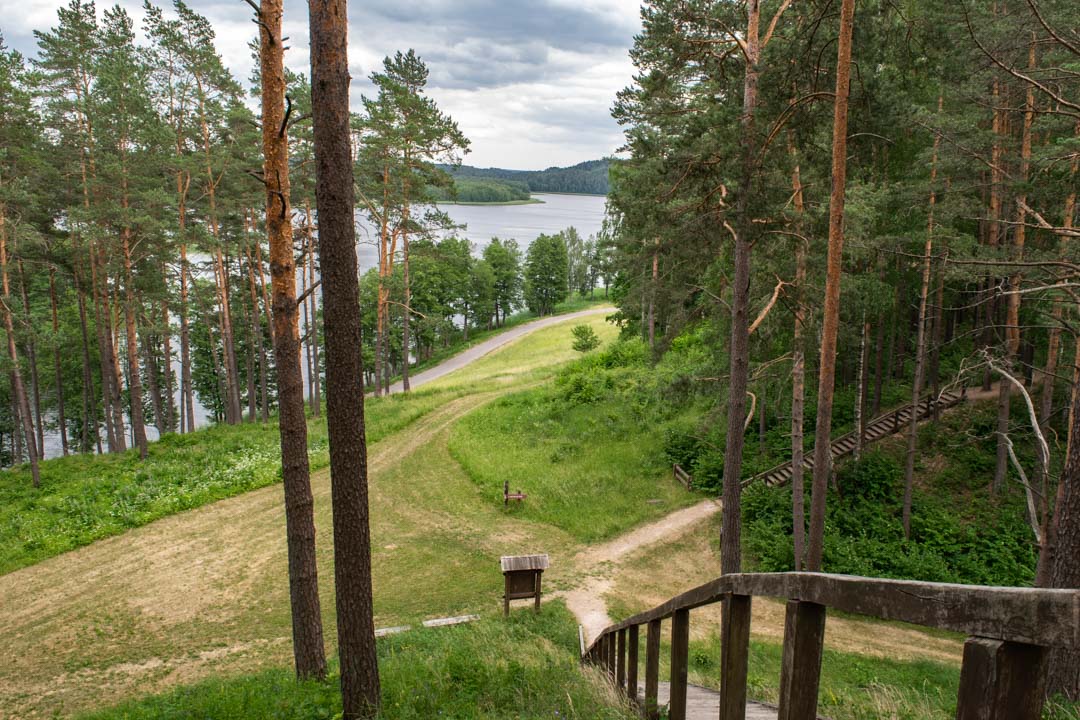
There are prominent hills like Ladakalnis offering breathtaking views of the surrounding area.
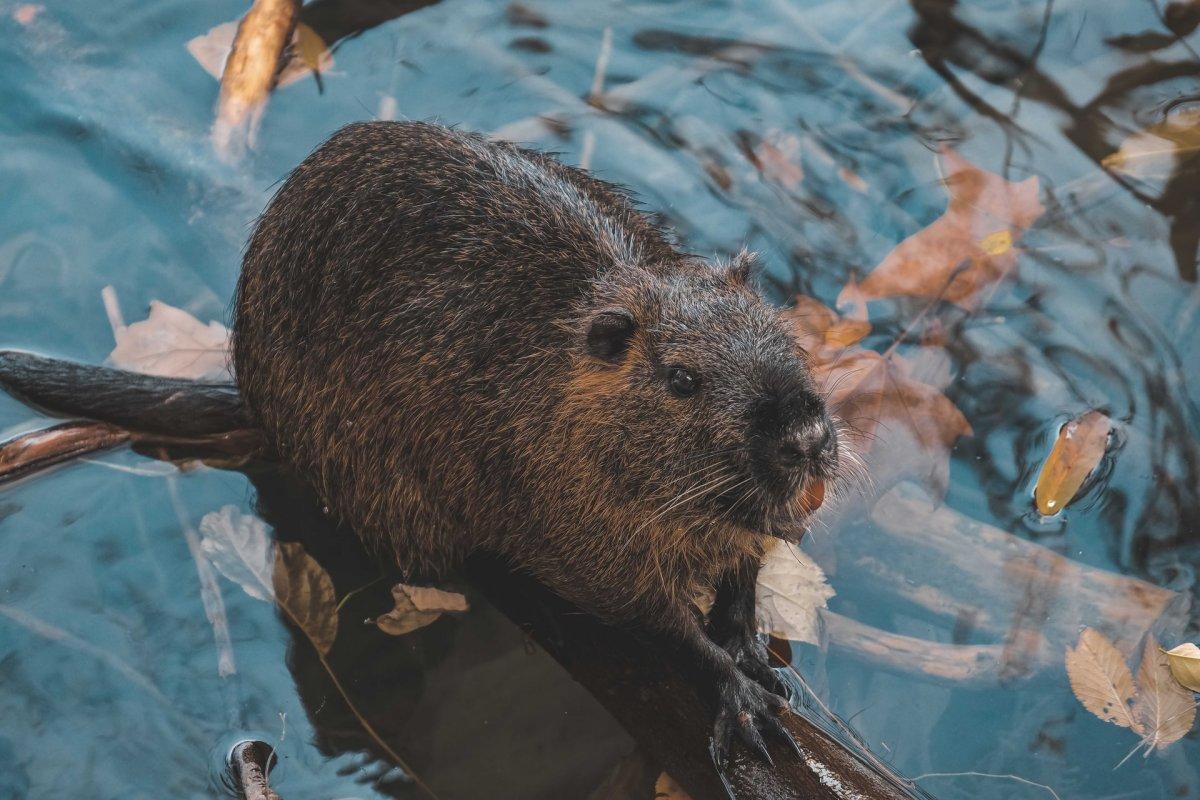
Wildlife making their homes here include red deer, wild boars, and Eurasian beaver enjoying the pristine wetlands. Deeper in the forests are lynx and wolves.
Birdwatchers can see more than 200 bird species, among them white-tailed eagles, black storks, and Eurasian bitterns.
Located in the south, Dzukija National Park has pine forests, rivers, and traditional villages. It was established in 1991 and preserves the region’s cultural heritage and natural beauty. Visitors can enjoy the hiking and cycling trails.
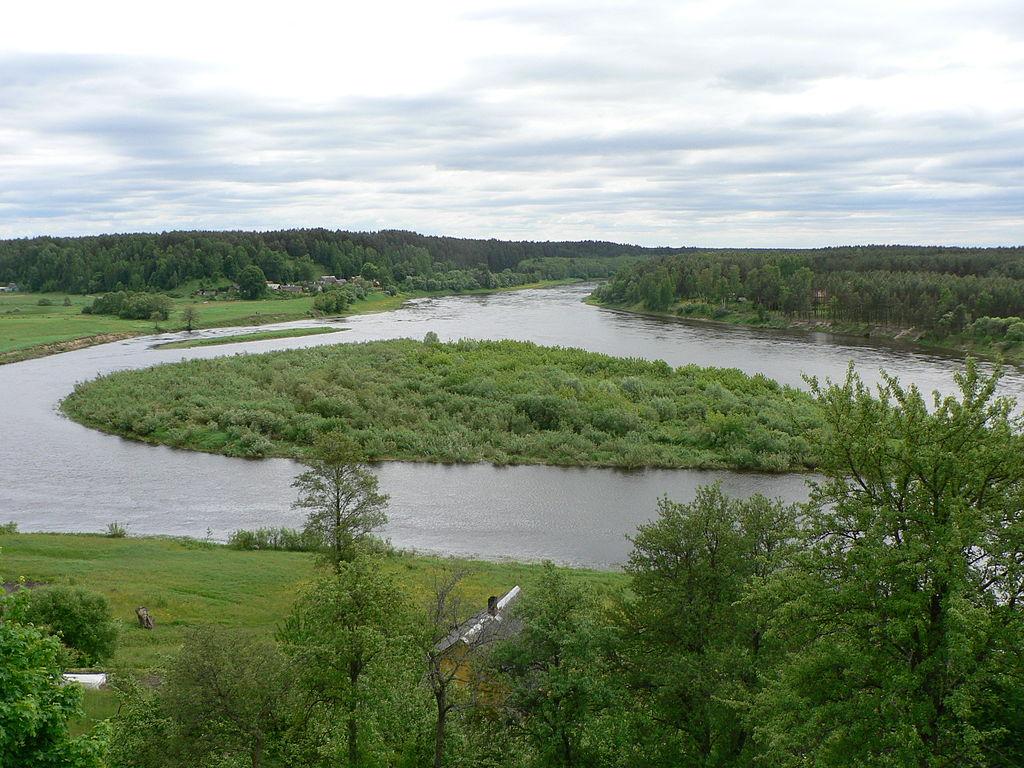
There is canoeing on the Nemunas River.
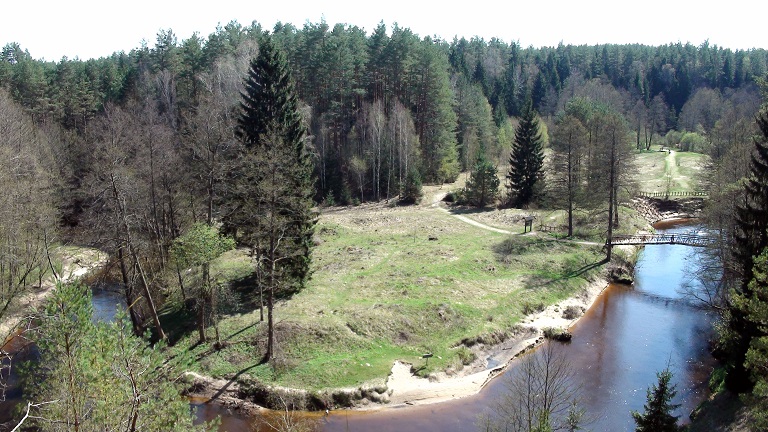
See the picturesque sandstone cliffs surrounding the Ula River.
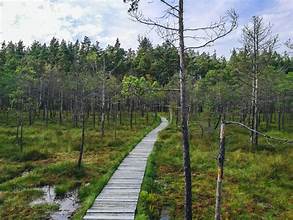
The Cepkeliaj Marsh is one of the largest and most biologically diverse wetlands in Lithuania and home to rare peat bogs and flora.
Wildlife making their homes here include European roe deer, red foxes, wild boars, and elusive European otters.
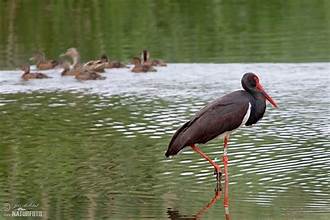
Among bird species, you can see black storks and white-backed woodpeckers.
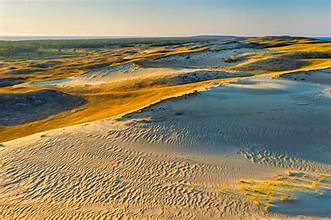
Kursiu Nerija National Park is part of the Curonian Spit stretching along the coast of the Baltic Sea. It was established in 1991 and is known for its sand dunes, pine forests, and coastal ecosystems. The park is a UNESCO World Heritage Site. Visitors enjoy hiking, cycling and exploring traditional fishing villages.
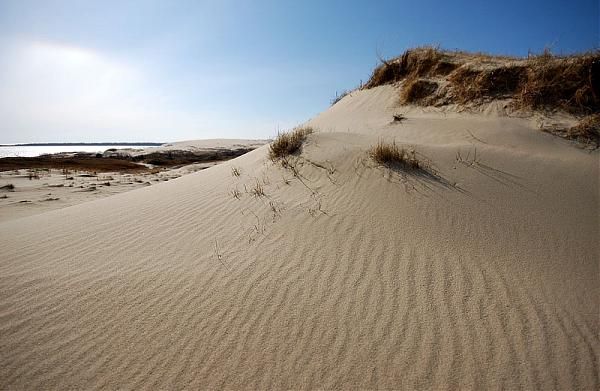
The dunes, some of which tower over 200 feet (61 meters) high, are among the tallest in Europe and offer spectacular panoramic views of the lagoon and the sea. These formations, like the Parnidis Dune, are shaped continuously by wind and water, creating a dynamic and ever-changing landscape.
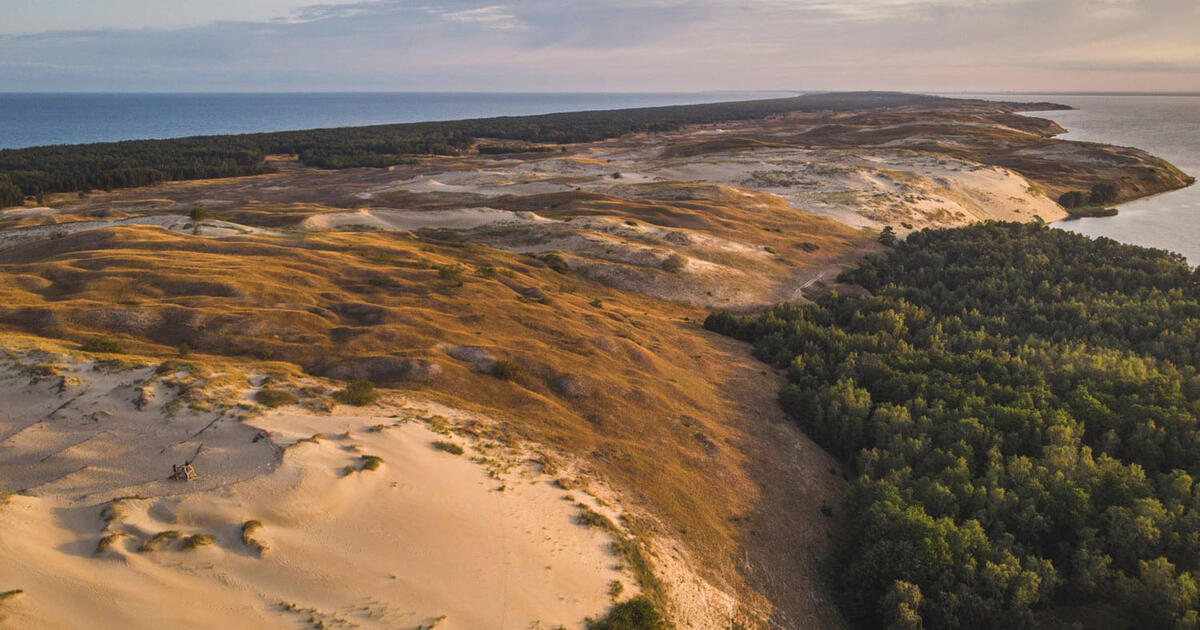
Among the highlights here are the Dead Dunes, where sand has buried entire villages over the centuries, creating an eerie and fascinating historical layer to the region.
Visitors might encounter red foxes, roe deer, and wild boars roaming the forests.
Being on the East Atlantic Flyway, there are bird species such as the white-tailed eagle, Eurasian bittern, and common crane frequently sighted.
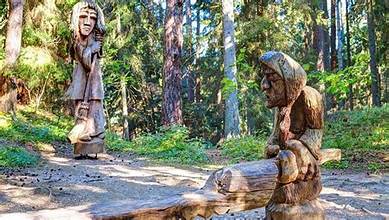
Popular features of the park include the Hill of Witches (Raganų Kalnas), an open-air gallery of wooden sculptures inspired by Lithuanian folklore.
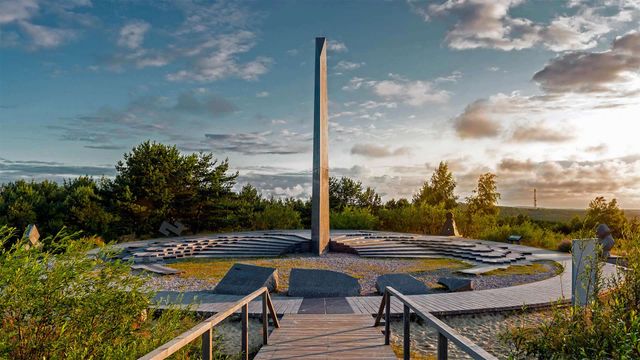
The Parnidis Dune Sundial is another highlight, with its striking granite obelisk marking time against the backdrop of the dunes.
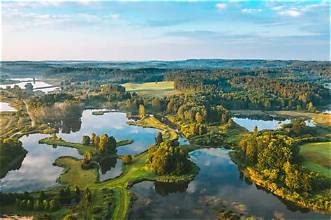
Situated in the northwest, Zemaitija National Park includes forested hills, wetlands, and the scenic Lake Plateliai. The park was established in 1991. Visitors enjoy the hiking and cycling trails. It also includes several bogs, meadows, and ancient woodlands, particularly home to species of oak, pine, and birch. Its diverse vegetation contributes to the picturesque landscape, especially in autumn when the trees blaze with vibrant colors.
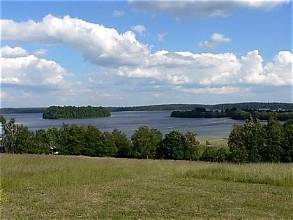
Lake Plateliai offers water recreation like swimming, sailing, and fishing.
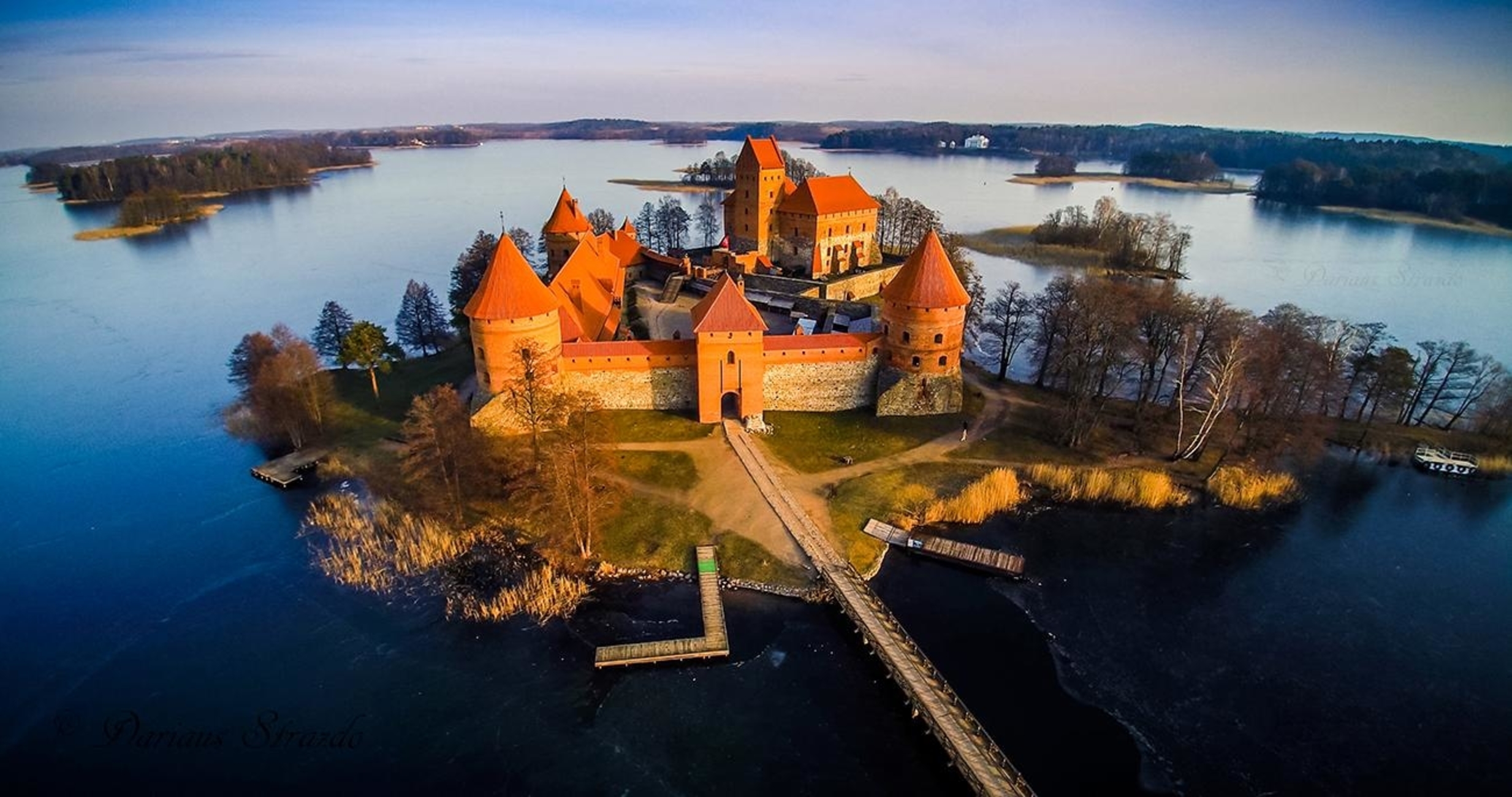
Among the highlights here is Pilies Island with its medieval castle ruins. Trakai Island Castle features notable underwater ruins that can be seen while kayaking around the island. This castle, a symbol of Lithuania's heritage, has undergone significant restoration to preserve its historical integrity.
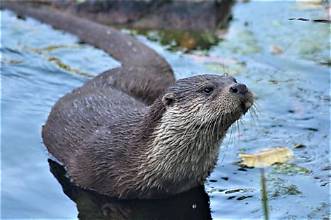
Among the mammals making their home there are red deer, roe deer, foxes, and occasionally European badgers or wild boars. The park is also home to the rare European mink and Eurasian otter.
Among bird species are white-tailed eagle, black stork, and great crested grebe, which often nest near the lakes. The park’s wetlands and woodlands also support a wide array of smaller birds, insects, and amphibians, making it a haven for biodiversity.
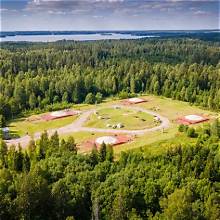
Visitors can also explore Cold War-era relics, including a former Soviet missile base that has been converted into an educational museum detailing the region’s 20th-century history.
About the Creator
Rasma Raisters
My passions are writing and creating poetry. I write for several sites online and have four themed blogs on Wordpress. Please follow me on Twitter.
Enjoyed the story? Support the Creator.
Subscribe for free to receive all their stories in your feed. You could also become a paid subscriber, letting them know you appreciate their work.
Comments
There are no comments for this story
Be the first to respond and start the conversation.