

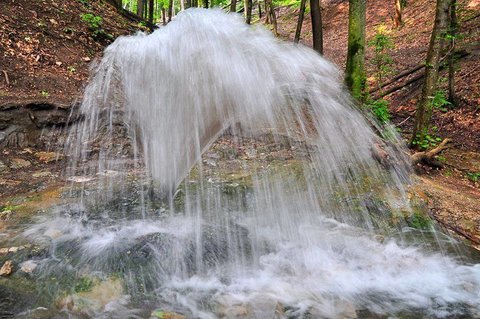
Hiking in the Bukk in the autumn or spring, particularly after snowmelt or heavy rains, will reveal a natural phenomenon. Beneath the southern edge of the limestone plateau are the Bukk Geysers, four transient karst springs—the Imne, Fekete-len, and the lower and higher springs of Voroske Valley. Many hikers are drawn to the karst water roaring to the surface like a geyser. It can be witnessed a few weeks out of the year.
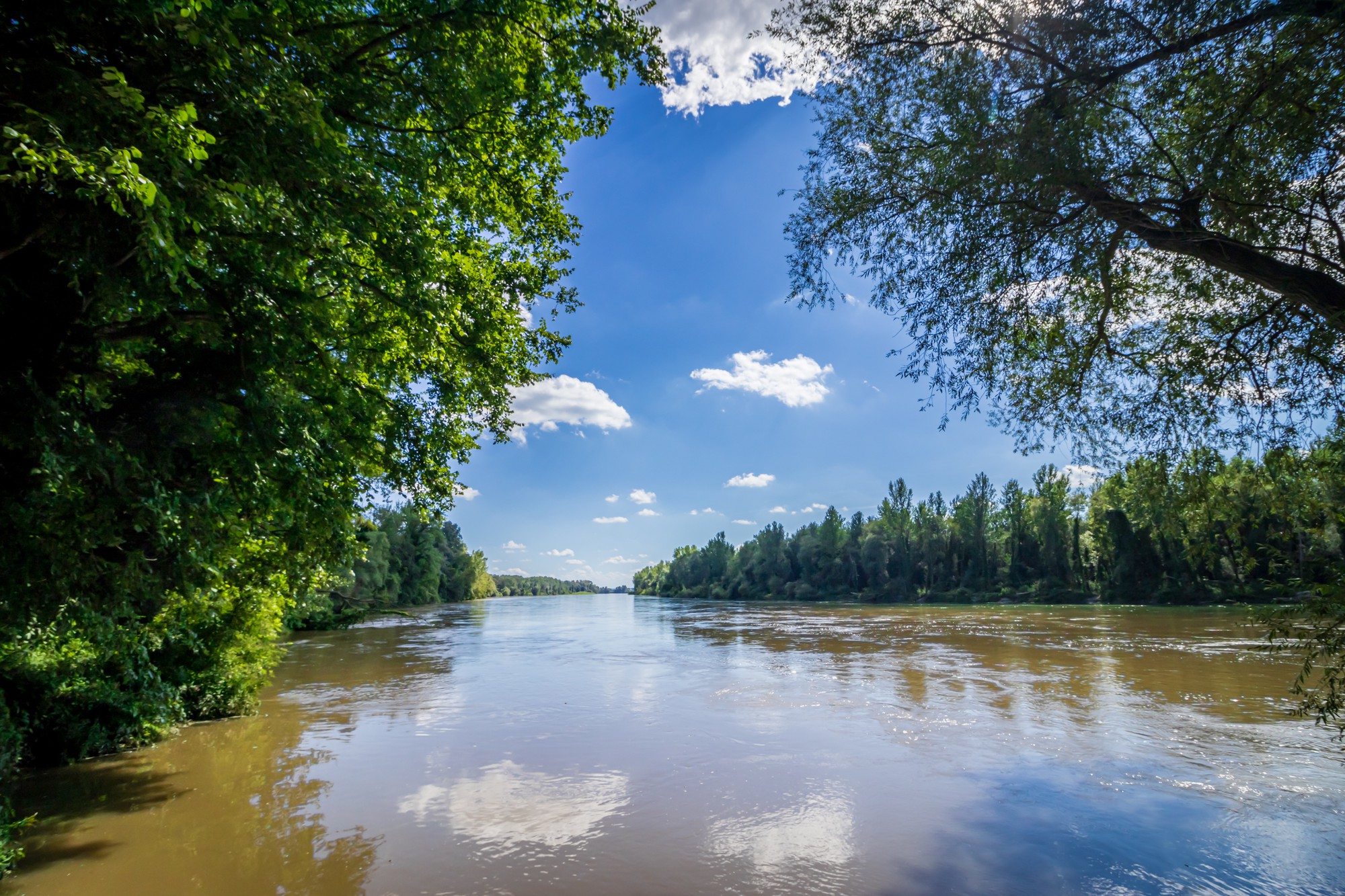
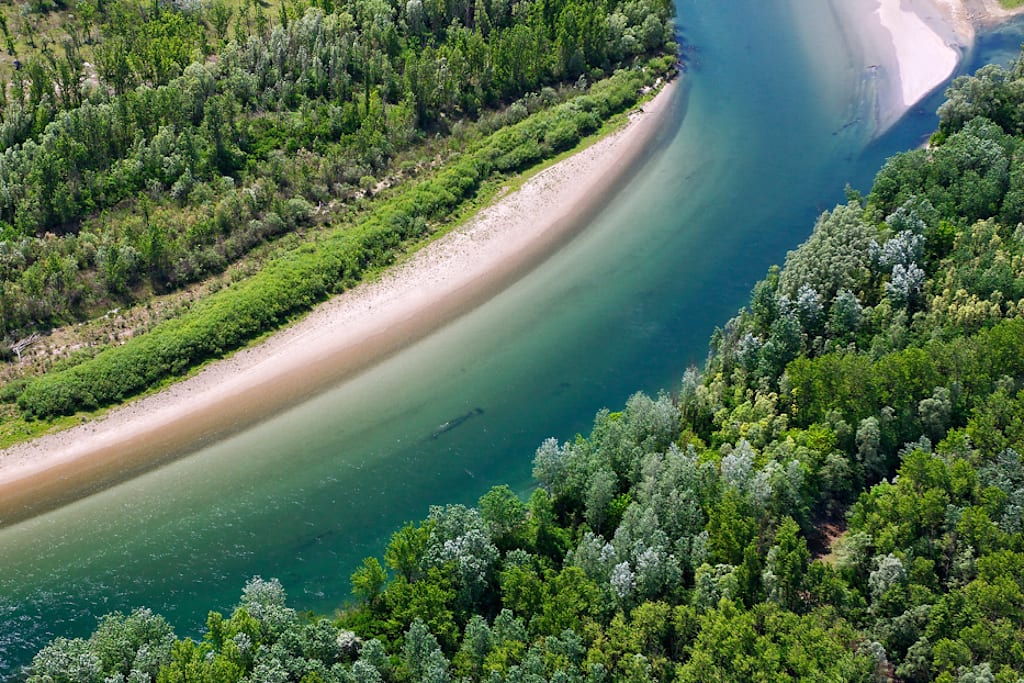
Danube-Drava National Park is home to diverse wildlife that thrives in wetland environments. The park’s landscapes feature dense riparian forests dominated by willow, alder, and poplar trees, creating a lush green canopy along the waterways. White-tailed eagles, black storks, and herons are commonly spotted, while numerous duck and wader species frequent the waterways. Mammals found here include European otters, wild boars, and red deer, with beavers making a remarkable comeback in recent years, thanks to conservation efforts. There are also amphibians like fire-bellied toads and tree frogs.
This national park includes the Gemenc Forest, a vast floodplain woodland.
The Drava River is referred to as the “Amazon of Europe." You can hike through the park along a network of nature trails, observation towers, and visitor centers. Visitors can take guided canoe tours or hike through forests and wetlands. There are also cycling paths.
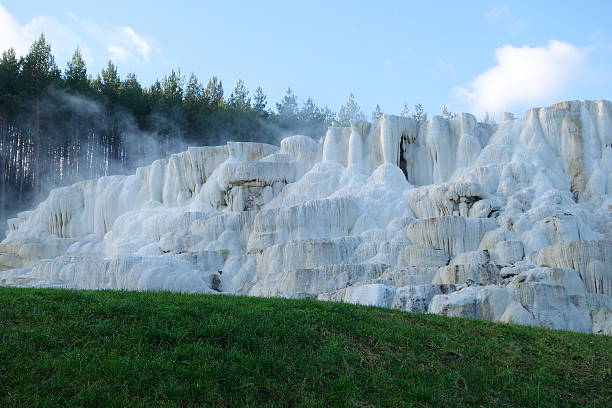
The salt hill created by the water rising from a depth of 410 meters is the primary draw of Egarszal, which is tucked away in the Valley of Medicinal Waters. In 1961 while the region was being drilled for mineral oil and natural gas, the salt hill was formed. They found the spring, whose water over time produced 1,200 square meters of travertine terraces. Calcium, sodium, magnesium, and sulfur are all present in the medicinal water.
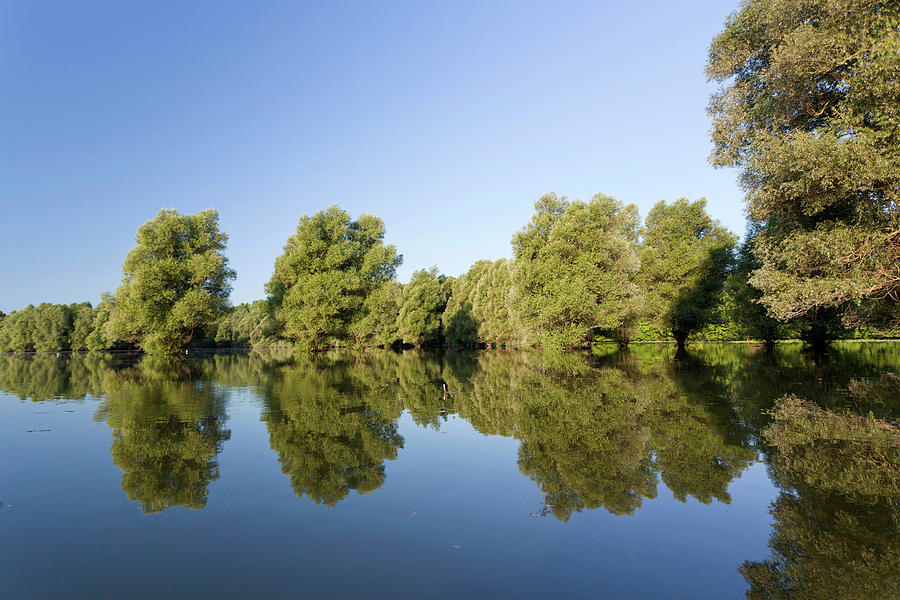
The sole structure of its sort in Europe, Gemenc Forest is situated in the center of Hungary and has been a protected natural reserve since 1977.
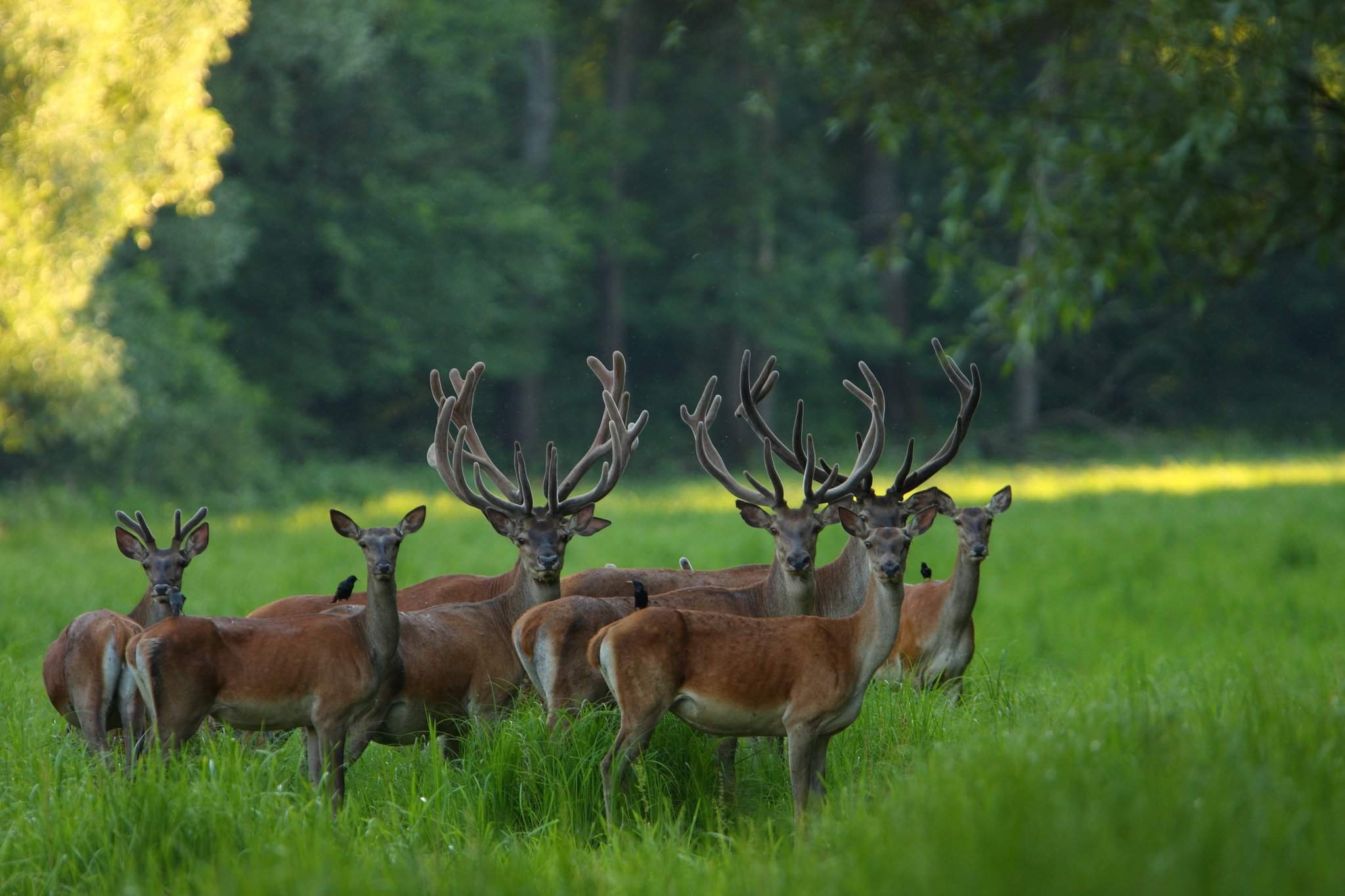
Its surface floods annually, creating a unique variety of species. Red deer, roe deer, and wild boars are common in the area, but ernes saker falcons, black storks, and herons find refuge among the willows and aspens. Hikers are usually captivated by the unique atmosphere of the floodplain forest.
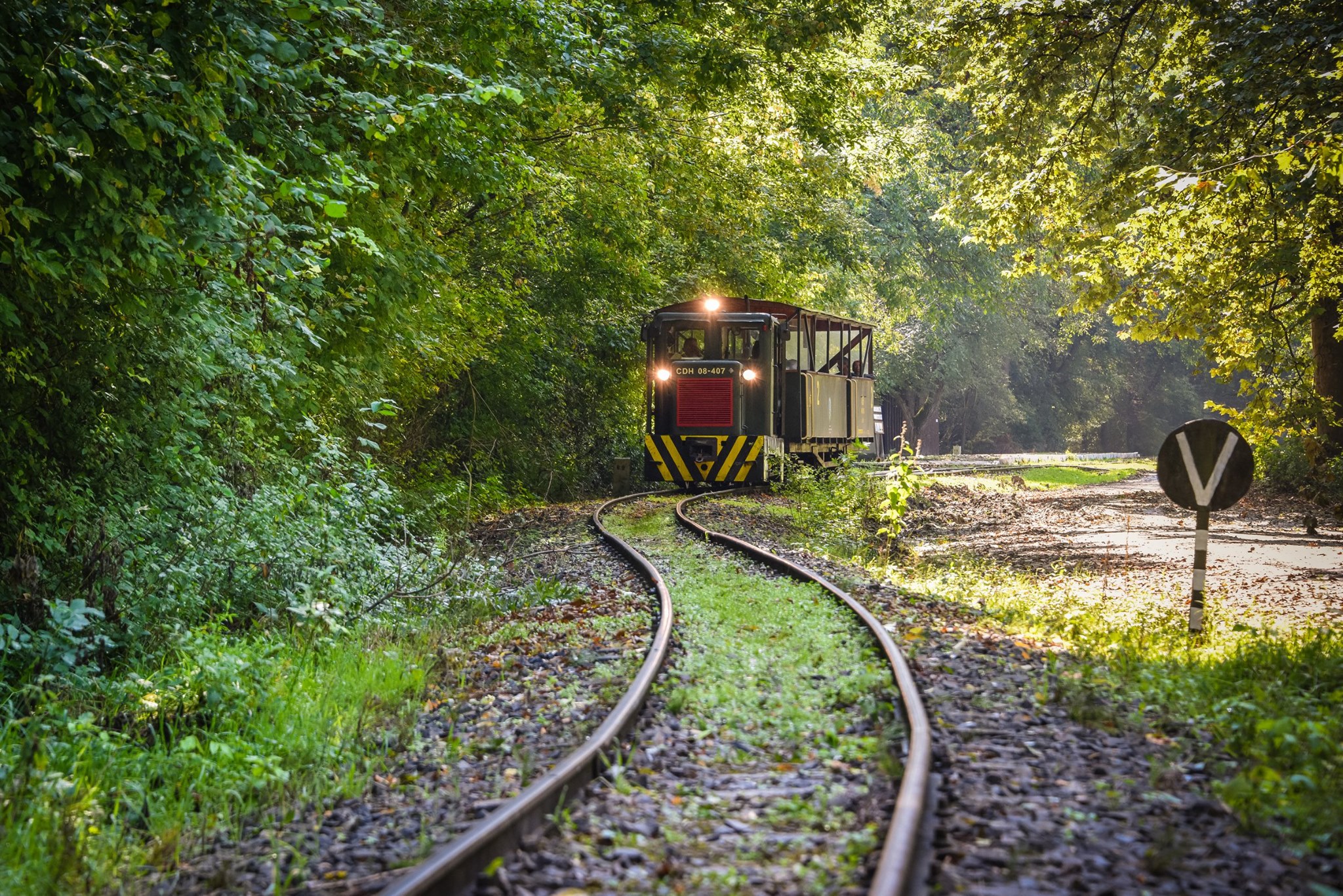
You can arrive by foot, boat, or the renowned Gemeric National Narrow Gauge Railway.
Situated in central Hungary, Kiskunsag National Park was established in 1975. It is located between the Danube and Tisza Rivers. The park is known for its unique mosaic of sand dunes, alkaline lakes, wetlands, and steppe grasslands.
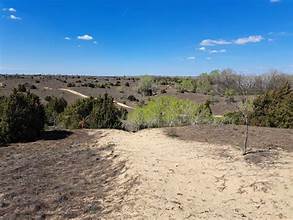
The Fulophaza Sand Dunes are one of its distinctive features, with shifting sands in a desert-like environment.
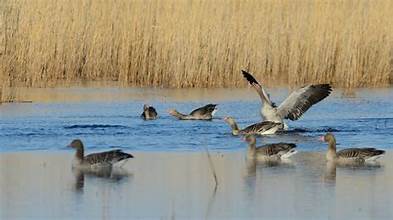
Alkaline lakes like Lake Kolon and Lake Feher provide essential wetland habitats.
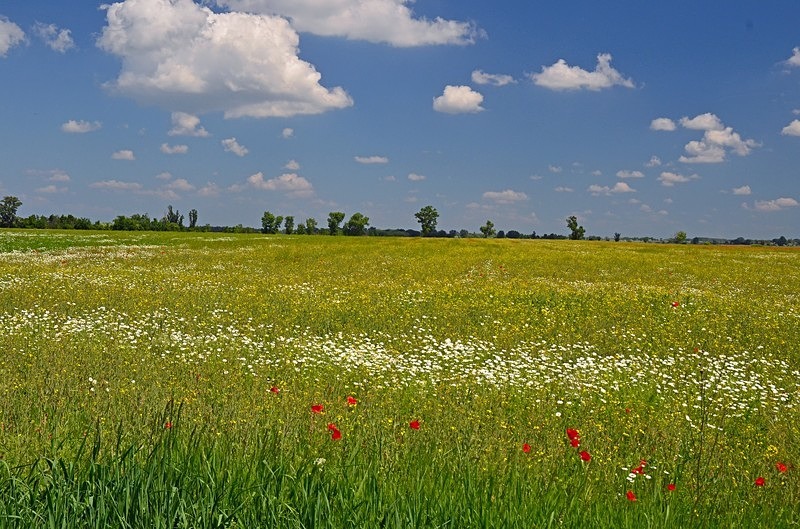
The Puszta, or steppe, are natural ecosystems with patches of oak and poplar forests with abundant wildlife.
The park is particularly known for its rich avian population, including one of the heaviest flying birds in Europe, the great bustard. Other notable species include the white-tailed eagle, black stork, red-footed falcon, and various herons and egrets that thrive in the wetland areas.
Other wildlife include the European ground squirrel, red fox, roe deer, and wild boar, which roam the steppe and forested regions.
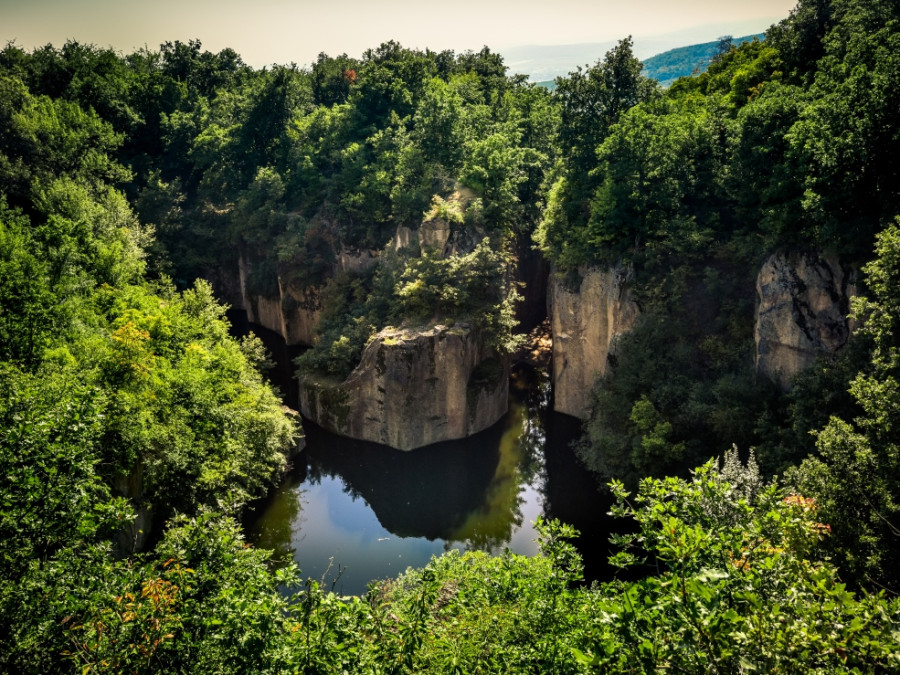
One of the most visited places in the Zemplen Hills is Megyer-hegy, with volcanic origin. It was designated as a nature reserve in 1997. The remnants of a millstone mine that once operated here can still be seen. A tiny pond was sculpted out of the tuff by the rainwater collected in the crater encircled by enormous rock walls. The area was once inhabited by miners, as can be seen by the stone cottages. Take a hike to the top of the hill to see the rock cauldron rising up from the forest.
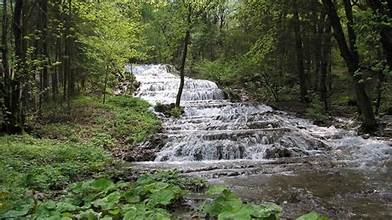
Without the most stunning feature of the Szalaika Valley, the Veil Waterfall is on the list of Hungary’s most exquisite natural treasures. Rimstone bars are formed by karst water trickling down 17 meters on 18 steps. The contained carbon dioxide escapes when the water wells up to the surface causing the lime to precipitate and build up, creating a stepped structure.
About the Creator
Rasma Raisters
My passions are writing and creating poetry. I write for several sites online and have four themed blogs on Wordpress. Please follow me on Twitter.
Enjoyed the story? Support the Creator.
Subscribe for free to receive all their stories in your feed. You could also become a paid subscriber, letting them know you appreciate their work.
Comments
There are no comments for this story
Be the first to respond and start the conversation.