
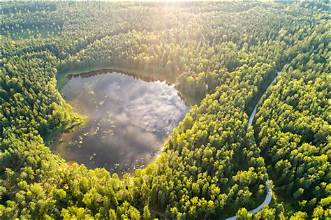
Alutaguse National Park is the newest national park in Estonia, opening in 2018. It is a patchwork of eleven places that protect the habitats of a number of uncommon or endangered species, among them flying squirrels, black storks, and willow ptarmigans.
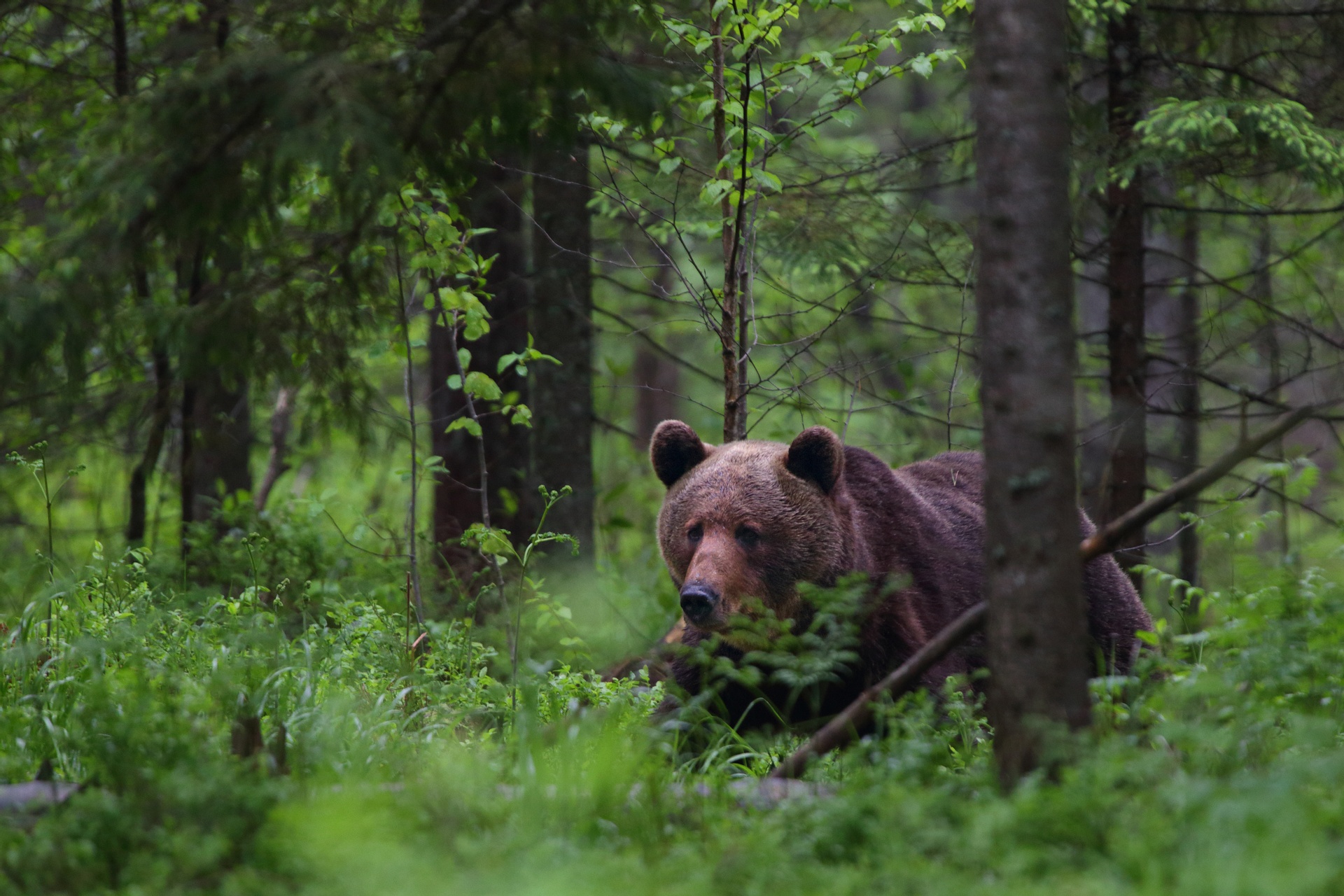
Additionally, it is among the top locations in the country for bear watching. The greater Alutaguse region is home to about 500 bears, making it the densest brown bear population in Europe.
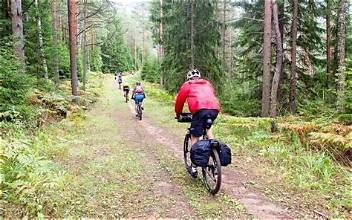
Explore the Alutaguse Bike Route, an off-the-beaten-path location with continental dunes and berry and mushroom woods.
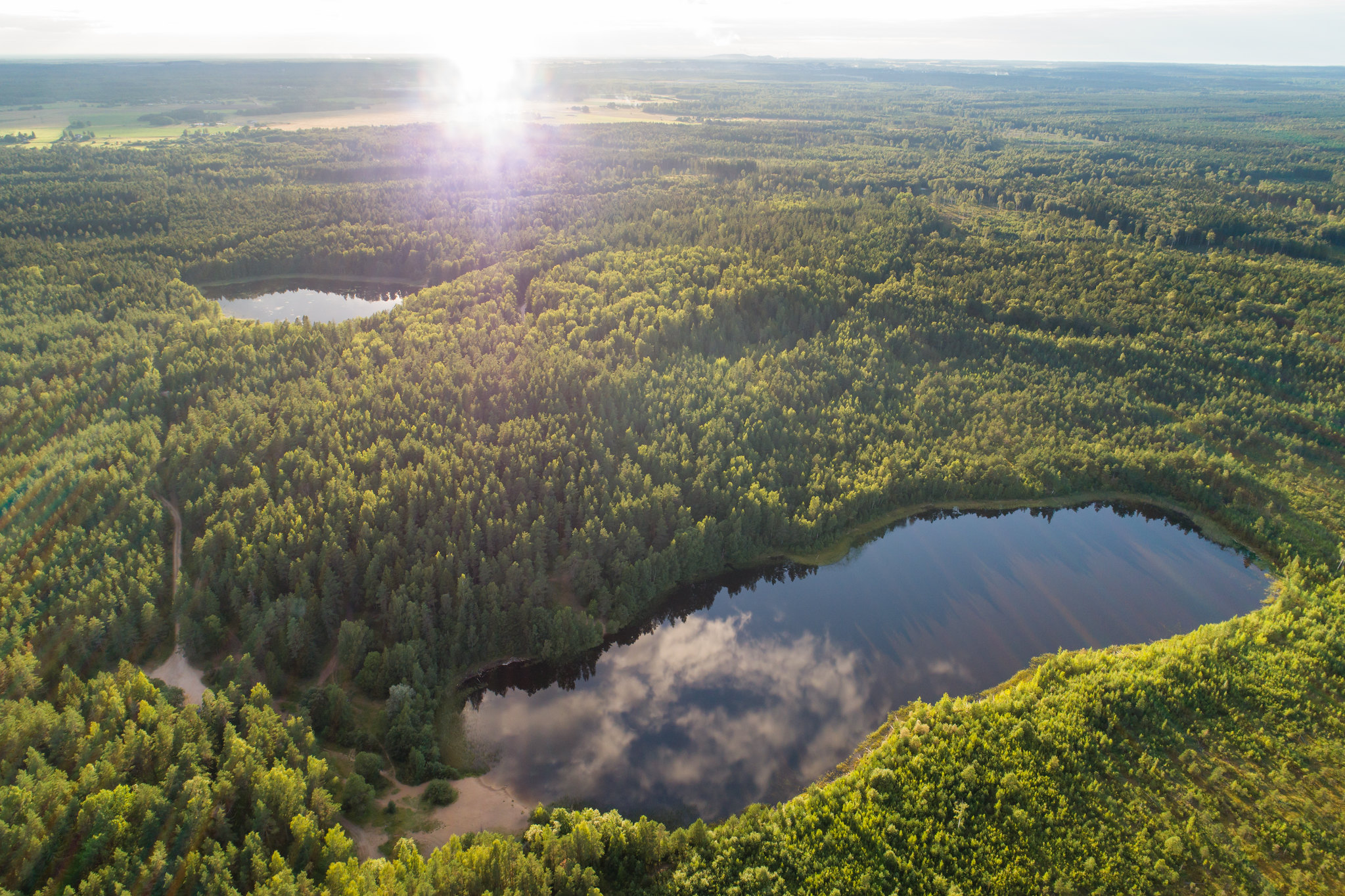
There are around forty lakes in the Kurtna Lake System drawing campers, boaters, and hikers.
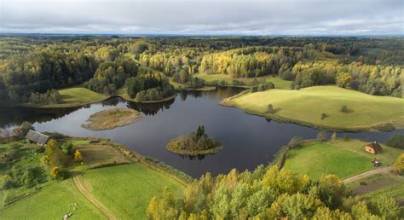
Over 10,000 years ago, at the conclusion of the Ice Age, the distinctive topography of Karula National Park was created. There are 38 lakes in the park as a result of the glacial retreat. There are bogs and thick woodlands in between the undulating slopes. Nearly half of the park is made up of a continuous block of forest.
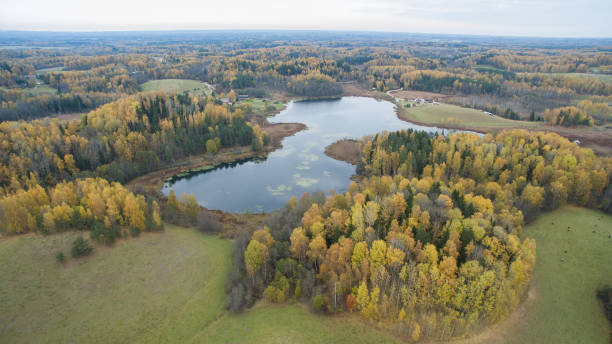
The largest lake is Lake Shijary, adjacent to the visitor center.
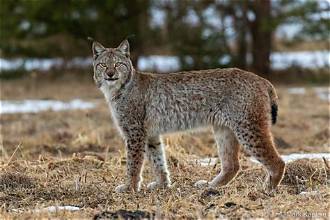
Making their homes here, large wild game include elk, roe deer, wild boars, lynx, wolves, and bears. Among birds, there are black storks, ospreys, and lesser spotted eagles. There are also sand lizards, spadefoot toads, and uncommon daisy-leaf grape-fern as the most prominent protected species.
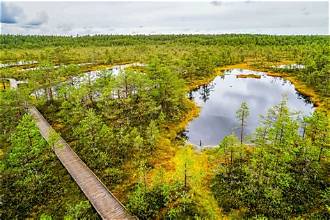
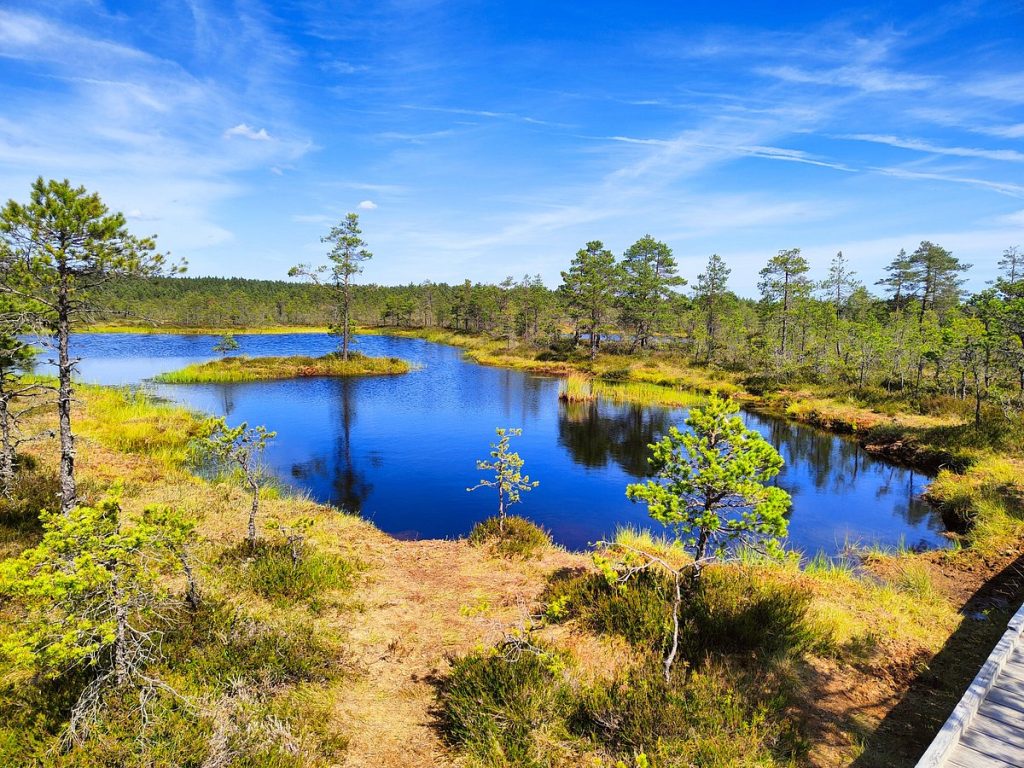
Lahemaa National Park encompasses the northernmost capes and islands of Estonia. It is situated on the southern shore of the Gulf of Finland. Here you’ll find rocky and sandy beaches, beautiful natural woodlands, and marshes. The European Union of Protected Areas (EUROPARC Federation) has awarded the park as a quality destination in recognition of its steady growth of nature tourism.
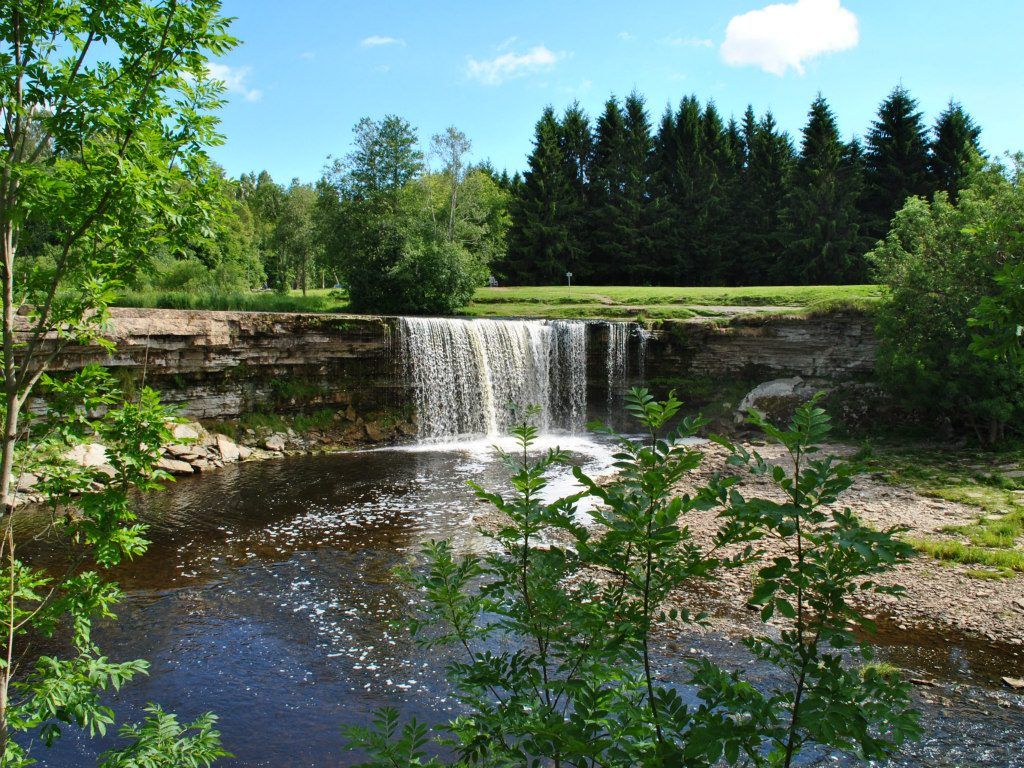
The Oandu -Ikla Hiking Trail begins at Lahemaa and is one of the longest hiking routes in Estonia. It stretches along the Valgejoe River.
Hikers enjoy the waterfalls at Joaveski and Nommeveski, two former mill sites. (picture above)
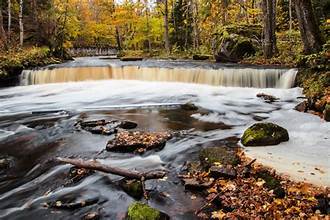
Enjoy relaxing by the Vasarish Cascade.
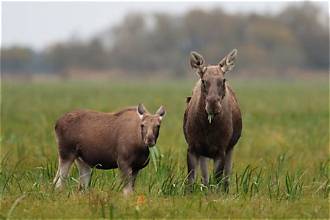
In Matsalu National Park – April through mid-May and September through the end of October are the finest times to see birds. The wetlands are home to a variety of butterfly and dragonfly species in addition to birds.
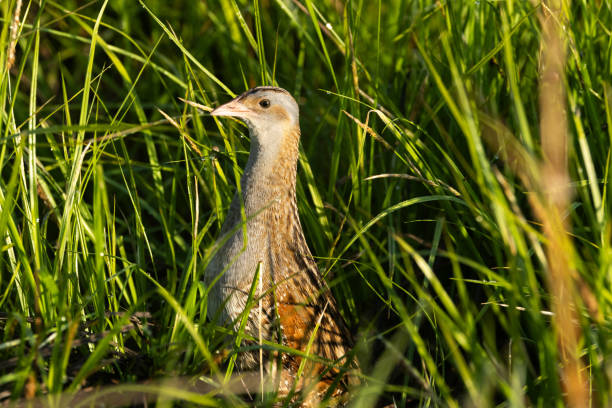
The natural environment of reed beds, alvars, and woodland meadows, coastal and floodplain meadows, and tiny islands attracts over 270 bird species making their yearly migrations. It is a significant nesting site for the corn crake.
Sooma National Park in southwest Estonia is well-known for its extended season. Boats are the most dependable mode of transportation during this natural phenomenon, known as the fifth season, when water from the spring thaw or heavy rain floods fields, roads, woods, and farmland.
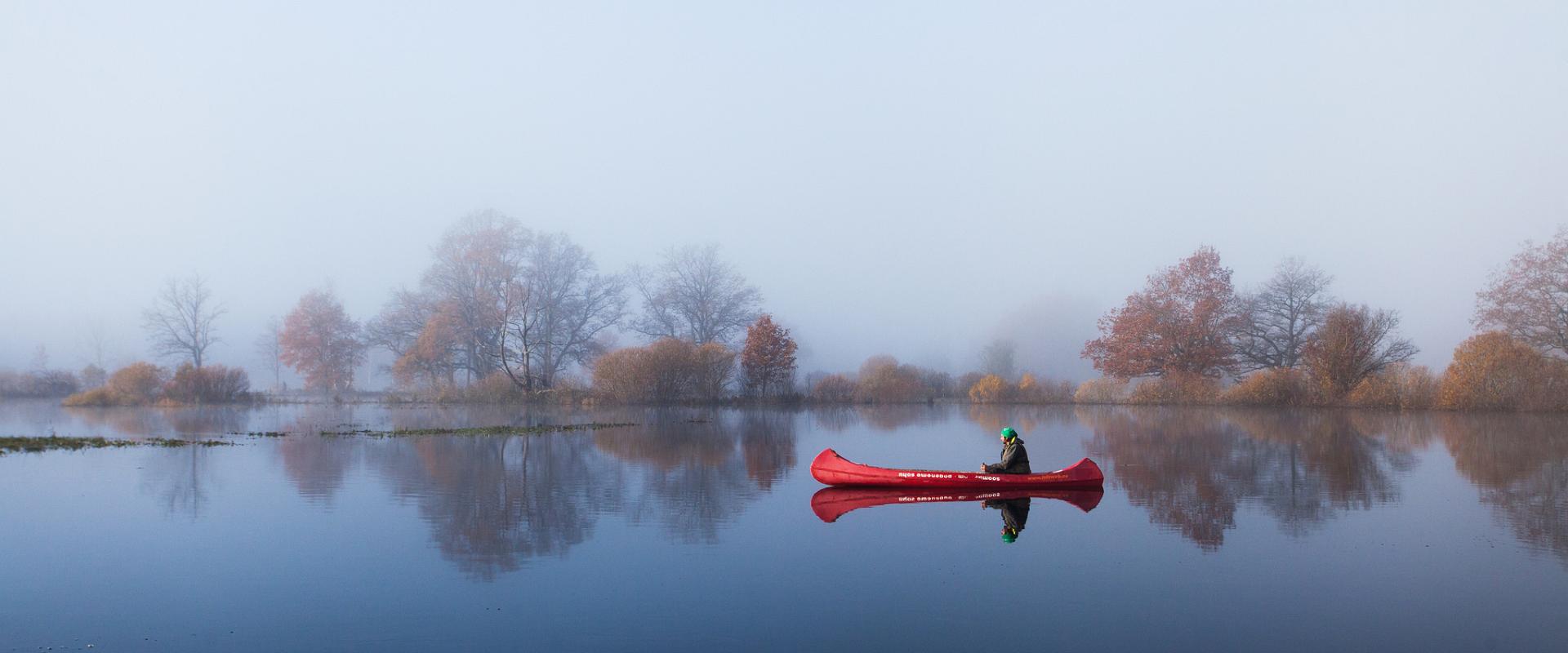
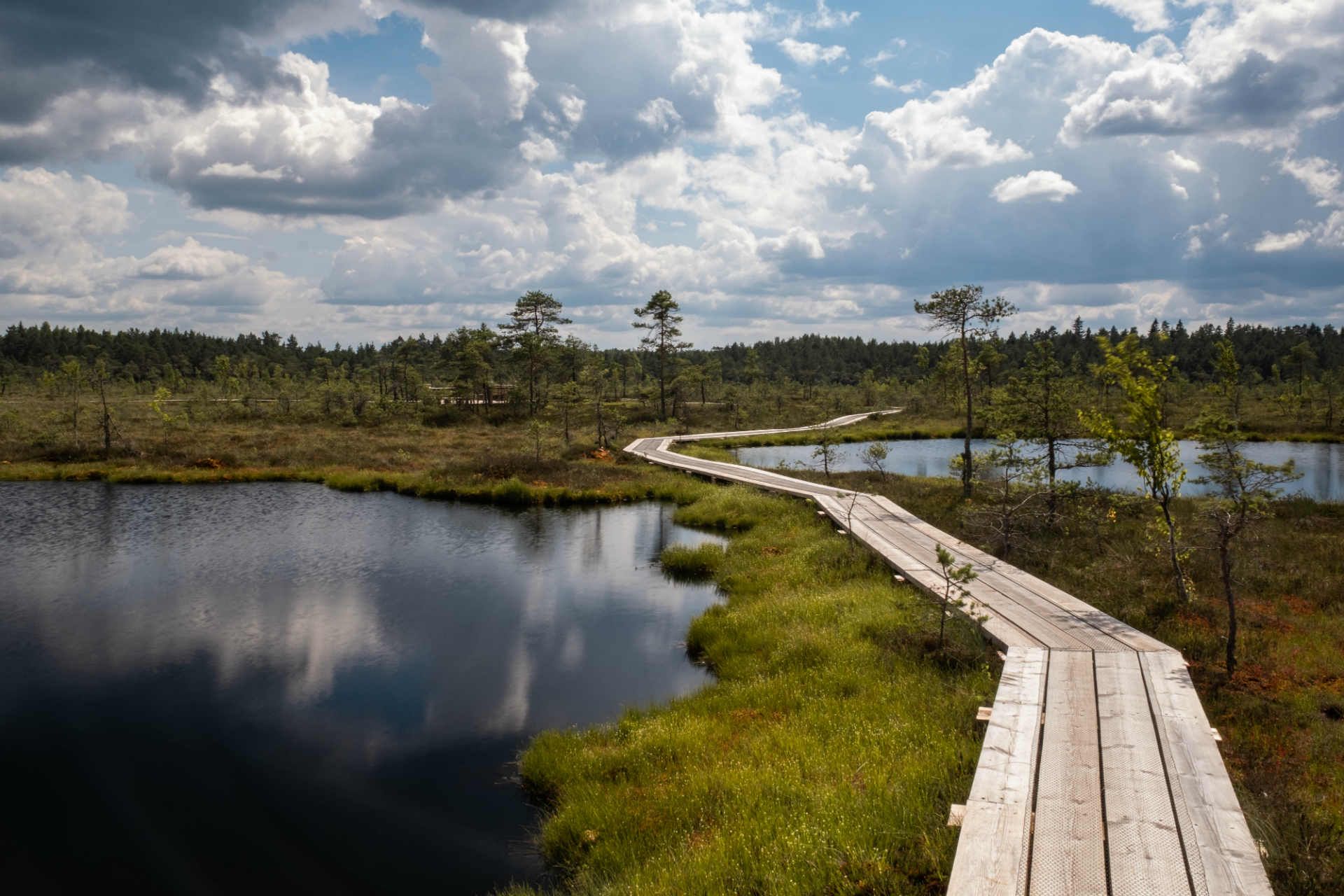
It’s an ideal time to take a canoe journey because up to 17,500 hectares of low-lying forests, roads, and meadows can only be traversed by water. There are many boardwalks and hiking pathways throughout the park’s wetlands and bogs when there are no floods. In the winter, you can explore the forests by kick sled or ice skate on the frozen rivers.
Two-thirds of the Vilsandi National Park is made up of the Baltic Sea. The remainder of the park consists of inlets, peninsulas, and islands.
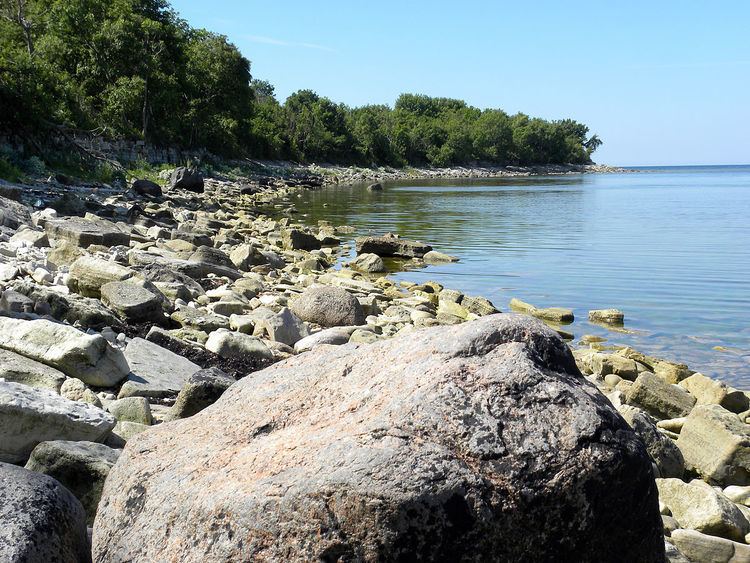
The main attraction is Vilsandi Island. The island hosts a variety of wildlife, including seals and numerous bird species, making it a popular spot for nature enthusiasts.
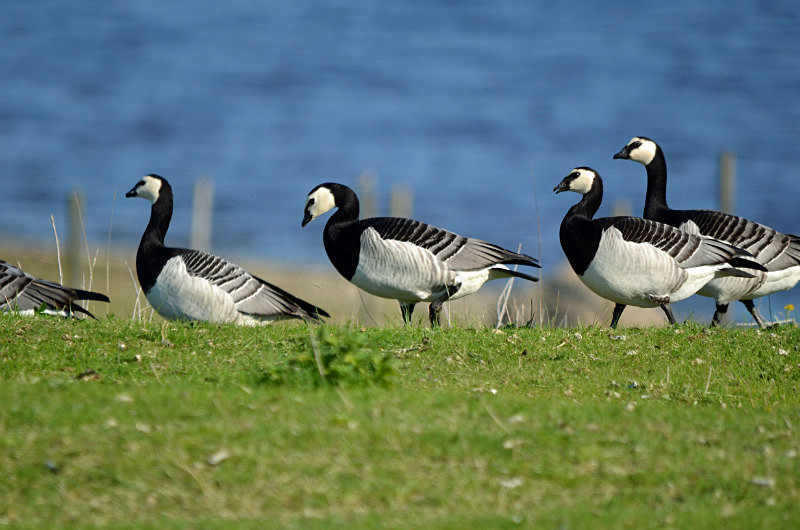
Flocks of seabirds, including thousands of white-cheeked barnacle geese, arrive here. With the help of a local guide, visitors can wade in the shallow sea to get from one island to another.
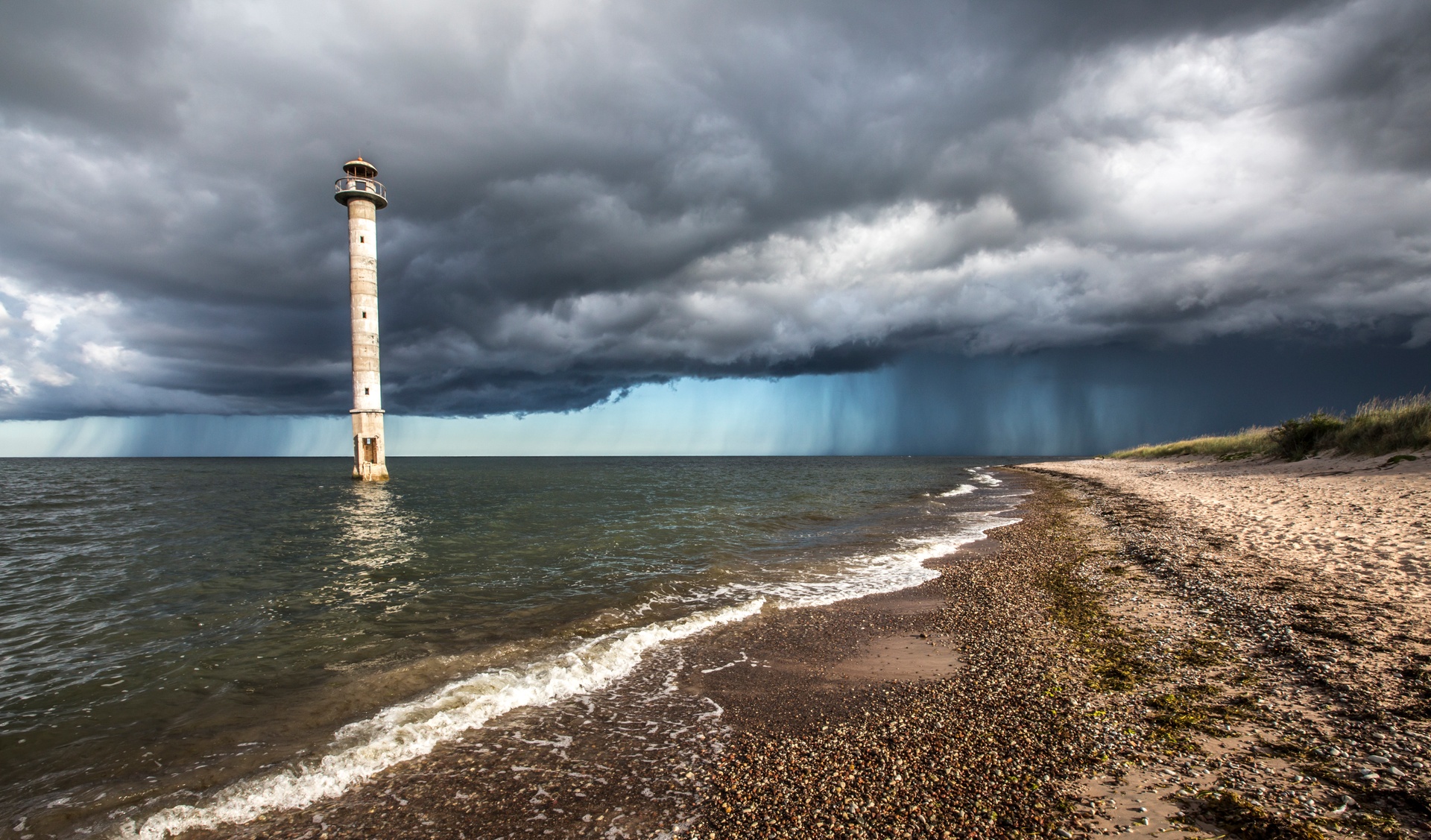
Leaning like the Tower of Pisa in Italy, Kiipsaare Lighthouse was finished in 1933 and, due to changes along the shoreline, now stands in the sea.
About the Creator
Rasma Raisters
My passions are writing and creating poetry. I write for several sites online and have four themed blogs on Wordpress. Please follow me on Twitter.
Enjoyed the story? Support the Creator.
Subscribe for free to receive all their stories in your feed. You could also become a paid subscriber, letting them know you appreciate their work.
Comments
There are no comments for this story
Be the first to respond and start the conversation.