

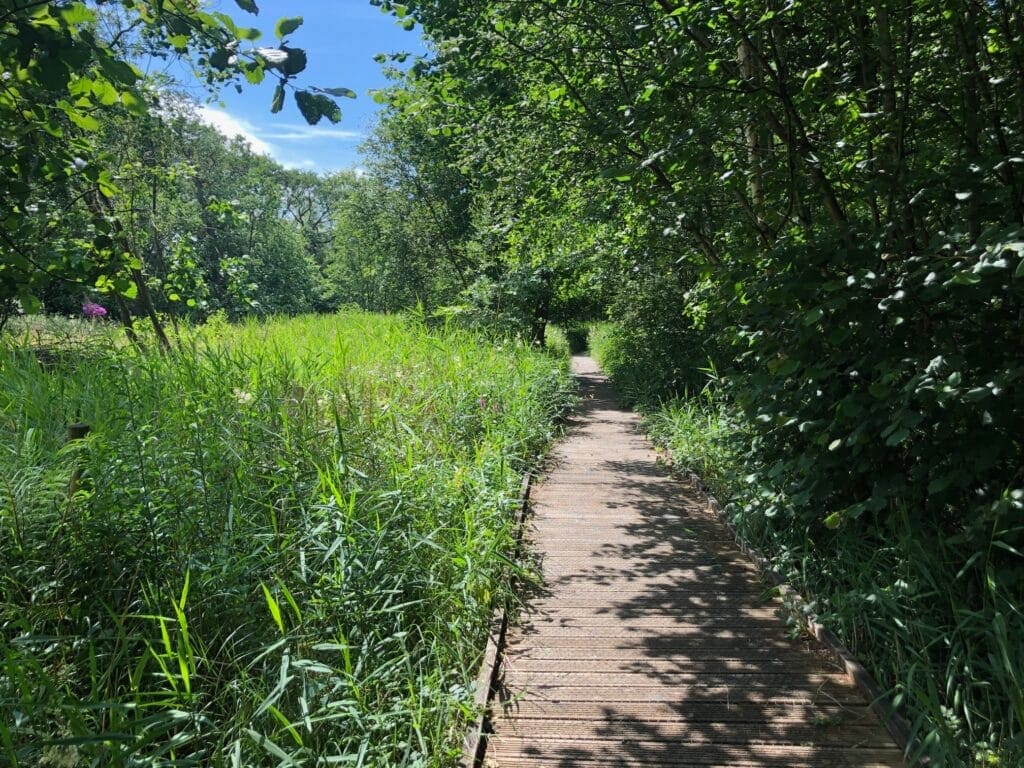
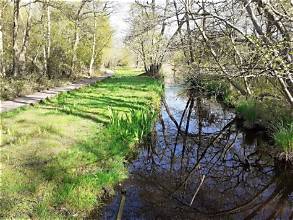
Askham Bog Nature Reserve is a significant ecological site, known for its diverse habitats and rich wildlife. It is a remnant of ancient fenlands and has been a vital area for nature conservation since its establishment Visitors can explore the reserve via well-maintained circular boardwalks, providing an accessible route through its diverse habitats. Its history dates back to Roman times when people used peat from the bog to make fuel. Ancient ditches thought to be made by peat extraction still mark the land.
It has the largest colony of gingerbread sedge (gingerbread sedge, or Carex elongata, is a rare plant found primarily in eastern England) alongside huge royal ferns, which make up a habitat for rare water beetle species and dragonflies. Birds are abundant here, such as woodcocks, buzzards and goldfinches, as well as deer and foxes.
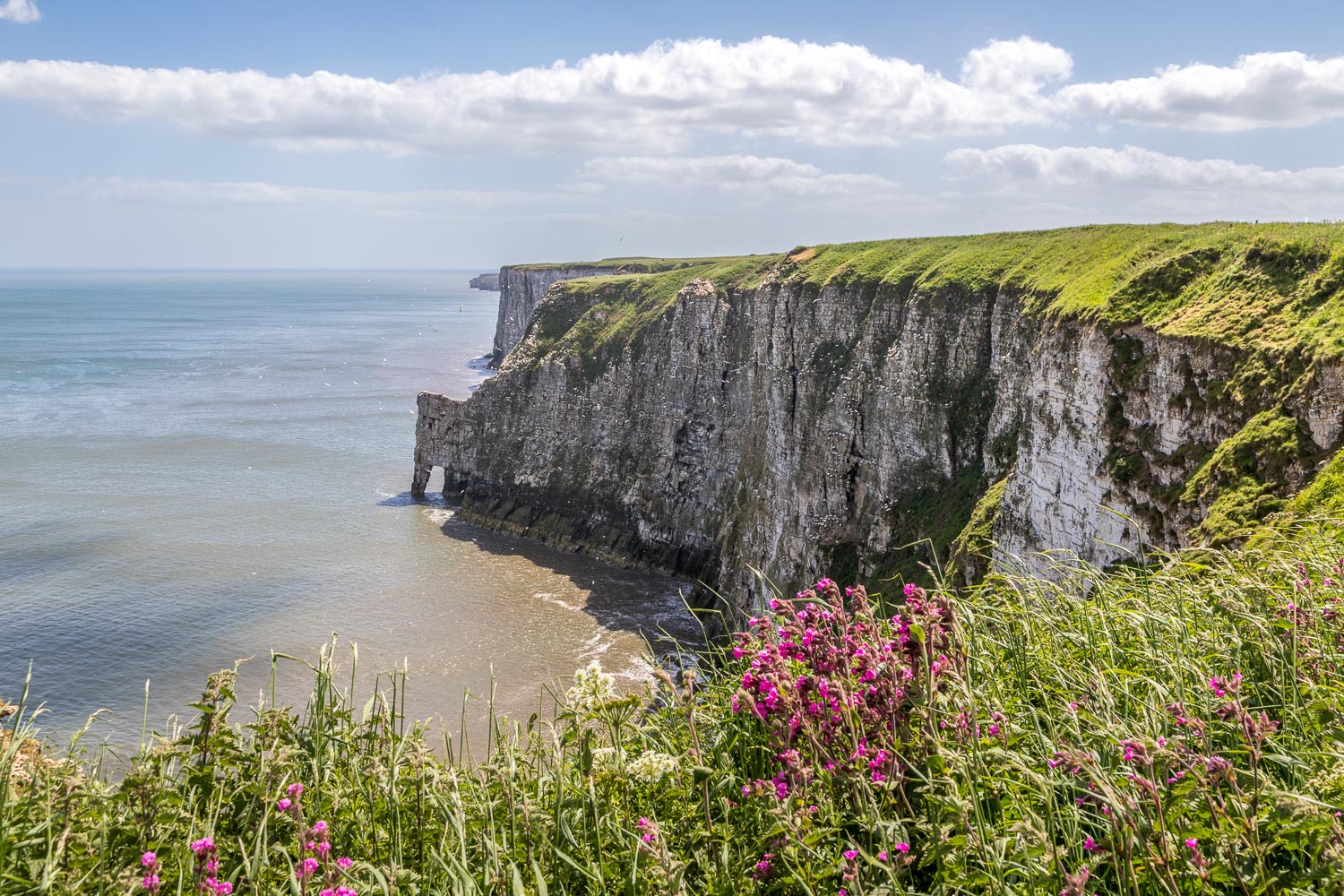
Bempton Cliffs, located on the Yorkshire coast, is renowned for its dramatic chalk cliffs and serves as a vital breeding ground for over half a million seabirds from March to August each year.
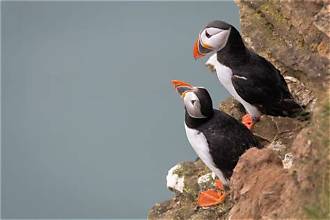
Over 200,000 breeding seabirds, including gannets and puffins, nest on the cliffs. It is one of the best RSPB reserves in the UK. The grassland makes a home for roe deer and skylarks while barn owls and kestrels hunt in the skies above.
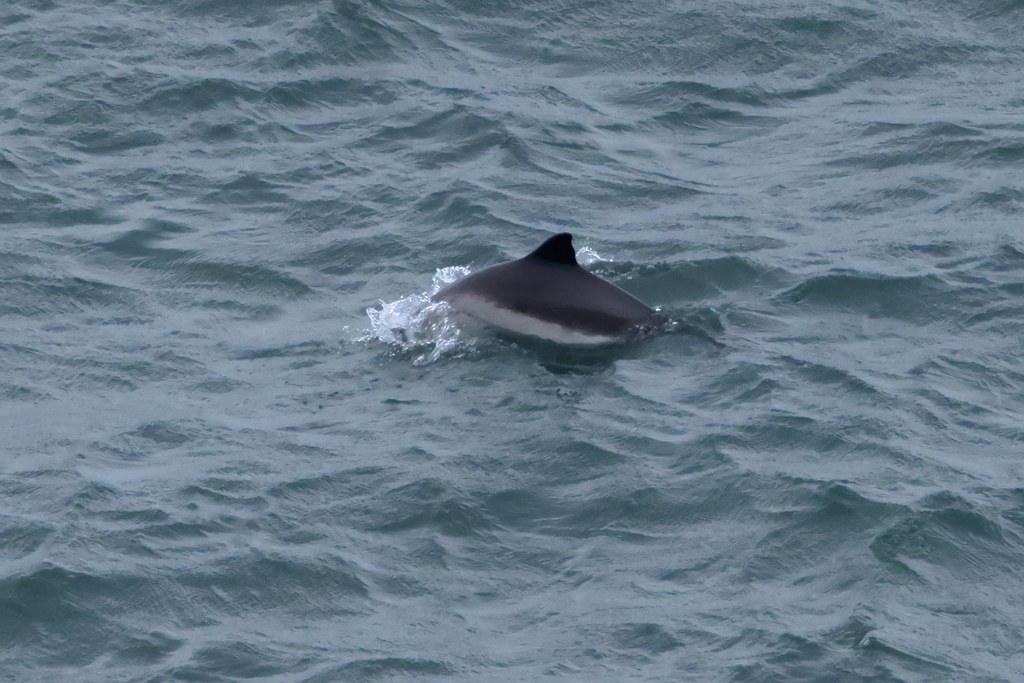
Off the coast, porpoises can be seen in the North Sea.
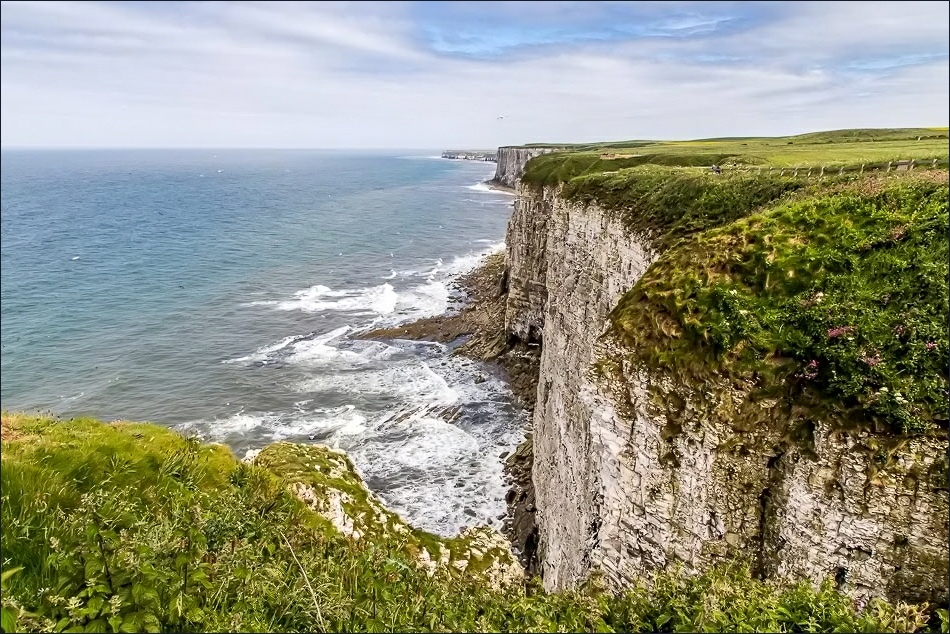
The Cliff Top Trail takes hikers through the clifftop habitats.
The Seabird Centre tells visitors about the residents of Bempton’s annual ‘Seabird City.’
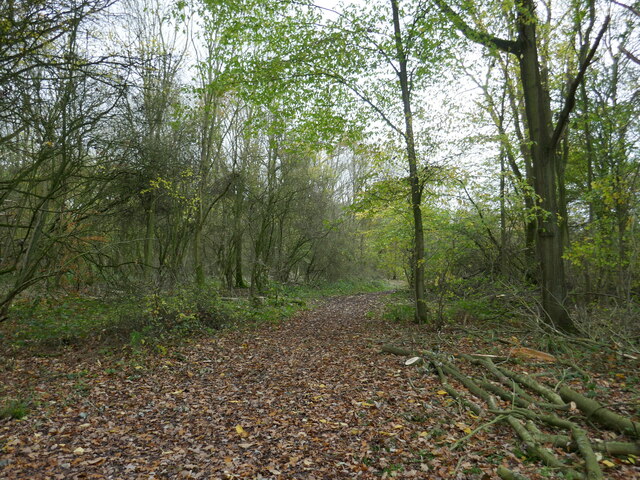
Duke's Wood is situated in Warwickshire, England, near the village of the same name. The area was once the site of the UK's first onshore oilfield, adding an industrial heritage aspect. Visitors can see some of the old restored oil pumps known as “nodding donkeys” dotted around the woodland. The woods consist of oak, hazel, and ash trees and are surrounded by flora like primrose, bluebell, and broad-leaved helleborine.
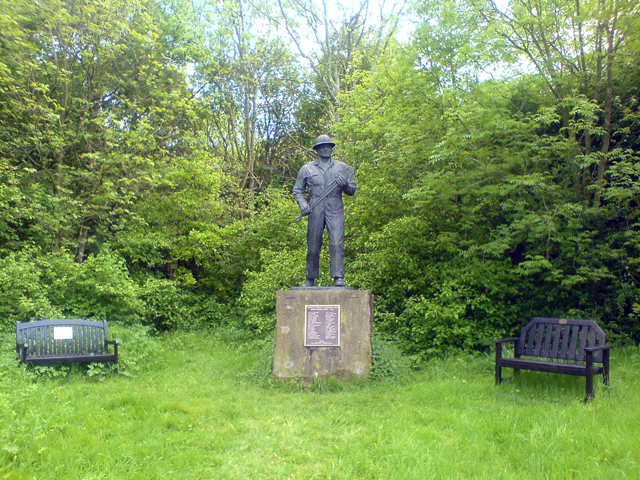
The statue in Duke’s Wood is a tribute to the Duke of Wellington, commemorating his significant contributions to British history, particularly his military leadership during the Napoleonic Wars.
Some of the wildlife making their homes here are woodpeckers, common frogs, smooth newts, and emperor moths.
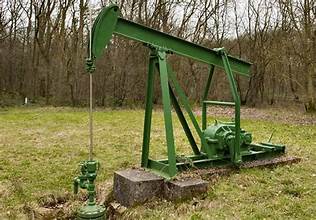
If you follow the Duke’s Wood Trail, you can learn about the site’s industrial history at the volunteer-run Oil Museum.
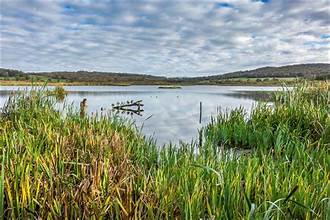
Situated in the northwest of England, Leighton Moss is home to the largest reed bed. It sits on the shores of nearby Morecambe Bay and consists of mudflats, coastal marshes, and saltwater lagoons. The inner marshes have cattle grazing.
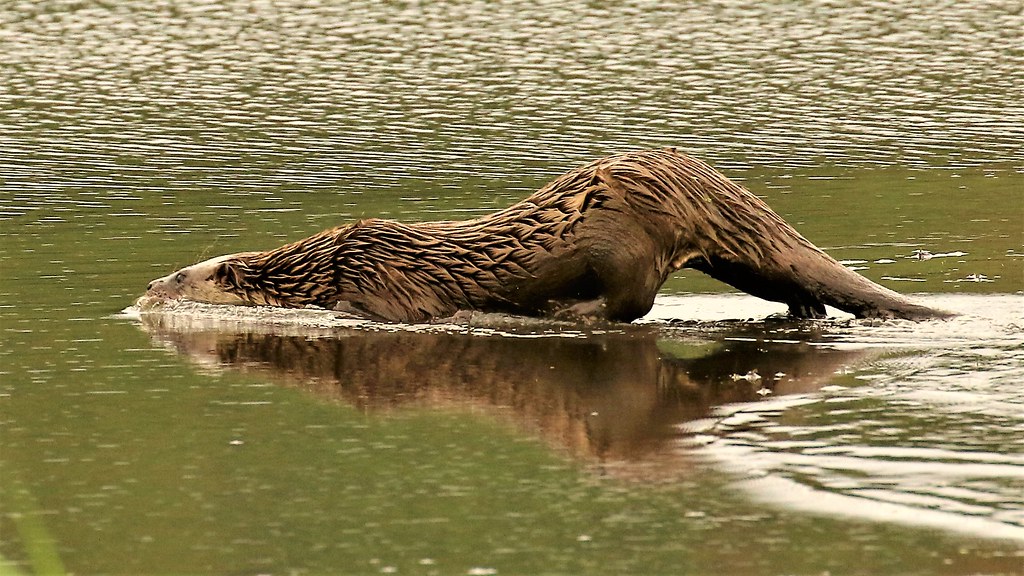
Among wildlife you can spot otters and red deer. Birds like bearded tits, bitterns, and marsh harriers.
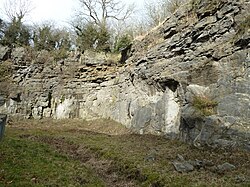
Situated in Lancashire, Salthill Quarry is a nature reserve managed by the Wildlife Trust for Lancashire, Manchester, and North Merseyside. It is recognized as a Site of Special Scientific Interest due to its fossilized remains of crinoids and diverse flora and fauna.
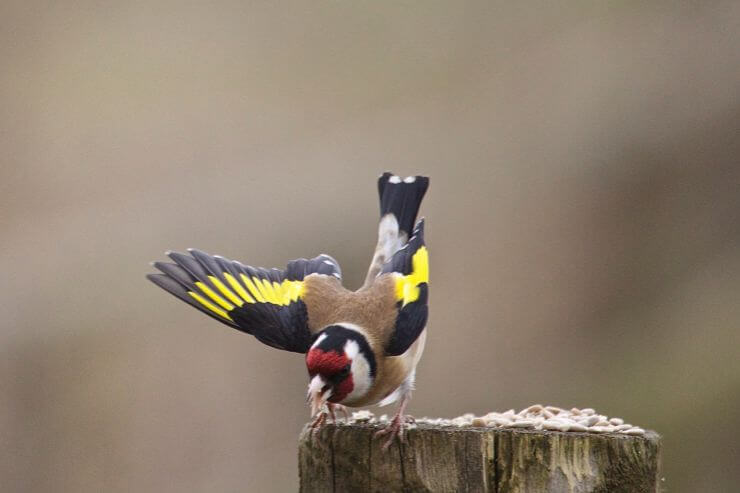
It serves as a habitat for various plant species and wildlife, making it a haven for nature enthusiasts. Making their homes here are bluetits, goldfinches, and bullfinches.
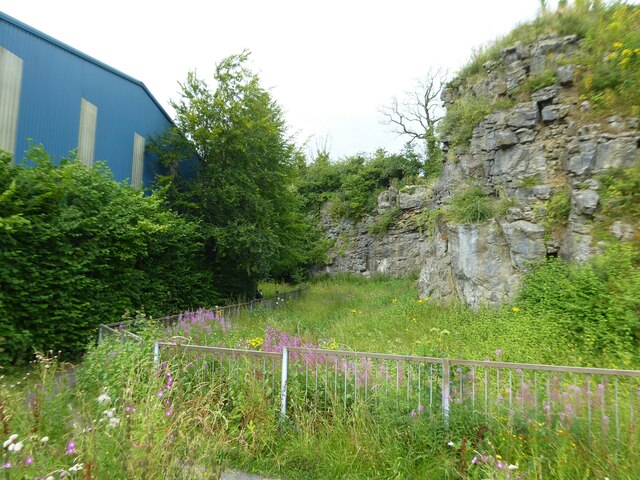
Take the Geology Trail, a circular walk that lets you stop by ten of the best spots on the reserve. Each spot is marked with a QR code sharing interesting facts about the area.
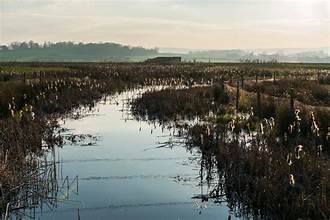
The Somerset wetlands in England are a vital ecosystem known for their rich biodiversity and historical significance. They serve essential functions such as water purification, carbon capture, and flood risk reduction. The area is steeped in history, with connections to legends like King Arthur and significant events such as the Battle of Edington.
It was established in 2022 in time for the 70th anniversary of the creation of national nature reserves. Somerset includes six existing reserves, among them Bridgwater Bay, Huntspill River, Somerset Levels, Shapwick Heath, Ham Wall, and Westhay Moor. Together, they make up a diverse landscape of intertidal mudflats, salt marsh, and wet grassland. The reserve holds the second largest area of lowland peat, which is a vital carbon sink. It’s also home to rare plants and wildlife such as the skylark, bittern, avocet, hairy dragonfly, and silver diving beetle.
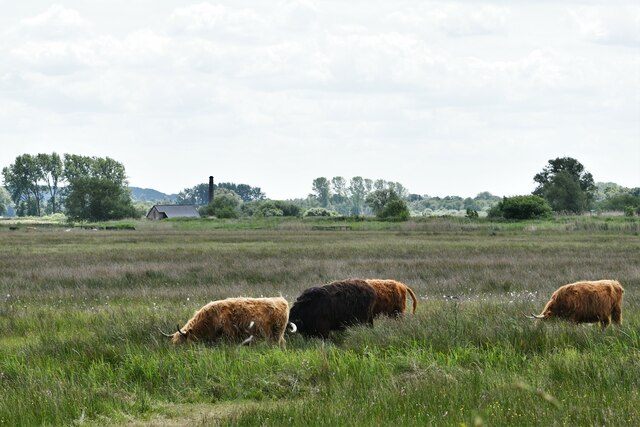
Strumpshaw Fen is situated on the River Yare in Norfolk. It is a favorite place to see the Braodland wildlife of the Yare Valley. In the summertime bird lovers can see bitterns, kingfishers, and a fen meadow full of wildflowers with butterflies and dragonflies. There are guided walks throughout the year, three hides for wildlife viewing, and hiking trails divided into different routes to see the pools, meadows, and woodlands. You can learn about the wildlife that make their homes here at the visitor center.
About the Creator
Rasma Raisters
My passions are writing and creating poetry. I write for several sites online and have four themed blogs on Wordpress. Please follow me on Twitter.
Enjoyed the story? Support the Creator.
Subscribe for free to receive all their stories in your feed. You could also become a paid subscriber, letting them know you appreciate their work.
Comments
There are no comments for this story
Be the first to respond and start the conversation.