travel advice
All the travel how-tos, where-tos, must-dos, packing suggestions and more.
Goodbye Galleries, Hello India
Having just returned from six weeks in India after copious amounts of research beforehand, I can conclude that India is an epic interactive art gallery filled to the brim with different visual and sensual art forms. For those who love textiles, patchwork, block printing, and silk might entice you. If you are like me and live for culture, the traditional dance performances from different states might be your thing. For fans of archaeology, you cannot move beyond Hampi. India is also an architect’s treasure trove. There really is something for everyone!
By Sophia Higginsabout a year ago in Wander
Smart Business Trips: How to Travel for Work
Global business travel is back in a big way. By 2028, the travel industry projects companies will spend $2 trillion. The impressive growth indicates the likely increase in your business trips and an influx of more professionals traveling for work.
By Jay Rodriguezabout a year ago in Wander
"Places Around the World Where Time Stands Still"
Introduction There are places in the world where the relentless ticking of the clock seems to hush — where the air carries stories of centuries past, and every stone path feels like a portal into history. These are not your typical vacation spots; they are timeless travel destinations, havens for those who yearn to disconnect from modern chaos and reconnect with something older, deeper, and profoundly still.
By Shamshair Khan Hasan Zaiabout a year ago in Wander
The Best Hotels in the World: Where “Luxury” Means *I Can’t Afford It, But Let’s Dream Anyway. AI-Generated.
So, you Googled best hotel in world, best hotels in world, or best luxury hotels worldwide — and here you are, about to tumble down the rabbit hole of over-the-top luxury where room service comes with gold leaf, the bathtubs have views, and one night costs more than your entire vacation budget.
By Davidstravelguideabout a year ago in Wander
"From Iceland to Indonesia: What Makes a Country Unique?"
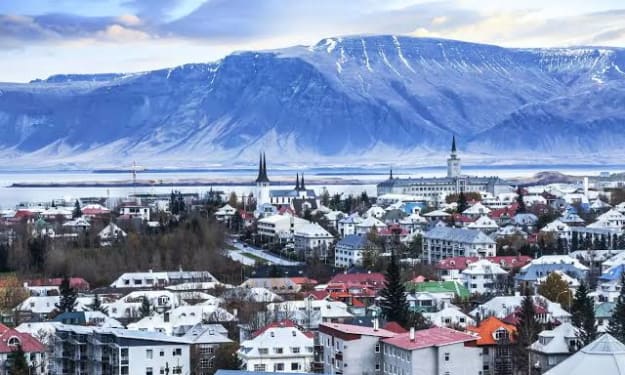
From Iceland to Indonesia: What Makes a Country Unique? What makes one country stand apart from another? It's more than just borders, flags, or famous landmarks. The uniqueness of a country lies in its unseen rituals, unspoken rules, and the heartbeat of its people. It’s in the way mornings begin, meals are shared, music is made, and memories are passed down. From Iceland’s ice-cloaked solitude to Indonesia’s tropical symphony of islands, each country carries a distinct flavor of life — a cultural fingerprint that no one else can copy. And when we stop to look beyond the surface, we begin to see that every nation offers a world entirely its own. Let’s journey across continents to uncover what makes a country truly one-of-a-kind. --- Iceland: Fire and Ice, and Fierce Individualism Perched near the Arctic Circle, Iceland is a land of extremes — volcanoes next to glaciers, geysers beside ice caves. But it’s the people, not just the scenery, that make Iceland unforgettable. With a population smaller than most cities, Icelanders have built a tight-knit, independent culture that values creativity and self-reliance. Everyone reads. Everyone writes. There's even a national tradition of gifting books on Christmas Eve and staying up all night reading. Iceland also boasts one of the highest levels of gender equality and environmental consciousness in the world. Here, being unique isn’t just accepted — it’s encouraged. It’s no wonder that a place with black sand beaches and northern lights also birthed some of the world’s most innovative music and literature. --- Indonesia: Unity in Diversity Now fly southeast — to a land of 17,000 islands, over 700 languages, and nearly 300 ethnic groups. Indonesia is chaos in the most beautiful sense. From the bustling streets of Jakarta to the serene temples of Bali and the untouched jungles of Kalimantan, no two corners of this country feel the same — yet there’s a powerful national motto that ties it all together: "Bhinneka Tunggal Ika" — Unity in Diversity. Indonesia’s uniqueness lies in its ability to hold contradictions and turn them into harmony. It’s a Muslim-majority country with strong Hindu, Christian, and Buddhist communities. It’s steeped in ancient traditions, yet racing toward tech innovation. Its food, dance, clothing, and spirituality are kaleidoscopic, layered, and rich. It is not one identity — it’s a mosaic of many. --- Ethiopia: The Beating Heart of Time Step into Ethiopia and you step into a different rhythm of time — literally. The country follows a 13-month calendar and measures hours differently from most of the world. But beyond timekeeping, Ethiopia stands out for being one of the few African countries that was never colonized. Its independence shines through its bold cultural pride, ancient Orthodox Christianity, and cuisine that’s as fiery as it is flavorful. From rock-hewn churches carved into cliffs to coffee ceremonies that take hours to complete, Ethiopia moves to its own steady, soulful beat. It’s a country where time slows down — not out of inefficiency, but out of reverence for ritual and connection. --- Japan: Tradition Wrapped in Technology No country blends ancient tradition with futuristic ambition quite like Japan. Where else can you find a Shinto shrine nestled beside a neon-lit skyscraper? Japan’s uniqueness is its duality — a nation that fiercely preserves its past while innovating for the future. Beyond the well-known symbols of sushi, samurai, and cherry blossoms lies a culture built on etiquette, detail, and subtlety. There’s deep beauty in the way Japanese society values harmony — not just in nature, but in relationships and design. Everything from a tea ceremony to a train schedule reflects precision, purpose, and respect. --- Mexico: A Living Tapestry of Heritage and Hope Mexico wears its heart on its sleeve. Its cities pulse with color, music, and flavor. Its past — from ancient Aztec and Maya civilizations to Spanish colonialism — is always present, not in textbooks, but in street art, festivals, and family traditions. But Mexico is not just heritage; it’s innovation. From contemporary architecture to world-class cuisine, the country constantly reinvents itself. What makes it unique is its emotional richness — how laughter and grief, protest and pride, often share the same space. Life in Mexico isn’t sanitized — it’s celebrated in all its messy, beautiful layers. --- What Uniqueness Really Means Every country has landmarks and tourist sites. But what really makes a place unique isn’t what’s on postcards — it’s what’s felt on the streets, heard in the marketplaces, and lived in the daily routines of its people. It’s the way a country reacts to joy, to crisis, to change. It’s in the lullabies sung to babies, the way elders are treated, the unspoken rules of social life. Uniqueness isn’t always loud. Sometimes, it’s in the quiet confidence of a tradition carried forward. Sometimes, it’s in how a country adapts without losing its core. And often, it’s in the small things — a gesture, a spice, a story — that no other place does quite the same. --- Final Thought: A World of Originals From Iceland to Indonesia, no two countries are alike — and that’s what makes this planet so endlessly worth exploring. Each nation holds something the others don’t, a singular lens through which to view the world. In an era where global trends often blur borders, the essence of what makes each country unique is more valuable than ever. So next time you look at a map, don’t just see lines. See identities. See stories. See a world not of sameness, but of spectacular difference — and take the time to learn what makes each country unlike anywhere else.
By World politics about a year ago in Wander
Bali or Dubai?
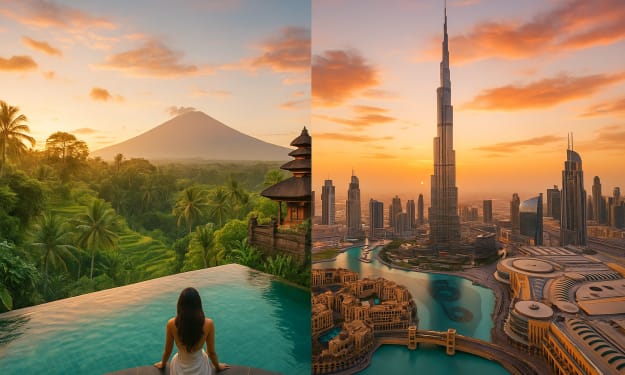
Sun, Luxury, or Soul? Choose Your Escape Wisely Bali or Dubai—which escape truly delivers the dream? Is it the serene soul of an Indonesian island, or the shimmering ambition of a desert metropolis? While travelers are endlessly split, one thing is certain: both destinations promise magic, but in radically different forms. Before you book that flight, step into a story of two worlds. This isn’t just about beaches or buildings—it’s about who you become when you arrive. The answer isn’t in the travel brochures. It’s here, hidden between sunsets and skyscrapers.
By Bubble Chill Media about a year ago in Wander
Visiting Ukraine During Wartime
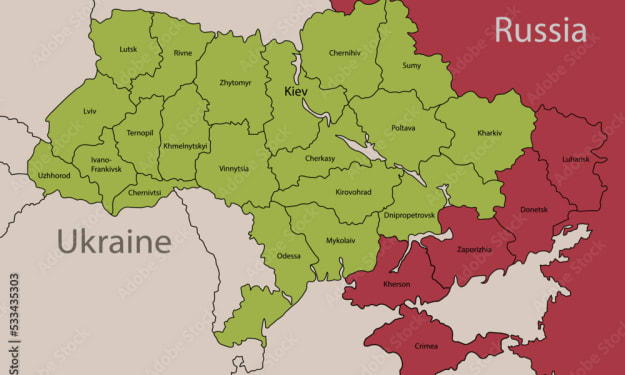
When I decided to visit Ukraine in mid-2025, people often asked me, “Is it even safe?” I get it — the country is still at war, and that affects everything. But there are parts of Ukraine where daily life continues relatively normally, and with the right preparation, you can travel there fairly safely. In this blog, I’ll share my personal experience of visiting Ukraine in 2025: from insurance and the air raid alert app to which areas to avoid — and which are more accessible.
By Hidden World Journeyabout a year ago in Wander
The Leaning Tower of Pisa: A Timeless Tilt That Defies Gravity
The Leaning Tower of Pisa: Italy’s Iconic Architectural Marvel In the heart of Italy lies one of the world’s most fascinating architectural wonders — the Leaning Tower of Pisa. Every year, millions of tourists from around the world flock to this extraordinary structure, not just to admire its beauty, but to marvel at one very peculiar and captivating detail — its famous lean. Despite being centuries old, the Leaning Tower of Pisa stands strong, tilted to one side, defying both gravity and architectural norms. This unique feature has made it a global symbol of curiosity, engineering, and resilience. --- Why is the Tower Leaning? The tower’s most famous characteristic — its lean — is not intentional. Construction of the tower began in 1173 AD as part of a larger architectural project that included a cathedral and a baptistery in the city of Pisa. The tower was designed to be a freestanding bell tower for the nearby cathedral. However, shortly after construction began, the builders noticed something unusual. The foundation was laid on soft, unstable soil, a mixture of clay, fine sand, and shells. As the structure rose and more weight was added, one side of the foundation began to sink, causing the entire tower to tilt. Fearing collapse, construction was halted multiple times over the course of almost 200 years. These pauses, surprisingly, allowed the soil to settle and may have contributed to the tower's eventual survival. --- Engineering Efforts and Preservation Over the centuries, the lean of the tower became more pronounced, raising concerns about its structural integrity. At its worst, the tower tilted at an alarming 5.5 degrees, threatening to fall over. Engineers and architects from around the world came together to devise ways to prevent its collapse without losing the iconic tilt that made the tower so famous. Efforts included: Soil extraction techniques to slightly reduce the tilt. Reinforcements to the base. Anchoring the structure with strong cables. Adding counterweights on the north side. These preservation efforts paid off. Today, the Leaning Tower of Pisa leans at a safer 3.97 degrees, and experts believe it will remain stable for at least the next few hundred years. The structure continues to stand not just as a monument to the past, but also as a testament to modern engineering brilliance. --- A Symbol of Cultural and Historical Importance The Leaning Tower is located in Piazza dei Miracoli (Square of Miracles) in Pisa, Tuscany. It is part of a larger ensemble that includes: The Pisa Cathedral (Duomo) The Baptistery The Camposanto Monumentale (Monumental Cemetery) This entire complex has been designated a UNESCO World Heritage Site, due to its historical, cultural, and architectural significance. The tower itself is an example of Romanesque architecture, characterized by its white marble construction, arched arcades, and exquisite carvings. It stands at 56 meters (183 feet) high, with eight stories, including the chamber for the bells at the top. --- Tourist Attraction and Global Fame One of the most photographed monuments in the world, the Leaning Tower of Pisa has become a must-visit destination for tourists. People from every corner of the globe come to: Admire its unusual structure Climb the 294 steps to the top for a panoramic view of the city Pose for playful photos, pretending to hold up or push the tower — a tradition that has become a viral internet trend Its popularity has made it one of Italy’s top tourist destinations and a source of national pride. It’s more than just a tower — it’s an icon, representing creativity, imperfection, endurance, and historical beauty. --- Why It’s Considered an Architectural Wonder Although the Leaning Tower of Pisa is not one of the Seven Wonders of the Ancient World, it is often featured in lists of the modern wonders of architecture due to: Its unintended design flaw that became its most celebrated feature. The complexity of preserving a flawed structure for nearly a thousand years. The tower's global recognition and cultural symbolism. In the world of architecture, it's rare for a mistake to become a masterpiece. Yet, the Leaning Tower of Pisa has done just that — transforming an error in engineering into a legacy of beauty and innovation. --- Final Thoughts: More Than Just a Leaning Tower The Leaning Tower of Pisa teaches us something deeper. It reminds us that imperfection can become iconic, that challenges can be overcome with creativity and collaboration, and that heritage is worth preserving — no matter how flawed it may seem. Whether you’re an architect, historian, tourist, or simply someone in awe of Earth’s many wonders, the Leaning Tower of Pisa stands as a timeless symbol of endurance, curiosity, and wonder. So, next time you see a photo of someone “holding up” the tower, remember — they’re not just posing for a picture. They’re participating in a story that spans over 850 years, blending art, science, and human persistence in one glorious lean.
By Ikram Ullahabout a year ago in Wander
First Time on a Desert Safari in Dubai? Here's What You Need to Know
The top desert safaris in Dubai are brought to you by the best sites and tour operators. You will get one of the best desert tour operators right here. Read this blog and you will get a complete guide about the first time visit to Dubai's desert. Without any hesitation, get the best desert safari adventures and entertainment right here in the dunes. The City of Gold is full of dunes and luxury, thus, without a doubt, grab your trip today. There are many things that you need to know as a first time traveller.
By Kevin Rossabout a year ago in Wander
Michelin - Starred Restaurants : A Culinary Symphony of Excellence and Emotion. AI-Generated.
Michelin-starred restaurants have long been a symbol of supremacy in the culinary world—places where food is not merely a meal, but an emotional journey filled with stories and sensory experiences that stir the soul. Awarded by the legendary Michelin Guide, originally created in France as a travel guide for motorists, the Michelin star has evolved into the highest benchmark in the global restaurant industry. Evaluations are conducted by highly trained anonymous inspectors, based on rigorous standards that include the quality of ingredients, cooking techniques, flavor harmony, the personality of the cuisine, and consistency over time.
By Vocalmedia Adeadifaabout a year ago in Wander
3 Days from Fes to Merzouga
3 Days from Fes to Merzouga Desert Tour and Marrakech Experience an unforgettable Sahara Desert adventure with our 3 days from Fes to Merzouga desert tour, ending in the vibrant city of Marrakech. This tour is designed for those who want to explore Morocco’s most iconic landscapes, including the dramatic Middle Atlas Mountains, the vast Erg Chebbi dunes, and the scenic Dades Valley. Spend one magical night in a luxury desert camp beneath the stars and immerse yourself in the rich culture of Morocco. Whether you’re interested in camel trekking, Berber traditions, or stunning desert scenery, this is the perfect journey.
By Morocco Tours Gatesabout a year ago in Wander