
Piasau Nature Reserve: Where Hornbills Fly Where Homes Once Stood
From Company Town to Protected Haven Jimmy, Faridah, and a Movement Born of Grief Trails, Gardens, and Returning Forest Hornbills in Culture and Conservation Boat Club, Beach, and Blending Eras A Precious Peninsula Preserved


Wedged between the Sungai Miri estuary and the South China Sea lies a narrow, verdant peninsula where nature is steadily reclaiming what was once a bustling neighbourhood. For decades, this was Piasau Camp, a thriving residential community built by Shell in the 1950s to house senior staff and their families, complete with some 250 homes, an international school, and the iconic Piasau Boat Club. Today, it is Piasau Nature Reserve, a Totally Protected Area where rainforest vegetation is being restored, endangered hornbills find sanctuary, and the quiet traces of Miri’s petroleum history linger among the trees. It is a place where two very different chapters of Sarawak’s story meet.
From Company Town to Protected Haven
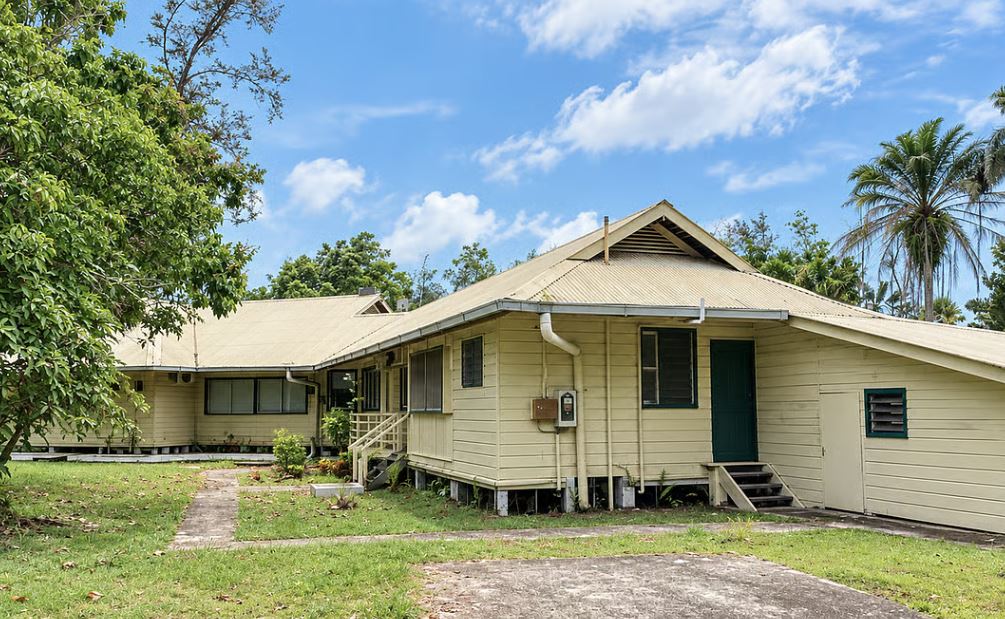
Shell’s connection to Miri runs back to the country’s very first oil well, drilled on Canada Hill in 1910. By the 1950s, Piasau Camp had grown into a vibrant, self-contained community. But as the years passed, the houses were vacated, and the area began returning to greenery. Rather than redeveloping the valuable coastal land, a different vision took root: restoration. Today, sections of the reserve have been thoughtfully replanted with a mixed-species garden, a ficus garden, a herbal garden, a fruit tree garden, and the Piasau garden, each designed to nurture biodiversity. A handful of the old Shell-era bungalows still stand, offering a tangible window into the past; others have vanished entirely, their sites softened and swallowed by regrowing forest, a vivid demonstration of how swiftly the tropics can heal when given the chance.
Jimmy, Faridah, and a Movement Born of Grief
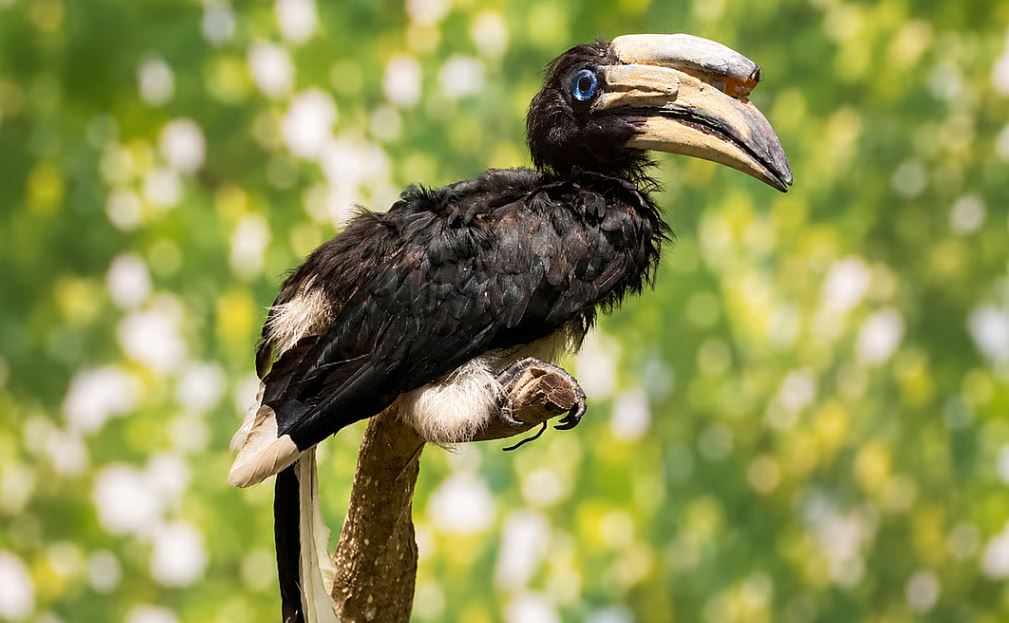
The transformation began with a bird or more precisely, two of them. From around 2005, a pair of Oriental pied hornbills named Jimmy and Faridah made the peninsula their home, raising 56 offspring and winning the hearts of local residents. Then, in 2013, tragedy struck: Faridah was killed by poachers. Her death sent a wave of sorrow through the community reported on in The Borneo Post under the headline “Nature Lovers United in Grief Over Faridah,” and became a powerful catalyst. Public outcry spurred stronger protection, and Piasau Nature Reserve was formally established as a Totally Protected Area. Jimmy later found a new mate, Juliet, and the pair have since raised seven more chicks across four nesting cycles. Their legacies live on in the reserve’s trails: the 370-metre Jimmy Trail and the tiny 97-metre Juliet Trail, both named in their honour.
Trails, Gardens, and Returning Forest
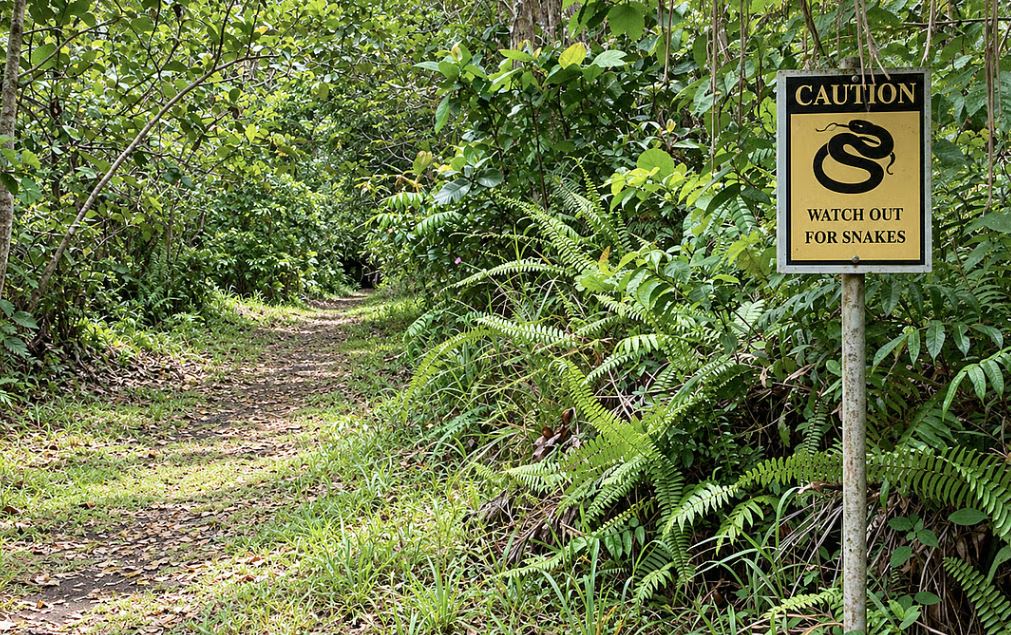
Exploring Piasau is gentle and accessible. Visitors can wander along paved roads or choose from three short walking routes: the Community Trail, Jimmy Trail, and Juliet Trail. Each offers an easy immersion in the recovering ecosystem, though visitors are reminded that this is wild habitat signs warn of snakes, and insect repellent is strongly recommended. The reserve’s interpretation centre deepens the experience, explaining the birds’ biology and significance. And if you are lucky, you may spot one of the hornbills themselves; as one visitor noted, they are sometimes elusive, but their presence and the hope of catching sight of them draws people back again and again. Entry is free, though registration is required at the visitor centre at Lot 1274, Jalan Peninsula, Miri. Opening hours are 8 a.m. to 5 p.m. daily, with extended availability on weekends.
Hornbills in Culture and Conservation
Hornbills are far more than a tourist attraction in Sarawak; they are revered, particularly among Dayak communities, as messengers between the human and spiritual worlds. The rhinoceros hornbill adorns the state crest, earning Sarawak the title “Land of the Hornbills.” Piasau’s story reflects this deep bond: what began as a local effort to safeguard a small urban population of birds has grown into a broader ecosystem restoration project. Protecting the hornbills means protecting the forest they depend on and, in doing so, safeguarding a vital part of Sarawak’s natural and cultural heritage.
Boat Club, Beach, and Blending Eras
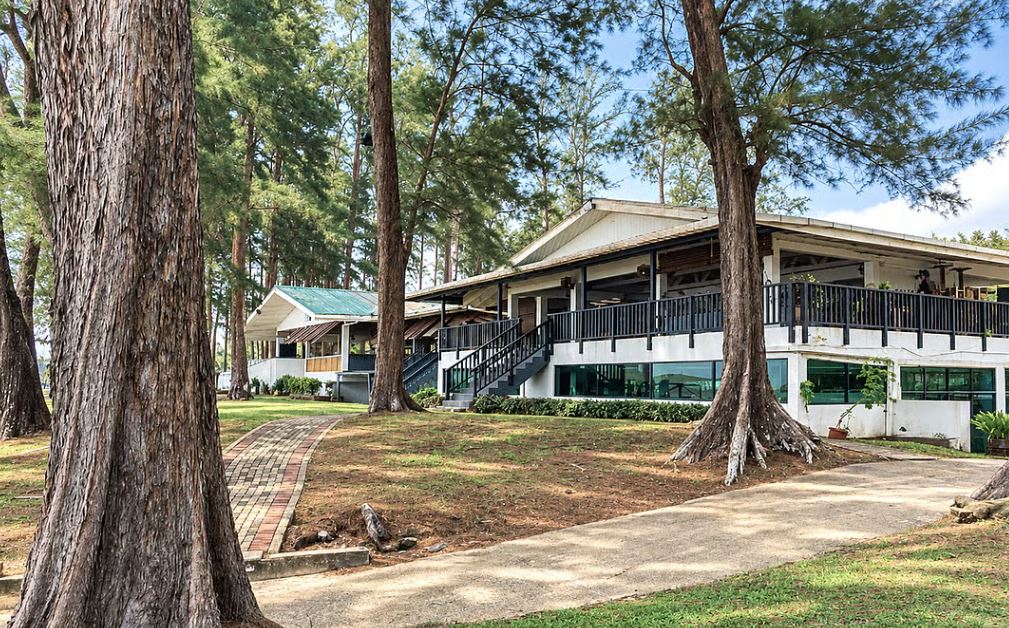
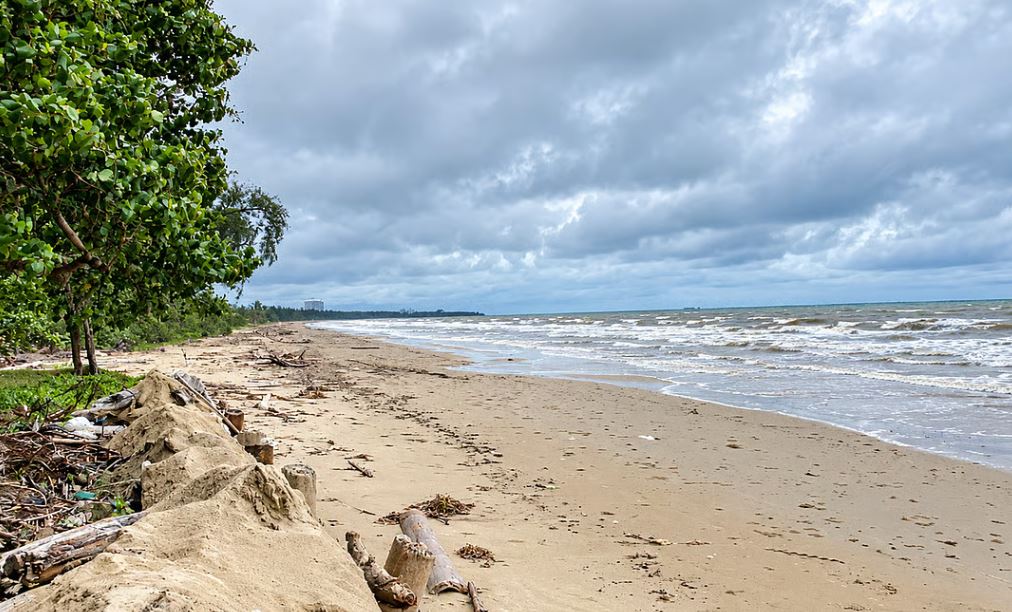
After walking the trails, history and hospitality await at the Piasau Boat Club. Still standing beside the water, its restaurant welcomes non‑members to dine with a sea breeze and a view that stretches to offshore oil platforms a quiet reminder of the industry that built the camp and made this peninsula what it is. Nearby, the beach offers a peaceful place to sit and watch the waves, though waters can be rough, so it is best enjoyed from the shore.
A Precious Peninsula Preserved
Piasau Nature Reserve is not a vast wilderness; it is an intimate, accessible sanctuary close to the heart of Miri. Its magic lies in its contrasts: where oil company bungalows once stood, hornbills now fly; where children attended international school, native saplings grow; and where families once packed for work, visitors now come to walk quietly and breathe fresh air. In saving Faridah’s memory and Jimmy’s family, the people of Miri have saved something far larger: a living, breathing example of how industry and nature, past and future, can coexist.
About the Creator
Mark Lim
Hi I am mark an automotive student and a car, tech and food enthusiast ! Im gonna try and post daily & hope you enjoy what I write and do share my page with people you know. I would gladly appreciate it! Cheers
Enjoyed the story? Support the Creator.
Subscribe for free to receive all their stories in your feed.
Comments
There are no comments for this story
Be the first to respond and start the conversation.