

Badshahi Mosque
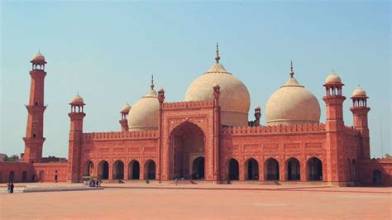
One of Pakistan’s biggest mosques, the Badshahi Mosque is an excellent example of Mughal architecture. It is situated in Lahore and was constructed in 1671 by Aurangzeb, the Mughal Emperor. The mosque is renowned for its inlays of white marble and red sandstone. Thousands of worshipers can be found in its magnificent courtyard. It features exquisite artwork, intricate domes, and tall minarets. The mosque creates stunning vistas, being situated across from Lahore Fort.
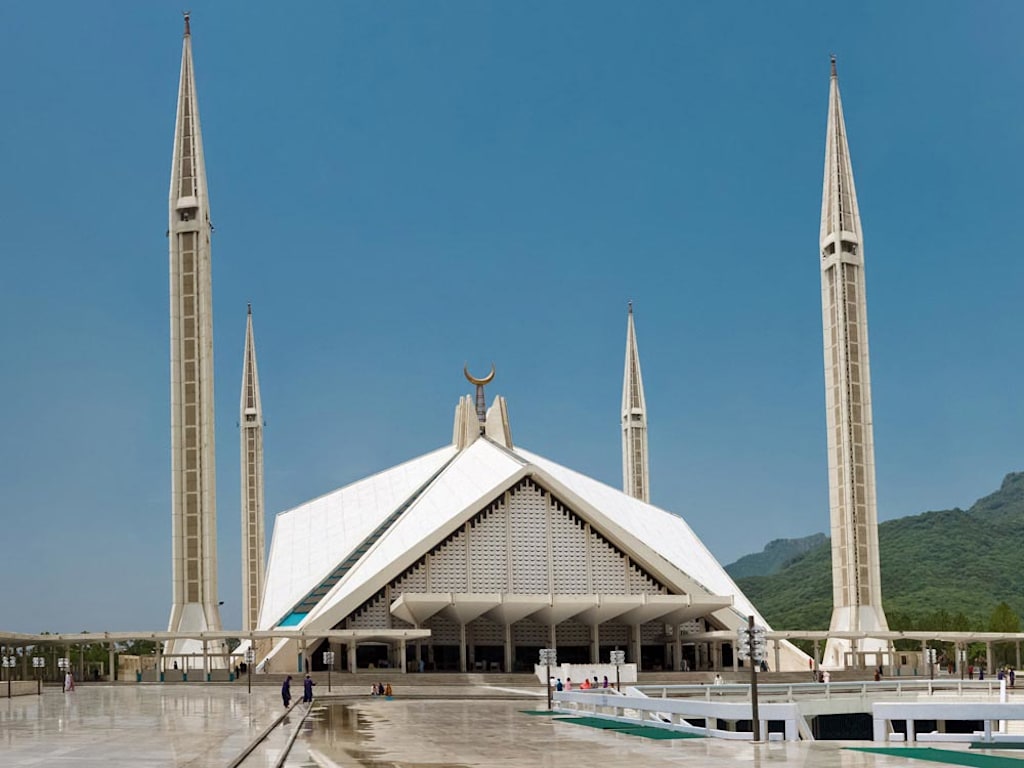
Faisal Mosque
The Faisal Mosque, located in Islamabad, is the national mosque and the sixth-largest mosque in the world. It is renowned for its unique contemporary design and is named after King Faisal of Saudi Arabia, who contributed to its construction. The mosque is situated at the foothills of the Margalla Hills. It features a contemporary Arabic style with an octagonal prayer hall and a large metal dome. It serves as a symbol of Islamic architecture and is a major tourist attraction.
Khyber Pass
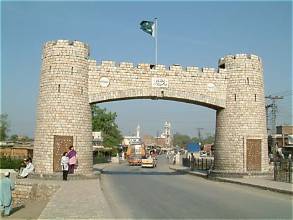
A well-known mountain pass that links Central and South Asia is the Khyber Pass. For decades it has been a vital trading route between Pakistan and Afghanistan. The rich history of the pass has been enhanced by numerous invasions and migrations. It is renowned for its untamed landscape encircled by cliffs that have provided refuge to numerous tribes. Its significance in commercial and military history is highlighted by its ties to the British Empire.
Lahore Fort
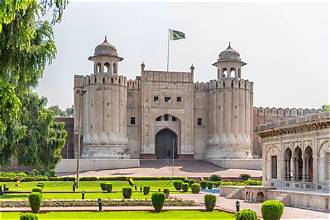
One example of Mughal architecture is the Lahore Fort. It was constructed in the 16th century during the reign of Emperor Akbar and is situated in Lahore. The fort is renowned for its intricate marble inlays and walls made out of red sandstone. The Sheesh Mahal, often known as the “Palace of Mirrors," is an important landmark. The Mughal rulers hosted guests here. The fort, which has seen numerous rulers, is a reflection of Lahore’s expanding urban layout and is regarded as one of the most significant sites in Pakistan. It is a designated UNESCO World Heritage Site.
Minar-e-Pakistan
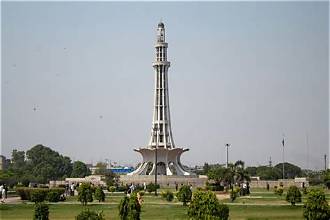
Iqbal Park in Lahore is home to Minar-e-Pakistan. It commemorates the location of the 1940 Lahore Resolution. In the Pakistan Movement, this was a crucial milestone. Completed in 1968, it is one of Pakistan’s most significant national monuments. It combines modern and Mughal design elements. The monument represents the struggles for liberty and the aspiration of a new nation. There are lush gardens in the vicinity that are ideal for strolls and picnics. and it is a popular destination for tourists.
Mohenjo Daro
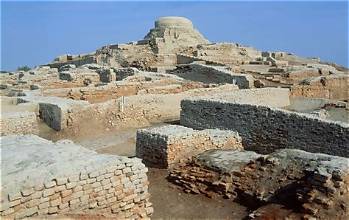
The ancient city of Mohenjo-Daro is situated in the province of Sindh. It is an important component of the Indus Valley Civilization and a UNESCO World Heritage Site. Around 2500 BCE, this civilization flourished. The drainage systems and streets were thoughtfully planned. The well-preserved ruins can be explored by visitors.
Pakistan Monument
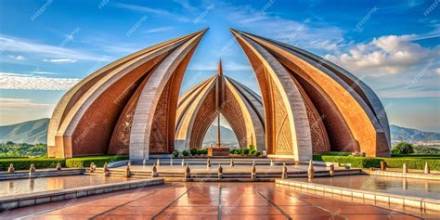
The Pakistan Monument, inaugurated in 2007, is a national symbol located in Islamabad, representing the unity of the Pakistani people through its unique petal-shaped design that reflects the country's provinces and territories. The monument is situated in the western Shakarparian Hills of Islamabad, providing a scenic backdrop. It features four large petals symbolizing the four provinces and three smaller petals representing the territories. The monument honors the martyrs of Pakistan and reflects national unity and patriotism.
Ranikot Fort
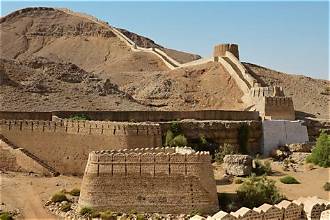
Ranikot Fort, located in Sindh, is often referred to as the "Great Wall of Sindh" due to its impressive perimeter of approximately 32 kilometers. This historical fortification is notable for its scale and architectural significance, serving as a pre-modern frontier defense structure that guards routes between the Indus Valley and Kirthar hills. It serves as a distinctive example of pre-modern military architecture in Sindh. Situated near the town of Sann in the Jamshoro District, it lies within Kirthar National Park.
Shalimar Gardens
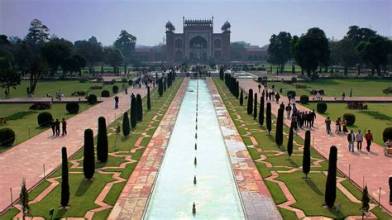
Emperor Shah Jahna constructed the Shalimar Gardens in the 17th century. They are in Lahore, a stunning illustration of Mughal landscape architecture. They have meandering walking paths, graceful terraces, and flowing fountains. Each of the three levels of the gardens represents a different aspect of paradise. The site shows the combination of art and nature.
About the Creator
Rasma Raisters
My passions are writing and creating poetry. I write for several sites online and have four themed blogs on Wordpress. Please follow me on Twitter.
Enjoyed the story? Support the Creator.
Subscribe for free to receive all their stories in your feed. You could also become a paid subscriber, letting them know you appreciate their work.
Comments
There are no comments for this story
Be the first to respond and start the conversation.