

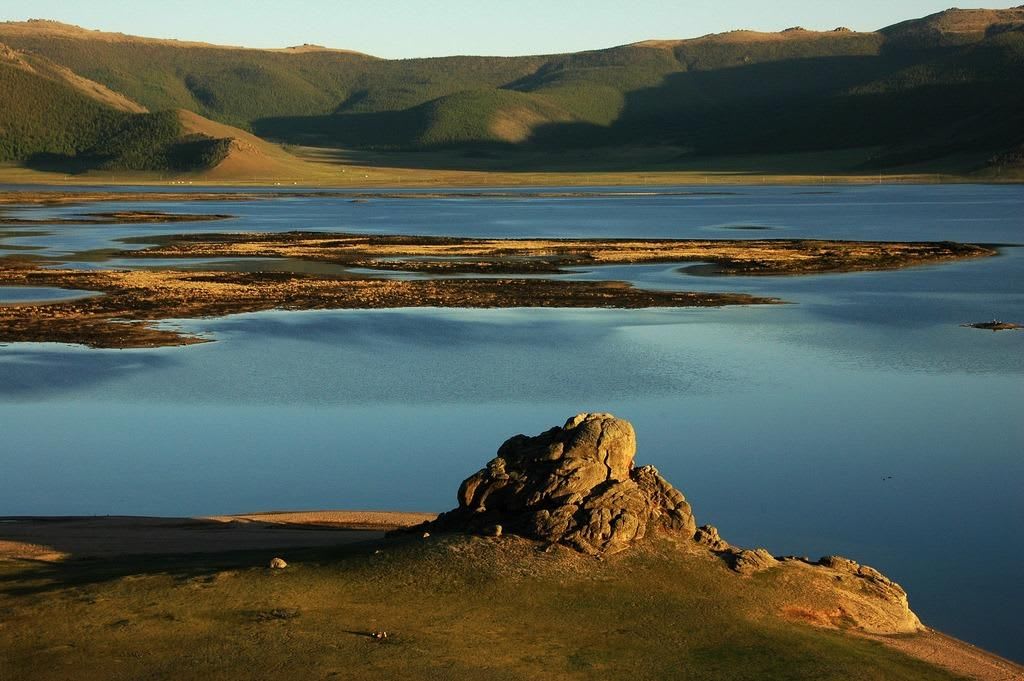
Mongolia, often called the “Land of the Eternal Blue Sky,” is a vast country with stunning landscapes, rich cultural traditions, and a unique nomadic heritage.
Amarbayasgalant Monastery
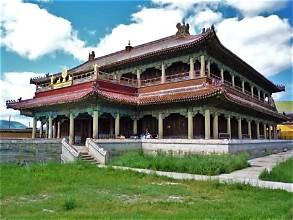
Amarbayasgalant Monastery, built between 1727 and 1737, is one of Mongolia's most significant Buddhist sites, dedicated to the revered sculptor Zanabazar. It is known for its architectural beauty and historical importance, serving as a center for Buddhist learning and practice. It reflects the Mongolian and Tibetan styles. It is the second most important monastery in Mongolia, following Erdene Zuu, and is dedicated to Maitreya, the main tutelary deity of Zanabazar, reflecting its deep spiritual roots.
Erdene Zuu Monastery
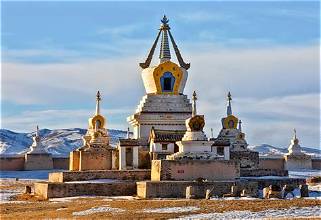
Erdene Zuu Monastery is the nation’s oldest Buddhist monastery. Near the historic city of Karakorum, it is also recognized as a UNESCO World Heritage Site. Founded in 1586, the monastery formerly had thousands of monks and hundreds of temples. The structures that remain are well-preserved and offer a look into the rich religious history of Mongolia. Visitors can view the ancient wall, temples, and stupas and witness Buddhist ceremonies.
Genghis Khan Statue Complex
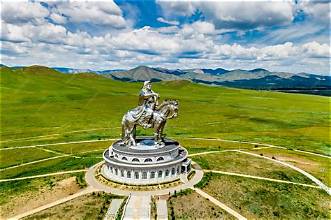
This complex is a massive monument honoring Genghis Khan, the most well-known historical figure in the nation. The 40-meter-tall figure, which represents Genghis Khan on horseback, is the biggest equestrian statue on the planet. For breathtaking views of the surroundings, visitors can ride the elevator to the top of the statue. Inside is a cultural center where guests may learn about Genghis Khan’s influence on world history and a museum featuring items from the Mongol Empire.
Gobi Desert
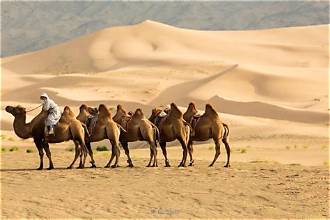
Among the largest deserts on Earth, the Gobi Desert is situated in southern Mongolia. The desert is known for its dramatic sand dunes featuring towering dunes, some reaching 300 meters high. It features a variety of terrains, including sand dunes, rocky mountains, and gravel plains, making it more than just a barren wasteland. It is also home to unique wildlife like Bactrian camels and snow leopards. Visitors can explore the desert by camel or by 4x4 vehicles and can camp out under the stars in traditional ger camps. Ger camps are traditional Mongolian accommodations that consist of circular tents known as gers, offering visitors an immersive experience of nomadic culture and hospitality.
Hustai National Park
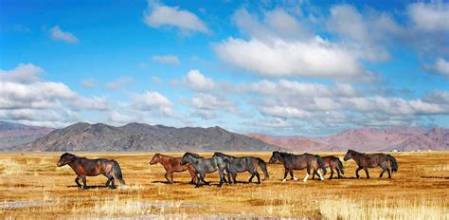
The Prezewalski horse, the last remaining wild horse species on Earth, can be found at Hustai National Park. These horses were reintroduced to their original environment at this park after going extinct in the wild. Wolves, marmots, and deer are among the other wildlife that call this place home. The undulating steppe, the mountains, and the rivers can be explored by visitors on guided tours.
Karakorum
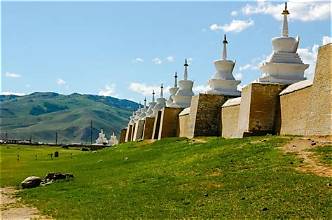
Established by Ogedei Khan, Karakorum, in central Mongolia, served as the capital of the Mongol Empire from 1235 to 1263. It was an important administrative hub and is today well-known for the neighboring Erdene Zuu Monastery and its historical remains. Karakoum’s historical significance is shown by the fact that its remains are included in the Orkhon Valley’s UNESCO World Heritage Site.
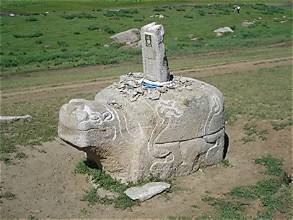
Among the highlights are the Turtle Rocks, which are ancient stone carvings once marking the boundaries of the city.
Orkhon Valley
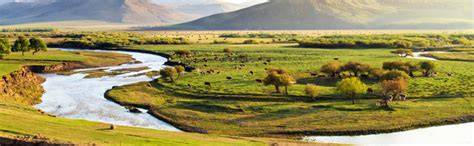
A UNESCO World Heritage Site, Orkhon Valley was once the center of the Mongol Empire. The valley includes ancient monuments, among the ruins of Karkorum and some burial mounds. Flowing through the valley is the Orkhon River. Common animals include various birds, marmots, and domesticated animals like yaks and horses, which are integral to the local nomadic culture. Visitors can enjoy hiking and horseback riding.
Terkhiin Tsagaan Lake
Terkhiin Tsagaan Lake, also known as the Great White Lake, is a stunning freshwater lake located in central Mongolia's Arkhangai Province. It is surrounded by picturesque landscapes, including grassy steppes and dense pine forests. The lake was created when volcanic eruptions blocked river flows, forming a natural dam. Visitors to the area enjoy hiking, horse riding, and fishing as well as relaxing on the tranquil shores. The surrounding area is home to nomadic herders. (pictured above)
About the Creator
Rasma Raisters
My passions are writing and creating poetry. I write for several sites online and have four themed blogs on Wordpress. Please follow me on Twitter.
Enjoyed the story? Support the Creator.
Subscribe for free to receive all their stories in your feed. You could also become a paid subscriber, letting them know you appreciate their work.
Comments
There are no comments for this story
Be the first to respond and start the conversation.