

BOH Tea Plantation
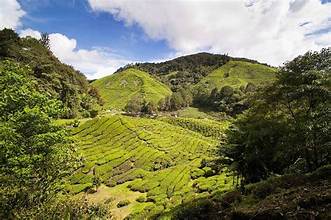
BOH Tea Plantation, located in the Cameron Highlands, is the largest tea plantation in the country and a significant producer of black tea in Southeast Asia. Established in 1929, it spans over 1,200 hectares and is renowned for its scenic landscapes and high-quality tea production. BOH is the largest black tea manufacturer in Malaysia, distributing both domestically and internationally.
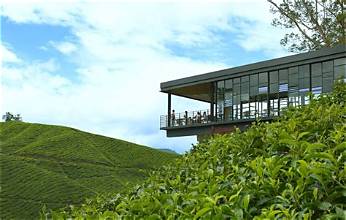
The Sungei Palas Tea Garden within the plantation has incredible views over the plantations from the balcony and terrace.
Batu Caves
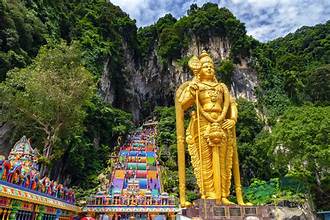
The Batu Caves were built into limestone mountains and named after the Batu River. These caves are an important pilgrimage site for Hindus. At the foot of the steps that lead into these caves, there is a 140-foot-high golden statue. Visitors can see the temple within the caves. It is an amazingly carved temple that has been decorated with bright reds and greens and plenty of gold. This limestone hill features a series of caves and cave temples, making it a significant site for Hindu worship, particularly for Tamil Hindus. Visitors can reach Batu Caves via a short train ride from Kuala Lumpur, making it easily accessible.
Cheong Fatt Tze Mansion
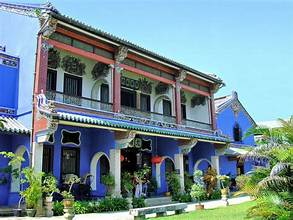
The Cheong Fatt Tze Mansion, also known as the Blue Mansion, is a UNESCO World Heritage Site in George Town, Penang, Malaysia. Built in the late 19th century, it showcases unique architectural styles and serves as a museum reflecting the life of its founder, Cheong Fatt Tze. The mansion was constructed in the late 1800s and is a symbol of the cultural heritage of Penang. Daily guided and self-guided tours are available, allowing visitors to explore its intricate design and historical context.
KL Tower
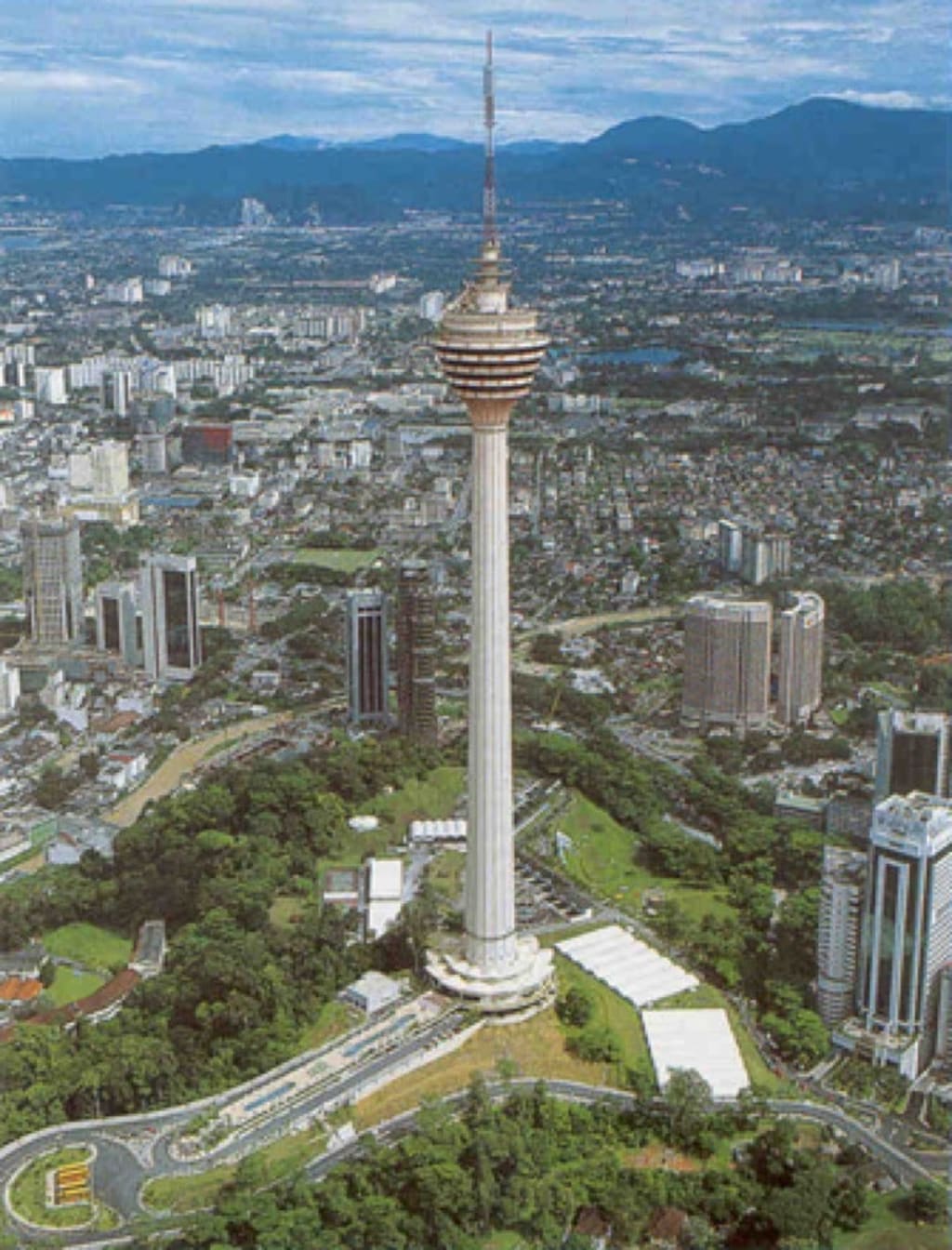
Kuala Lumpur Tower, also known as Menara Kuala Lumpur, is a prominent telecommunications and observation tower that was completed in 1996. Standing at 421 meters, it was the tallest structure in Malaysia until the Petronas Twin Towers. surpassed it in 1999. The Sky Deck, located at 300 meters, offers stunning views of the city. The tower features dining options and educational exhibits, enhancing the visitor experience. (pictured above)
Kuala Lumpur Rainforest
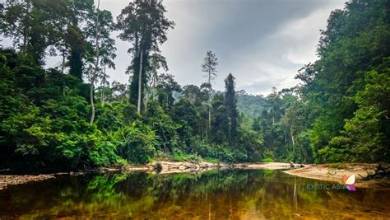
Much of the country of Malaysia was once covered by rainforest and jungle. Today the capital is a modern metropolis. Its rainforest history is reflected by the Kuala Lumpur Forest Eco Park. Visitors can stroll through the foliage and trees, taking nature walks. The adventurers can go upward and take a 200-meter-high canopy walk through the treetops. The park includes a campsite and a wooden gazebo.
Langkawi Sky Bridge
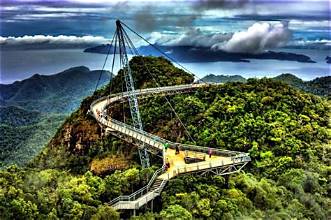
The Langkawi Sky Bridge is a 125-meter-long curved pedestrian bridge situated at an altitude of 700 meters, offering stunning views of the surrounding landscape and the Andaman Sea. It is renowned for its unique design and engineering, making it one of the longest curved suspension bridges in the world. Visitors can reach the bridge via the Langkawi Cable Car, which ascends the slopes of Gunung Machinchang.
Melaka Sultinate Palace
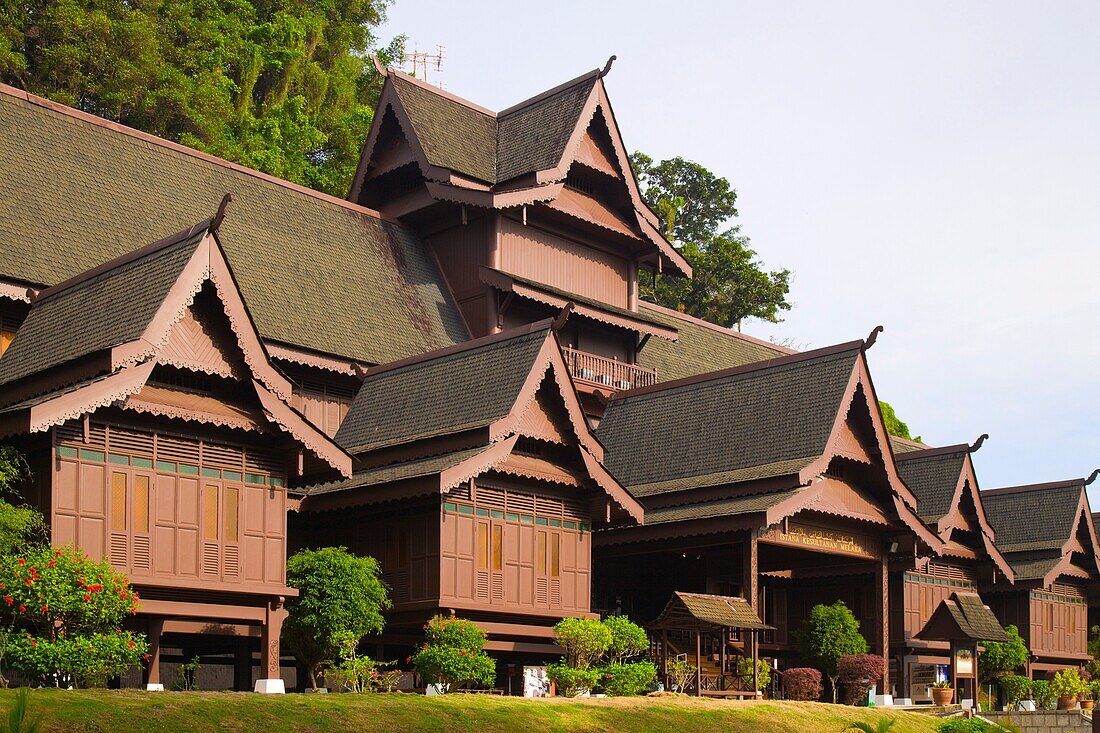
The Melaka Sultanate Palace is a wooden replica of the original 15th-century palace, showcasing the rich history and culture of the Malacca Sultanate. Built between 1984 and 1986, it features traditional Malay architecture and serves as a museum displaying artifacts from the era. The museum houses over 1,300 artifacts across eight chambers, illustrating royal life and the sultanate's maritime significance. A UNESCO World Heritage Site, Melaka, along with George Town, was inscribed under the category of “Historic Cities of the Straits of Malacca” in 2008.
Petronas Twin Towers
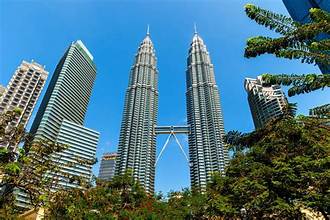
Situated in Kuala Lumpur, the Petronas Twin Towers are the tallest twin towers in the world. They were designed by Cesar Pelli. The design of the towers reflects the Islamic principles of unity, harmony, stability, and rationality. Each floor has been designed to replicate simple Islamic geometric forms of an eight-point star made from two overlaid squares. A sky bridge connects the two towers, and an observation deck is found on the 86th floor of each Petronas Tower.
Thean Hou Temple
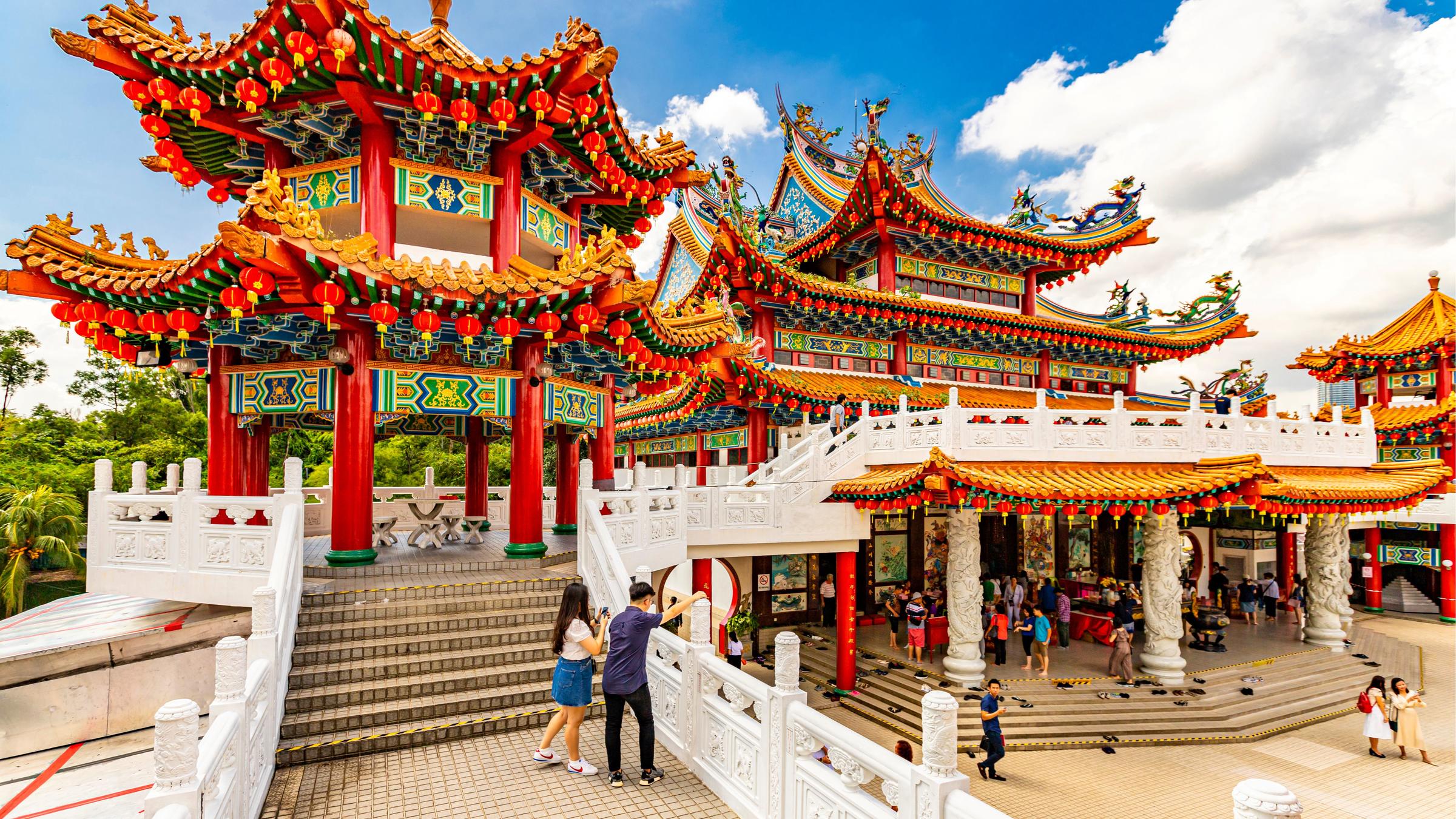
Thean Hou Temple is a prominent six-tiered Chinese temple located in Kuala Lumpur and is dedicated to the sea goddess Mazu. Completed in 1987, it is one of the largest temples of its kind in Southeast Asia, showcasing a blend of Buddhist, Taoist, and Confucian architectural styles. It was established by the Hainanese community, reflecting their reverence for Mazu, the protector of fishermen. The temple is a popular tourist destination, especially during festivals like the Chinese New Year.
The temple sits atop intricately carved white pillars and two towers in colors of red, green, and gold on either side of the main chambers. The temple houses a sacred Bodhi tree. On the grounds surrounding the temple you’ll find a Chinese medicinal herb garden and a pond with tortoises.
About the Creator
Rasma Raisters
My passions are writing and creating poetry. I write for several sites online and have four themed blogs on Wordpress. Please follow me on Twitter.
Enjoyed the story? Support the Creator.
Subscribe for free to receive all their stories in your feed. You could also become a paid subscriber, letting them know you appreciate their work.
Comments
There are no comments for this story
Be the first to respond and start the conversation.