

Lebanon, officially the Lebanese Republic, is located in the Middle East, bordered by the Mediterranean Sea to the west, Syria to the north and east, and Israel to the south.
Anjar
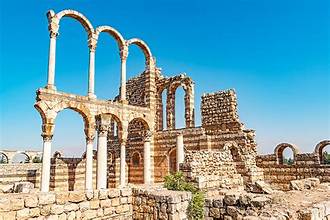
A UNESCO World Heritage Site, Anjar dates back to the Umayyad Period in the 8th century. The ancient city ruins are situated in the Beqaa Valey. They reflect Islamic architecture, and the layout includes palaces, mosques, and homes.
Baalbek
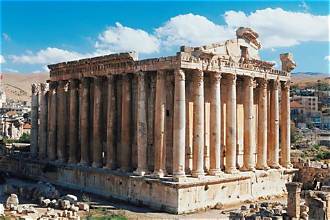
A UNESCO World Heritage Site, Ballbek is among the most significant Roman archaeological sites in the world. It is situated in the Begaa Valley and at one time was known as the Heliopolis of the “City of the Sun.” Here visitors can see grand temples, among them the Temple of Jupiter, the Temple of Bacchus, and the Temple of Venus. Baalbek hosts an annual music festival, attracting visitors to its historical backdrop.
Beiteddine Palace
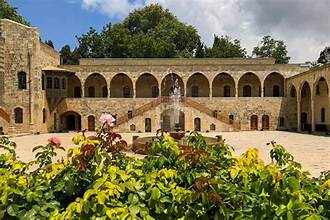
Beiteddine Palace is an 18th-century architectural masterpiece built by Emir Bashir Shihab II. It serves as a significant cultural symbol and hosts various events, including the annual Beiteddine Festival. The palace sits with a stunning backdrop of the Chouf Mountains. The palace showcases a blend of Ottoman and Lebanese architectural elements, making it a unique cultural landmark. The palace is surrounded by lovely landscaped gardens.
Byblos
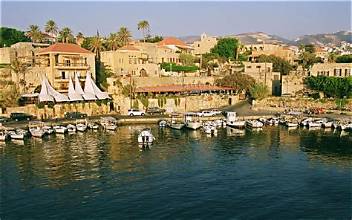
Also referred to as Jebell, Byblos is one of the oldest continuously inhabited cities in the world and a UNESCO World Heritage Site. It has been inhabited by many different civilizations, among them the Phoenicians, Romans, and Crusaders. Visitors enjoy exploring the ancient port, the Phoenician temples, the Roman amphitheater, and the Crusader castle. There are also modern souks and seaside cafes to enjoy.
The Cedars of God
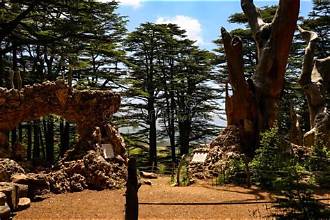
The Cedars of God, located in the Bsharri district of Lebanon, is a UNESCO World Heritage Site known for its ancient cedar trees, specifically the Cedrus libani species. This grove, which contains around 400 trees, is a remnant of the extensive cedar forests that once thrived in the region. The grove is a remnant of ancient cedar forests that were once widespread across Mount Lebanon.
Harissa and Our Lady of Lebanon
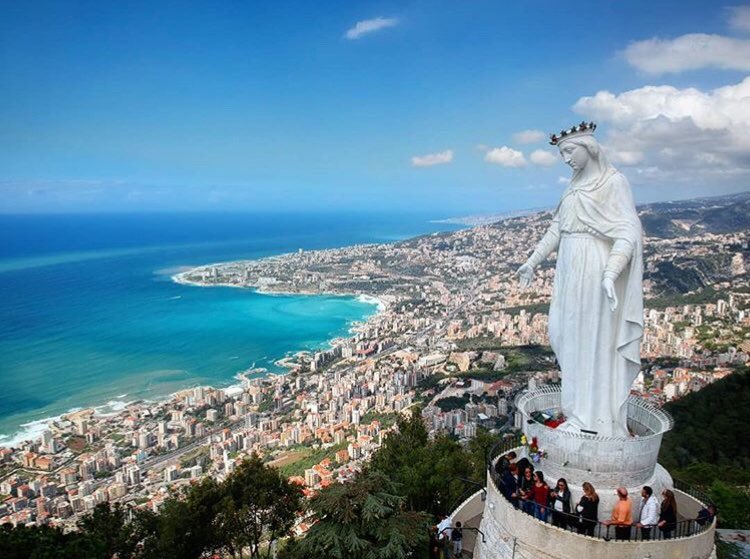
Located in the hills that overlook the Mediterranean Ocean, Harissa is home to the statue of Our Lady of Lebanon. This is a pilgrimage site for Catholics.
Our Lady of Lebanon is a prominent Marian shrine featuring a 15-ton bronze statue that overlooks the Bay of Jounieh. It attracts visitors for its spiritual and cultural importance. Each first Sunday of May, the Feast of Our Lady of Lebanon draws thousands of pilgrims for open-air Masses.
Jeita Grotto
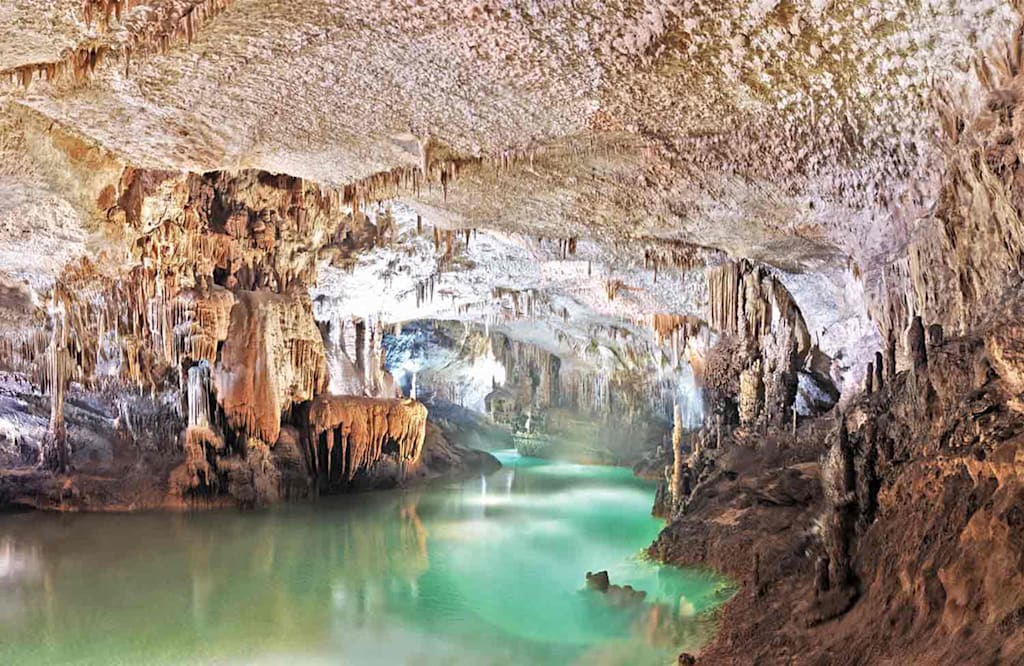
An amazing limestone cave system, Jeita Grotto is situated north of Beirut. The cave system is known for its stalacites and stalagmites. The grotto is divided into two levels. The upper cave can be explored on foot, and the lower cave by boats along an underground river. It features two interconnected caves that stretch over 9 kilometers, showcasing remarkable geological formations and underground rivers. Jeita Grotto is recognized as a national symbol of Lebanon. (pictured above)
National Museum of Beirut
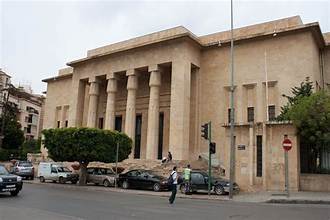
The National Museum of Beirut is Lebanon's principal archaeological museum, showcasing a vast collection of artifacts that span thousands of years, including Phoenician and Roman relics. Opened in 1942, it serves as a key institution for understanding Lebanon's rich history and cultural heritage. The museum displays Roman statues, medieval weapons, jewelry, and a lot more. It houses over 100,000 historical pieces, including ancient artifacts and mosaics.
Raouche Rocks
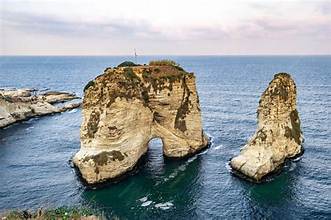
Also referred to as Pigeon Rocks, Raouche Rocks are one of the most famous natural landmarks in Beirut. These iconic rock formations rise from the Mediterranean Sea and create an amazing seascape. There are restaurants and cafes from which visitors can enjoy the view.
Siddon Sea Castle
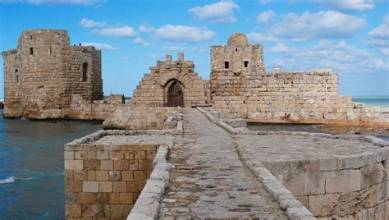
Sidon Sea Castle, built by the Crusaders in 1228, is a historic fortress located on a small island off the coast of Sidon. It was constructed to defend the city's harbor and showcases a blend of Phoenician and Crusader architecture. The castle incorporates Roman columns and sandstone walls, reflecting its long history. Visitors can explore its stone walls, towers, and courtyards while enjoying stunning views of the Mediterranean Sea.
About the Creator
Rasma Raisters
My passions are writing and creating poetry. I write for several sites online and have four themed blogs on Wordpress. Please follow me on Twitter.
Enjoyed the story? Support the Creator.
Subscribe for free to receive all their stories in your feed. You could also become a paid subscriber, letting them know you appreciate their work.
Comments
There are no comments for this story
Be the first to respond and start the conversation.