

Officially the Lao People's Democratic Republic (LPDR), Laos is a country in Mainland Southeast Asia and the only landlocked country in Southeast Asia.
Buddah Park
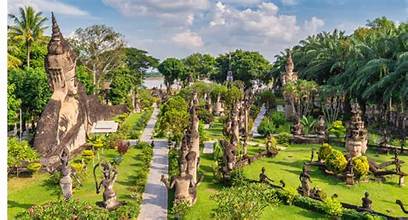
Buddha Park, also known as Wat Xieng Khouane, is a unique sculpture garden located near Vientiane. The park was created in 1958 by a monk named Bunleua Sulilat. It features over 200 statues that blend elements of Hinduism and Buddhism, making it a fascinating cultural and artistic site It contains over 200 statues, showcasing a mix of Hindu and Buddhist figures, crafted from reinforced concrete.
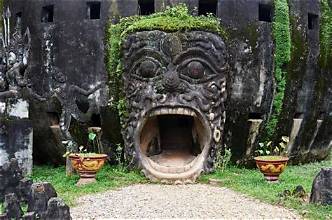
There are also detailed sculptures of demons, like the “Demon’s Mouth,” which visitors can enter.
First Thai-Lao Friendship Bridge
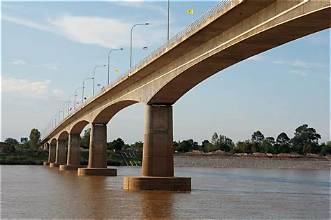
The most famous bridge in Laos is the First Thai-Lao Friendship Bridge, which connects Nong Khai in Thailand to Vientiane, the capital of Laos, and spans the Mekong RIver. This bridge has significant historical and political importance, serving as a primary land link between the two countries for decades. It symbolizes the friendship and cooperation between Thailand and Laos, facilitating trade and travel. The bridge features two traffic lanes and a railway line, facilitating both vehicle and pedestrian movement.
Kuang Si Falls
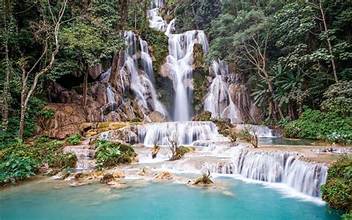
Kuang Si Falls, located about 29 kilometers south of Luang Prabang, is a stunning multi-tiered waterfall known for its turquoise waters and beautiful natural pools. The falls are renowned for their milky turquoise waters and multiple cascading pools. It is a popular destination for hiking, swimming, and enjoying the scenic beauty of the surrounding area.
Patuxai
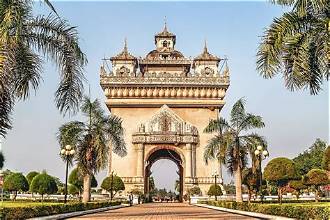
Patuxai, also known as the Victory Gate, is a prominent monument in Vientiane, symbolizing the country's struggle for independence. Built between 1957 and 1968, it combines French architectural styles with Lao cultural motifs, serving as a memorial to those who fought against colonial rule. Built from 1957 to 1968, it commemorates those who died fighting for Laos' independence. The monument features a blend of French and Lao architectural styles, resembling the Arc de Triomphe.
Pha That Luang
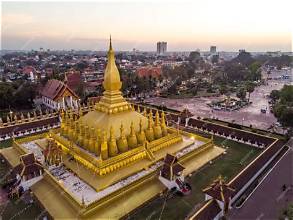
Pha That Luang, located in Vientiane, is a significant Buddhist stupa and a national symbol of Laos, representing the country's cultural heritage and religious identity. This gold-covered structure is not only a sacred site but also appears on Laotian currency and the national emblem, highlighting its importance in Laotian society. It was constructed in the 16th century and is considered the holiest Buddhist site in Laos. The stupa stands 45 meters tall and is surrounded by 30 smaller stupas, showcasing traditional Laotian architecture.
Plain of Jars
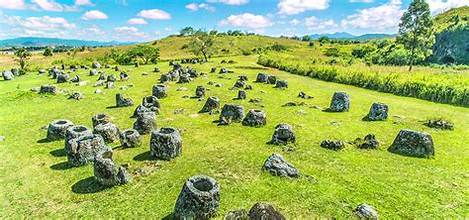
The Plain of Jars in Laos is a significant archaeological site featuring thousands of large stone jars scattered across the landscape, primarily in the Xieng Khouang province. These jars, believed to date back to the Iron Age, are thought to be associated with ancient burial practices, although their exact purpose remains a mystery. It is considered one of the most important prehistoric sites in Southeast Asia, with artifacts dating back over 2,000 years. The jars are believed to be linked to ancient burial rituals, serving as containers for human remains.
Royal Palace Museum
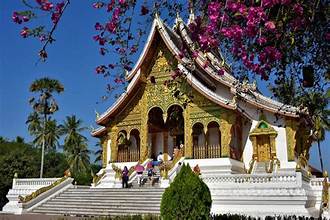
The Royal Palace Museum, also known as the National Museum, is located in Luang Prabang and was formerly the residence of the Laotian royal family. The museum is strategically situated between Phou Si Hill and the Mekong River. It showcases a rich collection of artifacts and exhibits that reflect the history and culture of Laos. The museum was established in 1975 after the monarchy was overthrown, converting the former royal residence into a public museum. It features a blend of traditional Lao and French Beaux-Arts architectural styles, creating a unique aesthetic.
That Dam
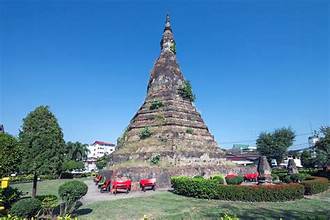
That dam, also known as the Black Stupa, is a significant historical monument located in Vientiane. This ancient stupa, though in a state of disrepair, is revered by locals and serves as an important cultural symbol of the city. It reflects the spiritual beliefs and folklore of the Lao people, making it a vital cultural landmark.
Wat Phou
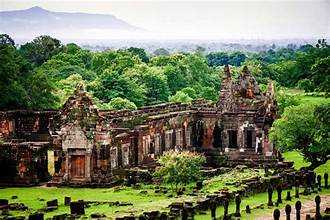
The “spirit city," Wat Phou, is located at the base of Mount Phou Kao. It is recognized as a UNESCO World Heritage Site. The location dates back to the 5th century, and the majority of the current temples honoring the Hindu deity Shiva were constructed during the 11th and 13th centuries. Beautiful Buddhist monuments, artwork, and architecture may be found at the location.
Wat Xieng Thong
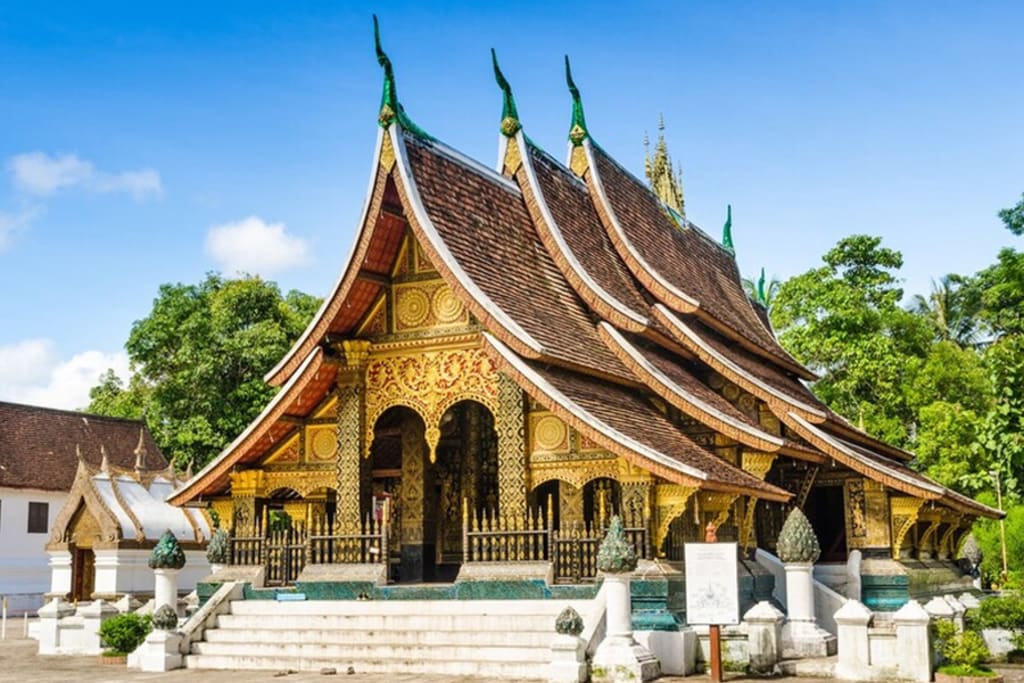
Wat Xieng Thong was constructed in the 1500s and located in Luang Prabang, a UNESCO World Heritage Site. The temple is called the “Temple of the Golden City” and is renowned for its vibrant mosaics and intricate artwork. The golden entrance is stunning, and the main hall features elaborate embellishments. Located along the Mekong River, the temple serves as a cultural and religious hub, It is an essential component of Lao identity since it represents the creative legacy of the former Kingdom of Lane Xang (pictured above)
About the Creator
Rasma Raisters
My passions are writing and creating poetry. I write for several sites online and have four themed blogs on Wordpress. Please follow me on Twitter.
Enjoyed the story? Support the Creator.
Subscribe for free to receive all their stories in your feed. You could also become a paid subscriber, letting them know you appreciate their work.
Comments
There are no comments for this story
Be the first to respond and start the conversation.