

Ajloun Castle
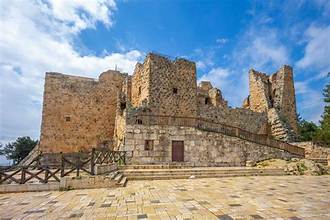
Ajloun Castle is situated north-west of Amman at the head of the Jordan Valley. It was built in 1184, is a significant historical fortress, constructed under the rule of Saladin to defend against Crusader invasions, and showcases remarkable Islamic military architecture. The castle exemplifies Islamic military architecture, featuring four towers and panoramic views of the surrounding landscape.
Bethany Beyond the Jordan
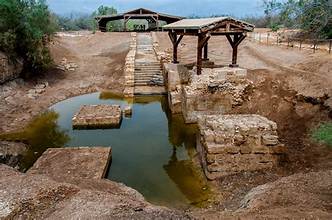
Bethany Beyond the Jordan is recognized as the site where Jesus was baptized by John the Baptist. This area is significant for Christian pilgrimage and is distinct from the Bethany near Jerusalem, known for its association with Mary, Martha, and Lazarus. The site has archaeological evidence dating back to the 1st century CE, highlighting its long-standing importance in Christian history.
The site is situated on the eastern bank of the River Jordan and is a UNESCO World Heritage Site. There are both Roman and Byzantine-era remains.
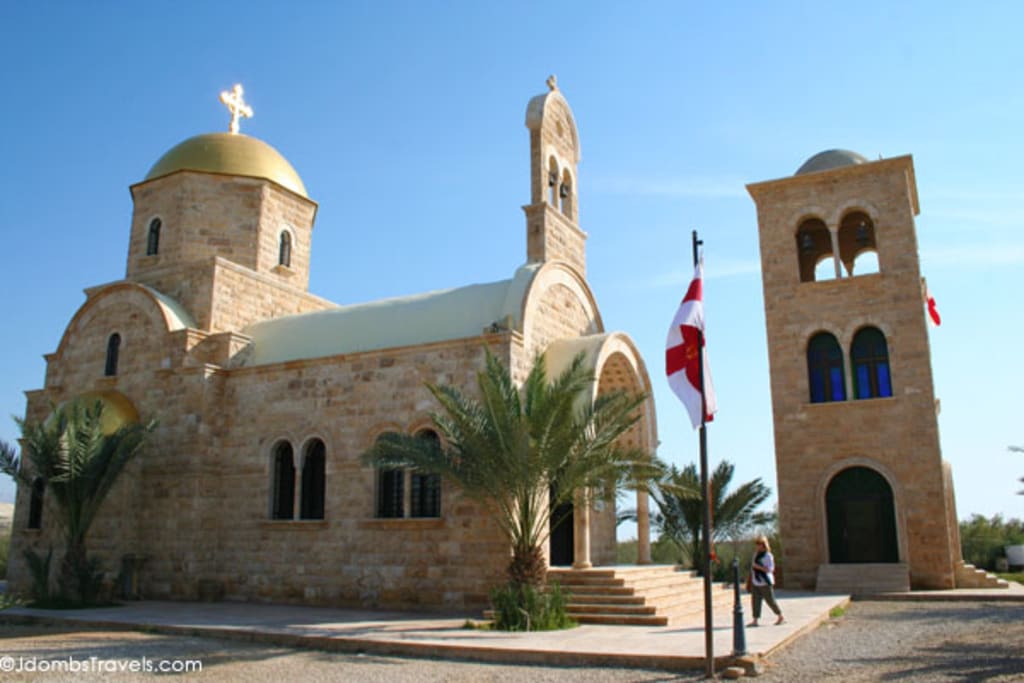
Among the highlights are the remains of the Church of St. John the Baptist. (pictured above)
Dead Sea
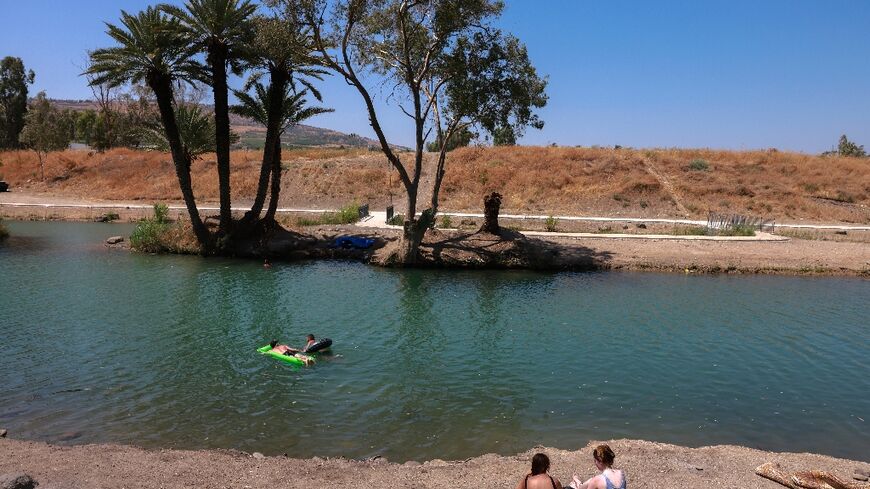
The Dead Sea, located between Jordan and Israel, is the lowest point on Earth at 423 meters below sea level. Known for its high salinity, it allows people to float effortlessly and is famous for its therapeutic mud and mineral-rich waters. This is a hypersaline landlocked lake that is fed by the River Jordan. Its salinity is about 10 times higher than most oceanic bodies, making it impossible for aquatic life to thrive.
Desert Castles
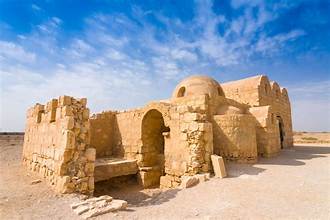
The desert castles of Jordan, known as qasrs, are a collection of historic structures built during the Umayyad period, primarily in the 7th and 8th centuries. These castles served various purposes, including as hunting lodges, caravanserais, and retreats, showcasing early Islamic architecture and art. Qusayr Amra is the most famous, known for its well-preserved frescoes.
Jerash
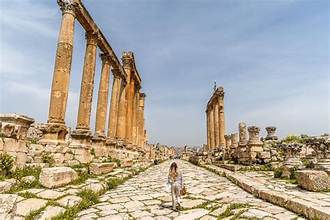
Jerash is an ancient city renowned for its well-preserved Roman ruins, including temples, theaters, and colonnaded streets. It is one of the most visited archaeological sites in the country. The settlement dates back to the early Stone Age.
Among the highlights here are
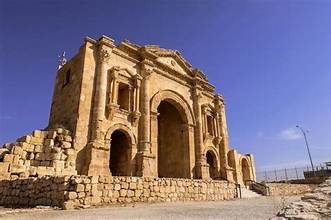
Hadian’s Triumphal Arch
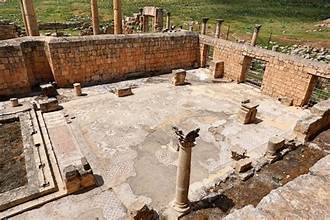
Church of Bishop Marianos
The city hosts the Jerash Festival, a prominent cultural event that draws tens of thousands of visitors annually.
Kerak
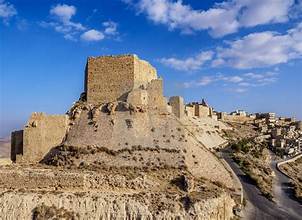
Kerak, a city in Jordan, is renowned for its medieval Kerak Castle, a significant Crusader fortress built in the 12th century. The city is rich in history and culture, showcasing a blend of various influences over the centuries, making it a fascinating destination for visitors.
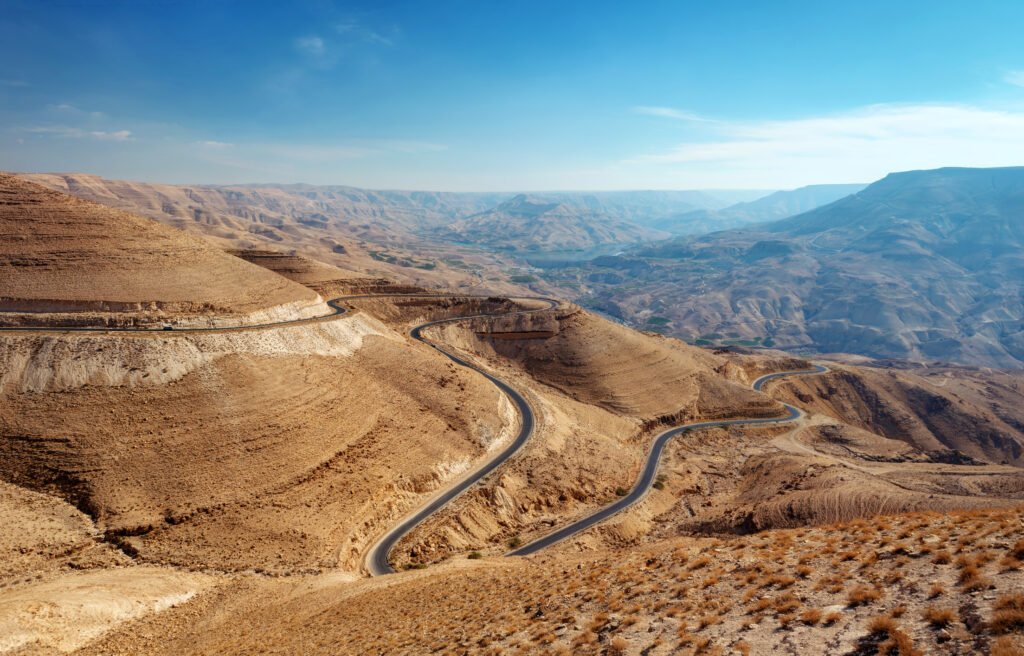
It is situated along the ancient King's Highway; Kerak has historically been a vital trade route.
Petra
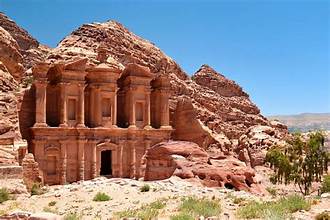
Also referred to as the “Red Rose” city, Petra is one of the wonders of the ancient world. You can venture to see it along the winding, narrow Siq Canyon. It was the capital of the Nabatean Kingdom and fell under the control of the Roman Empire at the beginning of the 2nd century. Petra was designated a UNESCO World Heritage Site in 1985, highlighting its global cultural significance. It is fascinating to explore the temples, tombs, and public buildings remaining at the site.
Umm Qais
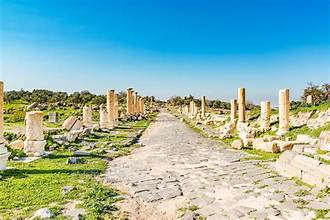
Umm Qais, known as Gadara in ancient times, is a significant archaeological site in northern Jordan, famous for its Greco-Roman ruins and stunning views of the surrounding landscape. It offers insights into the region's rich history and cultural heritage, attracting visitors interested in ancient civilizations and natural beauty.
Located on a plateau, it offers breathtaking views of the Jordan Valley, Tiberius Lake, and the Golan Heights. Lake Tiberias is another name for the Sea of Galilee, which is located in northern Israel and is a significant geographical feature in the region.
Wadi Rum
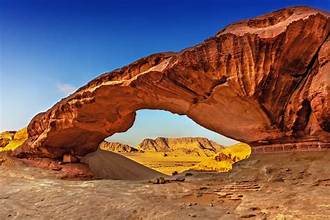
Wadi Rum is renowned for its stunning desert landscapes, including vast sand dunes and unique rock formations. It holds the title of the largest wadi in Jordan and is celebrated for its breathtaking sunsets, making it a popular destination for tourists and adventurers alike. The area features dramatic sandstone mountains, vast sand dunes, and unique rock formations, creating a striking desert environment. The region is home to Bedouin tribes, who offer traditional experiences and insights into their culture for visitors. It was designated a UNESCO World Heritage Site in 2011.
About the Creator
Rasma Raisters
My passions are writing and creating poetry. I write for several sites online and have four themed blogs on Wordpress. Please follow me on Twitter.
Enjoyed the story? Support the Creator.
Subscribe for free to receive all their stories in your feed. You could also become a paid subscriber, letting them know you appreciate their work.
Comments
There are no comments for this story
Be the first to respond and start the conversation.