

Arashiyama Bamboo Forest
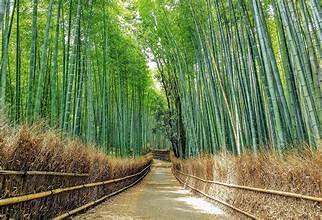
The Arashiyama Bamboo Forest is located close to the foot of the Arashiyama Mountians on Kyoto’s western periphery. A walkway that winds for many hundred meters is lined with towering stalks of moso bamboo. Before visitors gather, the woodlands are quietest in the early mornings, and you can hear the sounds of the stalks groaning and swinging about you as you walk along.
Itsukushima Shrine
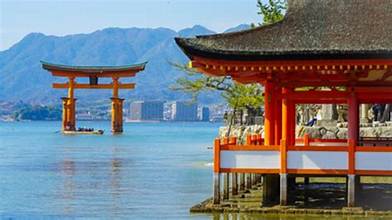
Itsukushima Shrine, located on Miyajima Island, is renowned for its iconic "floating" torii gate and is a UNESCO World Heritage Site. The shrine, which dates back to the 6th century, is a significant cultural and religious site, attracting numerous visitors each year. Originally established in the 6th century, it has been rebuilt several times, notably by Taira no Kiyomori in the late Heian period.
Kinkaku-Ji Temple
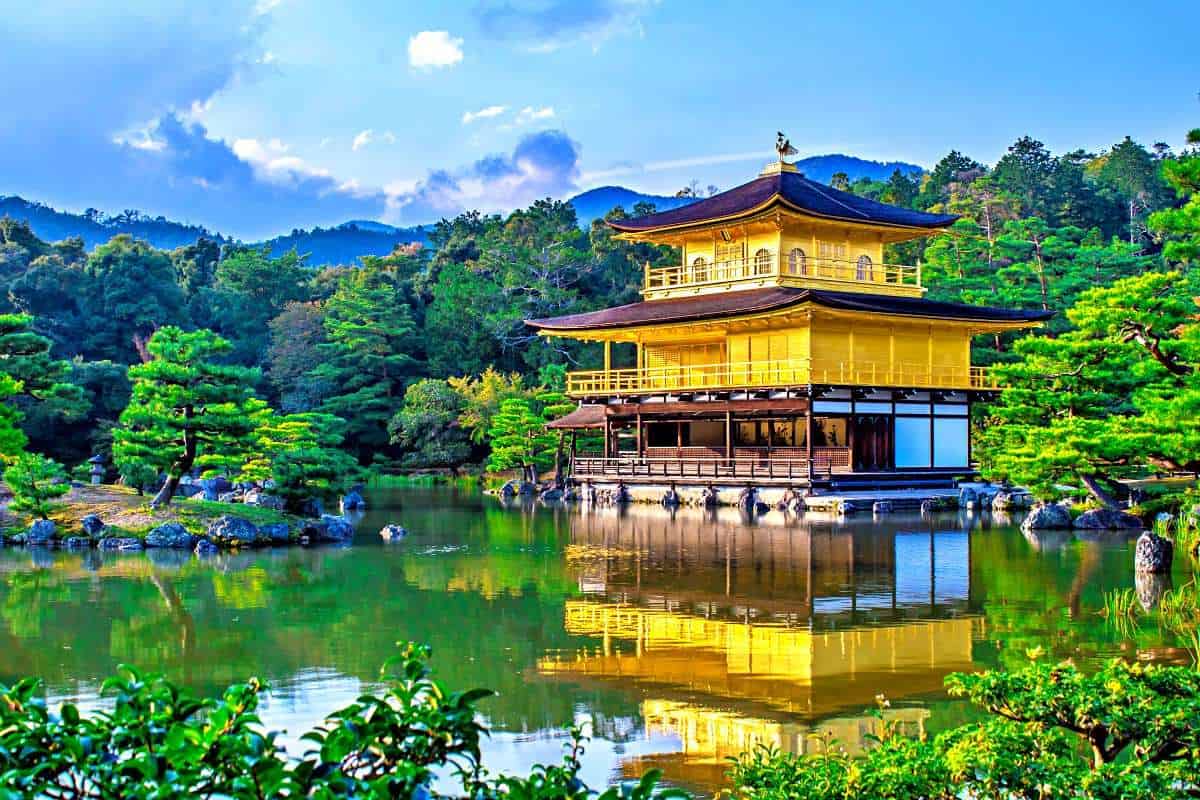
Kinkaku-Ji is a Zen Buddhist temple in northern Kyoto. It was first constructed in 1397 as a retirement home for Shogun Ashikaga Yoshimitsu. Rokouon-ji is its official name. The estate was transformed into a temple by Yoshimitsu’s son upon his death in 1408. The Temple of the Golden Pavilion gets its name from the gold leaf covering the upper two floors.
The Anmintaku Pond, lucky stone statues, and the Sekkatei Teahouse outside the exit are also part of the grounds.
Mount Fuji
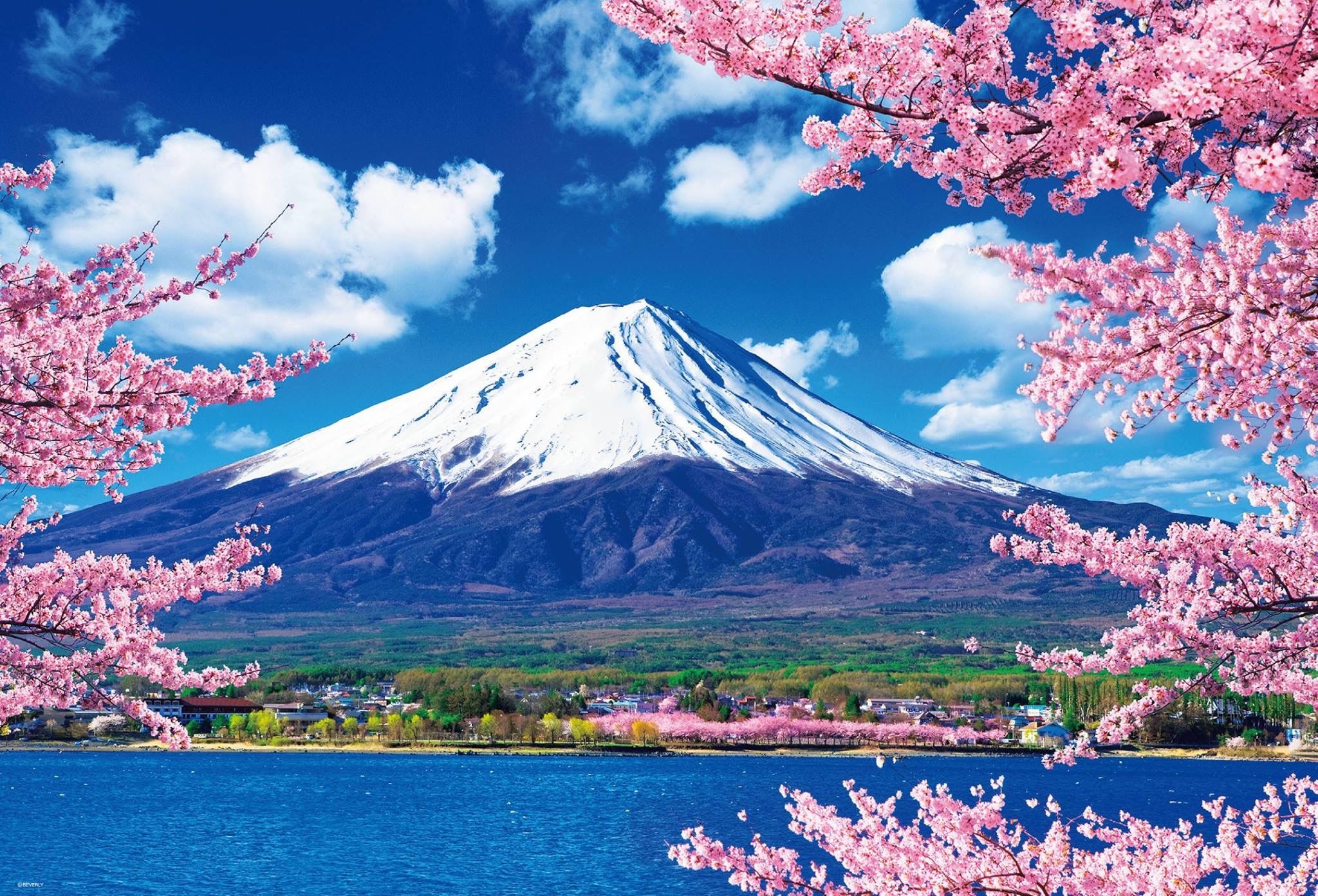
Mount Fuji is the tallest peak in Japan. The volcano is categorized as active but dormant, having last erupted in 1707. In 2013, it was designated as a UNESCO World Heritage Site. Along with Mount Tate and Mount Haku, Mount Fuji is one of Japan’s three sacred mountains and is revered in the Shinto religion.
July and August are the official climbing season. Usually the climb takes five to ten hours. The mountain is situated in Fuji-Hakone-Izu National Park, which is home to the Hakone hot springs and the Fuji Five Lakes. Lakeside walks and cable car trips provide breathtaking views.
Nijo Castle
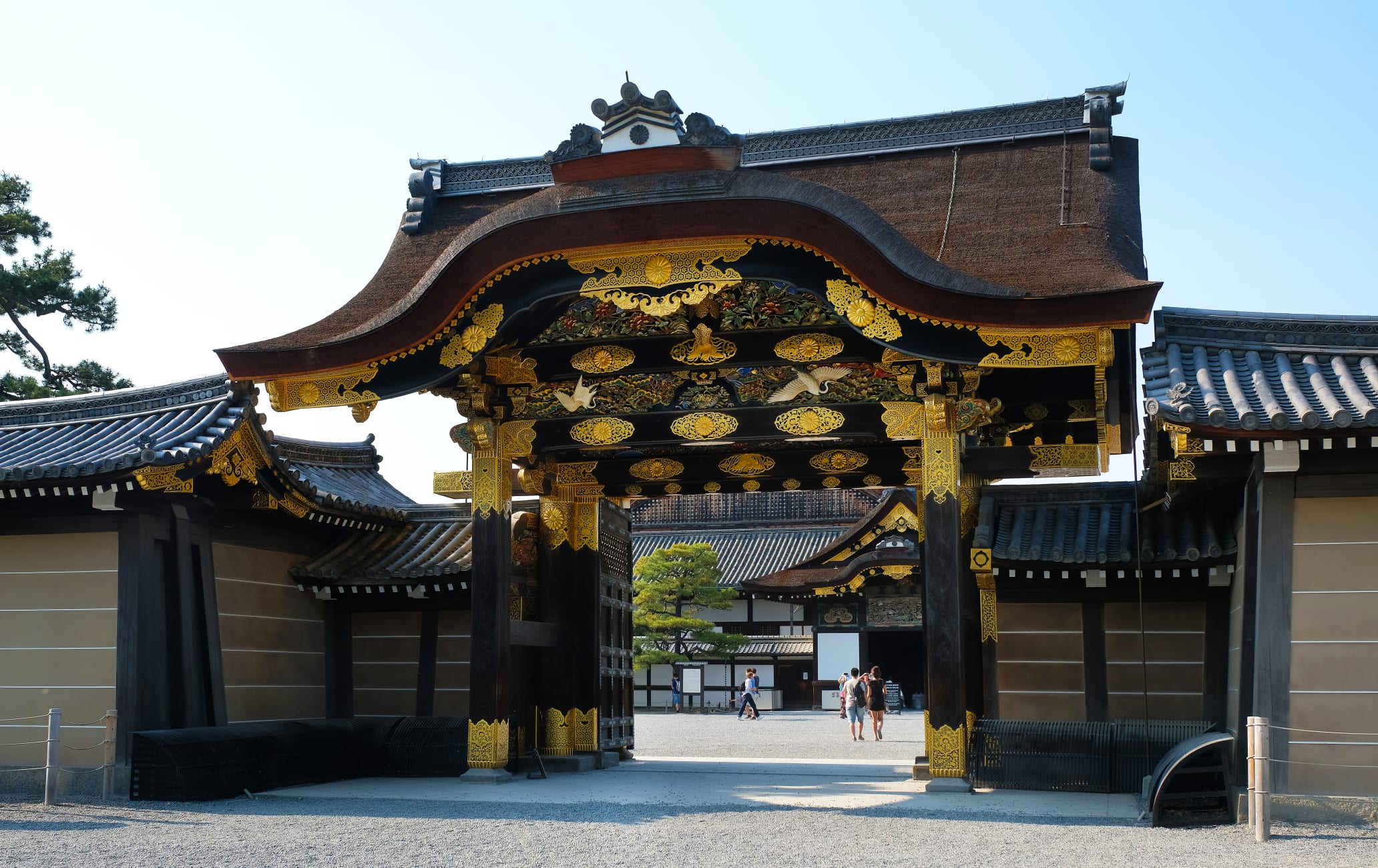
The castle was constructed by Tokugawa Ieyasu in 1630 and was the shogun's home in Kyoto. In 1994 it was designated a UNESCO World Heritage Site.
The castle is known for its “nightingale floors," which chirp beneath feet as a safety precaution. Tigers, leopards, and pine trees are shown in gold-leaf paintings. The loveliest time to visit is with plum blossoms in February and with cherry blossoms in late March.
Tenryu-Ji Temple
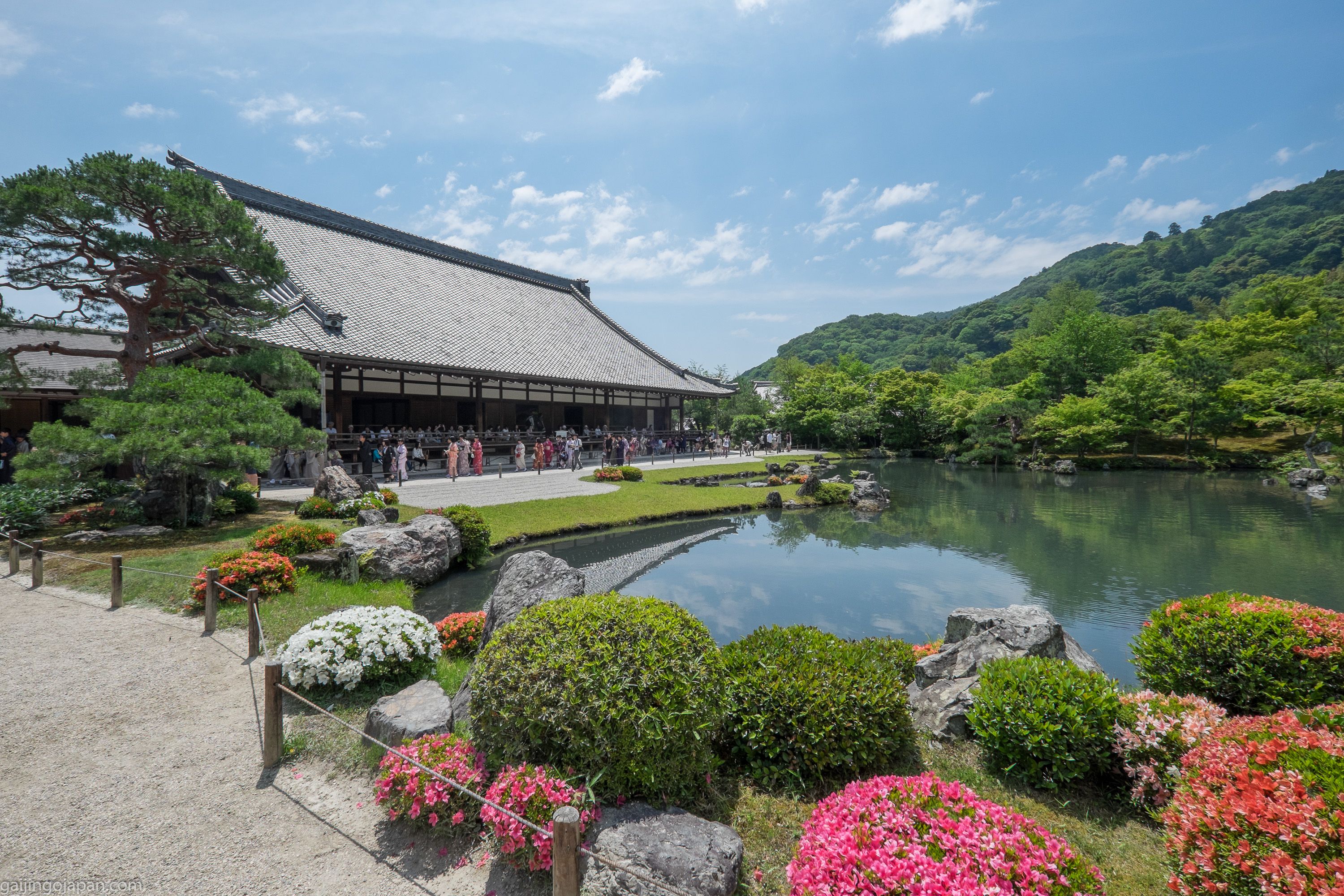
This temple is the most prestigious of Kyoto’s five major Zen temples and was established in 1339. It was constructed in honor of Emperor Go-Diago by Shogun Ashikaga Takauji. As one of the Historic Monuments of Ancient Kyoto, the temple was designated as a UNESCO World Heritage Site in 1994. It is situated at the westernmost point of the Arashiyama Bamboo Forest.
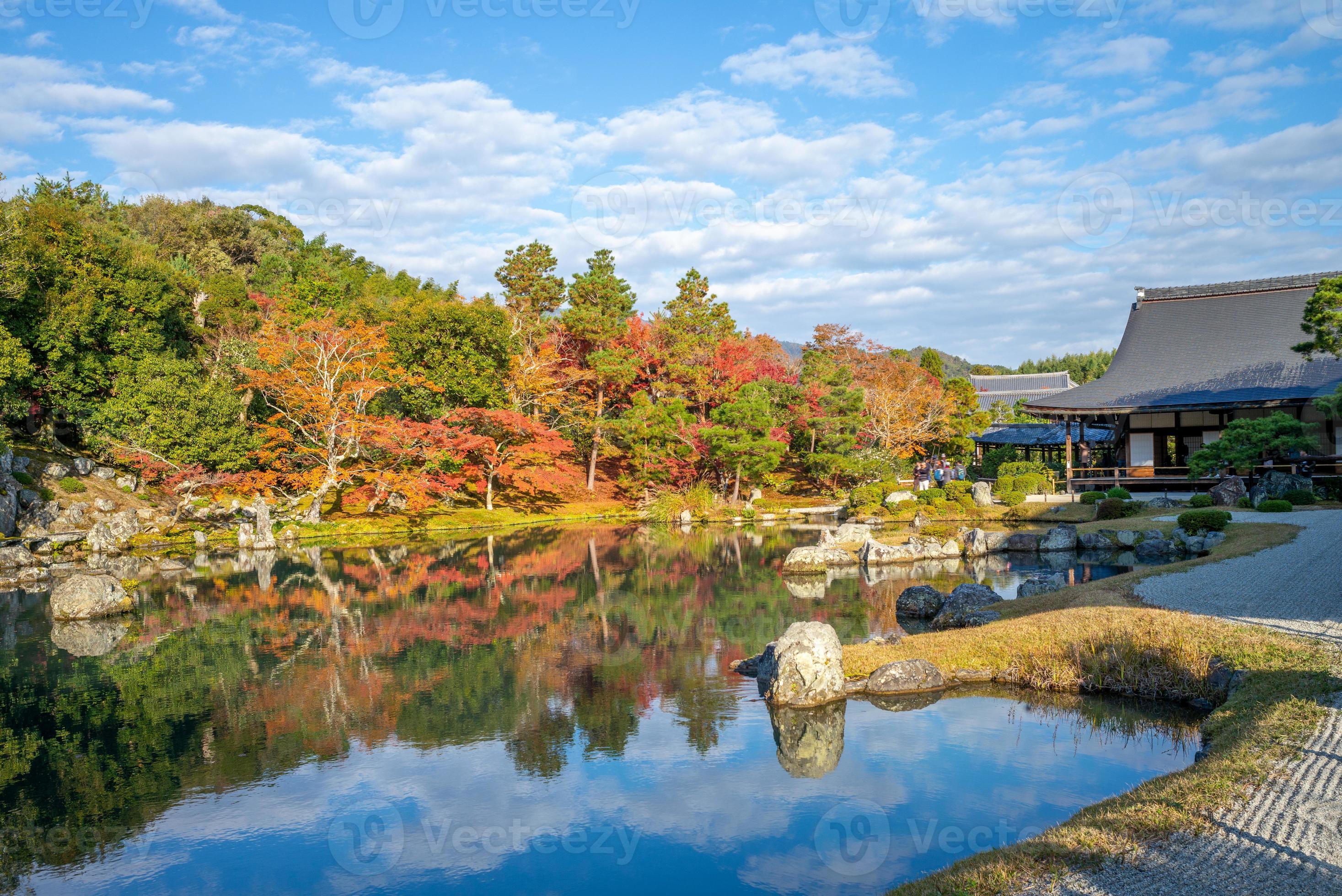
The highlight here is the Sogenchi Teien landscaped garden created by the monk Muso Soseki. The Arashiyama Mountains provided a lovely backdrop for the garden’s central pond.
Todai-Ji Temple
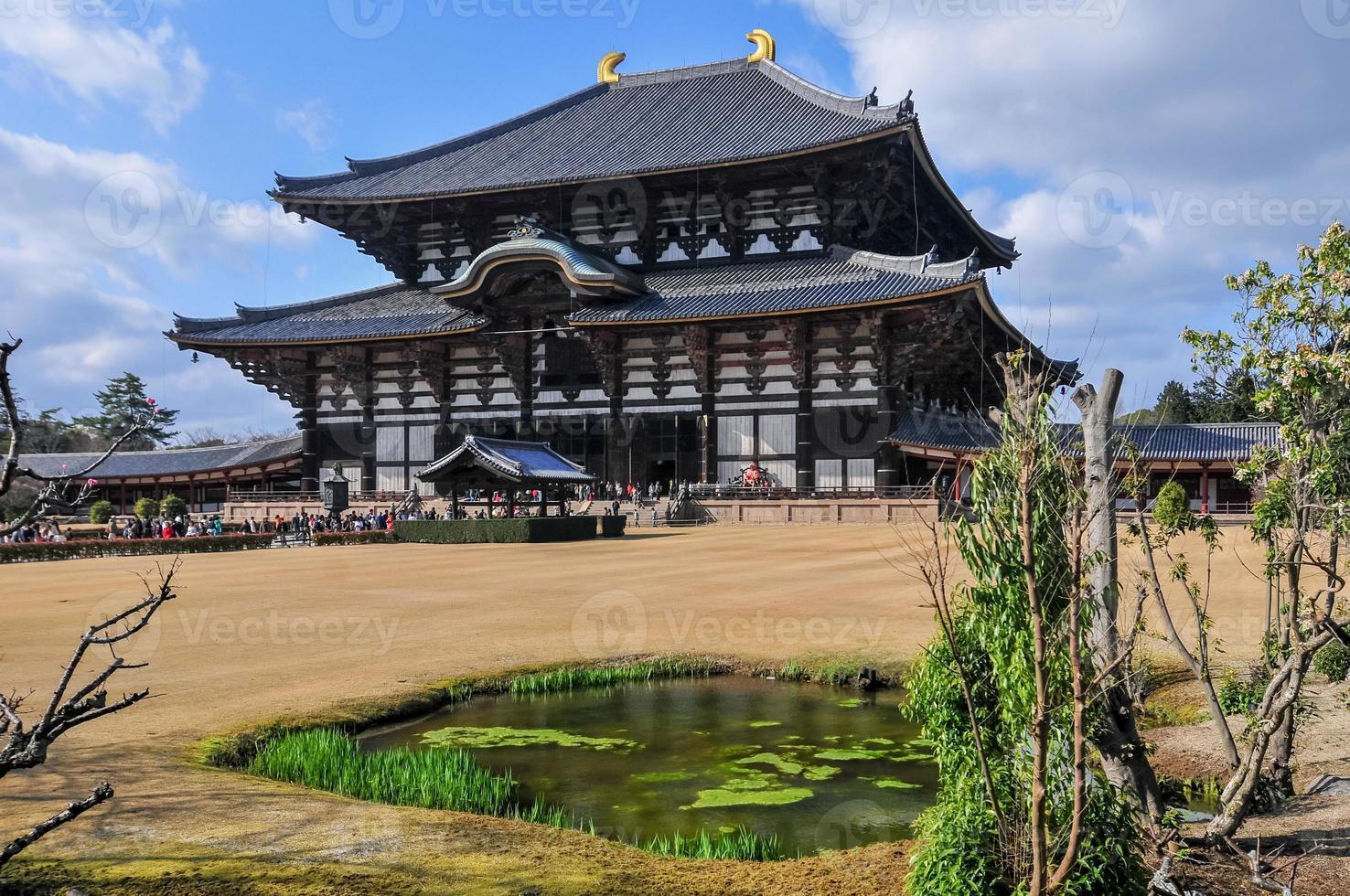
The Great Buddha, a 15-meter tall bronze statue of Vairocana Buddha, is kept in Todai-ji Temple in Nara. One of the biggest bronze Buddha statues in the world, it was cast in 752 CE. The temple is recognized as a UNESCO World Heritage Site.
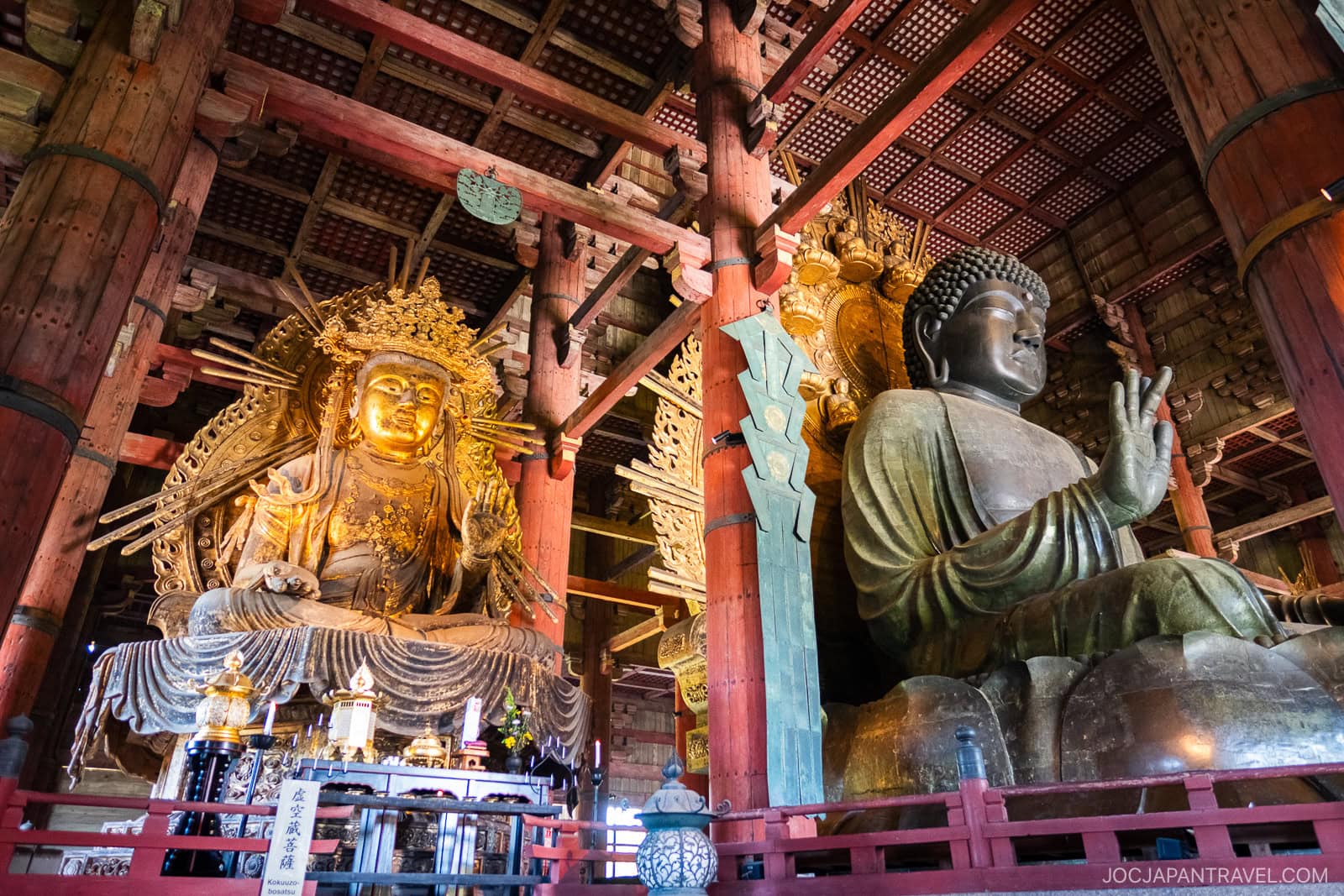
The statue is housed in the Daibutsuden (Great Buddha) Hall which was rebuilt in 1709. It is one of the biggest wooden structures in the world.
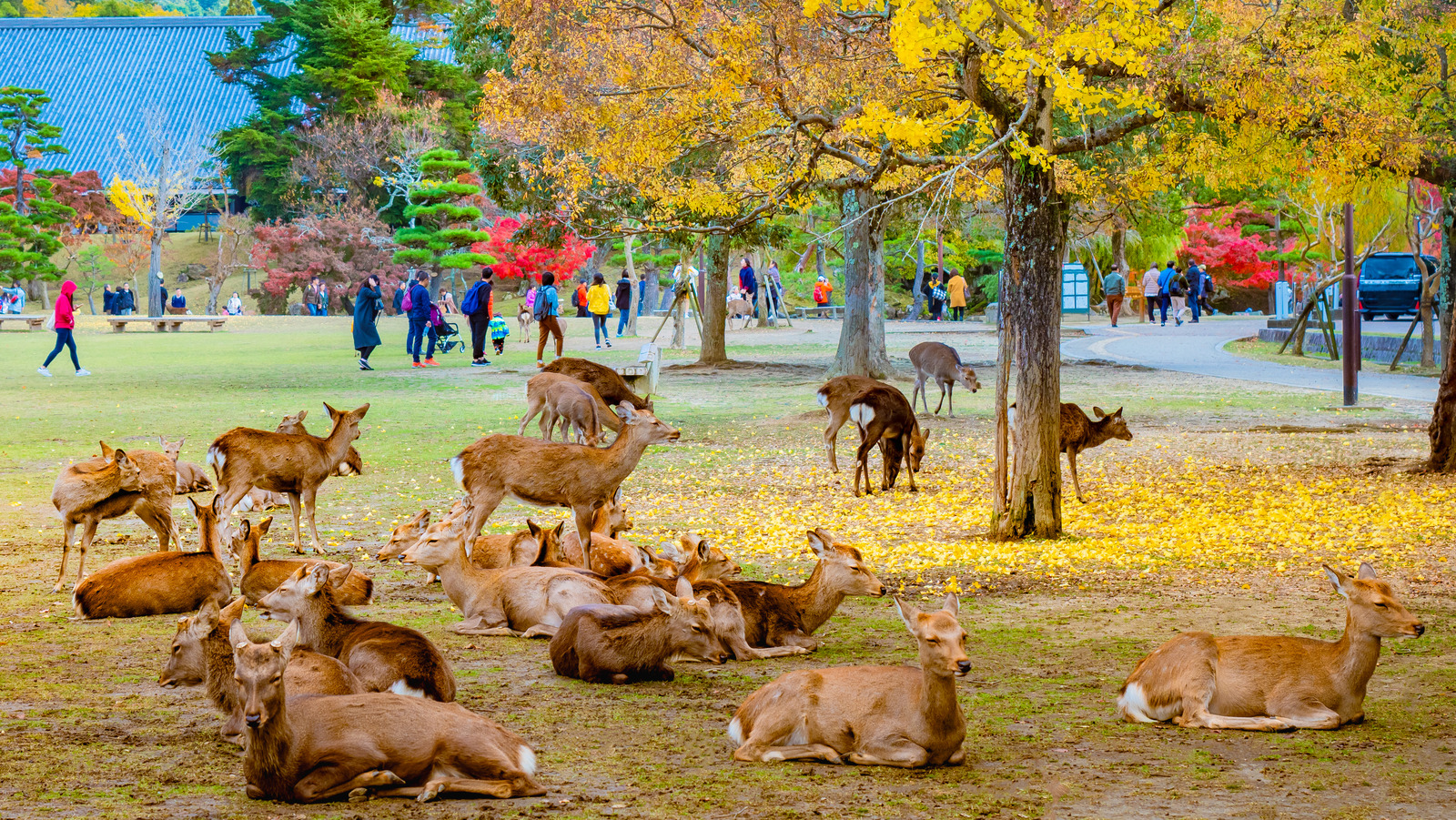
The temple sits in Nara Park, where the lawns are home to hundreds of roaming sika deer. Deer crackers are sold by vendors, and the deer will approach visitors.
Tokyo Imperial Palace
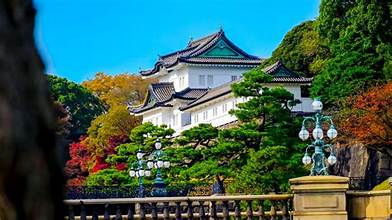
Located in the Chiyoda neighborhood, the Tokyo Imperial Palace sits on the site of the historic Edo Castle. Here, a specially constructed palace was finished in 1888. The present buildings were completed in the 1960s; after that, the structure was destroyed in an air raid in 1945. The emperor's principal home is the palace. The Imperial family appears on a balcony twice a year, on January 2 for New Year’s and on February 23 for Emperor Naruhito’s birthday.
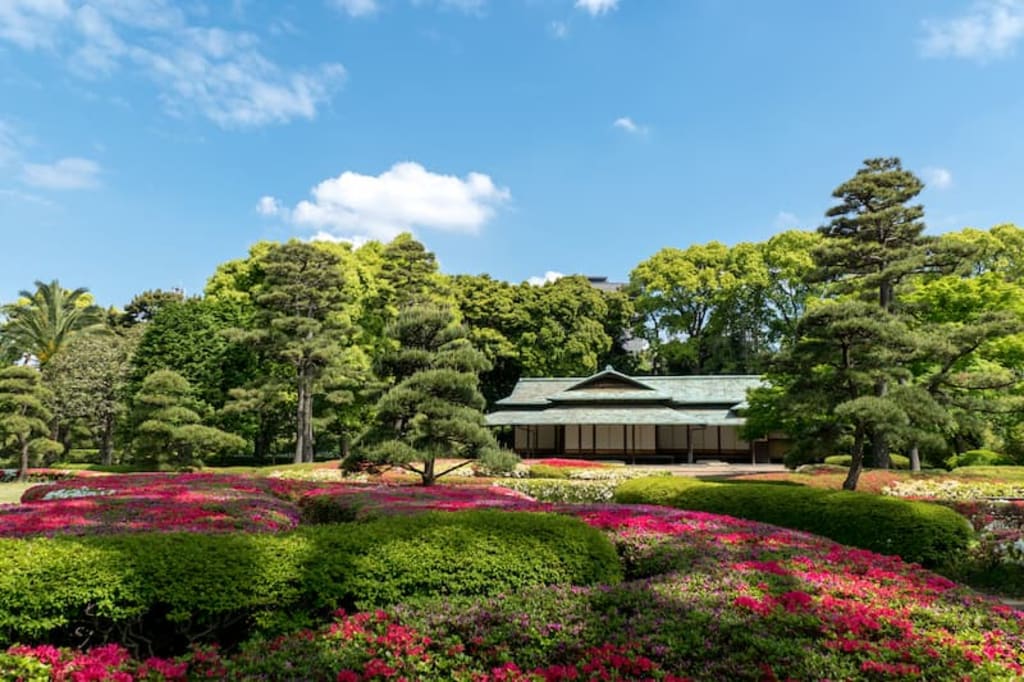
Remains of the medieval castle walls and moats are in the East Gardens, which are open year round. (pictured above)
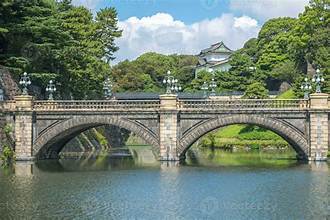
A well-liked location is the Nijubashi Bridges that span the moat.
Tokyo National Museum
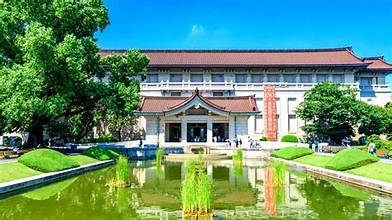
The museum is the biggest and oldest museum in Japan. Tokyo National Museum opened its doors in Ueno Park in 1872. Over 120,000 objects make up its collection, and exhibitions are always changing.
The museum is home to the largest collection of Japanese art in the world. There are ukiyo-e woodblock prints, Buddhist statues, old ceramics, and samurai armor. Different themes are covered by six gallery buildings. Heiseikan, Toyokan, and the Gallery of Horyuji Treasures all highlight different facets of Asian and Japanese culture.
About the Creator
Rasma Raisters
My passions are writing and creating poetry. I write for several sites online and have four themed blogs on Wordpress. Please follow me on Twitter.
Enjoyed the story? Support the Creator.
Subscribe for free to receive all their stories in your feed. You could also become a paid subscriber, letting them know you appreciate their work.
Comments
There are no comments for this story
Be the first to respond and start the conversation.