

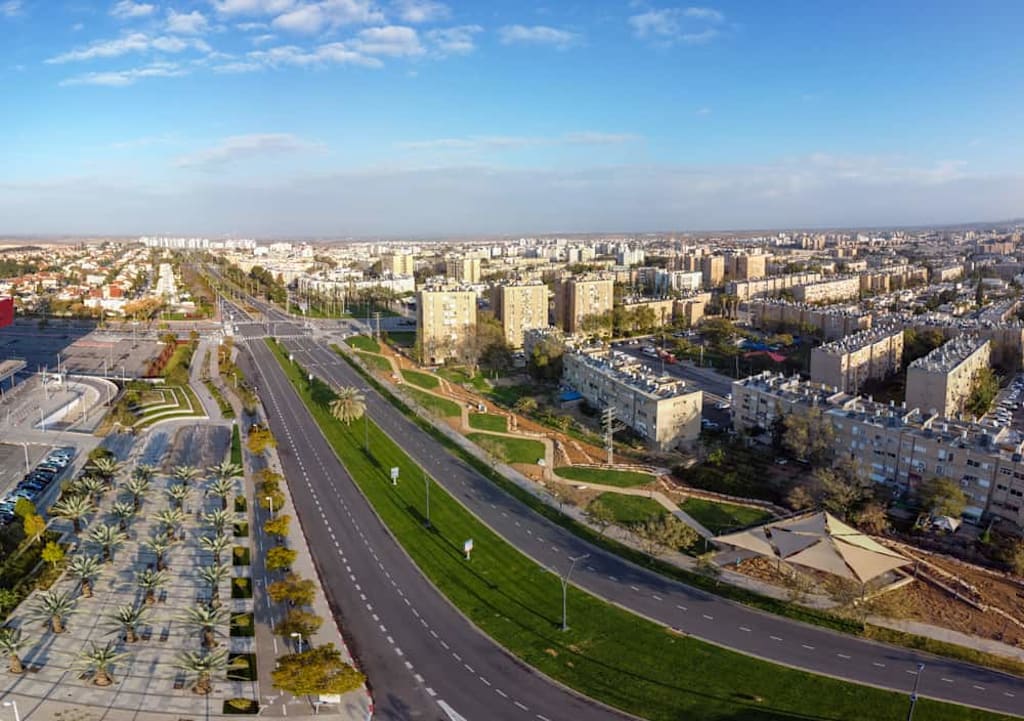
Beersheba
Beersheba is a significant biblical city located in southern Israel, known as the southernmost boundary of cultivated land in ancient Israel. It is historically important for its association with the patriarch Abraham, who made a covenant there with Abimelech, the Philistine king. Beersheba serves as a regional center for commerce, education, and technology, attracting many residents and investors. It is recognized as Israel's national chess center, boasting a high number of chess grandmasters per capita.
Caesarea Maritima
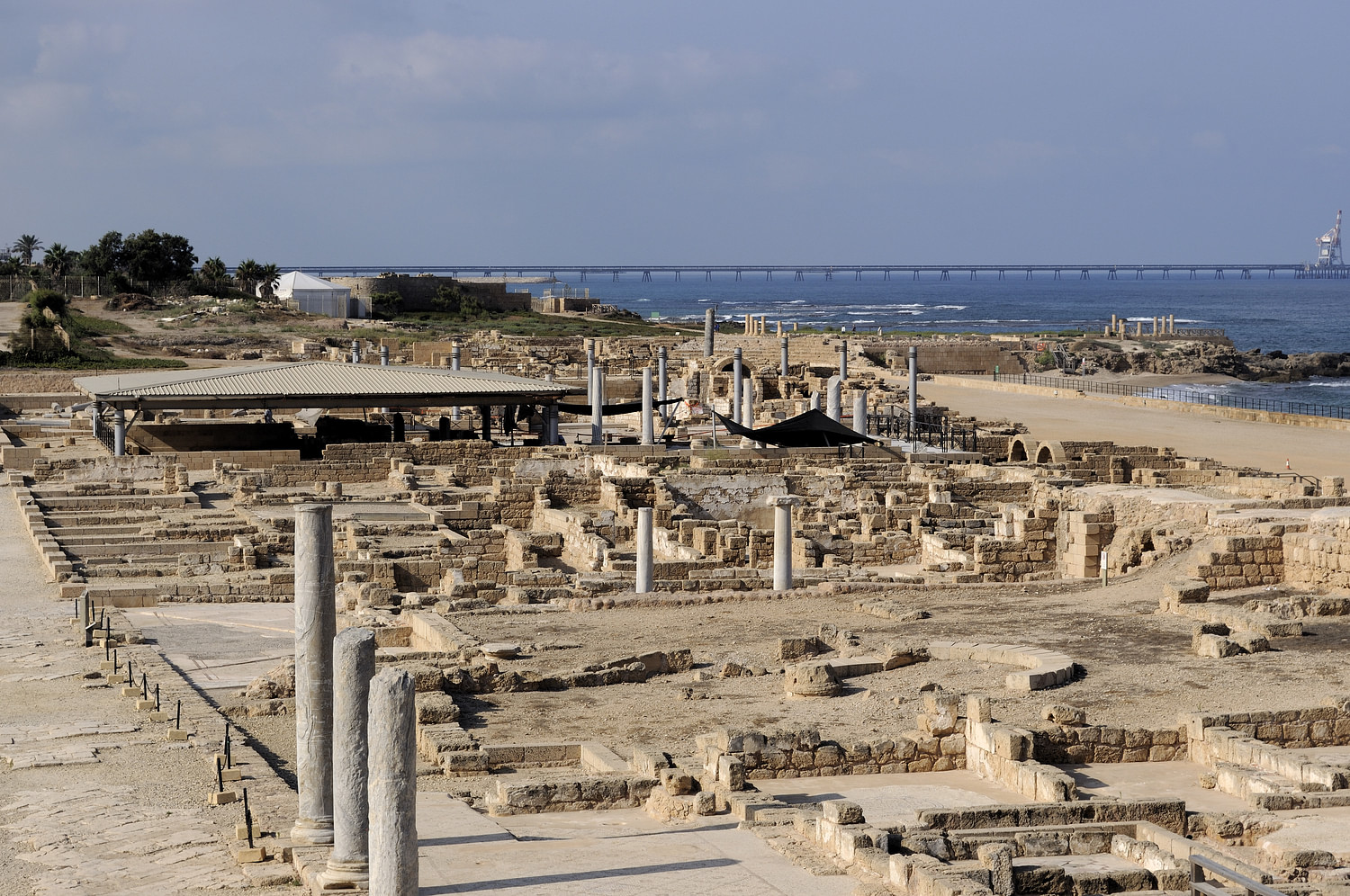
Caesarea Maritima, located on Israel's Mediterranean coast, was an ancient Roman port city established by Herod the Great between 22 and 9 BCE. It served as the capital of Roman Judaea for over six centuries and is renowned for its advanced harbor technology and archaeological significance. After the destruction of Jerusalem in 70 CE, it became the provincial capital of Judaea. Today, Caesarea National Park attracts visitors with its blend of ancient ruins and natural beauty.
Church of the Holy Sepulchre
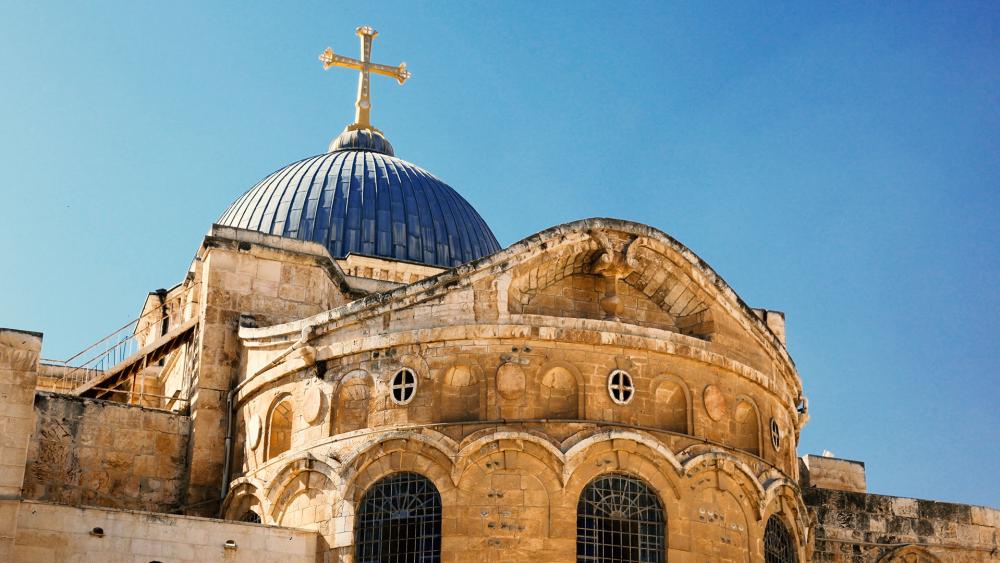
The Church of the Holy Sepulchre is located in Jerusalem, situated in the Old City and is traditionally believed to be the site of Jesus Christ's crucifixion, burial, and resurrection. This church holds significant religious importance for multiple Christian denominations, including Roman Catholics, Eastern Orthodox, and Protestants. It was closed due to security concerns amid escalating regional conflict. Israeli authorities implemented the closure starting on February 28, 2026, following military actions involving Israel and Iran. This decision was part of broader security measures affecting various holy sites in Jerusalem's Old City.
Dome of Rock
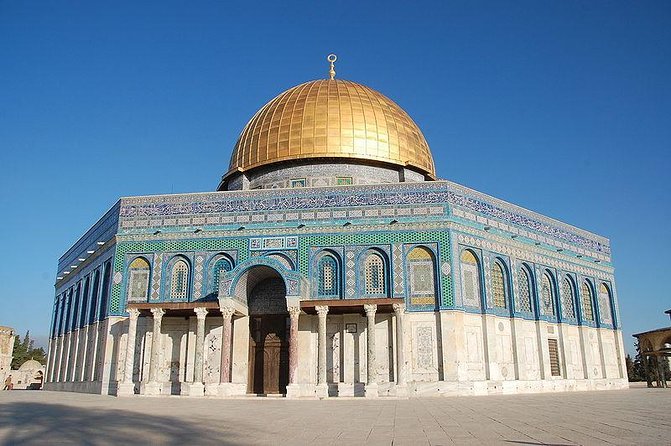
The Dome of the Rock, located on the Temple Mount in Jerusalem, is an iconic Islamic shrine known for its stunning gold-plated dome and significant religious importance to Muslims, Jews, and Christians. It was completed in the late 7th century and is considered one of the oldest extant Islamic monuments in the world. The Dome is believed to be the site of Muhammad's ascent to heaven (Mi'raj). Its design is rooted in Byzantine architecture, showcasing intricate mosaics and a stunning octagonal shape. Recognized for its cultural significance, it is part of the UNESCO World Heritage list.
Masada
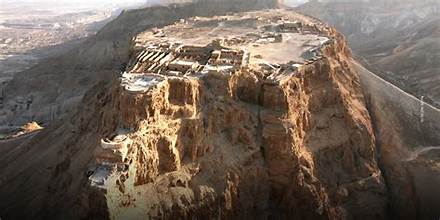
Masada is an ancient fortress known for its historical significance as the site of the last stand of Jewish rebels against Roman forces in the 1st century AD. Built by King Herod, it features impressive architecture and is now a UNESCO World Heritage Site. The fortress is situated on a high plateau in the Judean Desert, overlooking the Dead Sea. Today, Masada symbolizes Jewish heroism and resistance, often referenced in Israeli culture and education.
Qumran
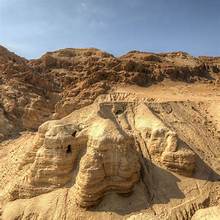
Qumran is an archaeological site located near the northwestern shores of the Dead Sea and is famous for being the location where the Dead Sea Scrolls were discovered. This site is significant for its historical and cultural importance, particularly related to the Essene community that inhabited the area during the Second Temple period. The site is linked to the Essene sect, who are believed to have lived there and produced the Dead Sea Scrolls. It is now a national park, attracting visitors interested in its natural beauty and historical context.
Western Wall
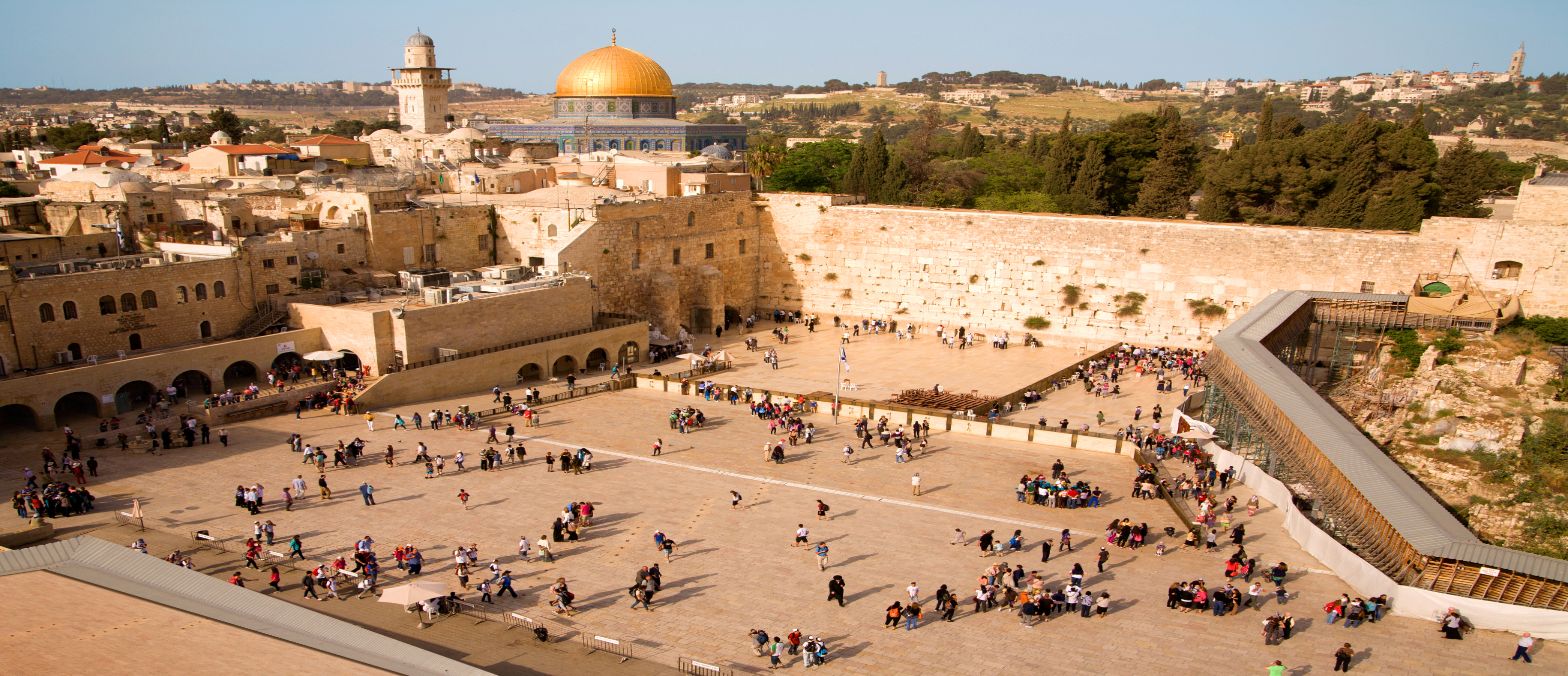
The Western Wall, located in Jerusalem, is a significant religious site for Jews, being the last remaining structure of the Second Temple. It serves as a place of prayer and pilgrimage, attracting millions of visitors each year. It is a remnant of the Second Temple, built during King Herod's reign over 2,000 years ago. The wall symbolizes Jewish endurance and connection to their heritage, making it a focal point for Jewish identity. The Wall hosts numerous events, including Bar and Bat Mitzvahs, which are significant milestones in Jewish life.
White City
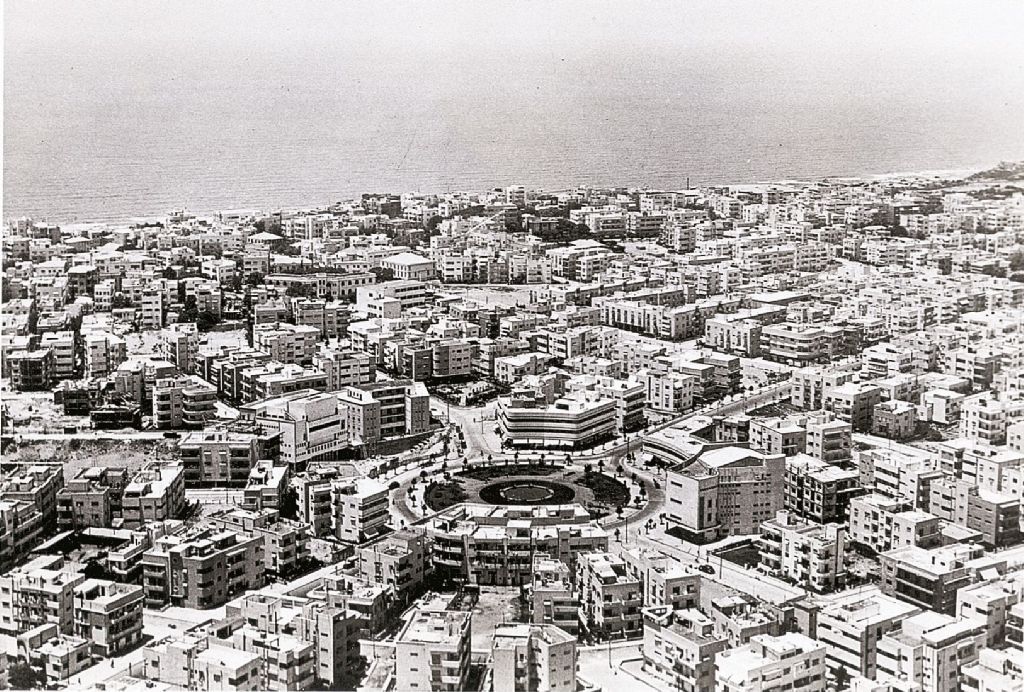
The White City in Tel Aviv is a UNESCO World Heritage Site known for its extensive collection of Bauhaus architecture, with over 4,000 buildings designed in this style. This architectural movement was brought to the city by German Jewish architects fleeing persecution in the 1930s, transforming Tel Aviv into a modern metropolis.
About the Creator
Rasma Raisters
My passions are writing and creating poetry. I write for several sites online and have four themed blogs on Wordpress. Please follow me on Twitter.
Enjoyed the story? Support the Creator.
Subscribe for free to receive all their stories in your feed. You could also become a paid subscriber, letting them know you appreciate their work.
Comments
There are no comments for this story
Be the first to respond and start the conversation.