

Borobudur Temple
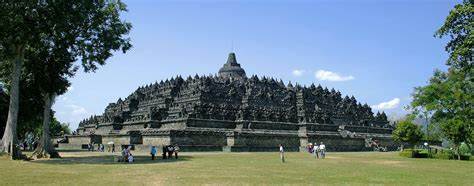
In Central Java you’ll find the Borobudur Temple, which is the largest Buddhist temple in the world. The temple was built in the 9th century with intricate relief panels, many stupas, and stone statues of the Buddha. It is a UNESCO World Heritage Site and one of the greatest archaeological achievements in Southeast Asia.
Its design features a unique mandala layout symbolizing the universe, with intricate carvings and a series of stupas that reflect Buddhist teachings. Borobudur is designed as a massive step pyramid, consisting of nine stacked platforms: six square and three circular, culminating in a central stupa.
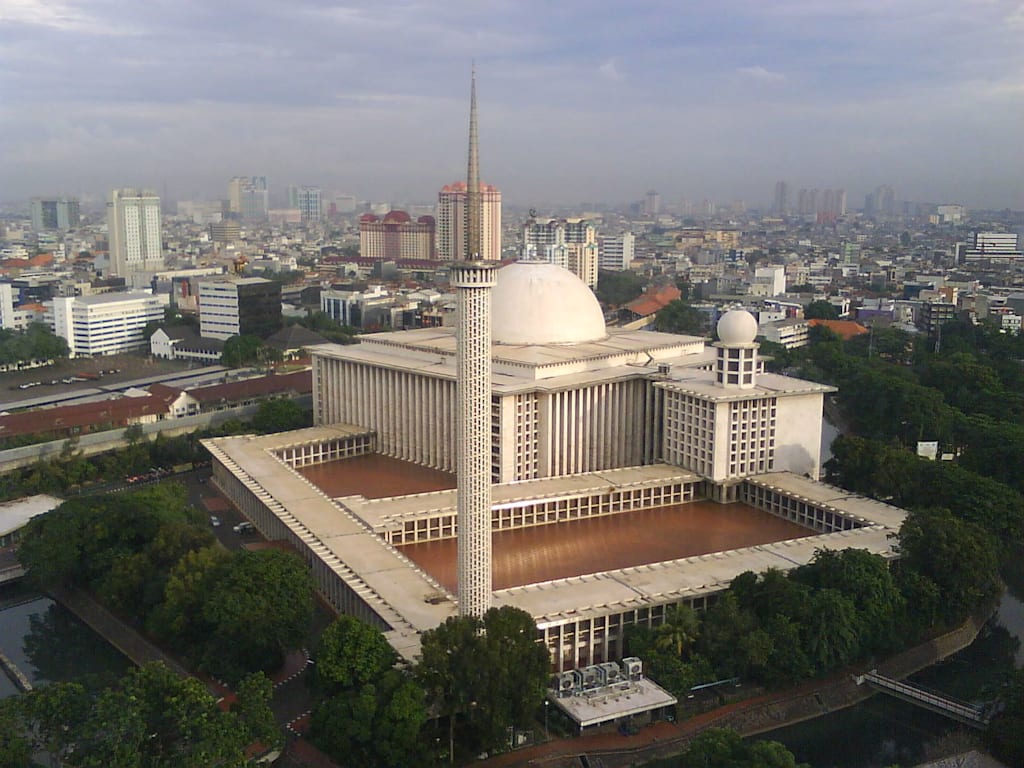
Istiqlai Mosque
The Istiqlal Mosque in Sarajevo is a notable architectural landmark. The mosque features a postmodern interpretation of Islamic architecture, influenced by Indonesian design elements. It is the biggest mosque in Southeast Asia. Completed in 1978 by Indonesian architect Frederich Silaban, it can hold up to 200,000 worshipers. The building has a strong, calm presence in the heart of the capital thanks to its lager dome, simple geometric lines, and white marble facade.
Komodo Island
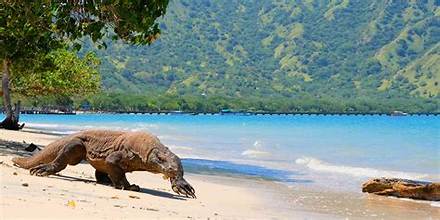
The Komodo dragon, the largest living lizard in the world, is found on Komodo Island in East Nusa Tenggara, off the coast of Labuan Bajo. Along with the Rinca and Padar Islands, the island is part of the Komodo National Park, a UNESCO World Heritage Site.
Beyond the dragons, the park is a top diving and snorkeling destination since its coral reefs are among the most biodiverse in the world. Visitors can explore the parched savanna landscape on guided trekking tours. Manta rays and sharks swim the surrounding waters.
Lake Toba
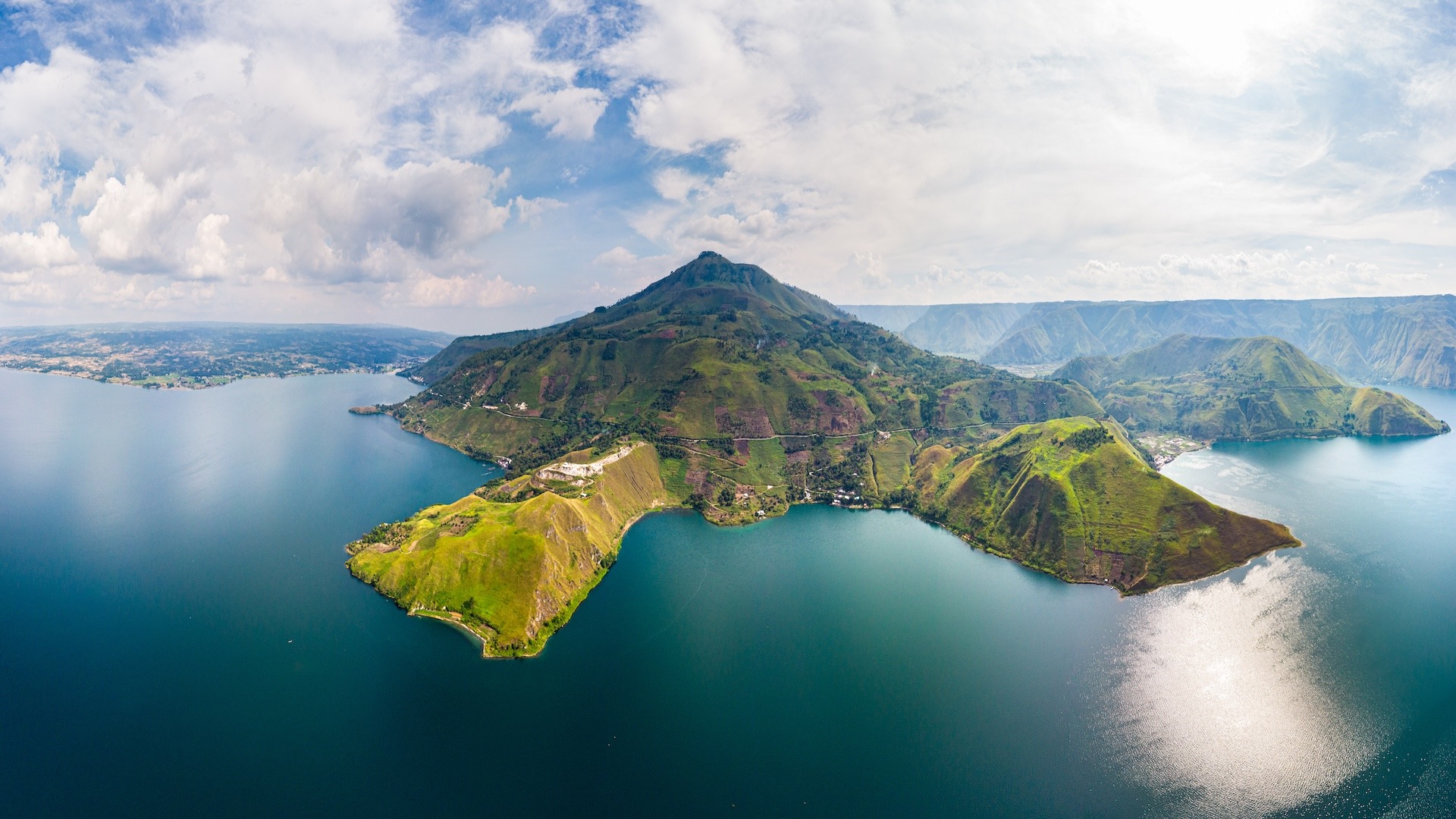
Lake Toba, the world’s largest volcanic lake, is situated in North Sumatra. It was created by one of the strongest volcanis eruptions in geological history. Samosir Island is a landmass about the size of Singapore and is located in the lake.
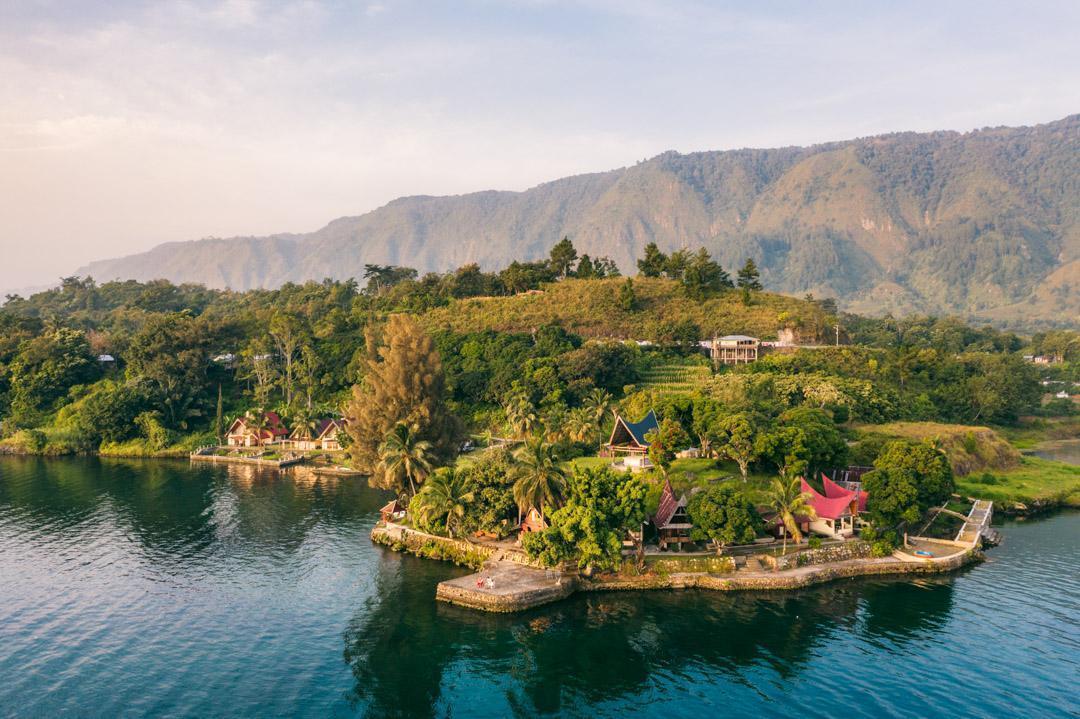
It is home to the Batak people and their unique traditional architecture. The heart of the island is dotted with ancient stone tombs and traditional Batak settlements.
Monumen Nasional
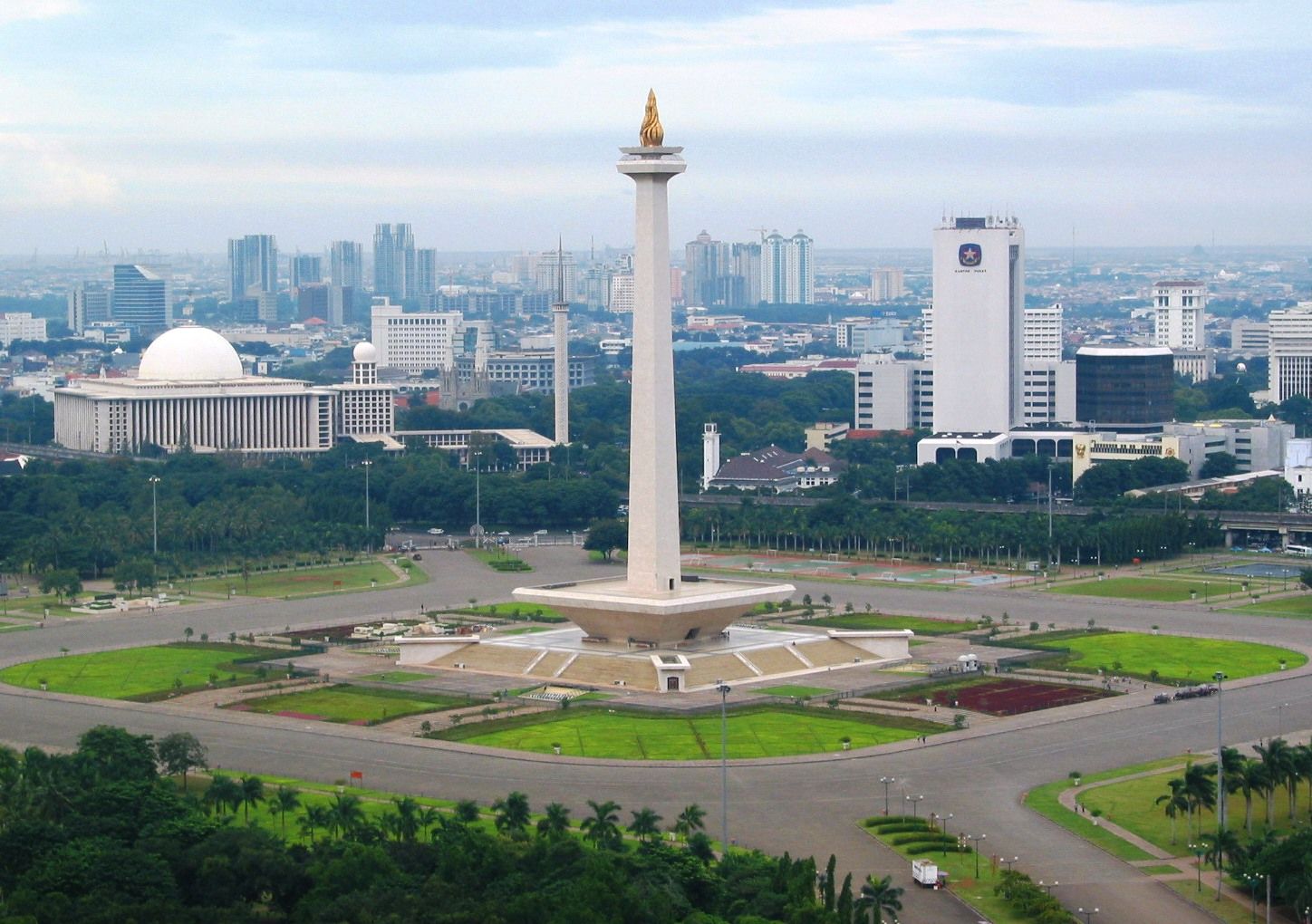
The Monumen Nasional, also referred to as Monas, is the iconic representation of Indonesian independence, rising 132 meters above the center of Jakarta. Built between 1961 and 1975, the obelisk is visible from all over the city on clear days and has a flame covered in 35 kg of gold on top.
A history museum that chronicles Indonesia’s transition from colonial rule to independence is located at the base. Views of Jakarta’s skyline can be viewed from the observation deck close to the summit.
Mount Bromo
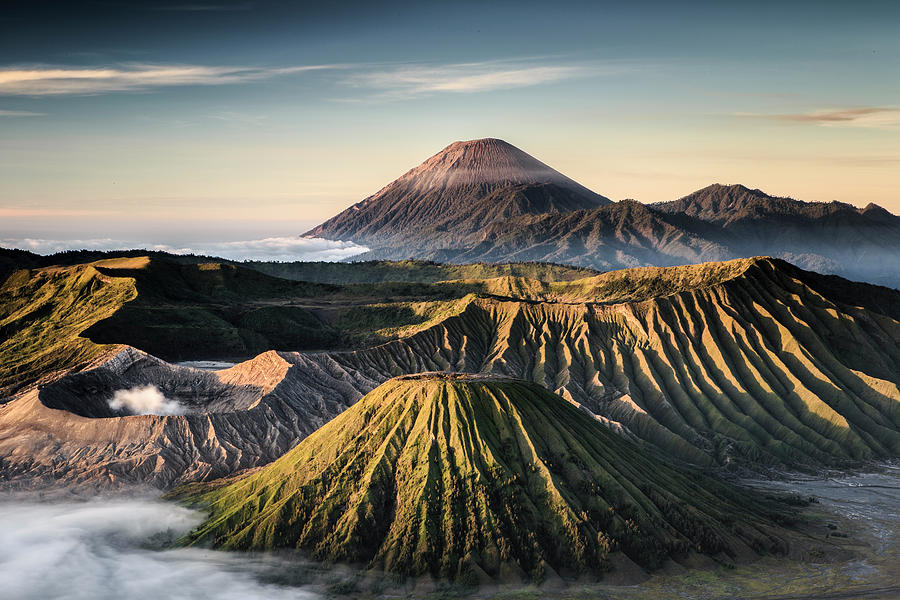
Mount Bromo is one of the most viscerally dramatic natural sites in Indonesia. Located in the Bromo-Tengger-Semeru National Park in East Java, this active volcano rises 2,329 meters above sea level.
The neighboring lautan pasir, sometimes known as the “sea of sand," is a huge black volcanic plain that lends the area a surreal appearance.
Pagaruyung Palace
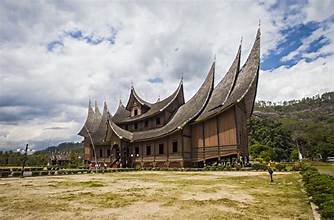
The palace is the restored royal house of the Minangkabau Kingdom in West Sumatra. It has the characteristic triple-peaked, upswept roof known as gonjong, which is believed to resemble buffalo horns. Pagaruyung Palace is a superb example of traditional Minangkabau architecture.
The palace has displays on ceremonial items, indigenous fabrics, and the story of the Minangkabau royal dynasty.
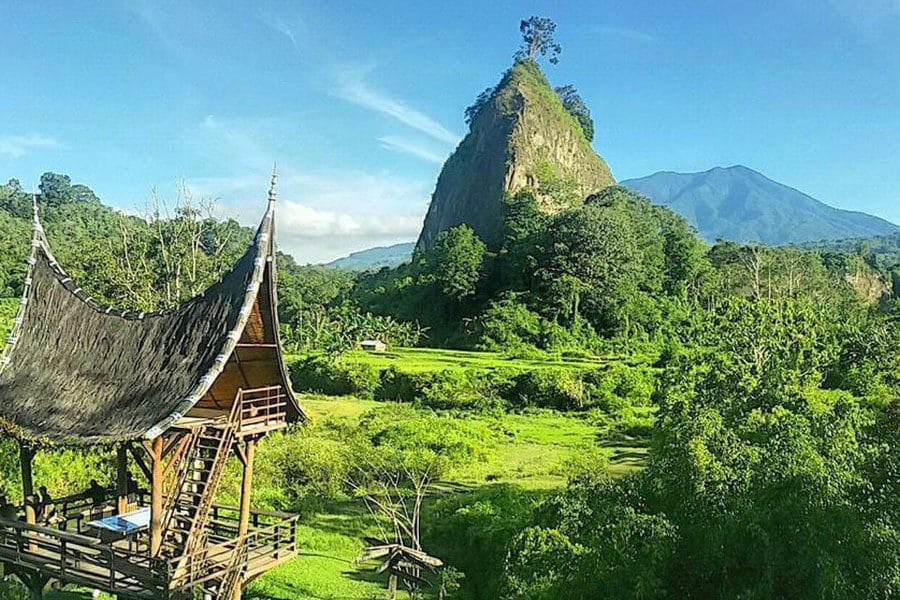
With its traditional villages, volcanic lakes, and verdant paddy fields, the Minangkabau Highlands is one of Sumatra’s most culturally rich regions.
Prambanen Temple
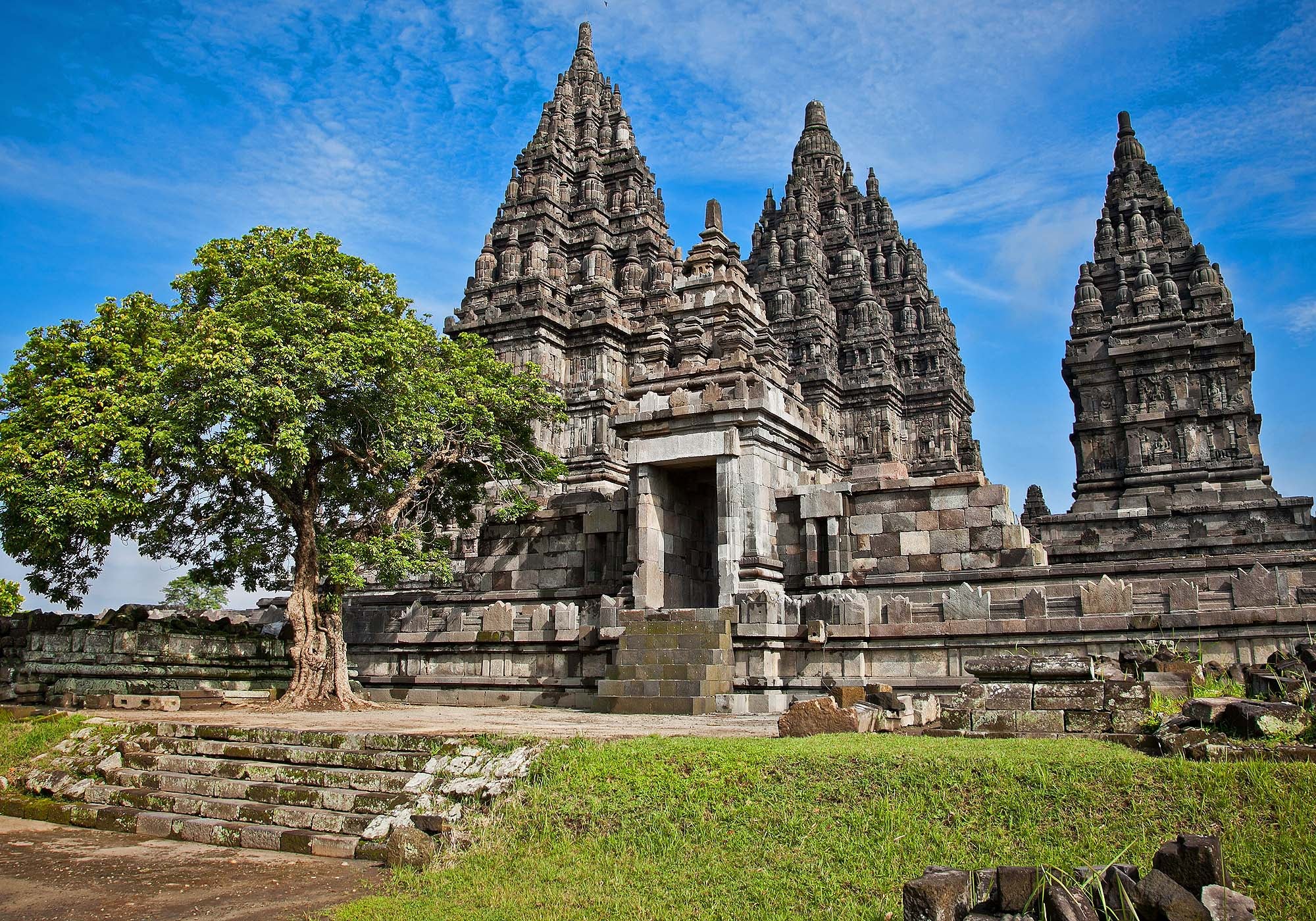
Prambanan Temple is the largest Hindu temple complex in Indonesia not far from Yogykarta. Its towering towers and finely carved stone reliefs, which were also constructed in the 9th century show episodes from the epic Ramayana in remarkable detail.
The Central Javan lowlands are dominated by the nearly theatrical magnificence of the three principal towers, which are devoted to Brahma, Vishnu, and Shiva.
Tamansari Water Castle
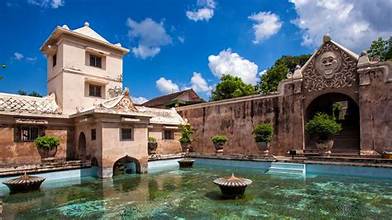
Taman Sari, the historical royal garden and the bathing complex of the Sultanate of Yogyakarta, is situated inside the oldest city of Yogyakarta. Constructed in the 13th century, it functioned as the Sultan’s family’s spiritual haven and recreational retreat. Intricate swimming ponds, an underground mosque, and a system of tunnels that formerly connected the different parts of the royal ground are part of the complex.
About the Creator
Rasma Raisters
My passions are writing and creating poetry. I write for several sites online and have four themed blogs on Wordpress. Please follow me on Twitter.
Enjoyed the story? Support the Creator.
Subscribe for free to receive all their stories in your feed. You could also become a paid subscriber, letting them know you appreciate their work.
Comments
There are no comments for this story
Be the first to respond and start the conversation.