

Golden Temple
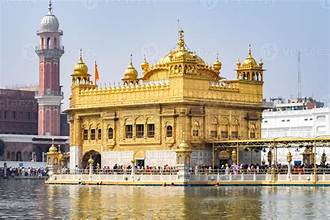
In the sacred city of Amritsar, Punjab, there is a magnificent building called the Golden Temple. The most revered shrine in Sikhism, this temple was built in the late 16th century and early 17th century. The Amnt Sarovar (Pool of Nectar) reflects the shimmering gold leaf the temple’s upper floors are adorned with.
The temple is special because it welcomes people of all backgrounds, religions, and cultures. A symbol of equality and service, the complex’s langar (community kitchen) serves thousands of guests for free every day.
Hawa Mahal
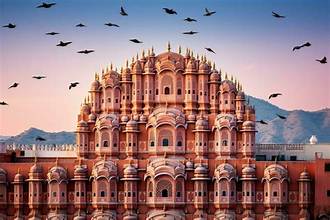
One of Jaipur, Rajasthan’s most recognizable landmarks, is Hawa Mahal, often known as “The Palace of Winds." Maharaja Sawai Pratap Singh finished building this pink sandstone castle in 1799 so that royal women could see the celebrations and street life without being observed.
There are 953 tiny windows called iharokhas that allow fresh air to enter and keep it cool even during the sweltering summer months. It glows like the early light and has a honeycomb-like surface. The inside features smaller apartments and hallways with breathtaking views of the city below.
Lotus Temple
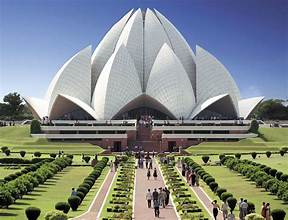
Despite its modernism and spirituality, the Lotus Temple is an amazing architectural marvel. It opened in South Deli in 1986; this Bahai House of Worship welcomes people of all faiths and beliefs. It is one of the most well-known structures in the world due to its intricate design.
With 27 white marble petals arranged on nine sides, it resembles a lotus flower, a symbol of purity and tranquility. Visitors can meditate and find inner calm here.
Meenakshi Aman Temple
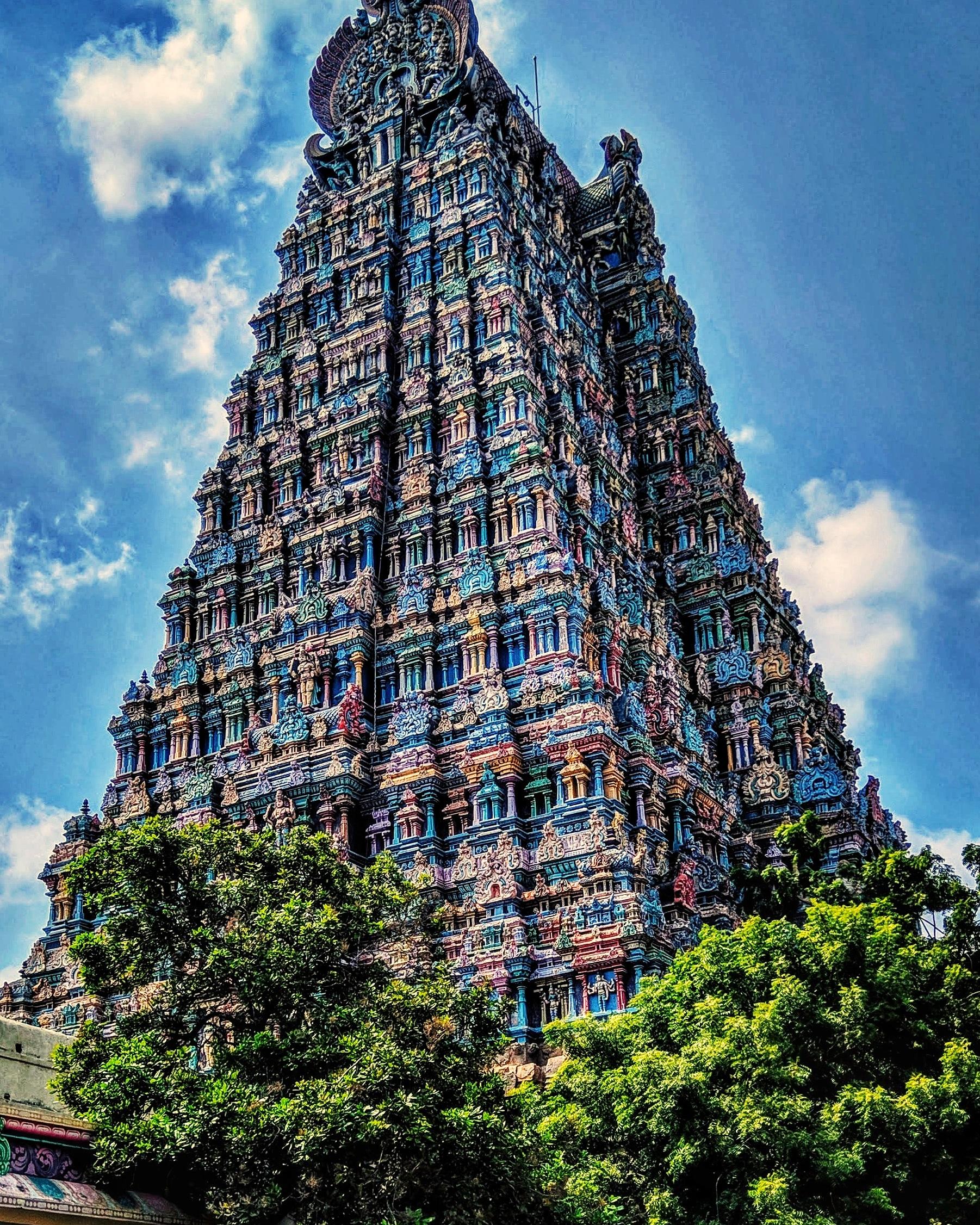
Located in the historic city of Madurai, Meenakshi Amman Temple is one of India’s most vivid and beautiful buildings. Although the temple’s history dates back thousands of years, the Nayak monarchs completed the most current architecture in the 16th and 17th centuries.
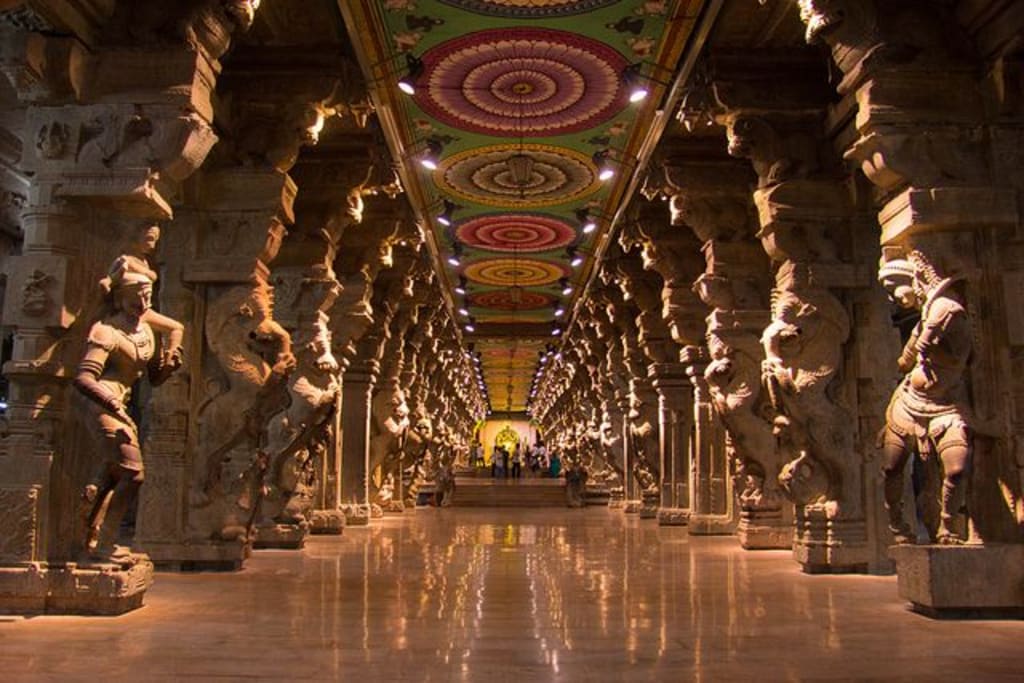
Thousands of vividly painted statues of gods, goddesses, and mythological creatures adorn the temple’s imposing gateways, which are devoted to Goddess Meenakshi and her consort Lord Sundareswarar. People are astounded by the interior’s many intricately carved hallways, like the Thousand Pillar Hall. (pictured above)
Red Fort
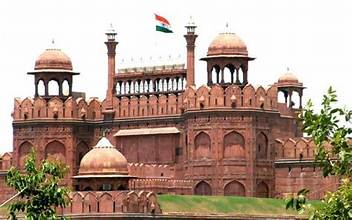
Situated in the center of Old Delhi, the Red Fort serves as a reminder of India’s Mughai past. It was built by Emperor Shah Jahan between 1638 and 1648, and it served as the Mughal emperor's principal residence for nearly two centuries.
Its enormous red sandstone walls are home to mosques, gardens, palaces, and magnificent halls. The Indian Prime Minister raises the national flag atop the fort walls on Independence Day, demonstrating the fort’s continued significance.
Sun Temple
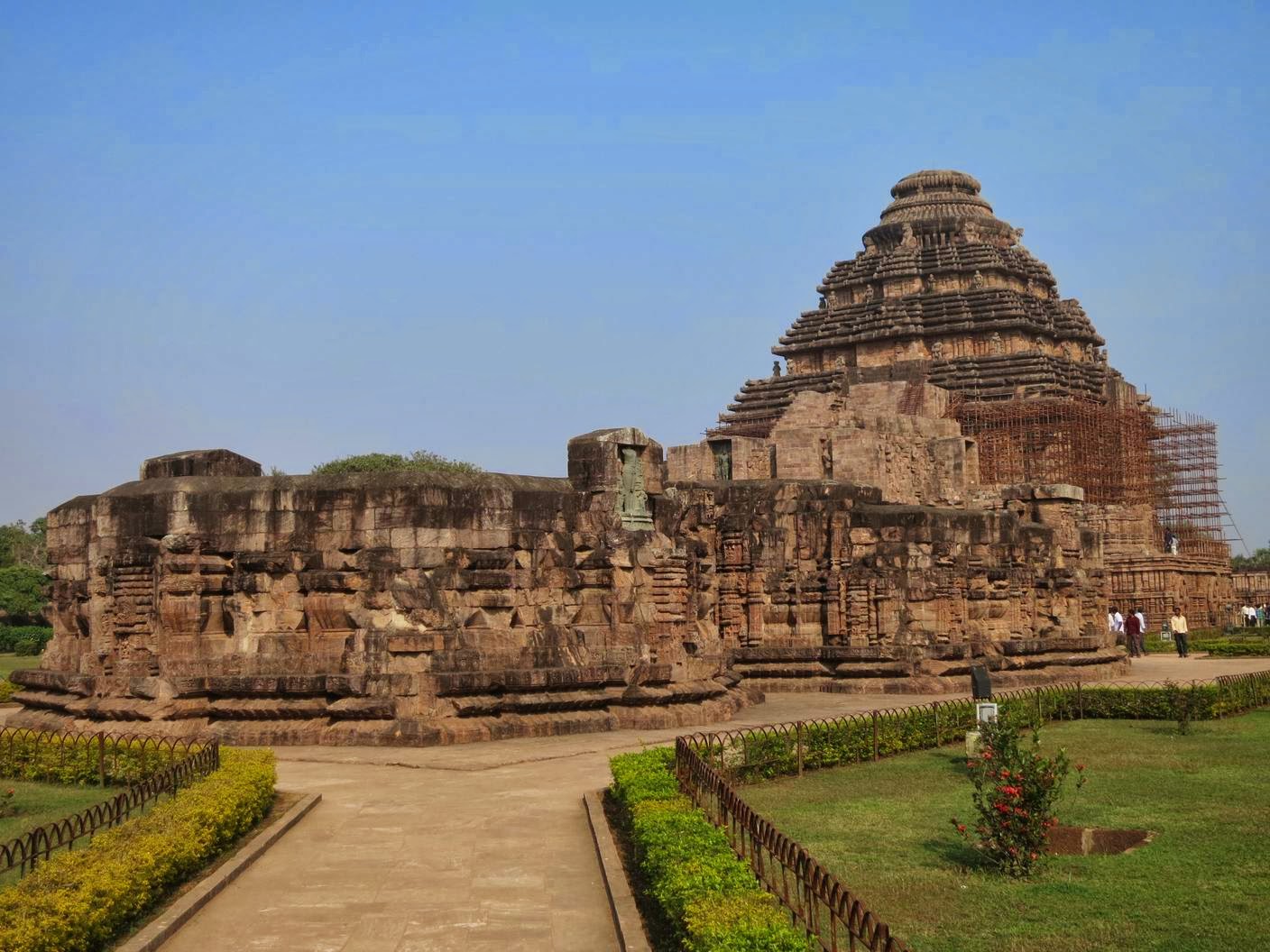
One of India’s most remarkable architectural wonders and a well-known monument is the Sun Temple in Konark, Odisha. King Narasimhadeva I of the Eastern Ganga dynasty constructed this UNESCO World Heritage Site in the 13th century as a tribute to Surya, the Sun God.
In order to symbolize the movement of the sun in the heavens, the temple was constructed like a massive stone chariot drawn by seven horses and twelve pairs of intricately carved wheels.
Taj Mahal
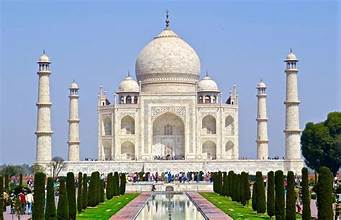
One of the most well-known sites in the world is the Taj Mahal. The Mughai Emperor Shah Jahan built this magnificent work of white marble in Agra, to honor his favorite wife, Mumtaz Mahal. Construction began about 1631 and took over 20 years to complete in 1653.
Situated on the banks of the Yamuna River, the Taj Mahal is a stunning sight with reflecting pools and lush gardens. It is a memorable experience because of its perfect symmetry, elaborate inlay design, and Quranic inscriptions. At sunrise the marble is pink, in the middle of the day it is white, and at sunset it is golden.
About the Creator
Rasma Raisters
My passions are writing and creating poetry. I write for several sites online and have four themed blogs on Wordpress. Please follow me on Twitter.
Enjoyed the story? Support the Creator.
Subscribe for free to receive all their stories in your feed. You could also become a paid subscriber, letting them know you appreciate their work.
Comments
There are no comments for this story
Be the first to respond and start the conversation.