

Angkor Wat
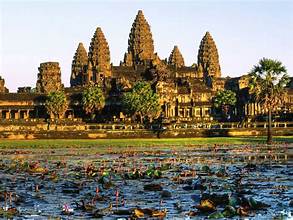
Angkor Wat, one of the world’s most well-known ancient sites with its magnificent temples, is the most well-known landmark in Cambodia. It was constructed between 802 and 1432. Angkor Wat peaked during the Middle Ages, when it was the capital of the Khmer Empire and one of the biggest cities in the world.
Today, the Greater Angkor Wat Archeological Park is a UNESCO World Heritage Site, including this magnificent wonder.
Banteay Chhmar
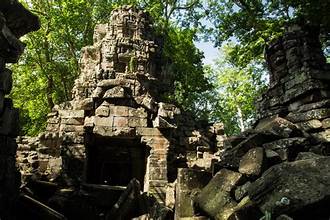
This is a massive temple complex nestled in a verdant jungle in the less-visited northwest of Cambodia. Some of the most exquisite stone reliefs in the nation can be found at Banteay Chhamar, which was built probably in the 12th century by the Angkorian monarch Jayavarman VII.
Battambang Bat Caves
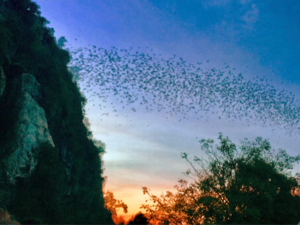
Down the road from Phnom Sampeau, the Battambang Bat Caves come to life after the sun sets when visitors gather to watch the vast colony of bats fly out of the caves and into the night sky.
These wrinkle-lipped free-tailed bats have led to the onset of a booming economy in Battambang of bars, restaurants, and stalls lining the street near the caves catering to visitors.
Bayon Temple
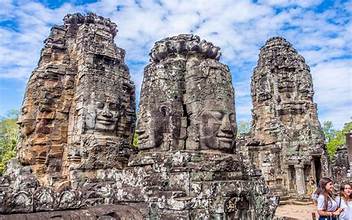
One of Angkor’s most well-known buildings is the Bayon Temple, which King Jayavarman VII built in the 12th century. The more than 200 faces that are fashioned out of massive chunks of stone and face all directions are what define the temple. One of Angkor’s most recognizable sights is these oddly grinning stone faces believed to represent a fusion of the king’s and Buddha’s visages.
Kho Ker
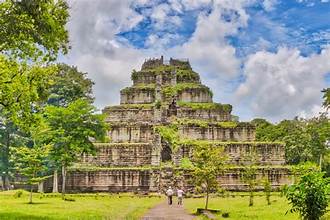
Koh Ker underwent tremendous growth while serving as the capital of the Khmer Empire. During this brief period, magnificent sculptures and structures were built, leaving a legacy that is still evident today.
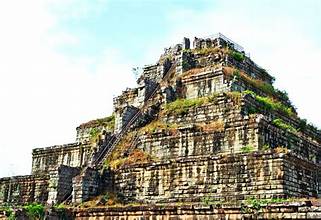
The Prasat Thom pyramid temple, which stands 30 meters tall and is crowned by the legendary half-bird, half-man Garuda, is the main draw here.
Mondulkiri’s Elephant Valley Project
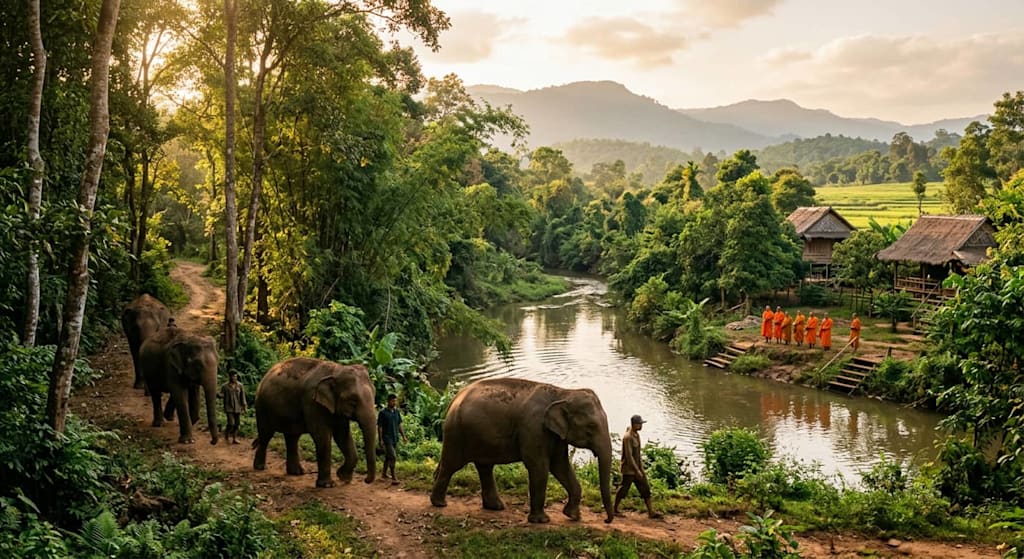
Mondulkiri’s Elephant Valley Project still offers the traditional South East Asian elephant experience. The sustainable group assists with the rehabilitation and rehoming of overworked elephants as well as those looking for retirement homes. (pictured above)
Visitors can learn about the significant work that led to the “walking the herd” project within this vast sanctuary in northeastern Cambodia. Visitors can stroll with the elephants and blend in among these wonderful gentle giants while admiring the beauty of the area.
National Museum of Cambodia
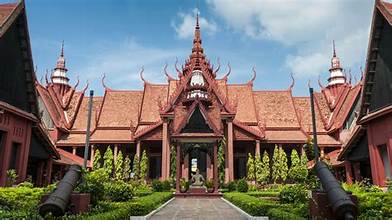
Few other sites in Cambodia offer as much insight into the nation’s past as the National Museum of Cambodia, which is home to the world’s largest collection of ancient Khmer artifacts. The museum’s exhibits include sculptures, ceramics, and other objects from prehistoric Cambodia to the post-Angkorian Cambodia of today.
The Royal Palace
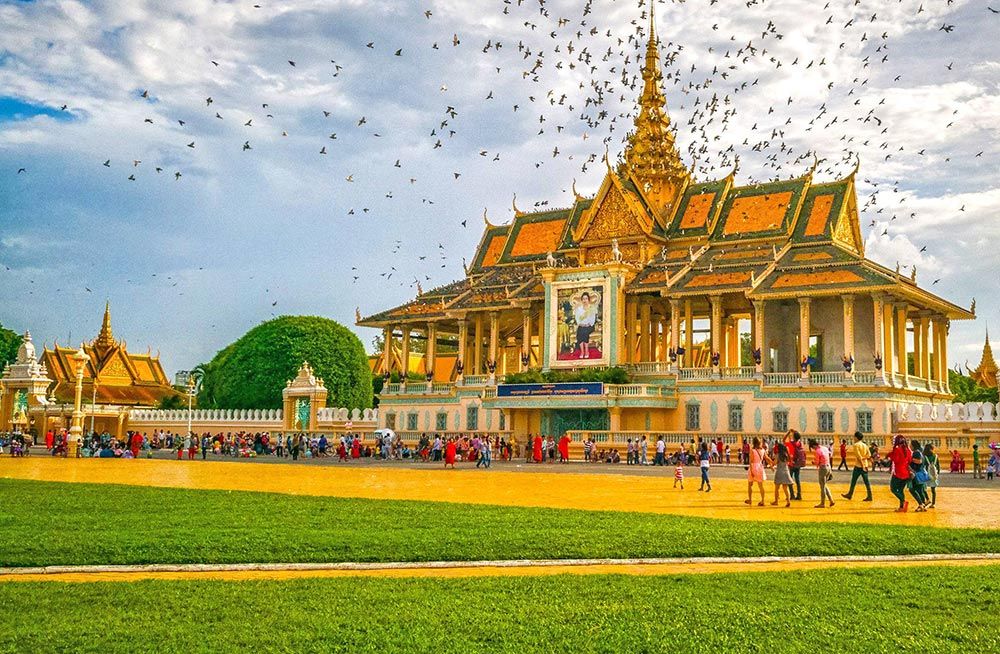
King Sihamoni’s formal residence, the Royal Palace, is easily recognizable due to its typical Khner-style roofing covered in gold. It is stunning and imposing, showcasing the finest aspects of French-inspired architecture and the Khmer Empire.
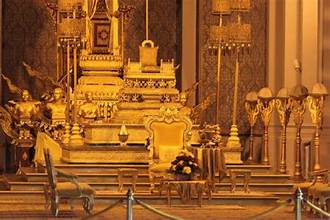
The Throne Hall, a few nearby structures, and the palace grounds are accessible to the public.
Ta Prohim
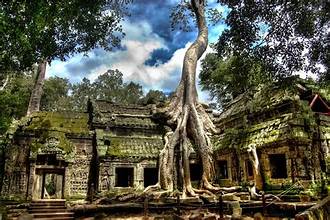
Ta Prohim is often referred to as the “Tomb Raider Temple” and stands out among the ancient ruins of Cambodia. It gives visitors a unique perspective into what Angkor temples must have looked like when European explorers first discovered them, since the ruins appear to have been engulfed by the jungle in an effort to recapture them.
Tonle Sap
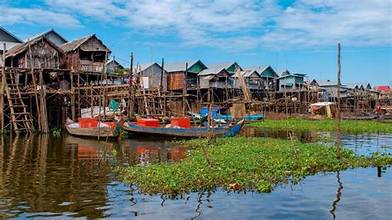
Tonle Sap, the biggest freshwater lake in Cambodia, is an essential waterway. It supplies food and irrigation to farmers. There are over 150 floating communities around the shoreline. Early in the morning fishing boats arrive and depart from the back porches connected to short piers. These villages all include schools, stores, churches, and even temples.
Vimean Ekareach
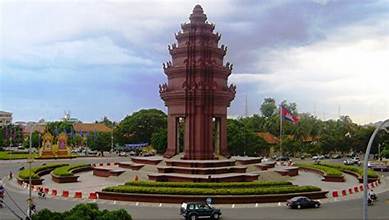
Situated in the heart of Phnom Penh, Vimean Ekareach is also referred to as the Independence Monument. The monument is located at the intersection of Sihanouk Boulevard and Norodom Boulevard on a roundabout. It honors the nation’s 1953 independence from France; Vann Molyvann, a Cambodian architect, created and constructed it in 1958.
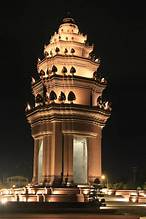
At night, the lotus-shaped stupa lights up.
About the Creator
Rasma Raisters
My passions are writing and creating poetry. I write for several sites online and have four themed blogs on Wordpress. Please follow me on Twitter.
Enjoyed the story? Support the Creator.
Subscribe for free to receive all their stories in your feed. You could also become a paid subscriber, letting them know you appreciate their work.
Comments
There are no comments for this story
Be the first to respond and start the conversation.