

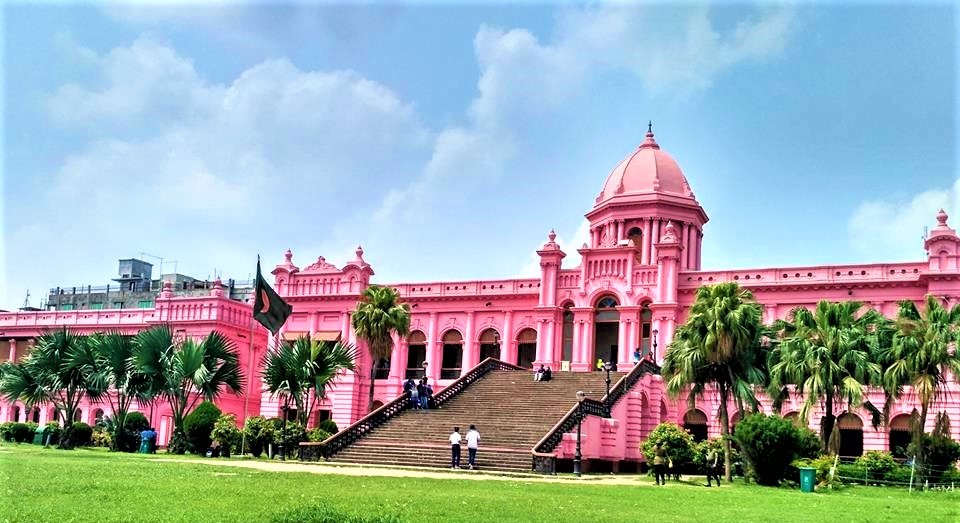
Situated on the banks of the Buriganga River in Dhaka, Ahsan Manzil, popularly referred to as the Pink Palace, is one of the most well-known architectural masterpieces in Bangladesh. Built in the 19th century, this magnificent palace served as the Nawab family of Dhaka’s formal house before being turned into a museum.
The luxury of Dhaka’s aristocratic past is reflected in the building’s vast interiors and characteristic pink facade. The galleries, which display artifacts and relics from the Nawav era, are open to visitors.
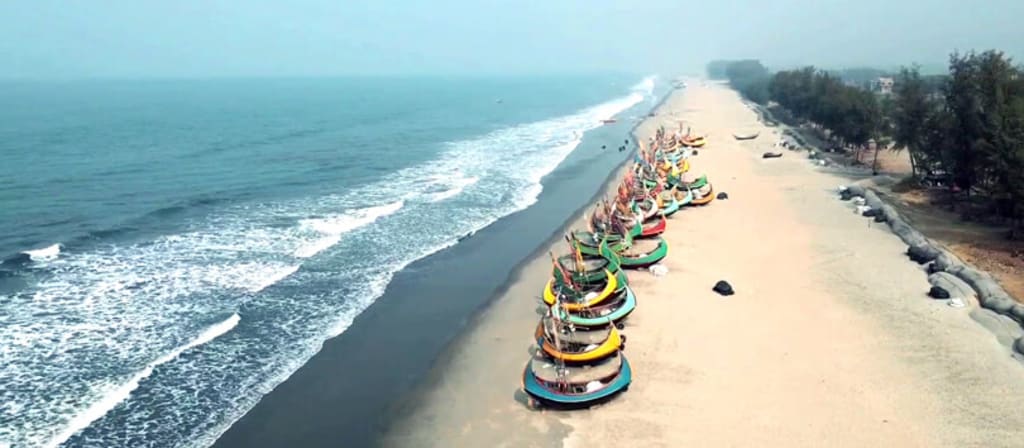
The world’s longest natural beach, spanning more than 120 kilometers along the Bay of Bengal, is located in islands. The beach is a popular tourist site with golden sand, breathtaking views of the ocean, and a place for sports like surfing and beach volleyball. Visitors can take boat trips to neighboring island such as Saint Martin Island. (pictured above)
For beachgoers, who want to unwind or discover the local way of life through neighboring marketplaces and seafood eaters, Cox’s Bazar is the ideal location.
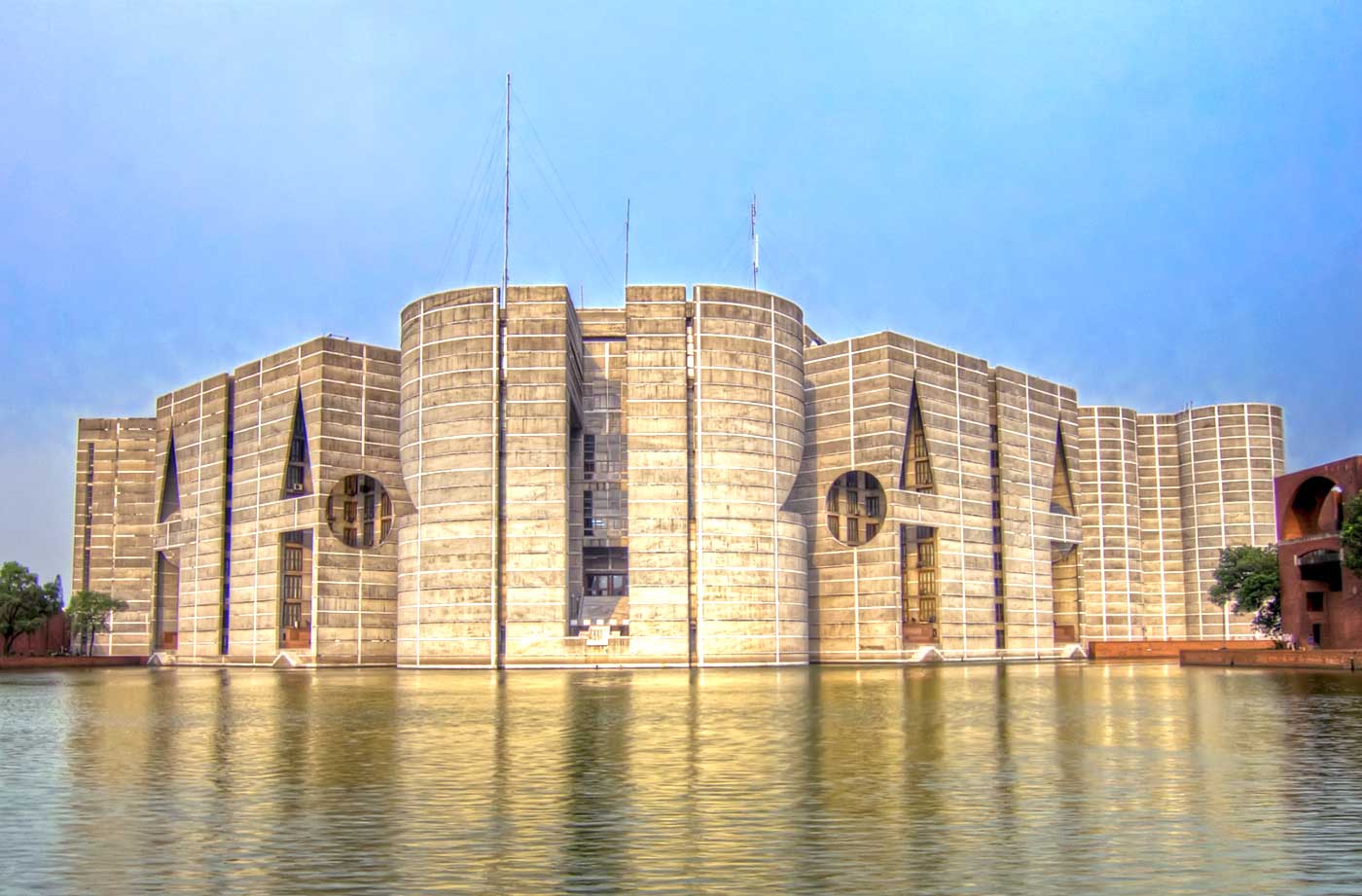
The National Parliament of Bangladesh is housed in the Jatiyo Sangsad Bhaban, a marvel of modernist architecture created by renowned American architect Louis Kahn. One of the most remarkable government structures in the world, it is situated in Dhaka and features an eye-catching geometric design with artificial lakes all around.
In addition to admiring the architecture and the surrounding grounds, visitors can occasionally take guided tours of the inside.
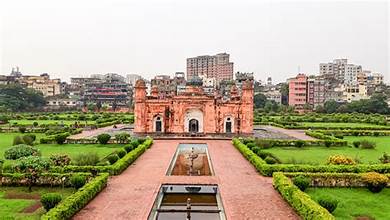
Located in the center of Dhaka, Lalbagh Fort is an unfinished Mughal fort complex. Muhammad Azam, a Mughal ruler, started construction in 1678, but it was never finished. The fort is still a well-liked historical monument today, drawing both locals and visitors with its gardens, mosque, and the tomb of Pari Bibi, a Mughal governor’s daughter.
The Lalbagh Fort style is reminiscent of traditional Mughal architecture, and it provides a peaceful haven from the busy streets of Dhaka.
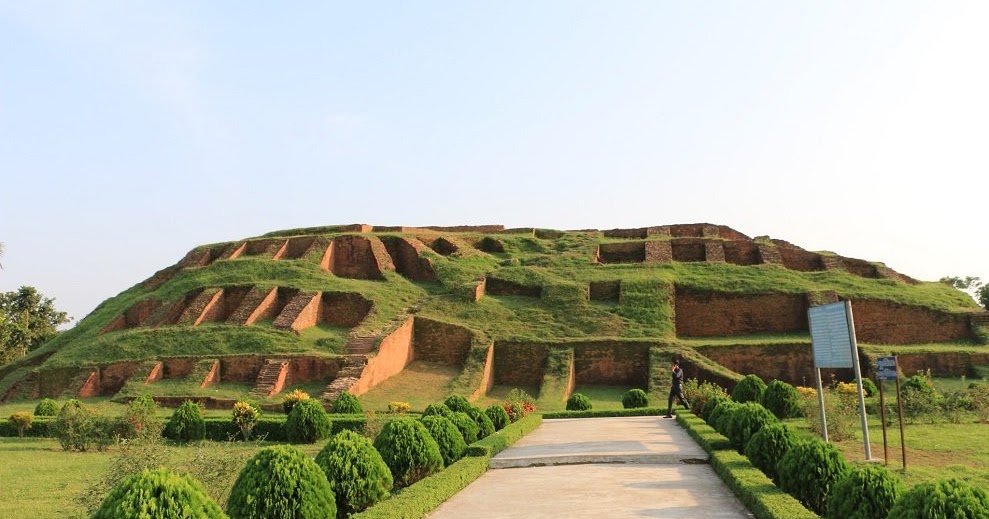
The oldest archaeological site in Bangladesh is Mahasthangarh, which dates to at least the third century BC. It was formerly the capital of the Pundra Kingdom and is situated in the Bogura area. The remnants of the ancient city, which includes temples, walls, and a museum with items from the locations, are open for exploration by visitors.
Mahasthangarh, which displays the ruins of a once-thriving metropolitan center, provides an intriguing window into the ancient past of Bangladesh.
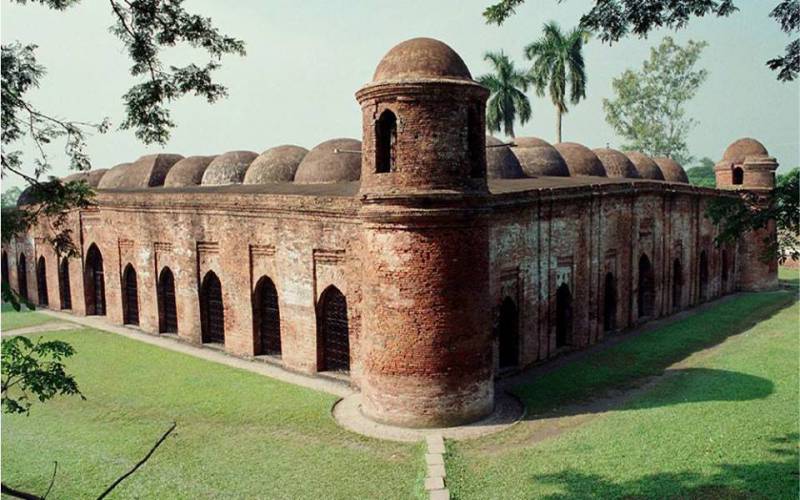
One of Bangladesh’s most well-known Islamic sites and a UNESCO World Heritage Site is the Sixty Dome Mosque, also known as Shat Gombuj Masjid. Ulugh Khan Jahan, a Turkish general, constructed this mosque in the 15th century in the city of Bagerhat.
The mosque, despite its name, is made up of 60 stone columns supporting 77 domes. The mosque’s serene ambiance attracts both worshipers and history buffs, and it is a superb example of Tughlaq construction.
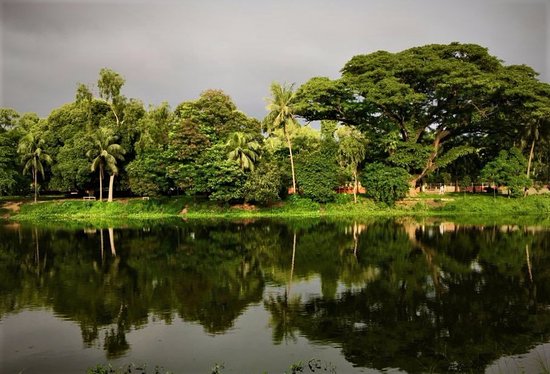
In the center of Dhaka is a sizable public park and garden called Ramna Park. The park is well-liked by both locals and visitors looking for a break from the busy city because of its lovely foliage, lakes, and serene walking paths.
A number of cultural events, like the traditional Bengali New Year celebrations, take place here. The park’s tranquil environment makes it a perfect destination for leisurely walks and picnics.
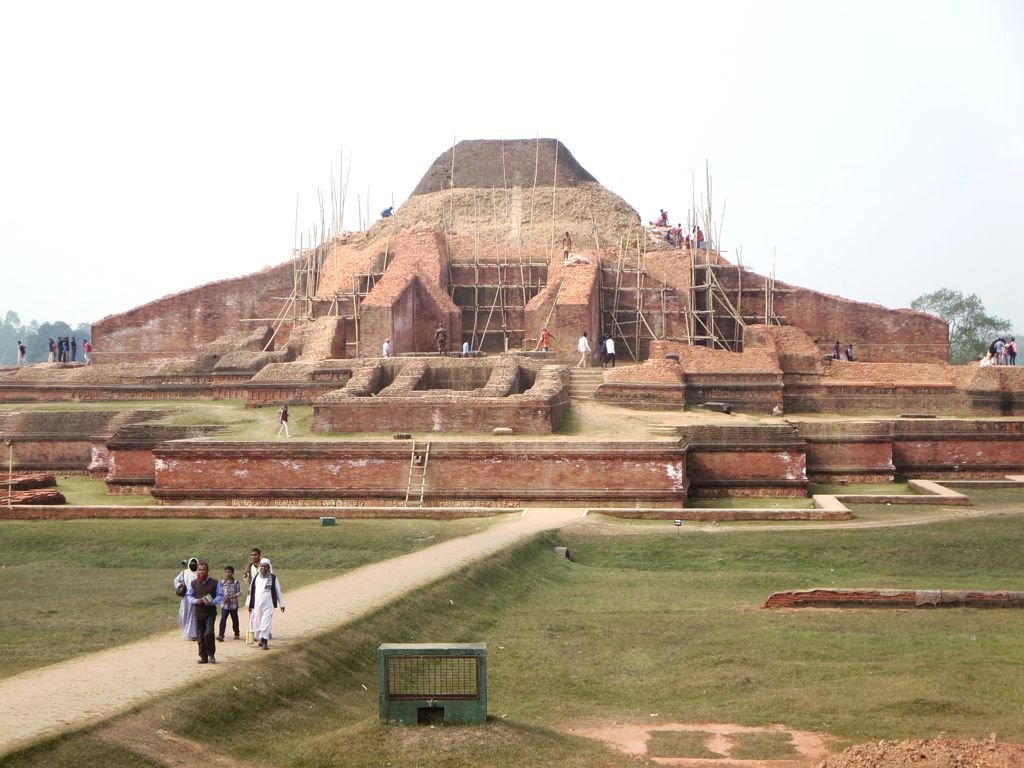
One of the biggest and most important Buddhist temples in South Asia, Somapura Mahavihara is situated in Paharpur and is recognized as a UNESCO World Heritage Site. The monastery is renowned for its magnificent architecture and elaborate ceramic embellishments. It was constructed in the 8th century, during the Pala Dynasty.
The expansive compound has a sizable central stupa surrounded by smaller shrines and monastic apartments. For individuals who are interested in Buddhism and historic architecture, Somapura Mahavihara is a significant location.
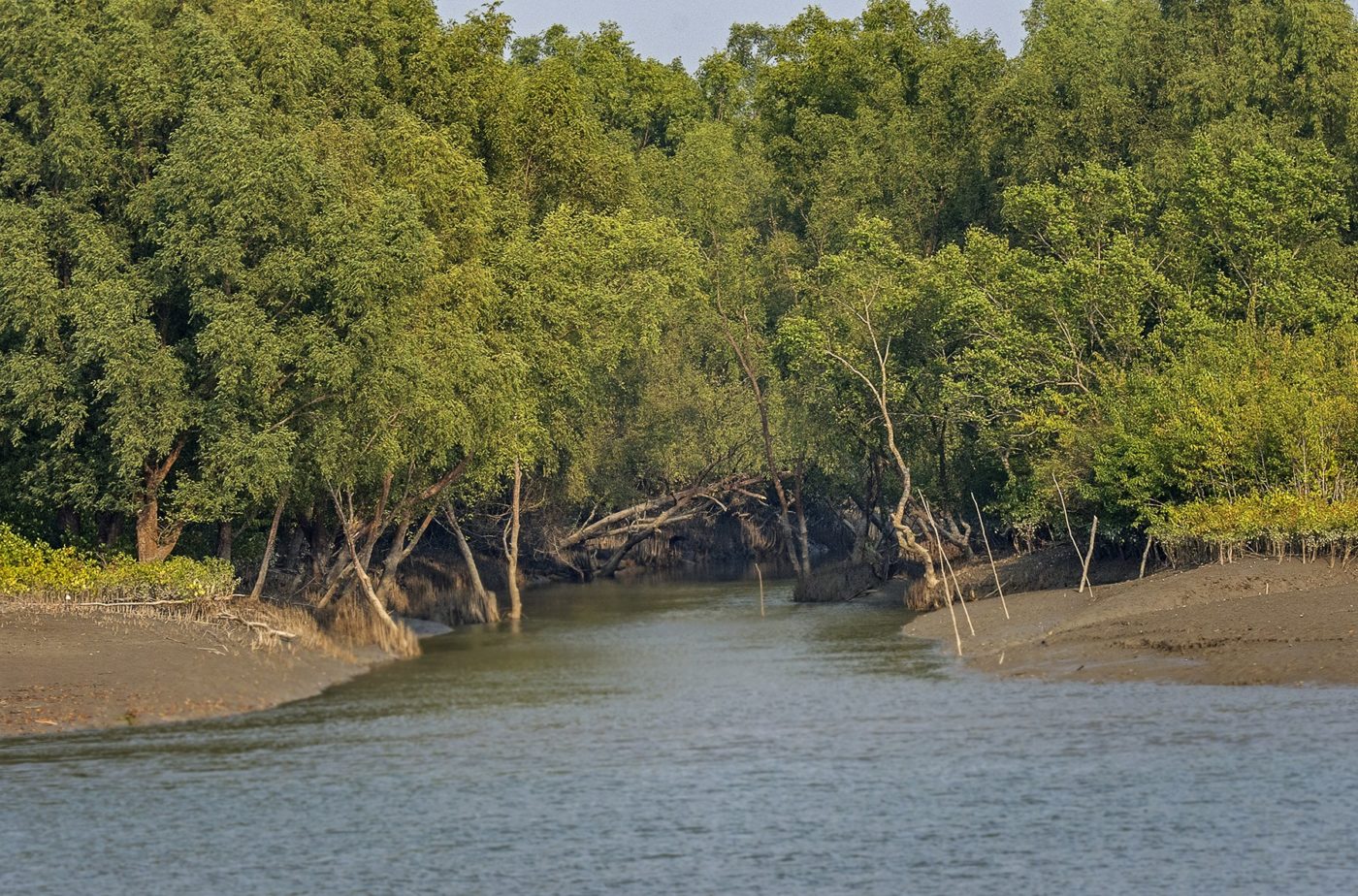
A UNESCO World Heritage Site, the Sundarbans Mangrove Forest is among the world’s biggest mangrove forests. The Sundarbans, situated in both Bangladesh and India, are well-known for their biodiversity, especially as the forest is home to the critically endangered Royal Bengal tiger.
Visitors may explore the forest by boat and see wildlife, including crocodiles, spotted deer, and a variety of bird species, thanks to its extensive mangroves and network of waterways.
About the Creator
Rasma Raisters
My passions are writing and creating poetry. I write for several sites online and have four themed blogs on Wordpress. Please follow me on Twitter.
Enjoyed the story? Support the Creator.
Subscribe for free to receive all their stories in your feed. You could also become a paid subscriber, letting them know you appreciate their work.
Comments
There are no comments for this story
Be the first to respond and start the conversation.