
Kedai Kayu: The Timeless Wooden Shophouses of Kuala Dungun
From Fishing Village to Mining Boomtown A Town Rebuilt in Timber Migrants, Commerce, and Community Stories Woven Into the Walls Living Heritage in a Changing World

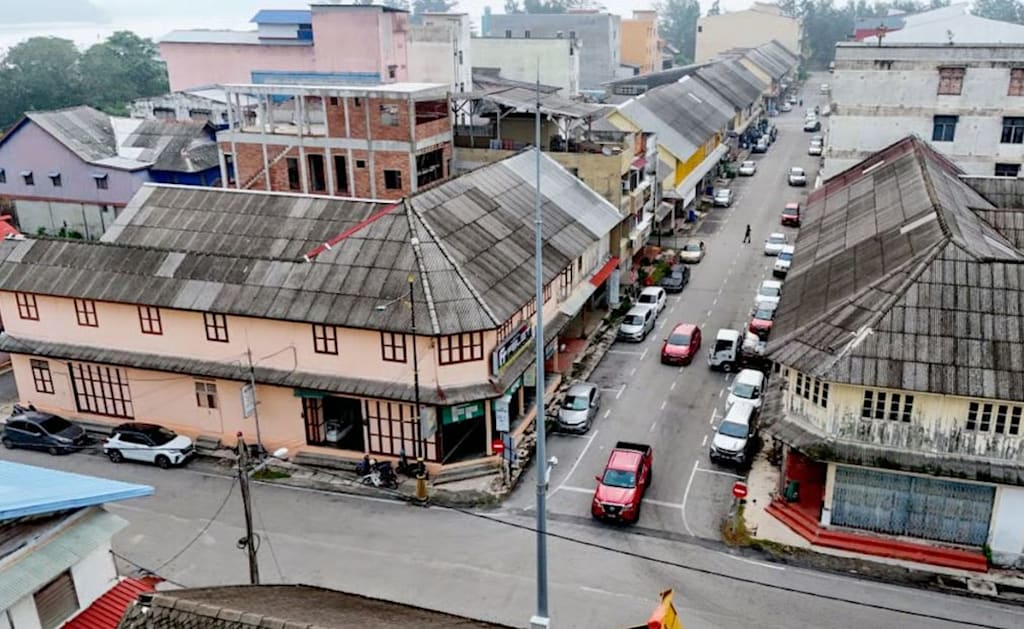
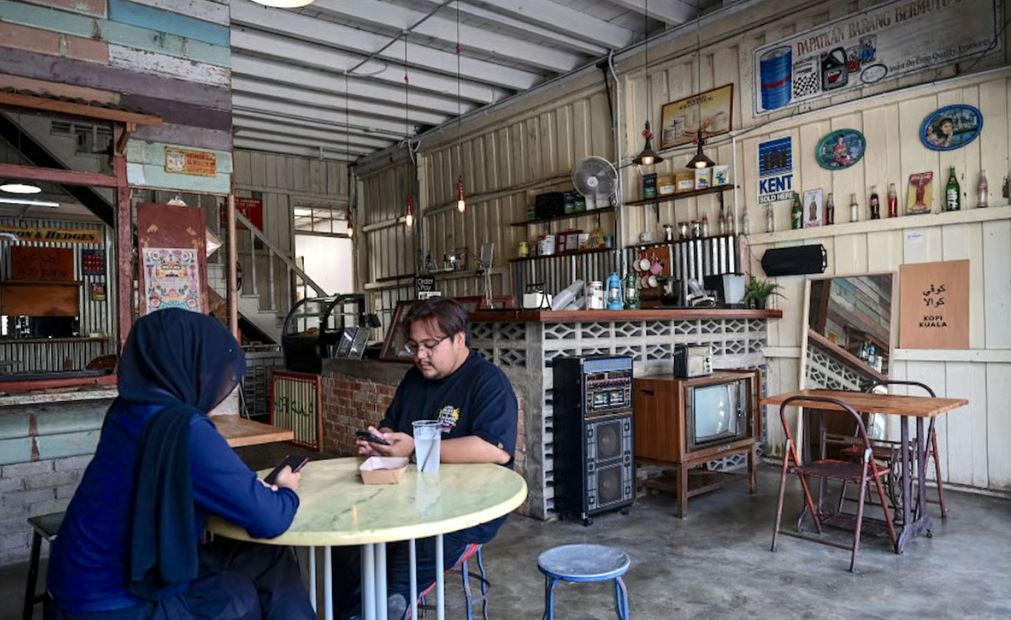
Long before concrete facades and modern shopping centres defined the commercial landscape, Kuala Dungun’s heartbeat ran through rows of graceful two‑storey wooden shophouses known locally and affectionately as kedai kayu. Standing along the town’s quiet streets today, many of these structures date back nearly a century, their timber beams, high ceilings, and enduring forms offering a living window into Terengganu’s rich mercantile past. They are not museum pieces frozen in time; they remain working, breathing places, restaurants, hardware stores, kopitiams, and family shops still serving the community exactly as they were built to do generations ago.
From Fishing Village to Mining Boomtown
The story of these shophouses is the story of Kuala Dungun itself. What began as a modest fishing settlement grew steadily into a vital trading hub, its fortunes transformed by the rise of iron ore mining in nearby Bukit Besi. From the 1930s through the 1960s, the mines brought waves of workers, capital, and commerce to the district. “The economic growth also indirectly spurred trade in Kuala Dungun, including the emergence of various shops supplying the needs of residents and workers,” recalls Ang Ah Kiang, 76, a lifelong resident and trader. At its peak, roughly 100 wooden shophouses lined the town’s thoroughfares, built between 1930 and 1960 to meet this surging demand. Even after the mine closed in 1970, the town and its buildings endured as a testament to the solid foundations laid during those bustling decades.
A Town Rebuilt in Timber
The formal shape of the historic centre traces back to 1933, when the Dungun district office reorganised the settlement, laying out purpose‑built wooden shoplots to accommodate and encourage expanding commerce. It was a moment that reshaped not only the map but also the area's social geography. Hokkien migrants from southern China had begun arriving as early as 1922, settling around the Sungai Dungun estuary to trade in groceries, seafood, and rubber. Following the reorganisation, many purchased land and newly completed shophouses, establishing deep roots in the town’s commercial life. At the same time, Malay families residing in the central area were relocated to Kampung Tanah Lot, creating distinct residential patterns that endure to this day. The kedai kayu thus stand as silent witnesses to how migration, planning, and commerce together forged the community’s identity.
Stories Woven Into the Walls
Each building carries its own history, layered over time with the lives of those who have worked within them. Kamal Hamid, 59, has run his restaurant in one shophouse since 1986, taking over from his father before him. The structure is more than 90 years old, its foundations laid in the 1930s by a former employee of the Bukit Besi mining company. “Although the building has undergone several renovations over the decades, its original structure has largely been retained,” Kamal says. It is a sentiment echoed across the town: new paint and updated interiors have been added where needed, but the soul of the place, the timber frames, the layout, the sense of space, remains unchanged. The buildings house photo studios and motorcycle showrooms, kopitiams where elders linger, and hardware stores that supply every generation. They are not relics; they are still the town’s working heart.
Living Heritage in a Changing World
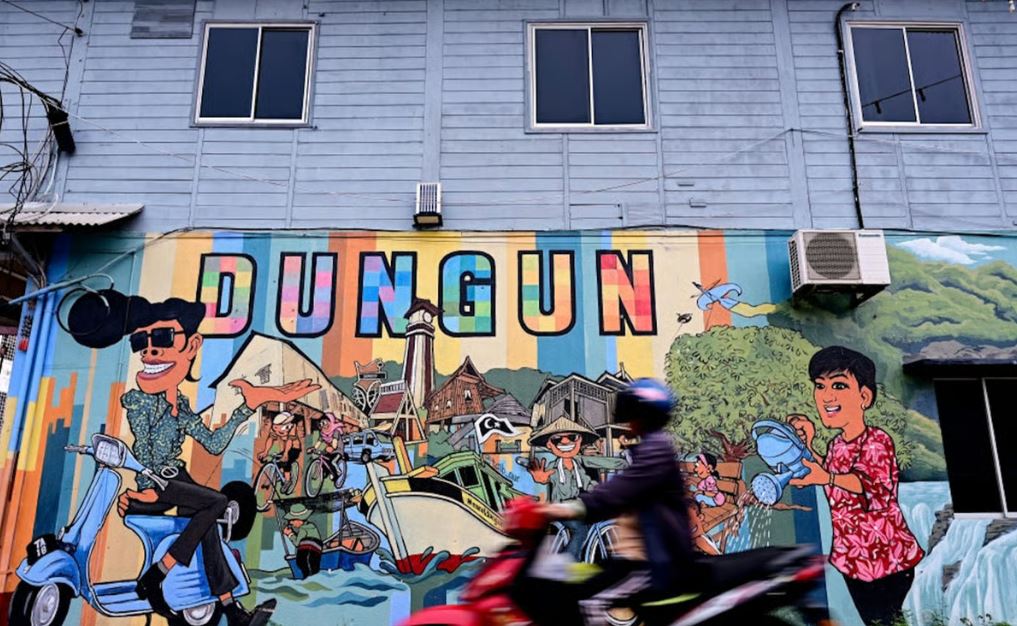
Today, colourful murals have appeared on some facades, adding fresh vibrancy to streets that have seen so much, while the rhythm of business continues much as it always has. Yet the kedai kayu face quiet pressures: timber requires constant care, modern needs sometimes strain old spaces, and newer developments draw attention elsewhere. Their survival so far is due not to formal protection alone, but to the affection and daily use of the people of Kuala Dungun. These are buildings that matter because they are used, loved, and passed down. As the years go on, they remain more than just architecture: they are the physical memory of how a fishing village grew into a town, how migrants made it their home, and how a community built itself one timber beam at a time.
About the Creator
Mark Lim
Hi I am mark an automotive student and a car, tech and food enthusiast ! Im gonna try and post daily & hope you enjoy what I write and do share my page with people you know. I would gladly appreciate it! Cheers
Enjoyed the story? Support the Creator.
Subscribe for free to receive all their stories in your feed.
Comments
There are no comments for this story
Be the first to respond and start the conversation.