
Historic Chinese Sites to Visit in California
Chinese Heritage Locations in California

The discovery of gold in California in 1848 brought a large influx of Chinese to the state not only as miners, but as workers, merchants, cooks, etc. They erected many towns throughout the state, although most were built in the northern California area due to the gold mining.
Many of the original towns and buildings no longer exist, but there is still a number of wonderful historic sites to see, including Chinatowns, temples, stores, museums, etc. Here's a look at some that you might enjoy visiting.
Oroville Chinese Temple
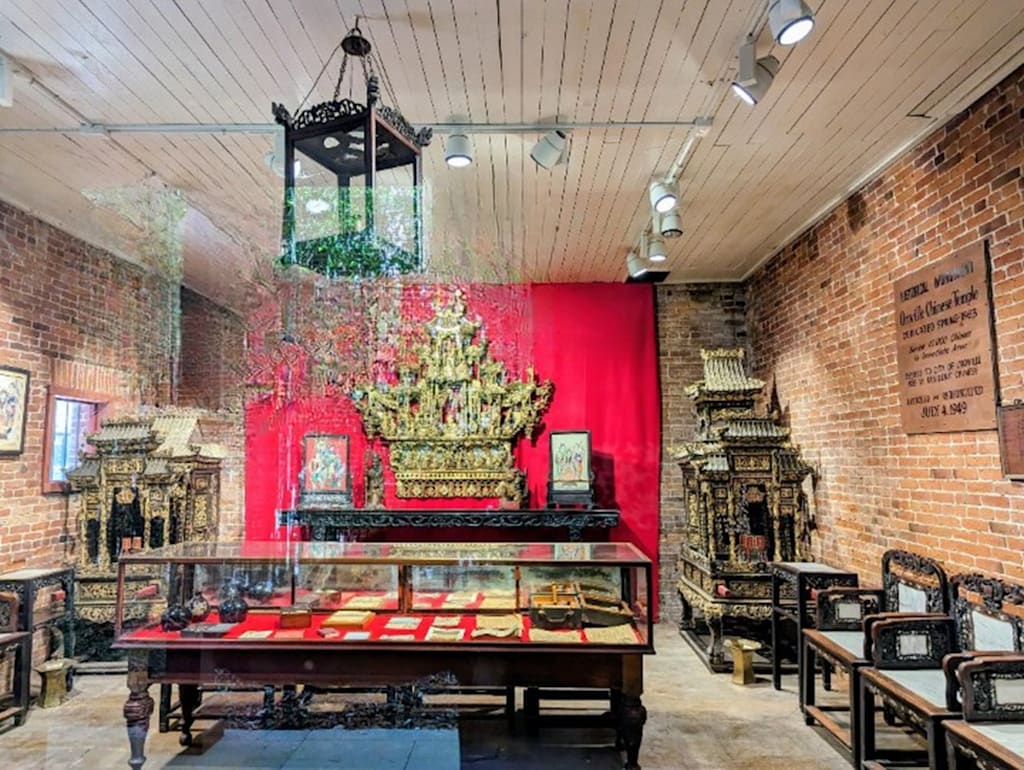
At one point during the Gold Rush days, approximately 10,000 Chinese workers resided in the Oroville area. In 1863, a brick temple was built to honor their various gods. If you enter the Oroville Chinese Temple (pictured above), you'll see an ornate hand-carved altar in which worshipers
leave offerings for the Gods.
The temple isn't the only structure worth visiting here. There's Tapestry Hall, which houses some painstakingly beautiful hand-stitched tapestries as well as the Cullie Room where you can view beautiful hand-sewn garments. The Moon Temple is dedicated to Buddha, while the Chan Room has various historic artifacts as well as drawers of Chinese herbs.
There are additional rooms to visit as well as the gardens, and don't forget to take a few minutes to relax by the peaceful koi pond.
Joss House in Weaverville
Built in 1874 by Chinese miners, the original Joss House in Weaverville built in 1863 was the oldest Chinese temple in the United States. Rebuilt 3 times due to fire, the newest temple you see today still stands. The area and the temple were turned into a state park in 1956.
The interior looks like a museum with numerous displays, from tapestries on the wall to dishware, historic artifacts, and even a Chinese dragon. The temple is still active and a place where people go to meditate and pray. If planning a visit, I suggest you check before your visit to see if any special events are going on.
Cambria Chinese Temple
When the Chinese first arrived in Cambria, they came for mining, then branched out as railroad workers and fishermen who harvested abalone and seaweed. They built a small community in the area which included businesses and small homes. All that remains today is the Chinese Temple, which has been painstakingly restored by the Greenspace Creekside Reserve.
The inside of the temple is rather modest compared to other temples in the state, but besides being used as a temple, it was also used as a social and fraternal center, and rumor has it that even games of chance were played there. It's also one of the oldest Chinese temples in Southern California.
If visiting, note the commemorative bricks in the ground on the way to the temple.
China Camp in San Rafael
Once a bustling fishing village, China Camp, located in San Rafael, was home to a highly successful shrimp fishing town with much of the shrimp exported back to China. The town had lush vegetable gardens, and small houses dotted the shoreline.
Due to the Chinese Exclusion Act, many of the town's residents left. In 1977, the area was turned into a designated state park. If visiting today, you'll find several of the original buildings, many made of wood.
Of particular interest is the museum, which provides a great history of the village. There are also hiking trails and picnic tables, so it's easy to enjoy an entire afternoon there while appreciating the history of the location.
Chinese Stores in Coloma
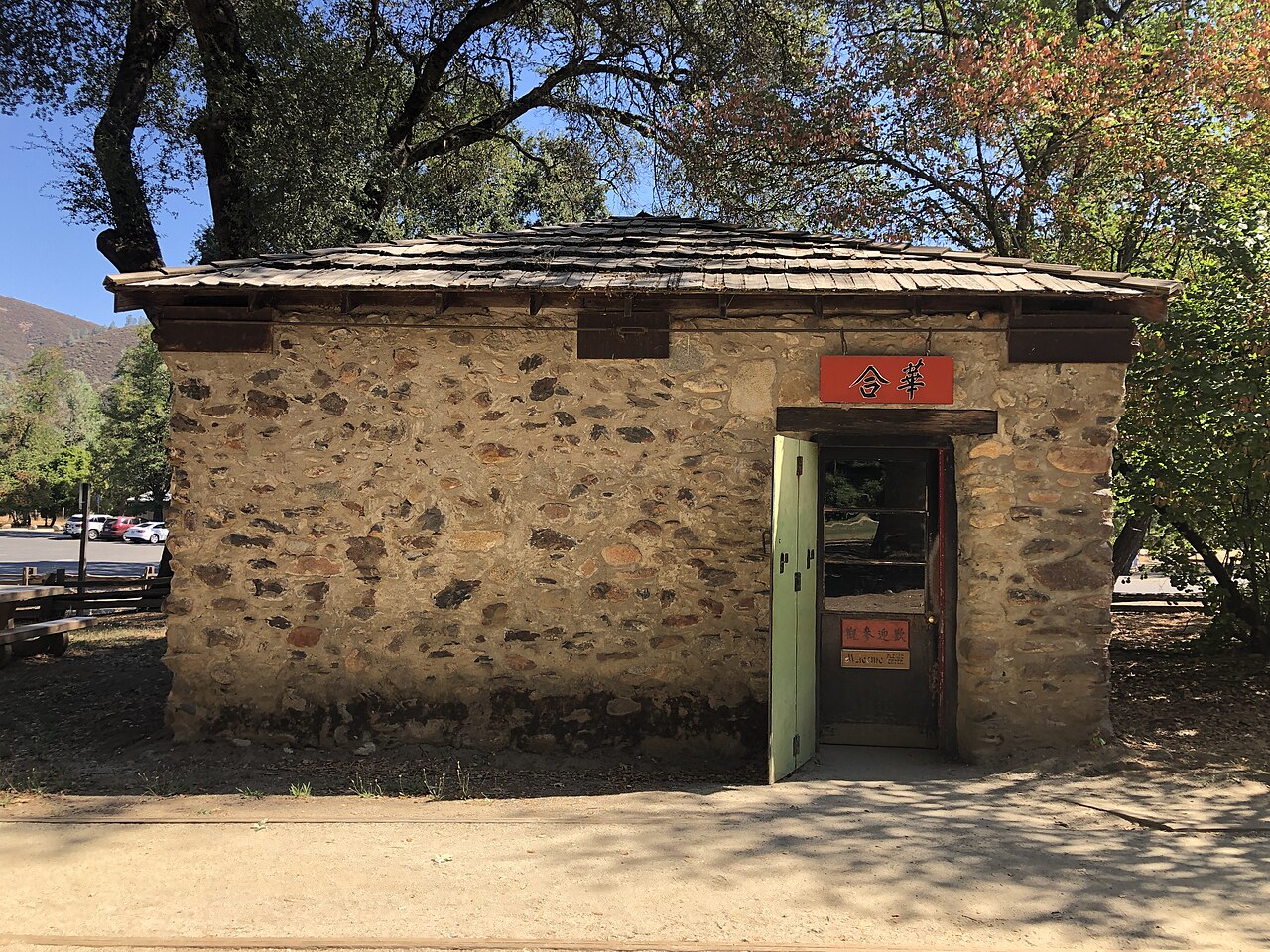
After gold was discovered at Sutter's Mill, it brought a multitude of people to Coloma, including many Chinese who settled in the area and built their own Chinatown. After a fire destroyed most of the community, only two stone buildings remained: the Wah Hop and Man Lee stores.
The stores sold Chinese supplies, which included a wide variety of herbs as well as mining equipment. Both are now open to the public and serve as mini museums showing artifacts from the past. Both are located inside the James Marshall Gold Discovery State Park. If visiting, be sure to walk over to the site where gold was first discovered in California. You can also visit the replica of Sutter's Mill.
Bok Kai Temple in Marysville
Built in 1854, the Bok Kai Temple is the only temple in the United States that honors the Bok Kai. This temple is still a place of worship, and should you visit, you'll find a variety of food offerings on the secondary altar.
Have a question you need answered? For $1.00, you can shake the Kau Chim sticks, and whichever one drops out can be turned in to get your corresponding fortune. Across the street and up a few buildings in another historic Chinese building is the Bok Kai Museum, which truly is worth a visit.
Chew Kee Store Museum in Fiddletown
The Chew Kee Store was originally built as a pharmacy and sold a wide variety of herbs used to cure different ailments. From there, it became a grocery store that not only sold groceries, but other goods as well, including gambling supplies. Afterwards, it was used as a private residence until the 1960s.
Today, the store is now a museum that holds many of the artifacts from when it was both a pharmacy and a store. You can also tour the back, which was a home where people lived. Notice the furniture and cooking supplies as well as the strips of paper hanging in the doorways to keep away the evil spirits.
Although a few other buildings remain from the days the Chinese resided in Fiddletown, this is the only building that allows you to go inside.
Whalers Cabin in Point Lobos
In 1851, a group of Chinese built what is now known as the Whalers Cabin. It was part of a much larger Chinese settlement that was erected in the area as a fishing village. This cabin is all that remains of the original village and is now a whaling museum which honors the Chinese, Japanese, and Portuguese fishermen who once called this area home. There are lots of cool antique whaling instruments, including quite an assortment of spears.
This is located in the Point Lobos State Reserve and requires a short (but easy) hike to get there from the parking lot.
Locke
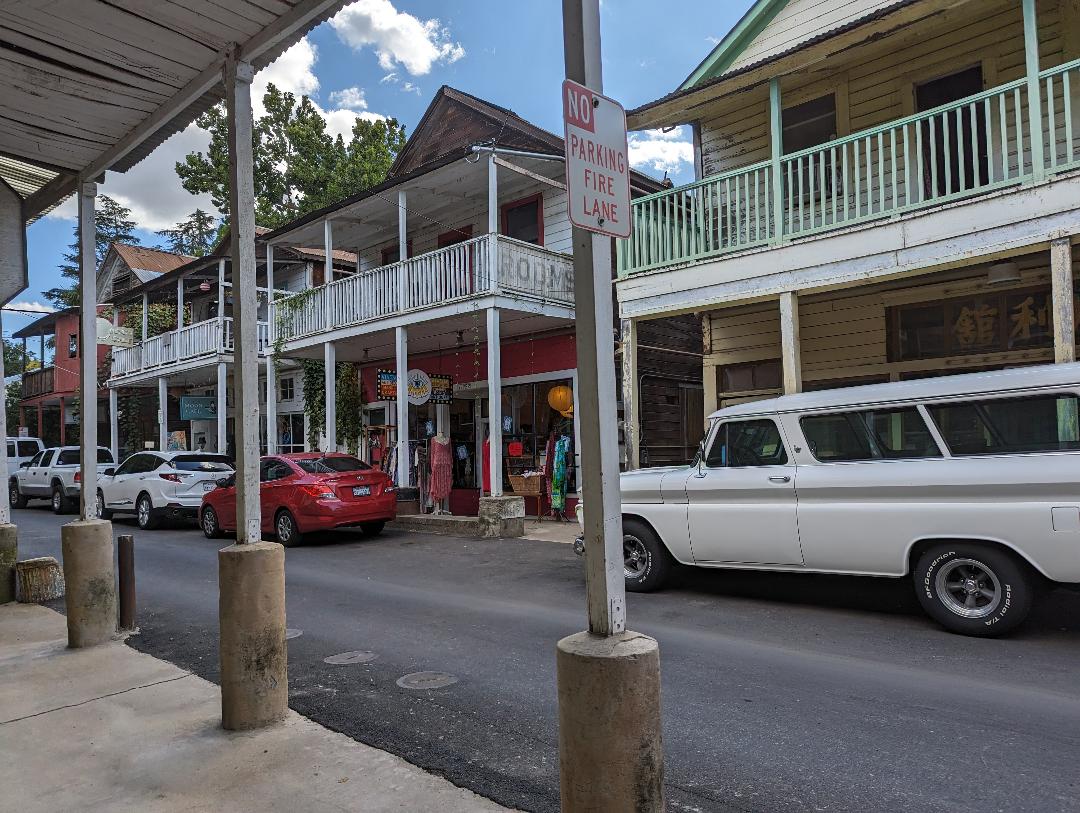
The town of Locke, located in the Sacramento Delta, has the distinction of being the only town in all of the United States that was built by the Chinese for the Chinese. The town began in 1912 with only 3 buildings, but grew from there. Although most of the buildings look worn today, they are still habitable, and while some are now shops, others act as mini museums as to what life was like back then.
You can visit the Chinese school, have a refreshment at Al the Wops Saloon, or my personal favorite, the once bustling gambling scene at the Dai Loy Museum, which has actually been featured on TV's Ghost Adventures.
Kwan Tai Temple in Mendocino
Built as a Taoist temple, the Kwan Tai Temple was erected in 1852 by early Chinese settlers in the area. It acted not only as a temple, but as a place for social activities as well.
Before entering the temple, notice the bright colors. Red is for good luck, while green is for prosperity. Once inside, you'll find a main altar with a smaller offering altar in front of it where people would bring food to offer up to the gods as well as their ancestors. Something really cool to see inside is the original gong that was used when the Chinese were chanting.
This is the only original building that remains from the various buildings once used by the Chinese in this area.
Josh House in Auburn
After the original building burned in a fire, Charles Jung Yue built the current Josh House in 1921. It served as a religious worship site, as well as a Chinese school and a hostel for travelers.
Today it serves as a museum with one of the most interesting pieces being a Taoist altar from the 1860s. The building is one of many historic buildings in the Old Town Auburn area.
China Alley in Hanford
One of the last remaining rural Chinatowns in the US, China Alley was originally built in 1877 when the Chinese arrived to first work on the railroad, then later in the farmlands.
The area consisted of homes, restaurants, shops, a school, boarding houses, and a temple. Today, eleven of the buildings remain, including a Taoist Temple from 1893, which houses a museum. Due to a fire, the temple is only open on a limited basis and usually by appointment, so if visiting, check in advance for its current status.
Ah Louis Store in San Luis Obispo
The Ah Louis Store is situated in what was once the heart of the Chinatown area of San Luis Obispo. It has previously served as a store, bank, and post office. Today it's home to Karson Butler Events, which is a retail gift shop.
What's so wonderful about this shop is that it has kept everything historical. If you visit, you'll find original flooring and lighting as well as historic shelves, a cash register, and drawers. Although the property is rented out, it is still owned by the Ah Louis family.
Chinatowns in California
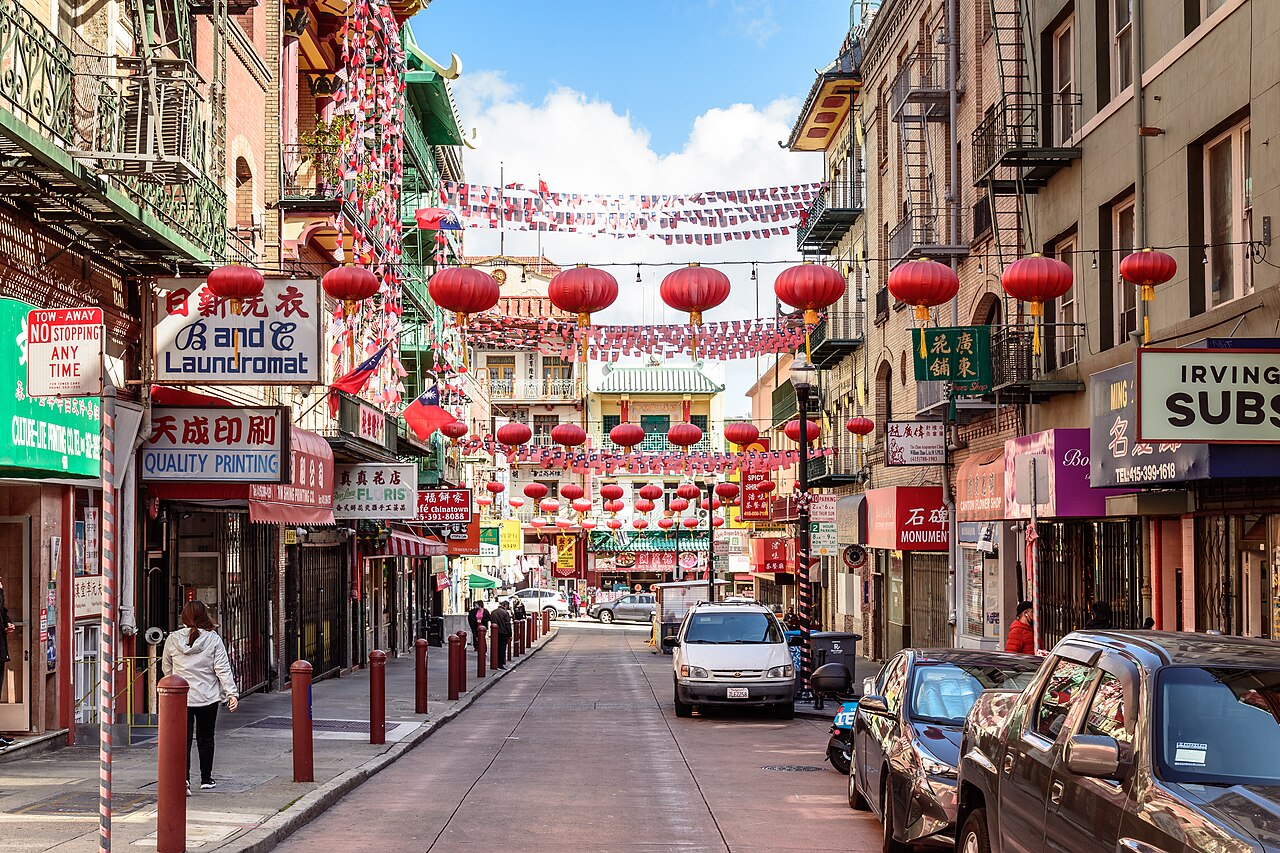
One of the best ways to experience Chinese culture is by visiting one of the Chinatowns in the state. These are mostly in big cities, with two of the largest being in Los Angeles and San Francisco.
The current Los Angeles Chinatown was built in 1938 after the original was torn down in order to build Union Station. Here you'll find some very decorative architecture as well as the Thien Hau Temple, which is dedicated to the ocean goddess Mazu. If visiting, be sure to check out the Chinese American Museum.
Chinatown in San Francisco is the largest Chinatown in North America. Some must-sees include the Golden Gate Fortune Cookie Factory, Tin How Temple, and the Chinese Culture Center. You'll also find lots of beautiful artwork and murals along the streets. (For some extra fun, you can access Chinatown via a cable car.) Additional Chinatowns in California are located in San Diego, Sacramento, and Oakland.
These locations give a good look into the culture and lives of the Chinese people in California through art, food, ceremonies, goods, architecture and more. Visiting a Chinatown is a real opportunity to look into the lives of people of another culture.
California Chinese Sites
As you can see, there are quite a few historic Chinese locations that you can visit throughout the state. While the state's Chinatowns are open every day, check with some of the other locations before visiting to know the days and hours they are open, then enjoy some of the wonderful historic locations and heritage that the Chinese brought when they came to California.
About the Creator
Janis Masyk-Jackson
I published my first article when I was 10 years old and I've been writing ever since. I'm a mom to 4 grown kids and I love traveling, animals, the paranormal and I'm a huge Disney fan.
Enjoyed the story? Support the Creator.
Subscribe for free to receive all their stories in your feed. You could also become a paid subscriber, letting them know you appreciate their work.
Comments