


Bohemian Paradise (Český ráj) is a protected landscape area in the Czech Republic, famous for its unique sandstone rock formations, deep gorges, and numerous castles, making it the country's first protected natural area (1955) and a UNESCO Global Geopark (2015). It offers a fairytale landscape with "rock cities," labyrinths, and historic sites like Trosky Castle, accessible via extensive hiking and biking. We, (Wildthingsbeads) have been coming there since 1996, when we started importing glass beads , buttons and glassware from the region, for which it is world famous for. The region is known as the Crystal Valley., and that is the main reason we come to the region, but Bohemian Paradise is so beautiful and interesting that it is just the cherry on top to come here.
Key Features
Geology: Eroded sandstone towers, rock labyrinths, and formations like the Prachov Rocks, Hrubá Skála, and Příhrazské Rocks.
History: A rich collection of castles (e.g., Kost, Trosky), chateaus (e.g., Sychrov), and folk architecture.
Activities: Hiking, cycling, canoeing, and exploring trails that connect natural wonders with historical landmarks.
Designations: The first Protected Landscape Area in Czechoslovakia (1955) and the first UNESCO Global Geopark in the Czech Republic (2015).
Location & Landscape:
Located about 90 km northeast of Prague, extending into the Central Bohemian, Hradec Králové, and Liberec regions.
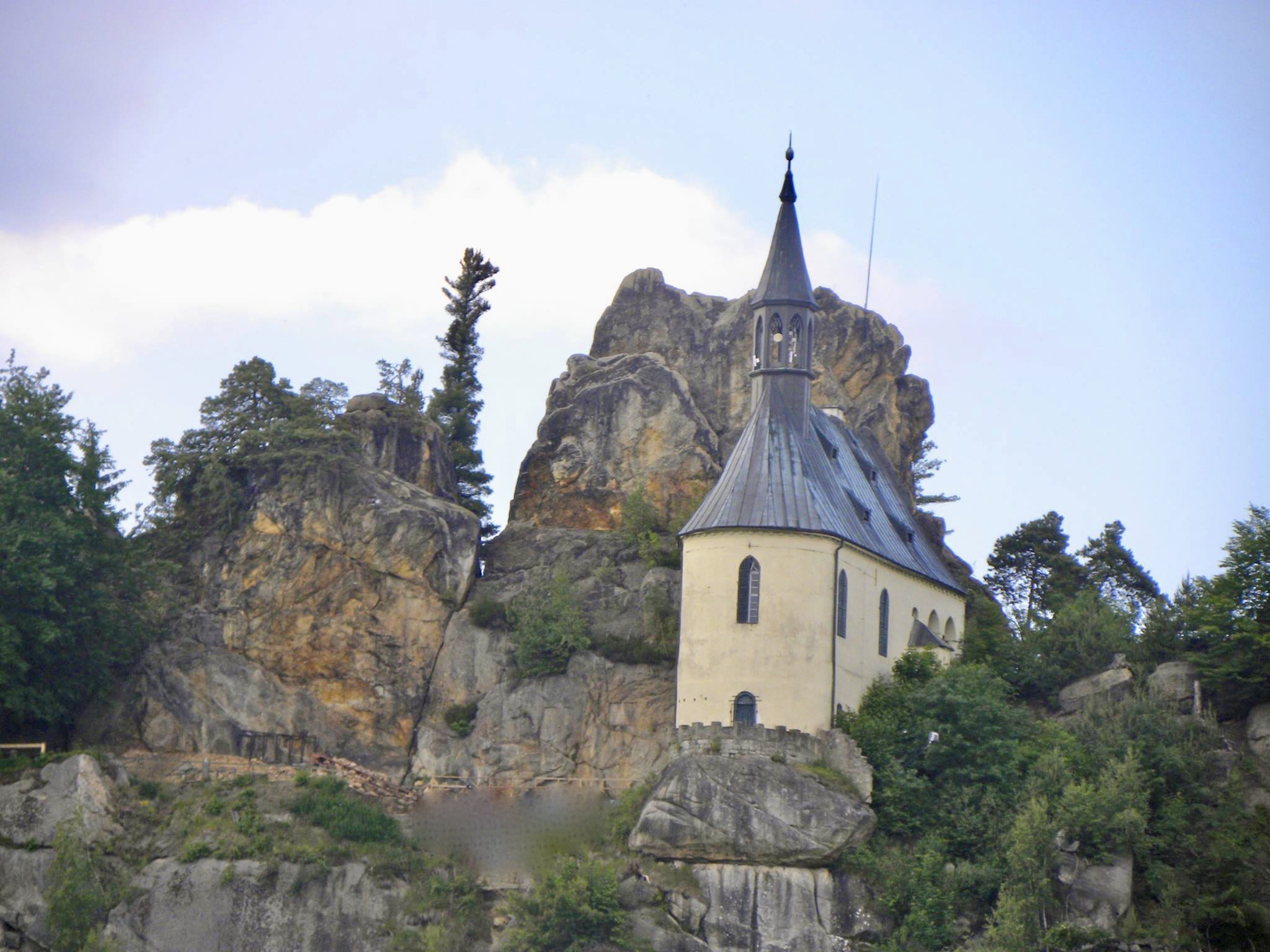
Features a diverse landscape of forests, meadows, ponds, and volcanic hills, with the Jizera River flowing through it.
Why it's special:
The name "Bohemian Paradise" was coined in the 19th century to describe its picturesque beauty.
It's a prime example of how geological heritage, nature, and human history intertwine, with a focus on sustainable tourism.
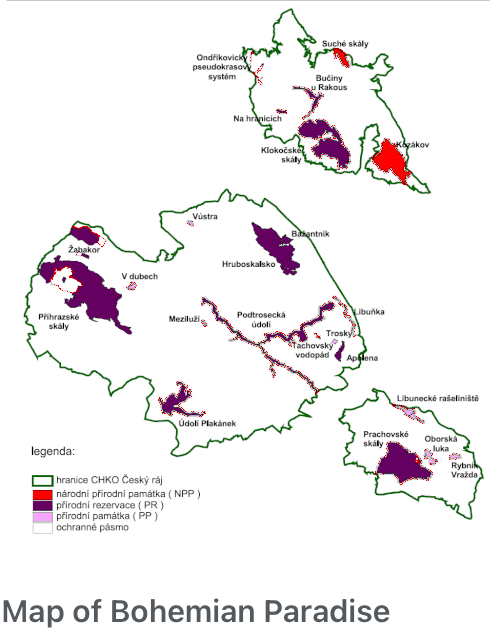
The region is located between the towns Jičín, Turnov, Železný Brod and Sobotka. The protected landscape area consists of three separate parts. The main river in the area is the Jizera.
We have been to most of the larger towns in Cesky Raj, and many of the smaller villages, while trying to find the bead and button factories that are hidden in the area, as well as antik shops, museums and schools that support the glass industry. Every year we find something new. It’s never ending, which makes this region and this industry so fascinating for us.
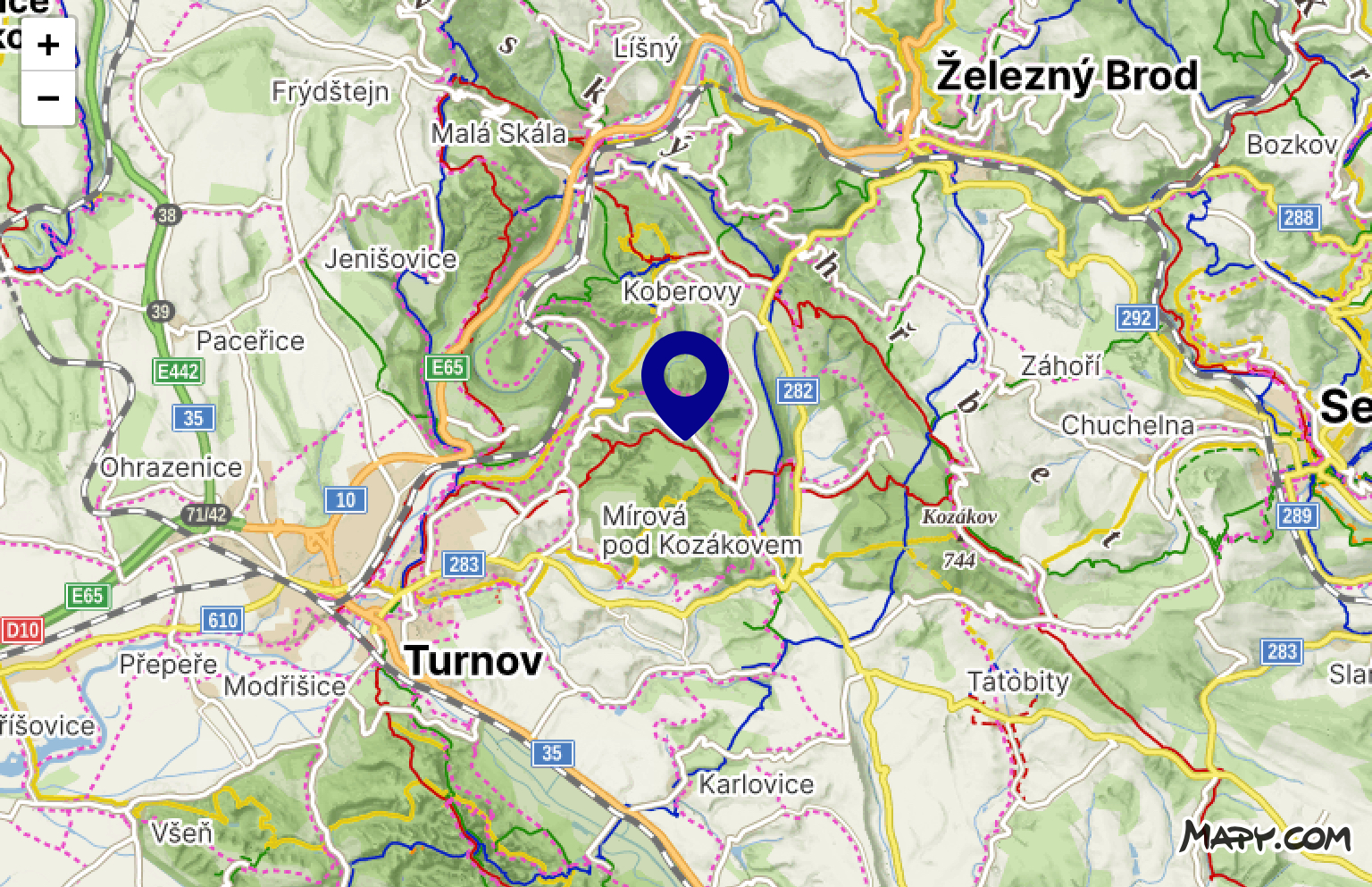
From geomorphological point of view, Bohemian Paradise is located mostly in the Jičín Uplands, only the northern part extends into the Ještěd–Kozákov Ridge. The highest point of the protected area is the hill Kozákov at 744 m (2,441 ft). The lowest point is at 233 m (764 ft).
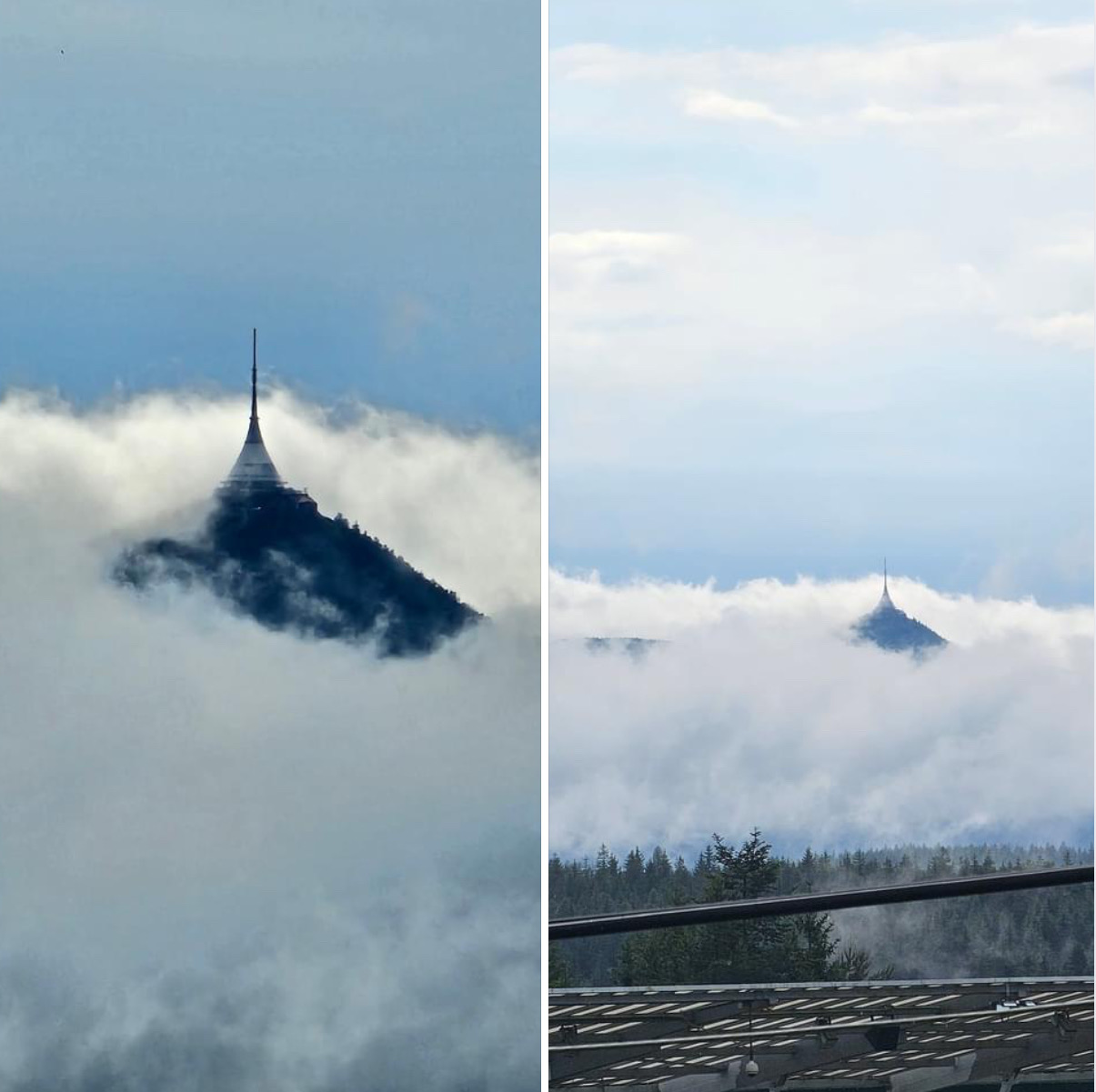
Ještěd is a mountain in the Czech Republic, famous for its iconic, futuristic tower that houses a hotel, restaurant, and TV transmitter, making it a landmark for the city of Liberec at its base. The unique hyperboloid-shaped structure, designed by Karel Hubáček, is accessible by road or cable car and offers panoramic views of Germany, Poland, and the surrounding landscape, with activities like hiking and skiing available year-round.
The Tower
Design: A hyperboloid structure built between 1966 and 1973, designed to integrate with the mountain's shape.
Interior: Features a hotel with retro-style rooms, a restaurant, and technical facilities for broadcasting.
Significance: A symbol of the region and a well-known example of Czech architecture.
The protected area was declared in 1955, as the first nature reserve in the country. At first, it was 95 km2 (37 sq mi) in area. In 2002, the area increased to the current 181.17 km2 (69.95 sq mi).
Natural environment
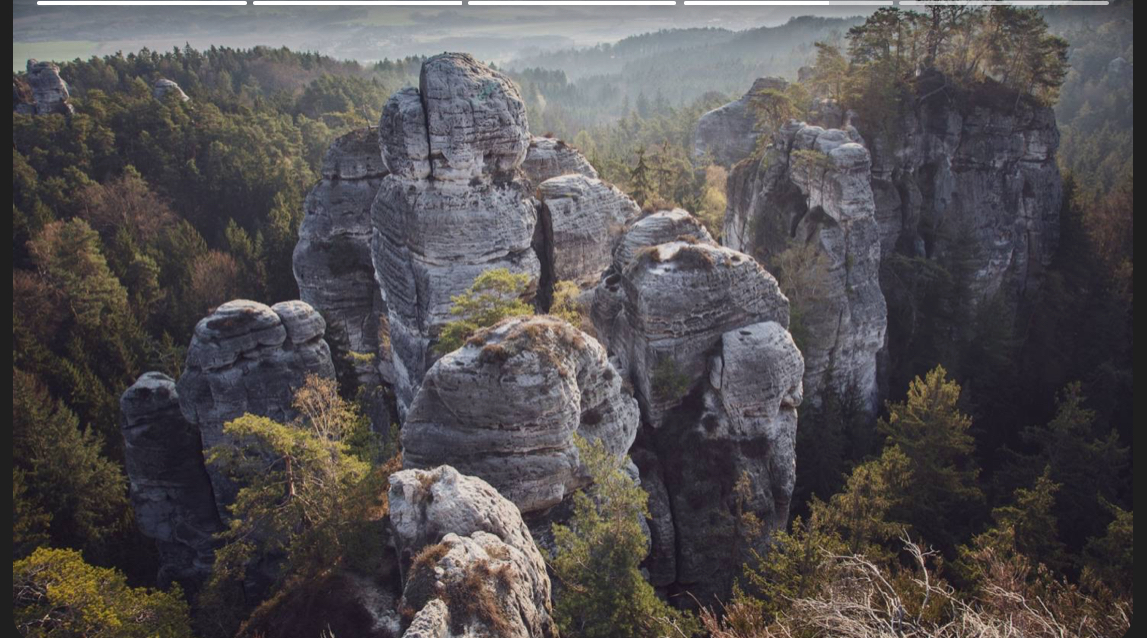
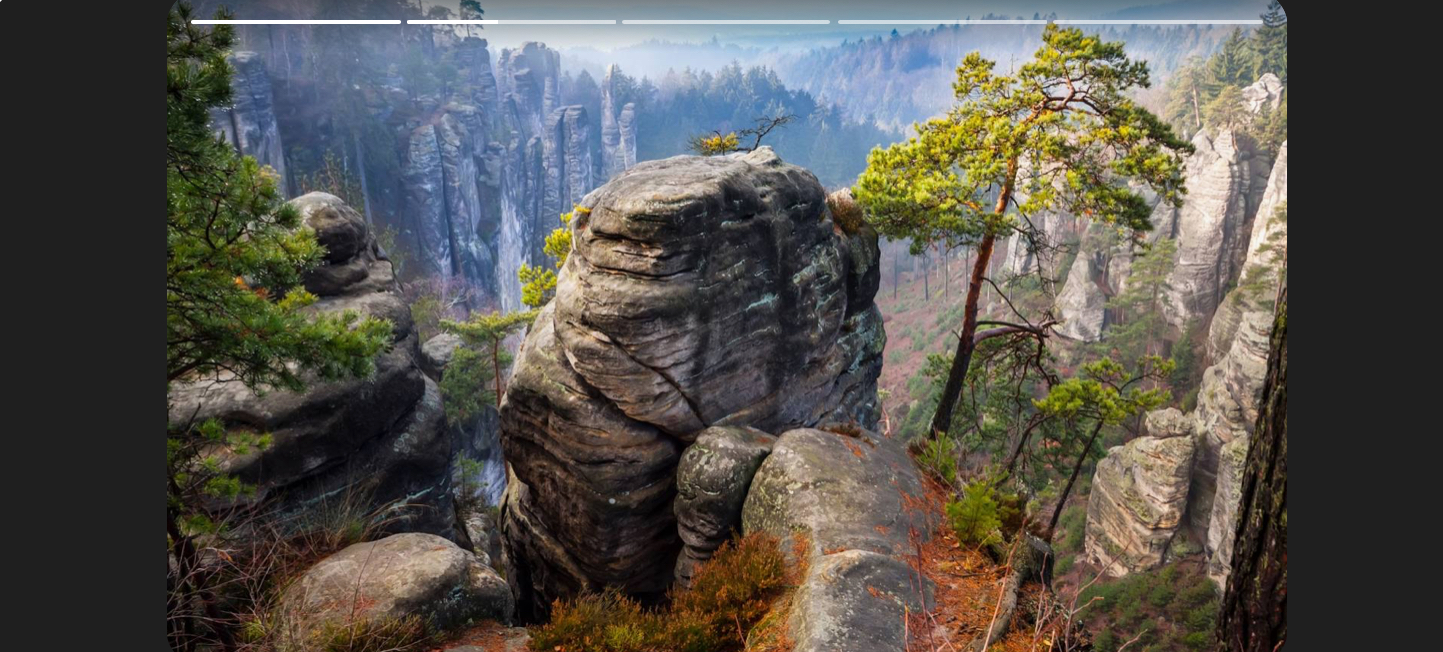
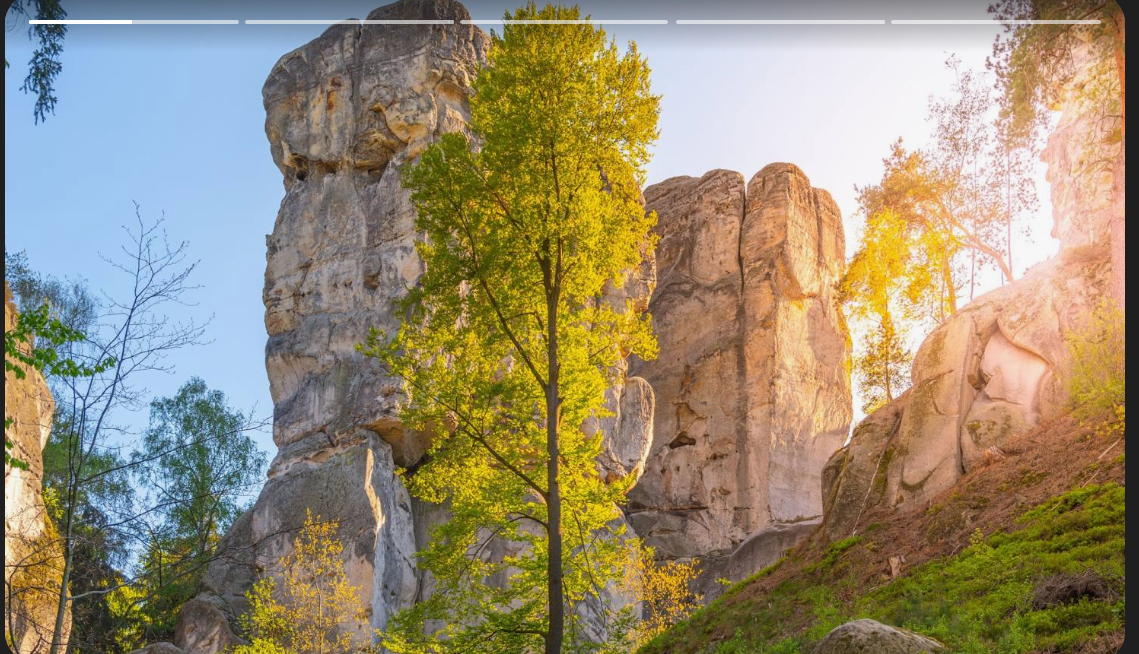
One of the most recognizable elements of Bohemian Paradise is the sandstone rock which many of the surrounding towns are constructed of. There are many rocks which have been shaped by wind, water, frost, erosion, and humans into unique shapes. These include, for instance, the Hrubé, Suché, and Klokočské Rocks.
Prachovské skály
The Prachov Rocks area of rock formations is particularly noteworthy. Since 1933, the area with 60 million year old formations has been a protected natural reserve. Some scenes for major television and film productions were filmed here.
The Hrubá Skála rock town area (Hruboskalské skalní město), with volcanic sandstone pillars, is also significant. A chateau, also called Hrubá Skála, is located high up on a rock platform. The original mansion was built in the 14th century but was extensively damaged over the years and re-built several times, finally in the style of a Renaissance chateau. The property is now operated as a hotel and spa.
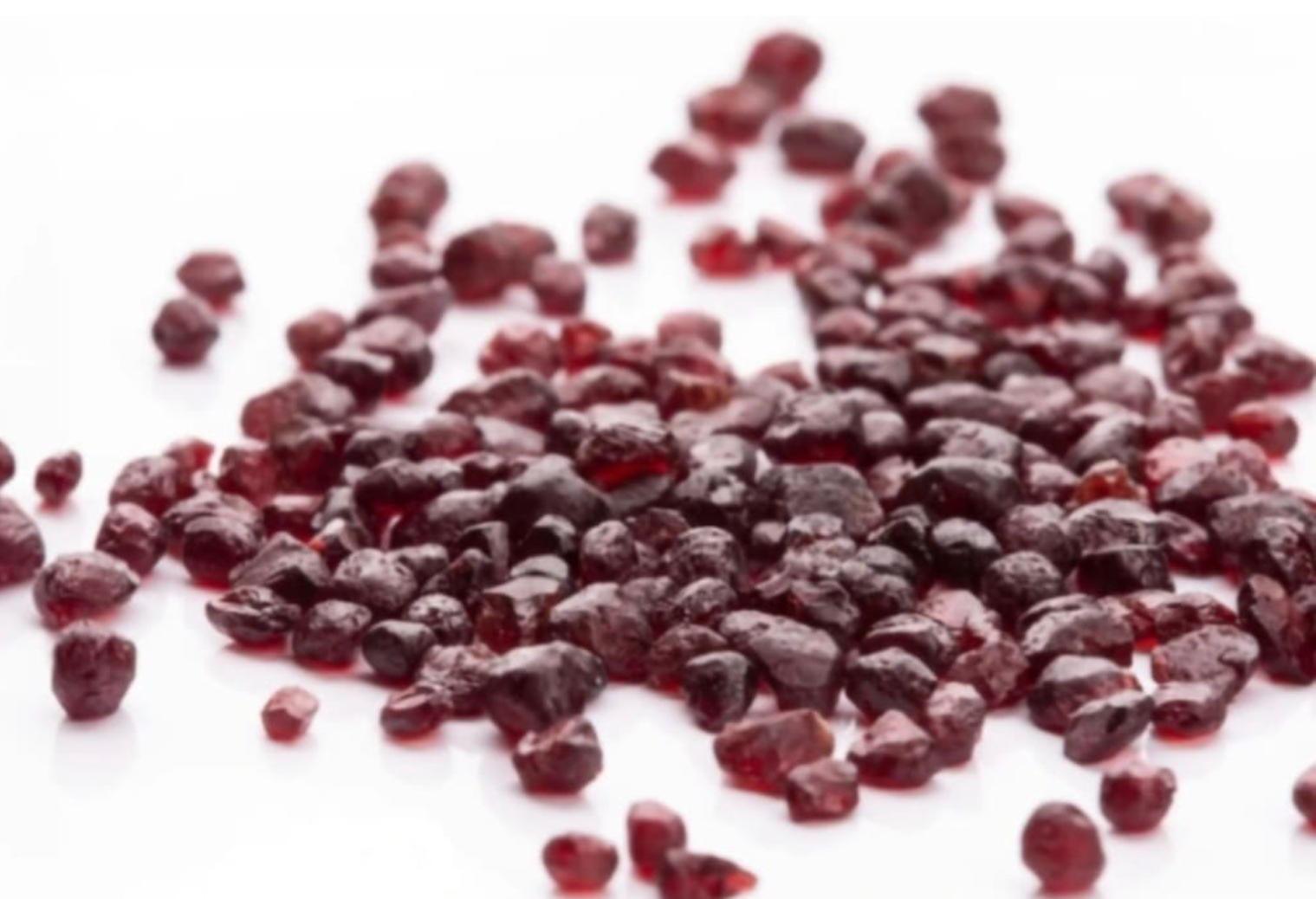
Kozákov is the highest hill in the area. There are a tourist chalet and a lookout tower. Kozákov was originally a volcano. Thus, it is a place where Czech garnet gemstones are found. The treatment of these gems has been connected with the history of the city of Turnov called "The heart of the Bohemian Paradise" for several centuries.
Trosky Castle, consisting of two 14th-century ruins, is located high on the summits of two basalt volcanic plugs, 15 km from Turnov; the caves nearby can also be visited.
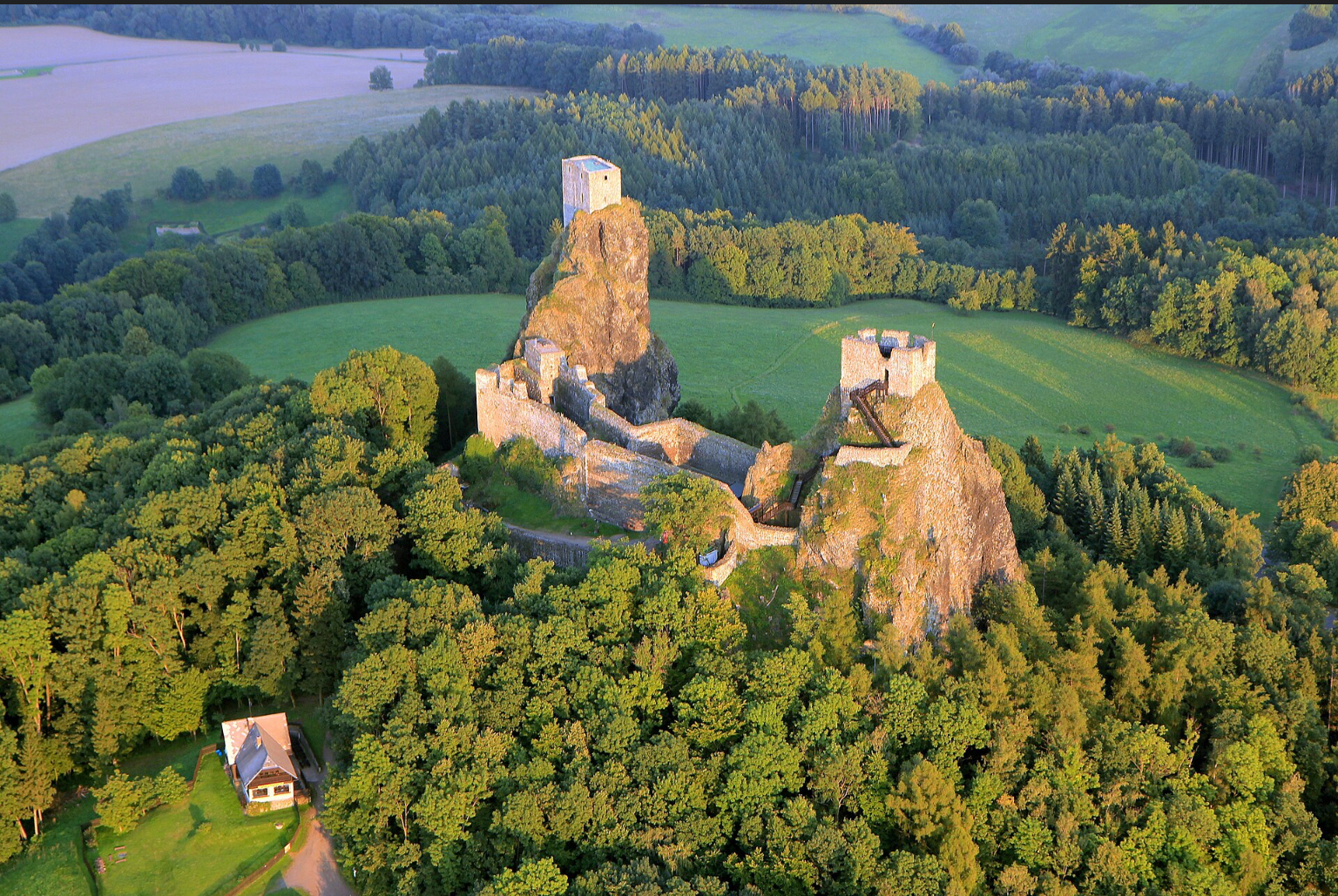
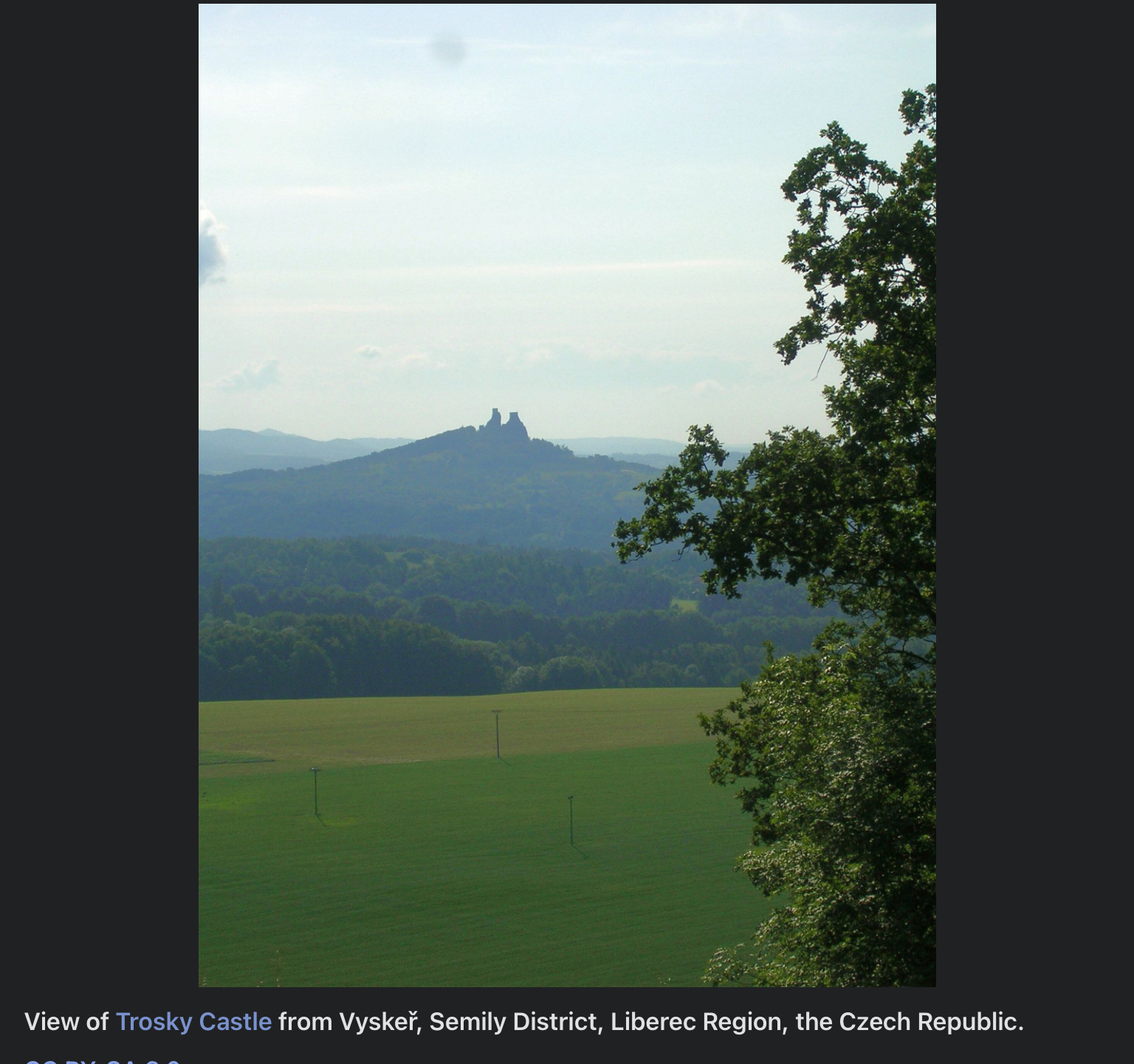
Other places of interest in Bohemian Paradise are the Bozkov dolomite caves, which contain the largest underground lake in the Czech Republic.The Podtrosecké Valley is situated below the ruins of Trosky Castle, one of the symbols of Bohemian Paradise. The valley is known for its countryside and several ponds, e.g., Věžák, Nebák, Vidlák. Plakánek valley begins near the Kost Castle and ends in the settlement Rašovec. There is a cycle route in this area. There are also a variety of ruins in the region, including Frýdštějn Castle and Valdštejn Castle
Two well-known castles in the area are Trosky and Kost. Other castles in the area include Sychrov, Hrubý Rohozec, Hrubá Skála, and Humprecht. There are also many castle ruins, such as Frýdštejn and Valdštejn, and some buildings built in folk architecture style, for instance, Dlaskův and Boučkův Estates.
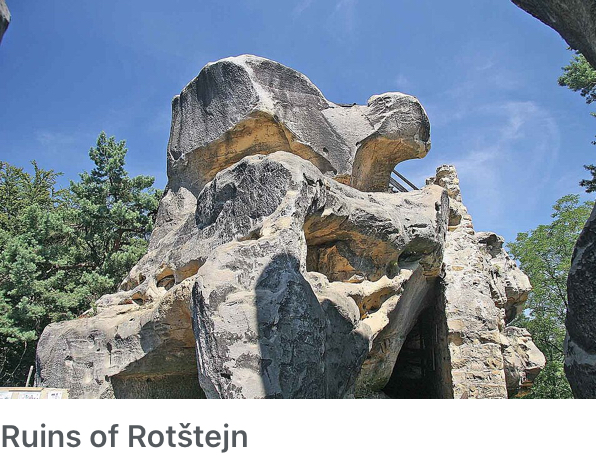
Rotštejn (German: Rothenstein) is a ruined rock castle around 9 kilometres (6 mi) east of Turnov on the border of the Nature Reserve "Klokočské rocks". The castle was partially built of stone walls and partially carved in the sandstone rocks where it stands. The most famous owner of the castle though was Wok II of Rotštejn.
Ruins of Rotštejn
The castle was built shortly before 1250 by members of the Markwartic family. The first owner cited was Jaroslav of Hrutwice, today Hruštice, who built the castle for his son Vok of Rotštejn. For his second son, Zdeněk, he built Valdštejn Castle and became the founder of the Waldstein family.
In 1360 the castle was in the possession of Ješek of Rotštejn, who obtained permission from Charles IV to hold a weekly market in the nearby village of Klokočí. In the year 1415, the Rotštejn family died out and the whole estate fell to Andrew and Vanek Paldrovi Varina, who owned the entire estate throughout the Hussite Wars. The castle was probably burned by the Hussites, unlike other neighboring castles, such as Návarov Castle. According to other sources, the castle was conquered in 1426, but its landlord lived on a farm in the nearby village of Klokočí. Hussite presence at the castle is not confirmed by archaeological findings and written sources. In a later written mention of the castle in 1540, it is reported as abandoned, with the rocks and walls demolished in the courtyard.
To further contributed to the destruction of the castle was the natural erosion of the sandstone rocks. In a report of 1514 the castle was considered abandoned with walls and rocks warped in the courtyard. During the Thirty Years' War in the beginning of the 17th century, this place was used to shelter people from the soldiers. Residents were hiding in cavities carved into the sandstone rocks that were mistakenly considered part of the castle stables.
Rotštejn Castle was erected with strong elements of brick architecture. Adjacent rocks, which also served as part of the defense system. Safety elements were supplemented by the usual means of that time, such as gateways, bridges, bastion. These structural safety elements, however, have been preserved, but can only be seen in carved niches. All castle walls disappeared. The form of the castle was preserved in written documents.
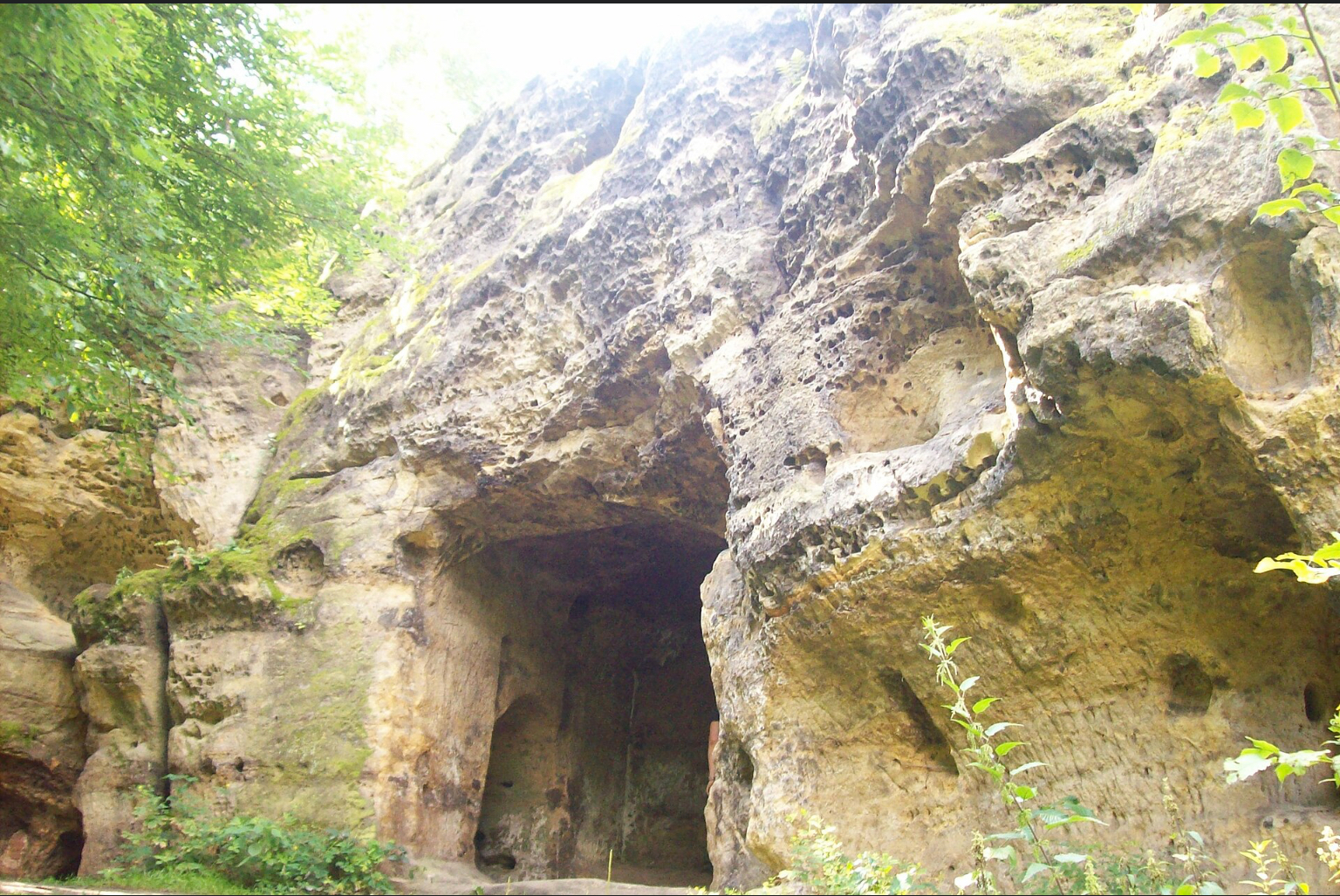
Since 1988 the civil protection association of Klokočské rocks led chatelaine H.T. Hlubučková. Wooden walkways and paths were built, through which visitors can get to the top of the castle and view a panorama of the Klokočské rocks. The castle area is also a small center for environmental and ecological education.
Legend:
According to a legend treasure was hidden under Rotštejn. Several people from the surrounding area gathered to look for the treasure on Easter Friday. On this day the earth cracked before them and a pile of money appeared like dancing blue flames. Only one of them dared to go for the treasure. The earth closed over him and he fell asleep beside the treasure. When he awoke, he did not see the treasure. For some time he looked for a way back home, when he found the way he returned home. There he realised that he was away from home for a whole year and that his neighbors discovered the treasure. But the quest for the treasure cost their lives. For a time he was happy with what he was given by his honest friends, and soon he traveled to where money is not worth a thing, where the real treasure is what men have in their hearts.
About the Creator
Guy lynn
I’m interested in history, space travel and the possibilities, Americana,( where I live now), Africa (Southern Africa, where I was born and raised), and I write about things that interest me ( bead history) and I hope will interest you.
Enjoyed the story? Support the Creator.
Subscribe for free to receive all their stories in your feed.
Comments
There are no comments for this story
Be the first to respond and start the conversation.