

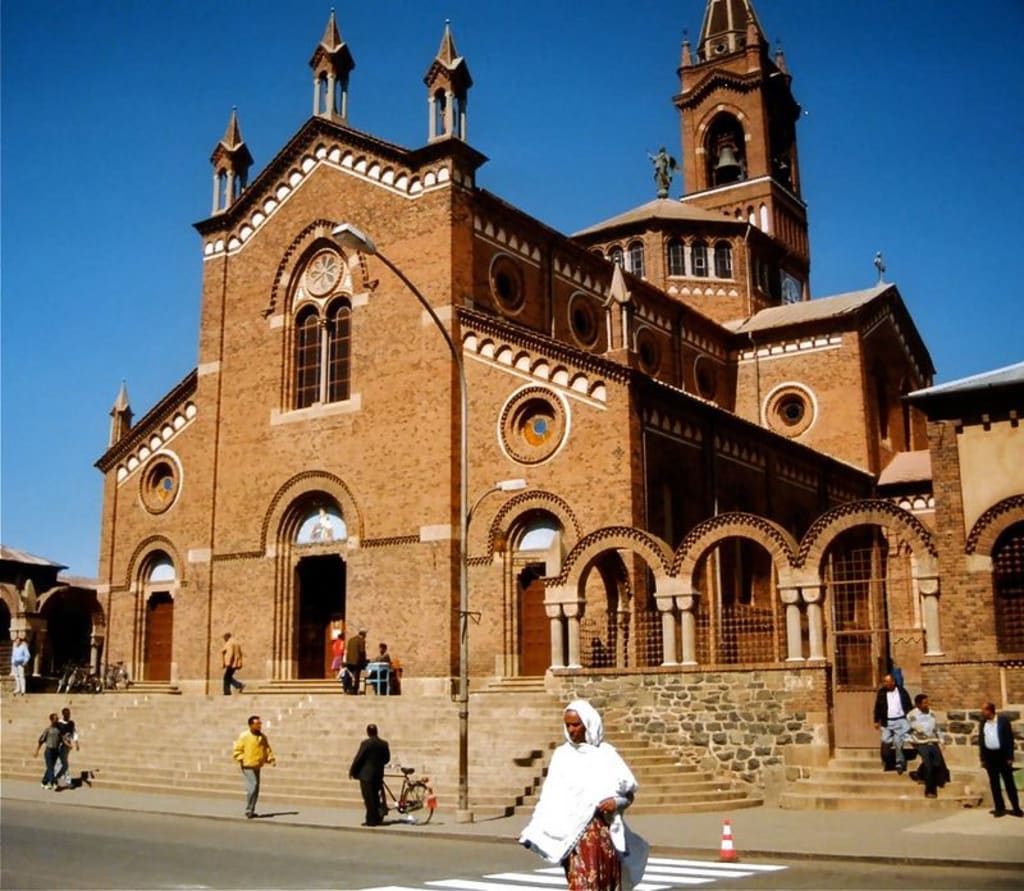
Eritrea, officially the State of Eritrea, is a country in the Horn of Africa region of East Africa. Its capital and largest city is Asmara.
Asmara
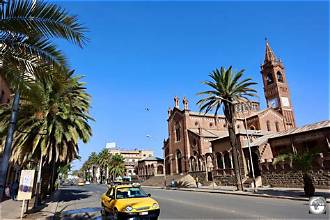
Asmara, the capital of Eritrea, is renowned for its modernist architecture, developed during Italian colonial rule from the 1910s to the 1940s. It is recognized as Africa's first modernist city and was inscribed as a UNESCO World Heritage Site in 2017 due to its well-preserved architectural ensemble.
Asmara Cathedral, officially known as the Church of Our Lady of the Rosary, is a prominent Romanesque-style Catholic cathedral. Built in 1923, it serves as a significant religious and architectural landmark in the city, showcasing exquisite frescoes and a striking tower visible from various parts of Asmara.
Dahlak Archipelago
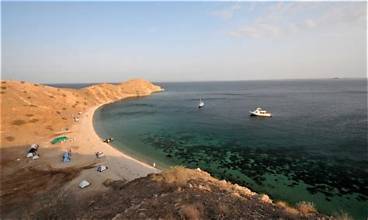
The Dahlak Archipelago is an Eritrean island group located in the Red Sea, comprising over 200 islands, and is known for its pristine coral reefs, rich marine life, and historical significance, particularly in pearl diving. It consists of two main islands and over 120 smaller islets, primarily of coral origin. The pearl fisheries of the archipelago have been famous since Roman times, continuing to produce pearls today.
Debre Bizen Monastery
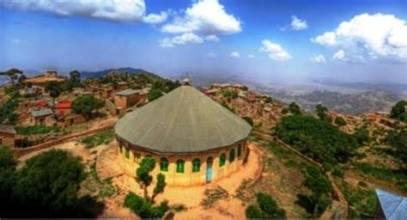
Debre Bizen Monastery is a significant Orthodox Christian site founded in the 1350s by Abba Filipos. Perched at an elevation of approximately 2,460 meters, it serves as a historical and spiritual beacon, housing important manuscripts and relics of the Eustathian monastic tradition. Established in the 1350s by Abba Filipos, a student of Abba Absadi. The monastery's library contains valuable Ge'ez manuscripts, preserving Eritrea's religious history.
Filfil Rainforest
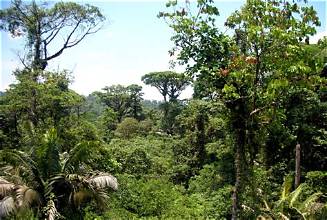
Filfil Rainforest, also known as Filfil Solomuna, is the last surviving patch of lush tropical forest in Eritrea, located on the eastern escarpment between the highlands and the coast. This unique ecosystem is rich in biodiversity, featuring a variety of flora and fauna, including numerous bird species and monkeys. Unlike much of Eritrea, which is arid, Filfil enjoys a cool and misty climate, providing a stark contrast to the surrounding landscapes. This area has survived periods of severe deforestation that affected much of Eritrea, highlighting its ecological significance.
Keren War Cemetery
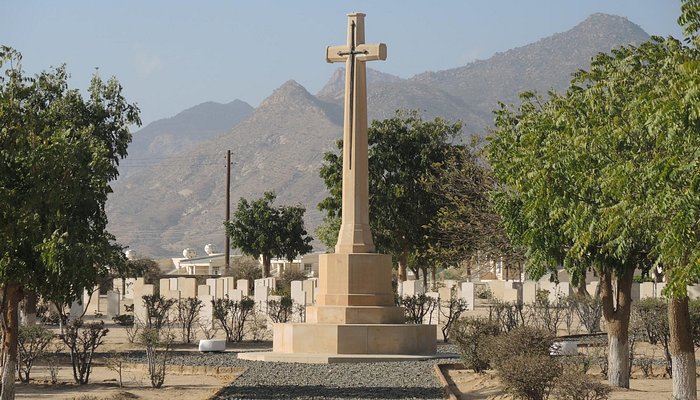
The Keren War Cemetery is a memorial site dedicated to soldiers who lost their lives during World War II, particularly in the Battle of Keren in 1941. It serves as the final resting place for Commonwealth soldiers and reflects the historical significance of the region during the war. It contains 440 Commonwealth burials and a memorial for 2,850 soldiers who died in the Battle of Keren. The site honors soldiers from diverse backgrounds, including British, Italian, Sikh, Muslim, and Jewish troops. Visiting the cemetery requires a permit from Asmara, highlighting its protected status as a historical site.
Massawa Old Town
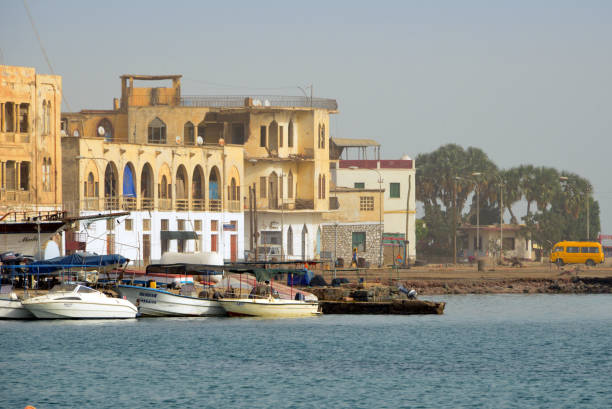
Massawa Old Town is a historic port area known for its unique blend of Ottoman, Egyptian, and Italian architecture. This picturesque town is spread across coral islands and serves as a gateway to the Dahlak Archipelago, offering rich cultural experiences and beautiful seaside views. It has been a settlement for over 1500 years, flourishing particularly between the 16th and 19th centuries. The town features a mix of Ottoman, Egyptian, and Italian architectural styles, reflecting its diverse history. It is situated on low coral islands connected by causeways, enhancing its scenic beauty.
Qohaito
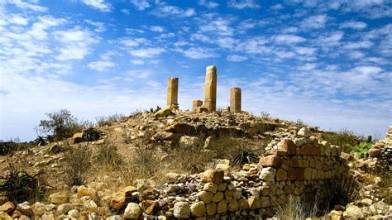
Qohaito is an ancient city known for its rich archaeological heritage and pre-Aksumite ruins. This historical site features rock-cut tombs and remnants of a once-thriving civilization, making it a significant destination for cultural and educational tourism. It was a major settlement during the pre-Aksumite period, thriving before the rise of the Aksumite Kingdom. The site includes rock-cut tombs and a mysterious dam, showcasing advanced engineering for its time.
Sembel
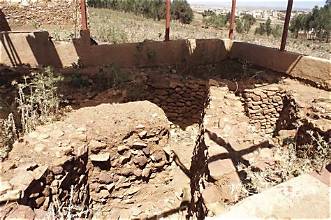
Sembel is an archaeological site located near Asmara, dating back to around 800 BCE. It is significant for its association with the Ona culture and provides insights into early agropastoralist settlements in the region. The site is linked to the Ona culture, which thrived between 800 and 400 BCE, predating the Aksumite Empire. Findings at Sembel indicate it was one of the earliest known agropastoralist settlements in the Horn of Africa.
About the Creator
Rasma Raisters
My passions are writing and creating poetry. I write for several sites online and have four themed blogs on Wordpress. Please follow me on Twitter.
Enjoyed the story? Support the Creator.
Subscribe for free to receive all their stories in your feed. You could also become a paid subscriber, letting them know you appreciate their work.
Comments
There are no comments for this story
Be the first to respond and start the conversation.