

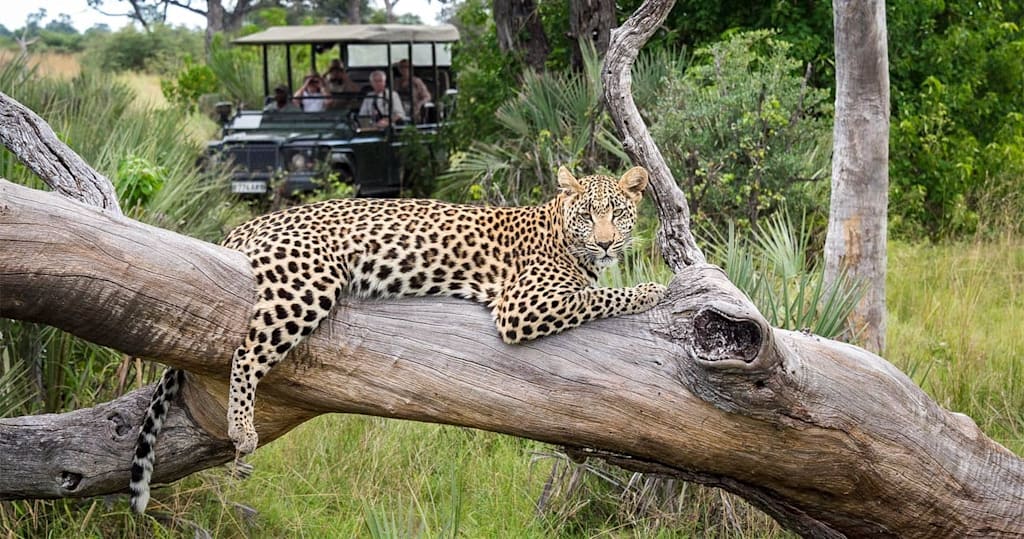
Botswana is located in Southern Africa. It is a landlocked country bordered by South Africa to the south and southeast, Namibia to the west and north, Zimbabwe to the northeast, and Zambia to the north.
Central Kalahari Game Reserve
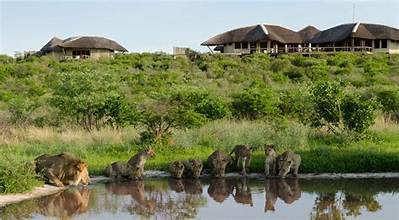
The Central Kalahari Game Reserve (CKGR) is the second-largest game reserve globally and the largest protected area in Botswana. It crosses the wide sandy plains of the Kalahari Desert in the center of Botswana.
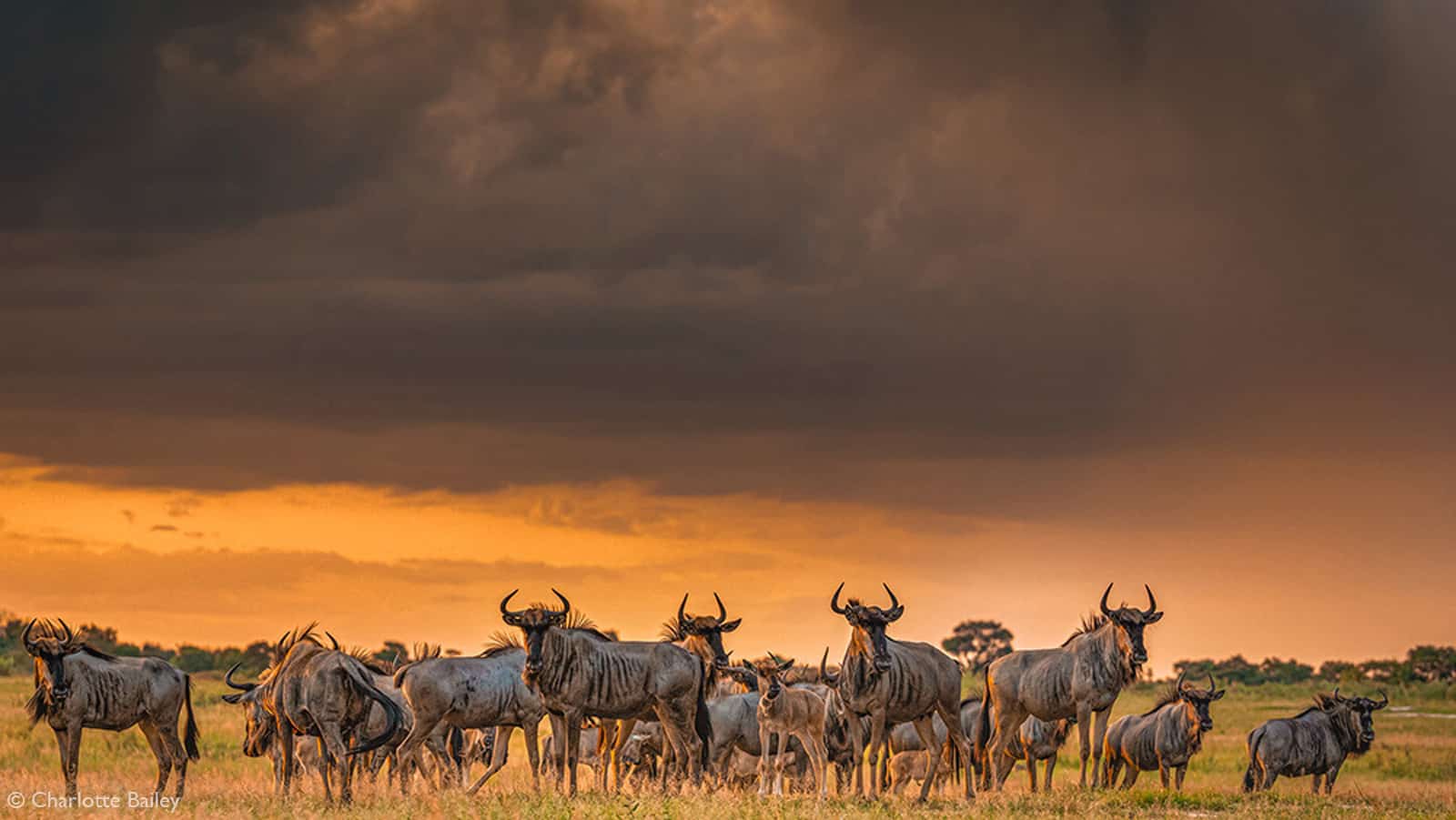
Fossilized riverbeds, including the well-known Deception Valley, vast grasslands, salt pans, and sporadic acacia trees make up the distinctive scenery of the CKGR. These ordinarily dry regions become a verdant haven during the rainy season when spectacular thunderstorms illuminate the skies.
Chobe National Park
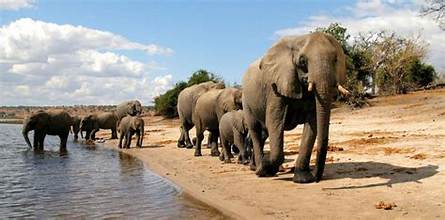
The Chobe National Park is situated in northeastern Botswana and has a natural border with Namibia along the Chobe River. The park has four different ecosystems—the Linyanti Swamps, the Savuti Marsh, the parched areas surrounding Nogatsaa, and the Chobe Riverfront with floodplains.
The park is especially well-known for its elephant population, which is thought to be the biggest in Africa. During the dry season the elephants are frequently spotted in large herds close to the Chobe River. The park provides exceptional chances to see buffaloes, several bird species, and predators.
Khama Rhino Sanctuary
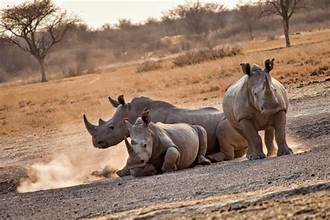
In eastern Botswana the Khama Rhino Sanctuary was established in 1992. It is an essential conservation effort to save critically endangered rhino species. Here both black and white rhinos flourish in a safe haven protected by watchtowers, electric fences, and 24-hour surveillance.
In addition to running breeding operations, the sanctuary has successfully reintroduced rhinos, which were on the verge of extinction in Botswana. The grassy Serwe Pan, in the center of the sanctuary, is home to waterholes that draw giraffes, zebras, and a variety of antelope species.
Makgadikgad Salt Pans
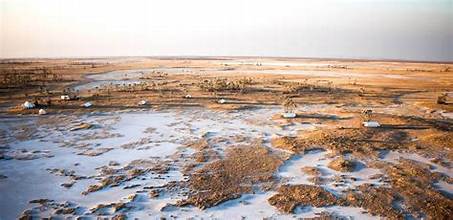
The evaporation of lakes or seas creates the amazing, vast landscape known as salt pans. They have a distinctive, almost surreal appearance due to the crust of salt and minerals covering them.
Situated on the edge of the Kalahan Desert in northeaster Botswana, the Makgadikgad Salt Pans are one of the world’s largest salt flats. The Sua Pan and the Ntwetwe Pan are two of the many pans that make up these remarkable expanses. They provide an unearthly appearance during the dry season, when they resemble an endless white desert.
Moremi Game Reserve
One of Africa’s most striking protected places is the Moremi Game Reserve, which is located in the center of the Okavango Delta. The scenery of the reserve is a striking blend of savannas, islands, and waterways. Chief’s Island and the Mopane Tongues are notable geographical features. (pictured above)
Moremi is the oldest protected area in Botswana created in 1963. The reserve plays a significant role in the Kavango-Zambezi Transfrontier Conservation Area. Its remarkable biodiversity includes over 400 bird species and all of the “Big Five” (the lion, leopard, rhinoceros, elephant, and African buffalo).
Okavango Delta
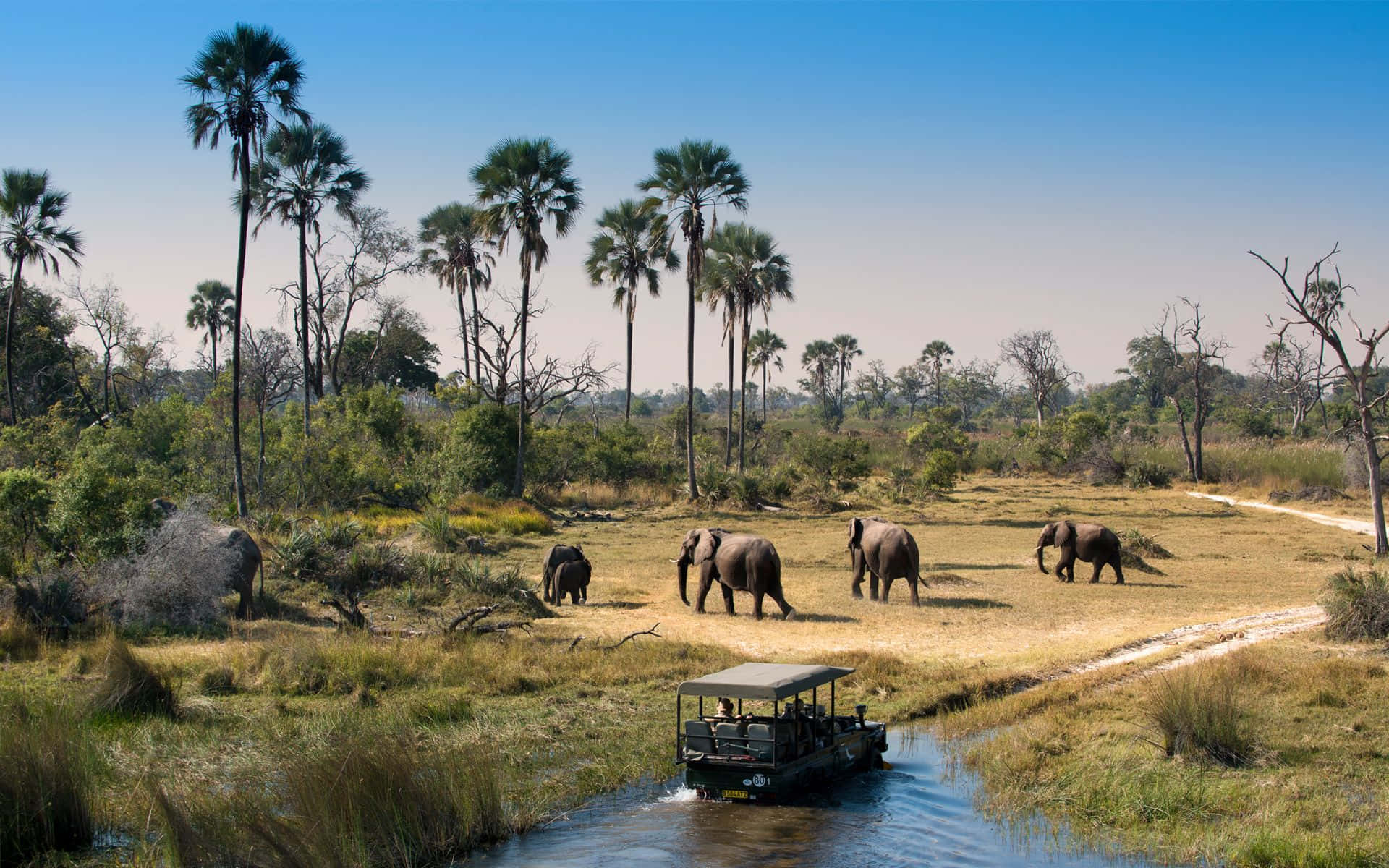
Northwest Botswana is home to the Okavango Delta, one of the most amazing natural wonders in the world. It extends to the Kalahan Basin and is the world’s largest inland delta. The Okavango River rises in the highlands of Angola, travels through Namibia, and empties into the desert in Botswana. The delta is well-known for its distinctive hydrological cycle, which turns the barren terrain into a verdant oasis when the yearly floodwaters arrive during the dry season from April to October. Permanent streams, seasonal floodplains, islands, lagoons, and marshes make up the intricate ecosystem. In 2014 it became a UNESCO World Heritage Site.
Tsodilo Hills
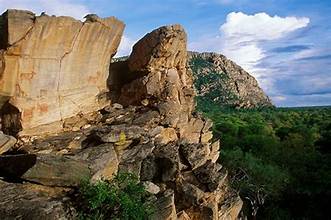
In Northwest Botswana, the Tsodilo Hills rise sharply from the level of the Kalahari Desert. The hills are a designated UNESCO World Heritage Site and are often referred to as the “Louvre of the Desert." They are made up of four quartzite rock formations that rise above the surrounding terrain.
The hills have great cultural and spiritual value for the local indigenous people especially the San Bushmen and the Hambukushu. They bear witness to the beliefs and history of these tribes with over 4,500 rock paintings.
About the Creator
Rasma Raisters
My passions are writing and creating poetry. I write for several sites online and have four themed blogs on Wordpress. Please follow me on Twitter.
Enjoyed the story? Support the Creator.
Subscribe for free to receive all their stories in your feed. You could also become a paid subscriber, letting them know you appreciate their work.
Comments
There are no comments for this story
Be the first to respond and start the conversation.