

Angola is a country located in southern Africa, bordered by Namibia, the Democratic Republic of the Congo, and Zambia. It has a coastline along the Atlantic Ocean and was formerly a Portuguese colony until gaining independence in 1975.
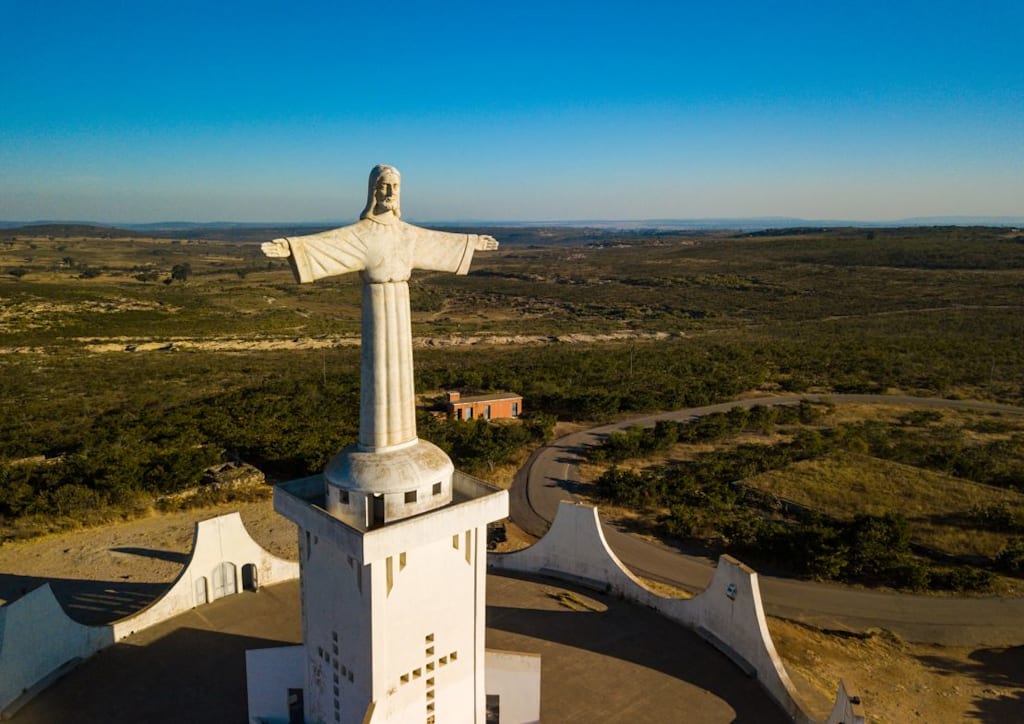
The Christ the King Statue
The Christ the King Statue, known as Cristo Rei, is a prominent Catholic monument located in Lubango. Erected in 1957, it stands as a symbol of faith and offers stunning views of the surrounding area. It was inspired by the famous Christ the Redeemer Statue in Rio de Janeiro, Brazil. The statue is situated atop a hill overlooking Lubango. Visitors can climb to the base and enjoy amazing views over the city and surrounding countryside.
Cuito Cuanavale Memorial
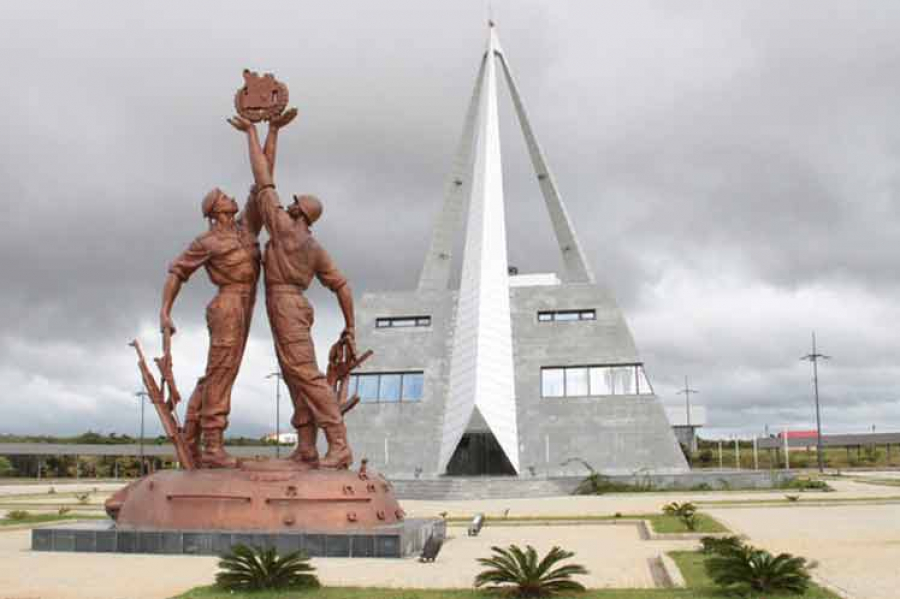
This memorial commemorates one of the most significant battles in Angolan history. The battle took place during the Angolan Civil War and the South African Border War. The Battle of Cuito Cuanavale, fought between Angolan, Cuban, and South African forces, is considered to be the turning point in the region’s history and played a role in the eventual end of apartheid in South Africa. The site of the memorial includes the monument, a museum, and a cemetery for the fallen.
The Fortress of Sao Miguel
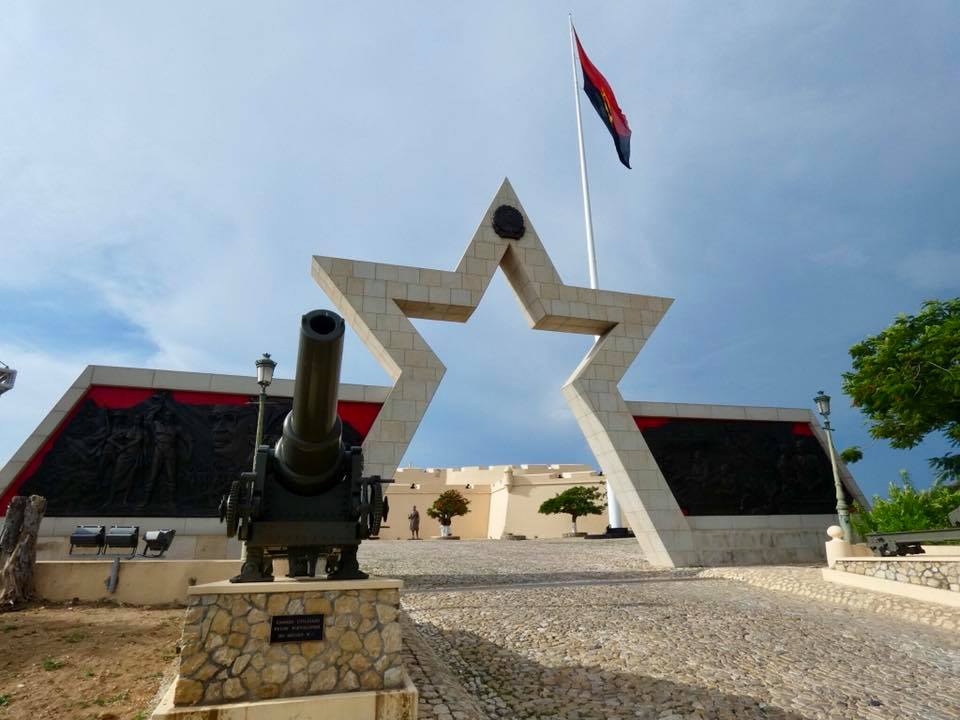
The Fort of São Miguel was named after the Portuguese navigator and explorer, Paulo Dias de Novais. This fort, built in the late 16th century, serves as a historical site and museum, showcasing the colonial history of the region and the influence of Portuguese exploration in Africa. It represents the architectural style of the time and is a symbol of colonial history in Angola. Visitors enjoy the panoramic views of Luanda Harbor and the well-preserved walls, cannons, and artifacts.
Kalandula Falls
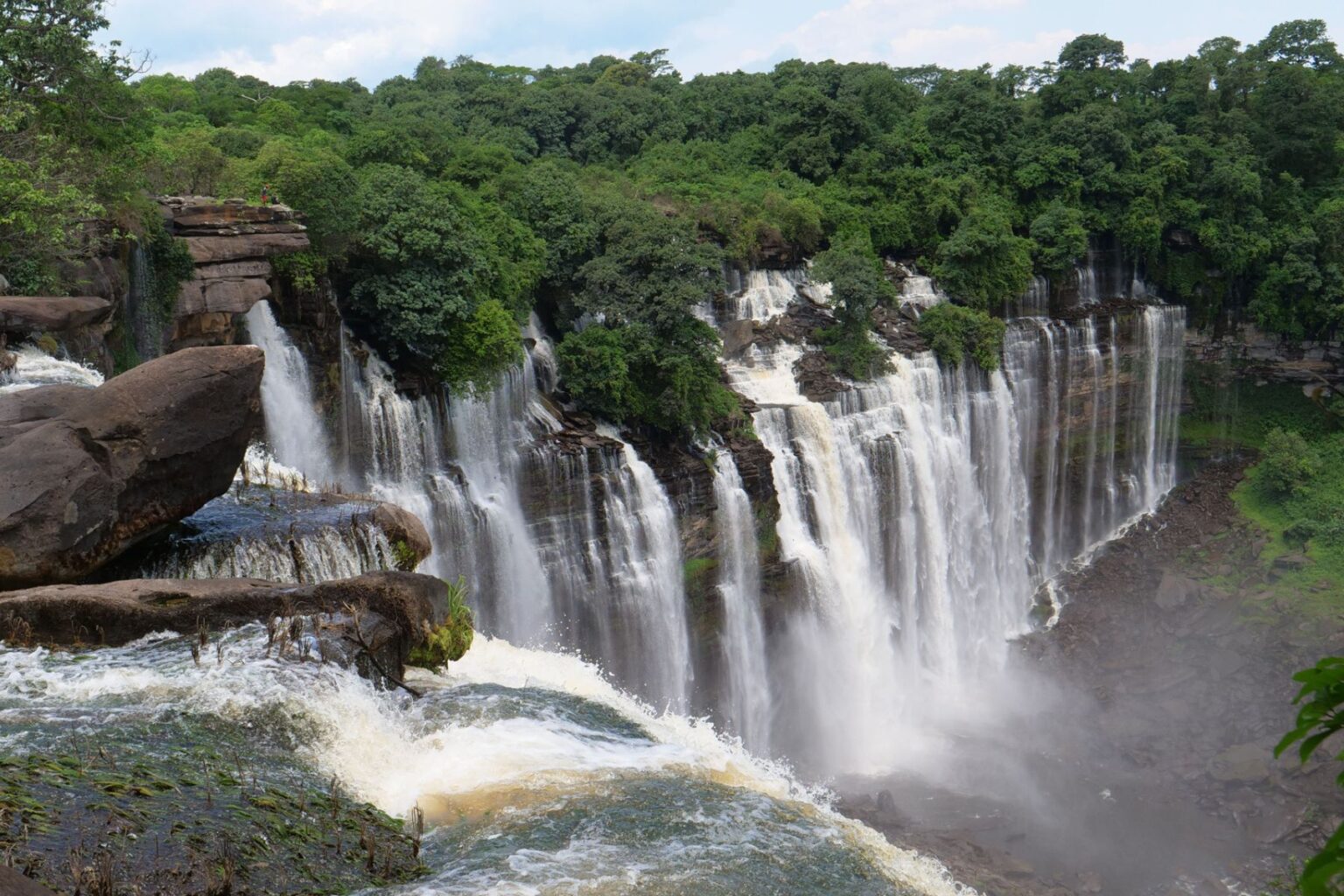
One of the largest waterfalls in Africa, Kalandula Falls is among the famous natural landmarks in Angola. This spectacular waterfall is situated on the Lucala River in the northern part of the country. The landscape surrounding the falls is lush forest and rocky cliffs. Visitors can enjoy birdwatching and hiking.
Kissama National Park
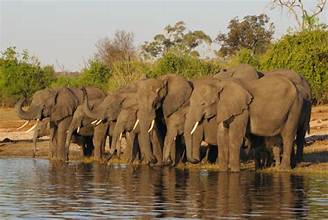
This national park is the most accessible and popular wildlife park in Angola. Originally established as a game reserve in 1938, it became a national park in 1957. The park is home to wildlife such as elephants, giraffes, zebras, antelopes, and many different bird species. Visitors can enjoy guided safaris to observe the animals in their natural habitat.
Mirandouro da Lua
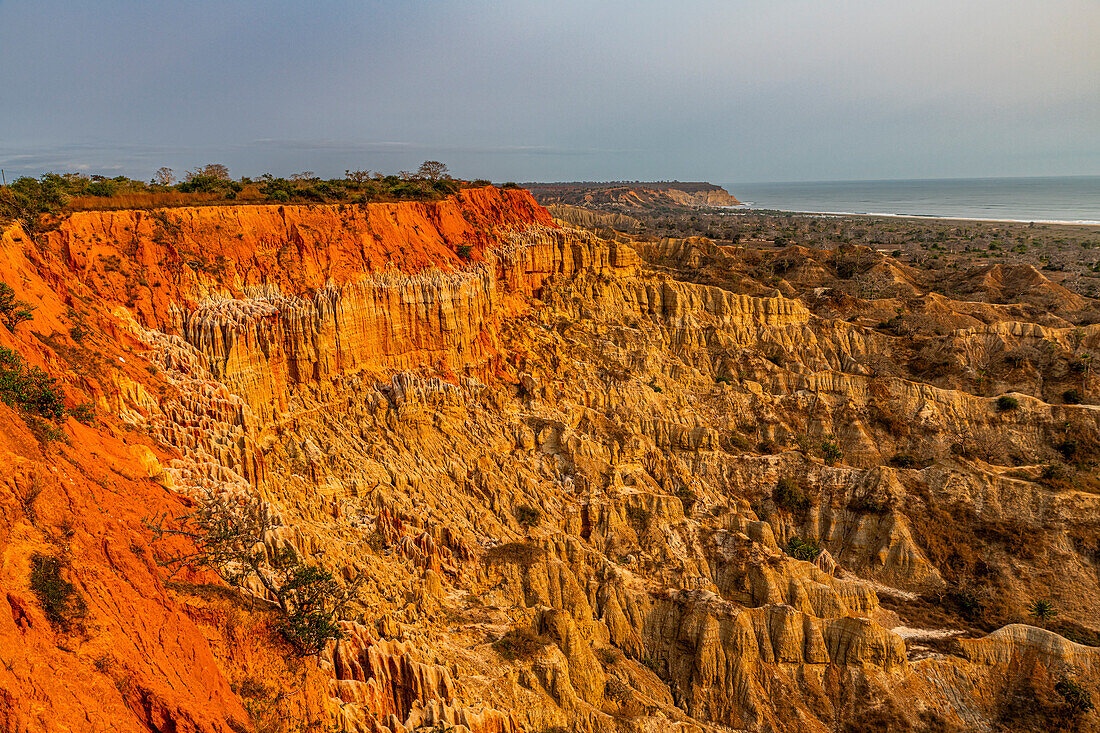
Also referred to as the Moon Viewpoint, Mirandouro da Luna is an amazing geological formation situated along the Atlantic coast south of Luanda. The lunar landscape consists of colorful cliffs that were eroded by wind and rain over the centuries. This all created a dramatic landscape of shapes and textures resembling the surface of the moon.
Pedras Negras de Pungo Andongo
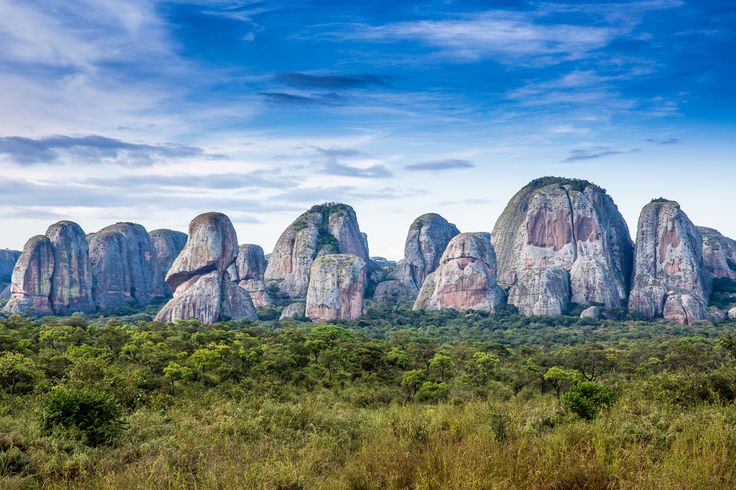
Meaning the Black Rocks of Pungo Andongo—these are a group of mysterious rock formations in the Malanje Province. The large, black granite boulders rise above the surrounding plains. Local legends associated them to ancient deities or supernatural events. The area is believed to have been a stronghold of Queen Nzinga, a famous Angolan ruler who resisted Portuguese colonization. Visitors can hike the trail and learn about the cultural significance of this area.
Serra da Leba Pass
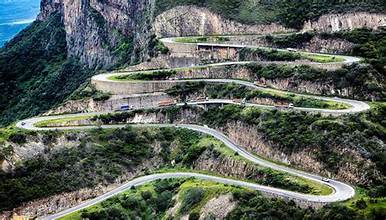
Serra da Leba Pass is one of the best-known and scenic mountain roads in Angola. The road is famous for its series of hairpin bends and breathtaking views. The pass connects the cities of Lubango and Namibe. This is considered a marvel of engineering, cutting through the Serra da Leba mountain range. It is popular with adventure seekers who enjoy the dramatic scenery.
Tundavala Gap
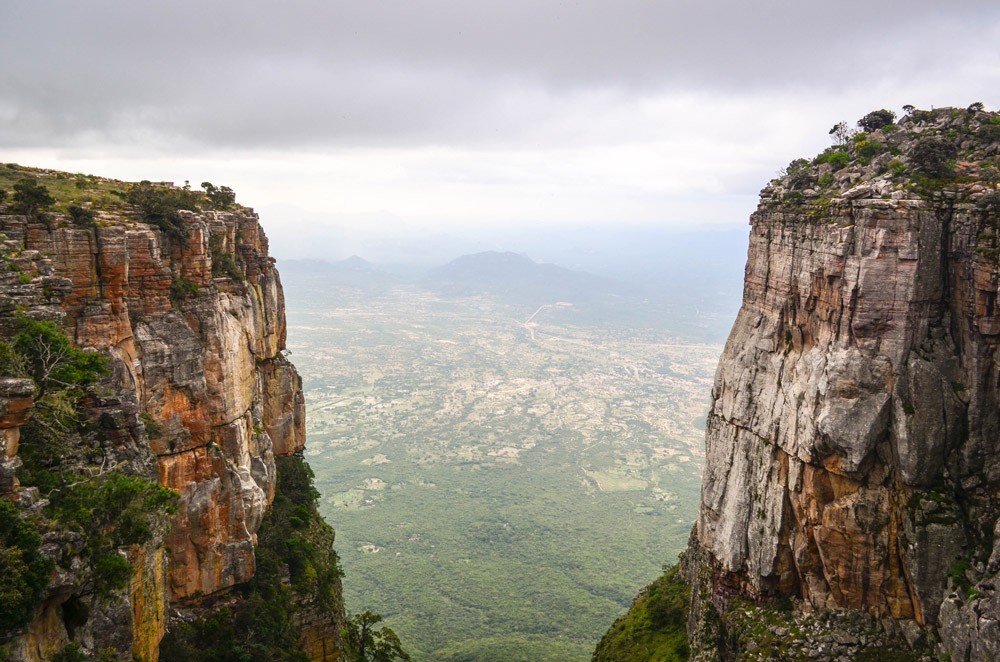
The Tundavala Gap is a stunning escarpment located near Lubango, characterized by a dramatic vertical drop of about 1,000 meters. It offers breathtaking panoramic views and is considered one of Angola's most remarkable natural attractions. It is situated in the Huíla Province, marking the western edge of the Humpata Plateau. It is just the place for hikers, nature lovers, and those seeking some natural beauty. The journey through the gap includes a scenic drive through the Serra da Leba mountain range.
About the Creator
Rasma Raisters
My passions are writing and creating poetry. I write for several sites online and have four themed blogs on Wordpress. Please follow me on Twitter.
Enjoyed the story? Support the Creator.
Subscribe for free to receive all their stories in your feed. You could also become a paid subscriber, letting them know you appreciate their work.
Comments
There are no comments for this story
Be the first to respond and start the conversation.