
5 Japanese Temples to Visit If You're a First-Time Visitor
Five beautiful, memorable, and accessible Buddhist temples for anyone planning their first trip to Japan.

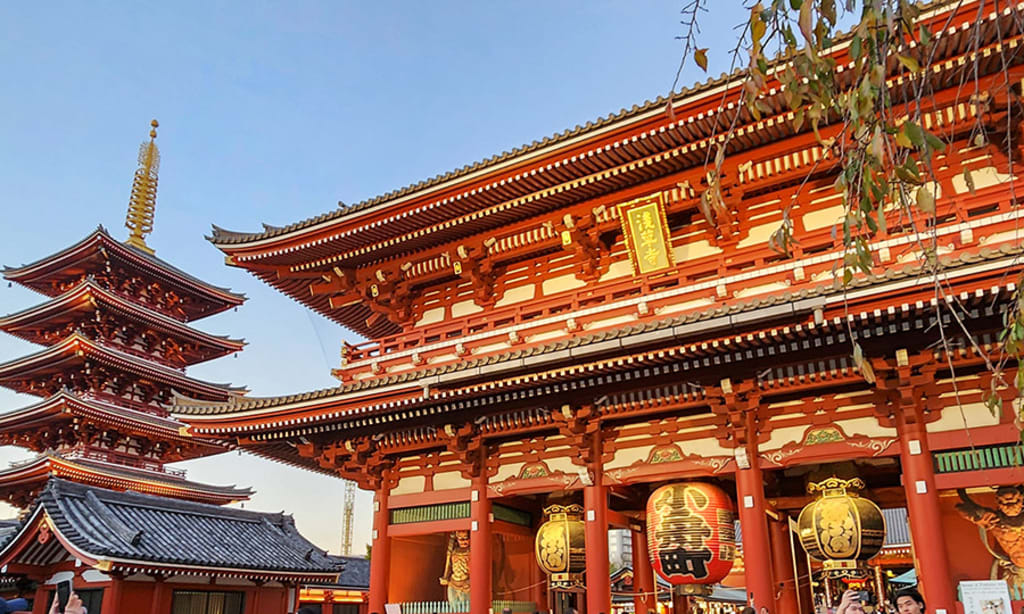
Which Japanese temples should you visit on your first trip to Japan?
Which are must-visits that are genuinely worth your time, no matter how many tourists are swarming their grounds? Which offer the sort of spiritual experience you'll remember long after returning home?
And, perhaps most importantly, which do not require a multi-hour, multi-transportation type pilgrimage just to reach the signpost pointing to the gates?
Well, there are no right or wrong answers, of course; it all depends on what you're actually looking for. But having explored Japan on my own nearly 20 times since the late 1990s, I dare say there are a handful of temples that are especially suitable for first-time visitors.
Some are unabashedly touristy but remain deeply spiritual. Others are remarkably convenient to visit, even without a map. Without further ado, here are five Japanese Buddhist temples I'd happily recommend to anyone visiting the country for the first time.
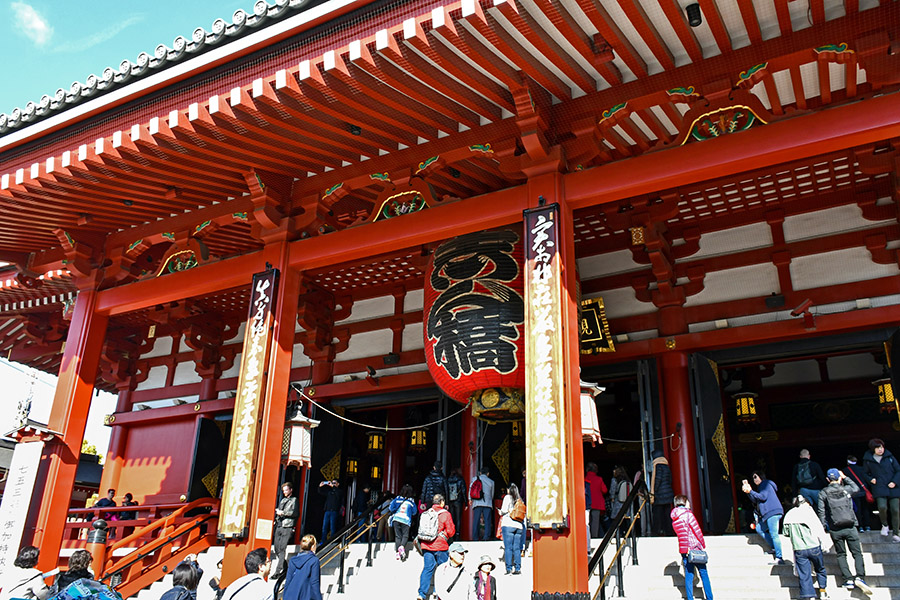
1. Sensō-ji (Tokyo)
Let's begin with the obvious choice.
Sensō-ji is firmly established on Tokyo's tourist circuit, and its surrounding Asakusa neighbourhood is almost always crowded. But don't dismiss it simply because it's so popular.
You might actually find yourself enjoying the colourful shopping and dining way more than expected. For a start, the Nakamise is home to some of Tokyo’s most inventive snacks and sweets. There is also no shortage of photo opportunities, from the imposing Kaminarimon (Thunder Gate) and Hōzōmon (Treasure-House Gate) to the elegant five-storey pagoda.
More importantly, Sensō-ji remains a functioning religious institution. Step inside the dimmed main hall, and you might find the aroma of incense and the sight of worshippers offering prayers surprisingly calming. Most visitors also shuffle back to shopping after praying, which means the hall is seldom overcrowded.
And if your itinerary permits, visiting Sensō-ji on New Year's Eve is an unforgettable experience. Watching Japanese worshippers patiently queue for midnight prayers, then hearing the traditional 108 tolls of the temple bell, can feel vaguely ethereal.
Getting there: This is almost ridiculously easy. Just take the Tokyo Metro Ginza Line to its terminus at Asakusa Station. The temple is just a short walk away via the Nakamise.
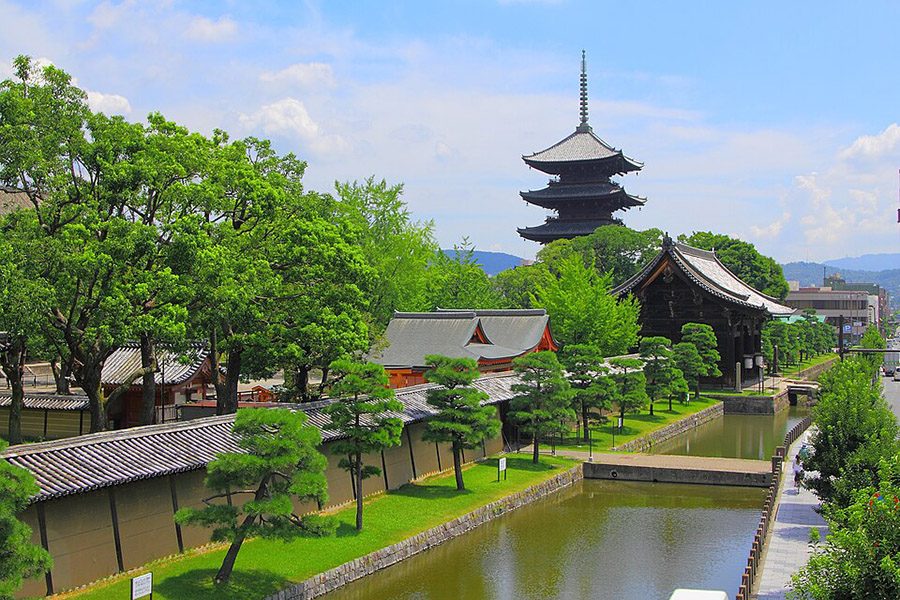
2. Tō-ji (Kyoto)
One of my favourite things about Tō-ji is how easy it is to visit.
Located approximately 15 minutes on foot from Kyoto Station's Hachijō Exit, this magnificent temple is within easy reach of one of Japan's busiest transportation hubs.
The temple grounds feature beautiful gardens and remarkable Buddhist sculptures, particularly the arrangement of esoteric Buddhist figures within the Kōdō (Lecture Hall). Certain treasures and sections of the pagoda are also accessible during special openings. If you happen to visit Kyoto on the 21st of the month, the popular Kōbō-ichi market, where stalls sell everything from antiques and handicrafts to snacks, is also an experience not to miss.
Coming to heritage, Tō-ji is especially important to Japanese religious history because of its association with Kūkai, also known as Kōbō-Daishi, the influential monk who established Shingon Buddhism in Japan.
Entrusted with Tō-ji by Emperor Saga in AD 823, Kūkai transformed the temple into a major centre of esoteric Buddhist practice. His development of Tō-ji is often regarded as one of his most significant religious accomplishments, and the temple remains an important centre of Japanese Shingon Buddhism to this day.
Getting there: Tō-ji is a L-shaped walk from the Hachijō Exit (South Exit) of Kyoto Station. Alternatively, you can take the Kintetsu Kyoto Line from Kyoto Station to Tō-ji Station, then head east. Look out for the pagoda.
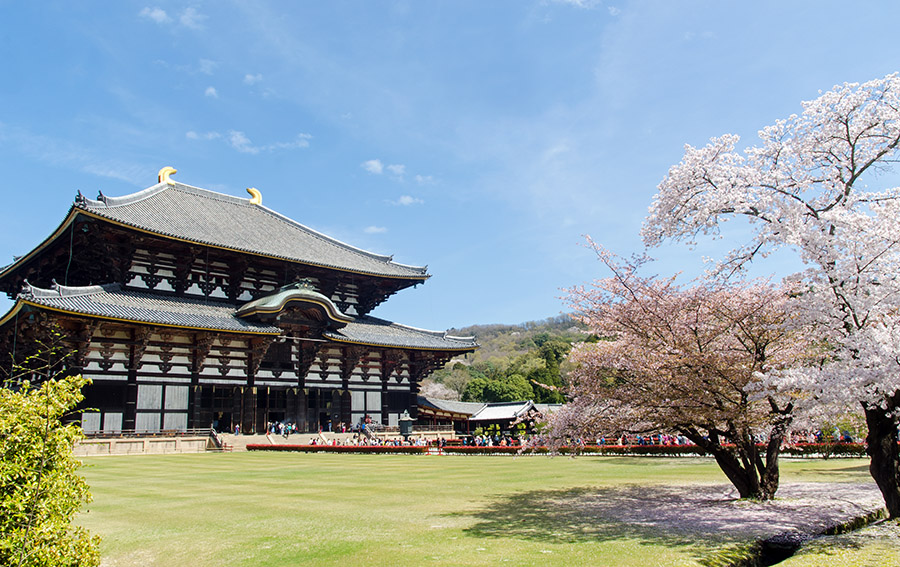
3. Tōdai-ji (Nara)
Tōdai-ji is another Japanese temple that features prominently on conventional tourist itineraries. And again, that should not put you off. Touristy doesn’t always mean a place is overrated.
The temple is easily reached by bus from either of Nara's main railway stations. While walking to the temple gate, you can also enjoy the awesome experience of being surrounded, or even mobbed, by the city's famous free-roaming deer. (Tip: Don’t show any food or dangling items, and you’d be lucky if they even glance at you)
Within the immense Daibutsuden (Great Buddha Hall), three monumental Buddhist statues await to blow you away. To put forth some numbers, the colossal bronze Vairocana Buddha occupying the centre is roughly 18 metres (pedestal included) tall and about 250 tonnes heavy.
And while the hall can become noisy, its extraordinary height and spaciousness mean that it seldom feels congested—the incredible size of the structure truly makes a difference. Beyond the main hall, there’s plenty more to discover, too. A short uphill walk brings you to Nigatsu-dō, a beautiful historic hall overlooking Nara. Nearby, Sangatsu-dō houses some of the most remarkable surviving Buddhist sculptures from Japan's Nara period.
By the way, after visiting Tōdai-ji, consider a stop at nearby Kōfuku-ji. This historical temple is equally famous for its architecture and priceless artworks, including a celebrated Asura statue.
And yes, while strolling to Kōfuku-ji, you can again experience memorable encounters with those very friendly Nara deer.
Getting there: Nara City has two main train stations. From either, take Bus 2 in the direction of Nara Park.
4. Tōchō-ji (Fukuoka City)
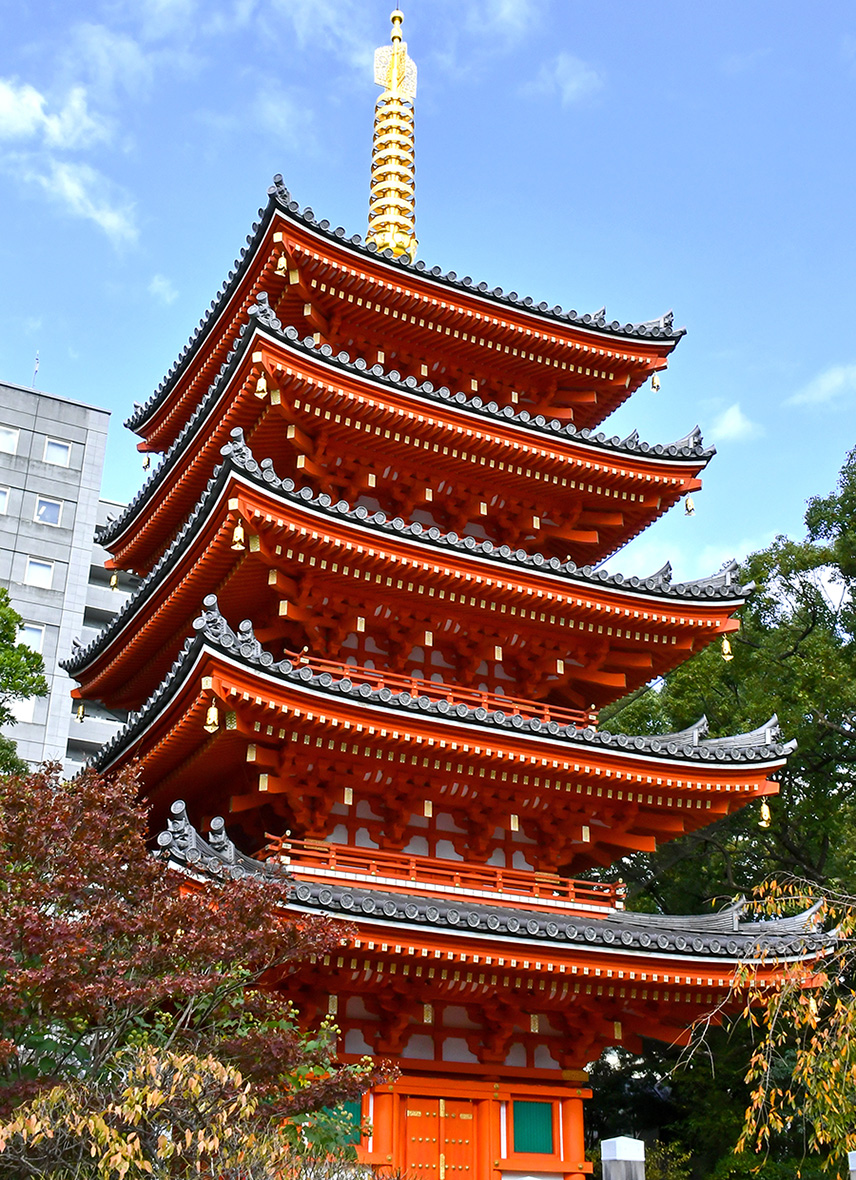
Tōchō-ji is a genuine city temple, conveniently located right beside Gion subway station in Fukuoka City. Gion Station itself is two minutes from Hakata Station, while Hakata Station is about five minutes from Fukuoka Airport.
Despite its relatively compact grounds, the temple also packs in an impressive amount of religious heritage—it’s literally a mini all-in-one. There's a striking vermilion five-storey pagoda and traditional Buddhist halls. There is also the enormous Fukuoka Daibutsu, a wooden seated Buddha measuring 10.8 metres in height.
What’s more, Tōchō-ji is often comparatively peaceful, making it a pleasant place to explore at your own pace.
Lastly, the temple is at the heart of the city's fascinating historic temple district. Within walking distance are Kushida Shrine, famous for its association with the Hakata Gion Yamakasa festival, and Shōfuku-ji, traditionally regarded as Japan's first Zen temple.
In other words, the temple can easily be a part of any Fukuoka City itinerary.
Getting there: Take the Airport subway line to Gion Station.
5. Zenkō-ji (Nagano)
Last but not least, here's a temple for anyone curious about what it’s like to embark on a Japanese religious pilgrimage.
Zenkō-ji is located within Nagano City, so you won't actually have to hike across remote mountains to reach it. However, getting there from Nagano Station still involves some adventure, investigation, and extended walking.
The journey can be pleasant, though, especially if you’re not in a rush. The final approach to the stately temple gate moreover takes you through the Nakamise, a charming shopping street lined with shops selling souvenirs, religious items, and local specialities.
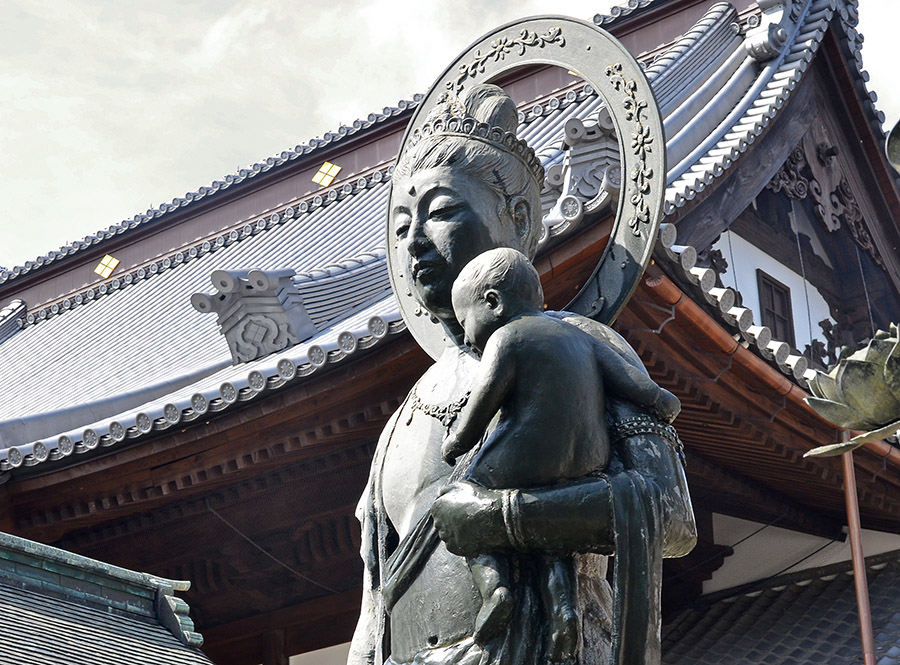
As for the temple itself, Zenkō-ji is set against a backdrop of verdant mountains. With plenty of greenery throughout its grounds, the temple feels majestic and wonderfully removed from the bustle of Japan's larger cities.
The temple is also famous for its hidden principal Buddha image, which is never shown to the public. During the periodic Gokaichō celebrations, a sacred substitute image is displayed for worshippers instead.
Getting there: This involves a bit of exploration. You could either head to the bus stop at Nagano Station and try to figure out which bus to take. Or you could take a local train to Zenkōjishita Station. From there, use Google Maps to figure out the walk. A word of caution. Roads appear wider on Google Maps than they actually are in real life!
About the Creator
Ced Yong
Singapore-based writer and editor of ScribblingGeek.com, with a background in copywriting and design. I write about travel, culture, mythology, technology, gaming, and the occasional curiosity that catches my attention.
Enjoyed the story? Support the Creator.
Subscribe for free to receive all their stories in your feed.
Comments
There are no comments for this story
Be the first to respond and start the conversation.