
10 Enchanting Wildflowers Native to New Mexico
These lovely desert blooms are endemic to the American Southwest.

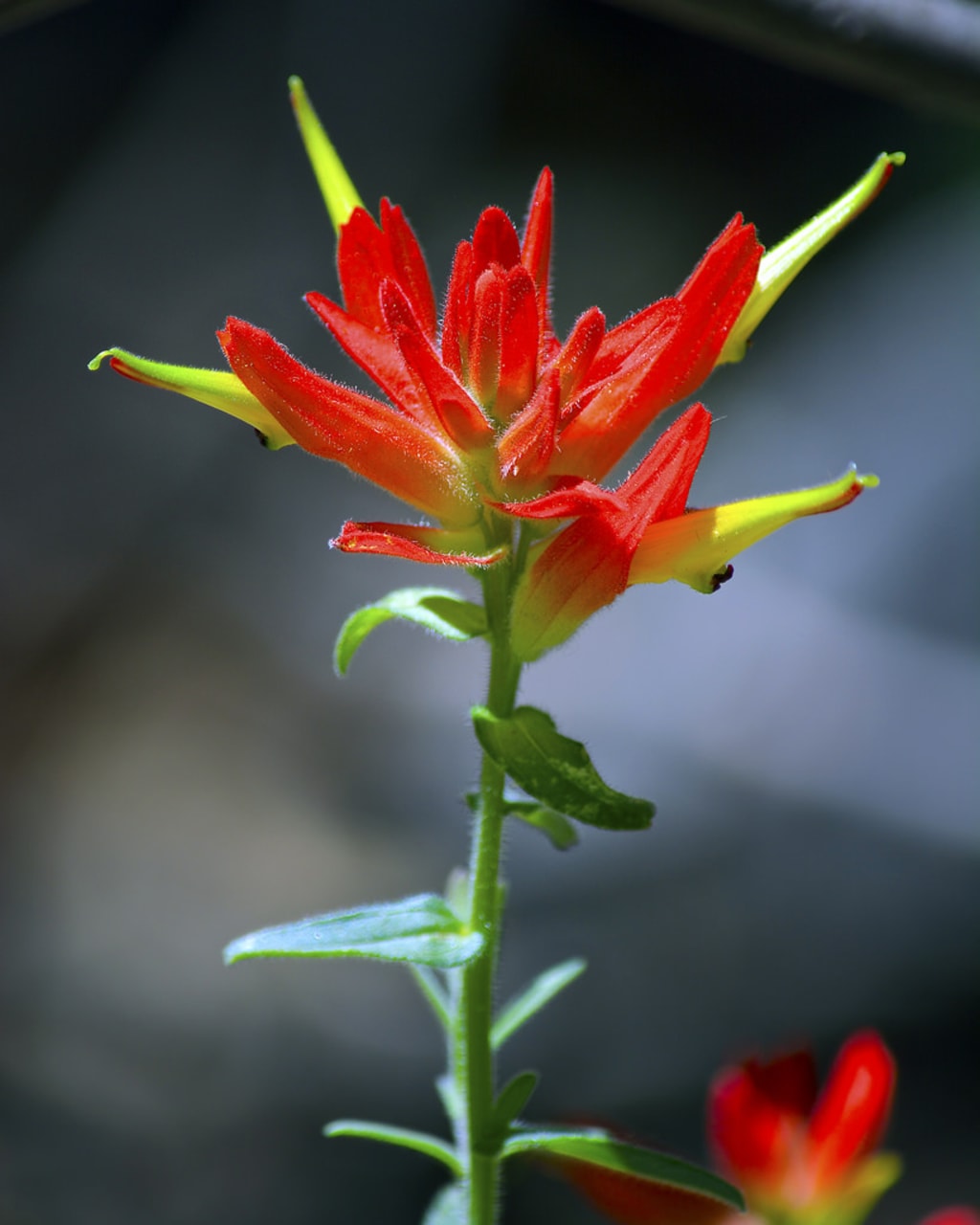
Anything that lives in the desert has to be tough to survive. Although they look dainty and delicate, these blossoms are actually hardy and strong. Sometimes the rarest and most beautiful discoveries are literally under our noses or in our own backyards. Next time you hike through one of our local trails, maybe you'll notice some of these treasures:
1. Blanket Flower
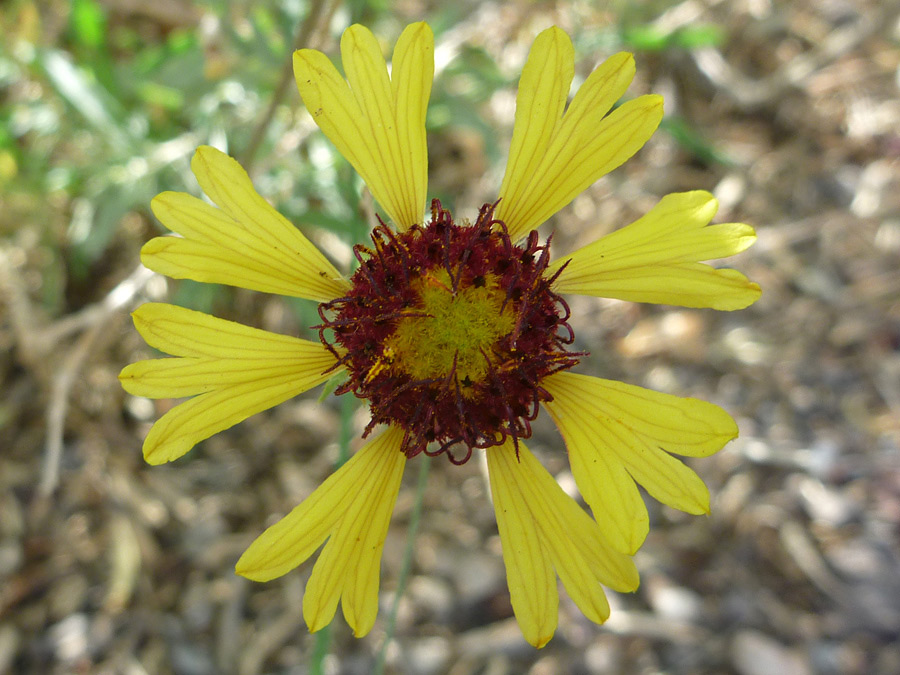
The blanket flower truly looks like an electric daisy, or a psychedelic sunflower. The vivid hues of its petals are reminiscent of a serape, with bright and bold impact. Their petals can be heart or trefoil shaped, adding even more sweet detail to these fun blossoms. Different varieties include the common blanket flower, domed blanket flower, and Indian blanket.
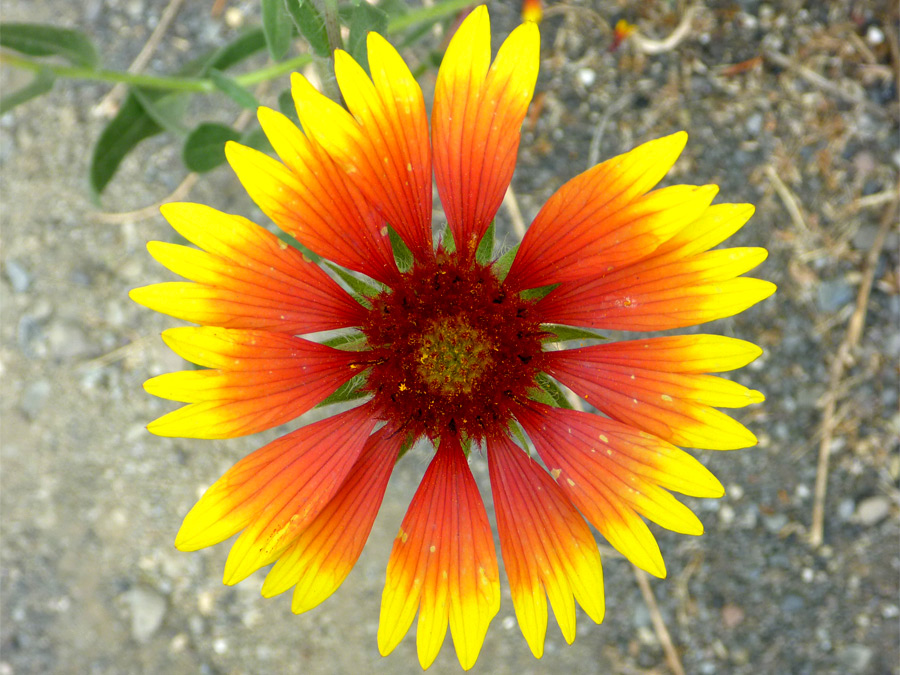
These plants are adapted to harsh environments and rough soil. They live in areas that are hot, dry, and rocky. Butterflies are especially attracted to these vivid blooms.
2. Desert Honeysuckle
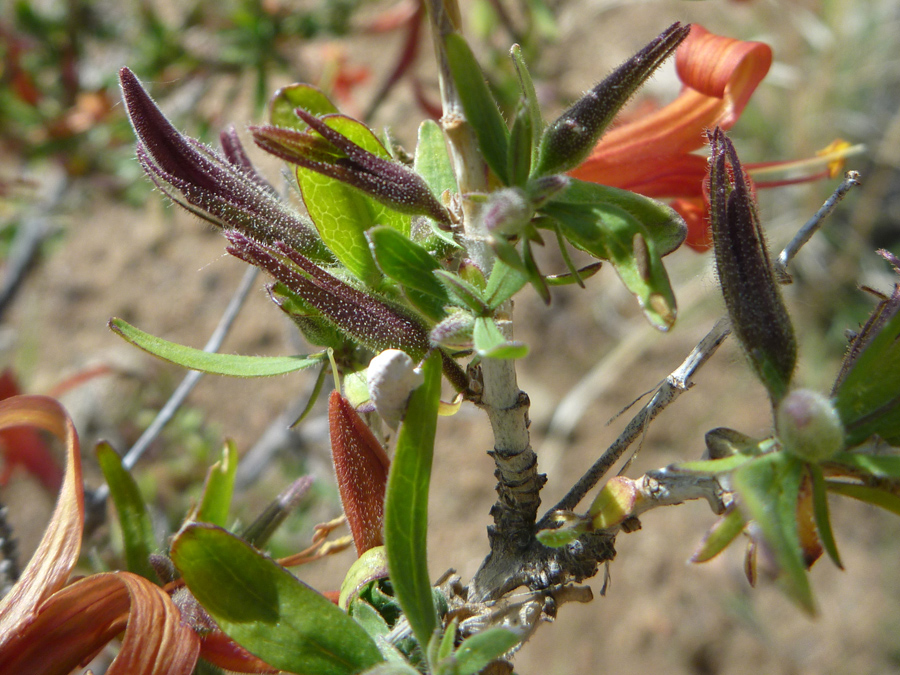
Unlike the white honeysuckles of Europe and Asia, these flowers are often red and yellow. By coincidence, those are the same colors of our state flag. However, they can also be various shades of orange and brown.
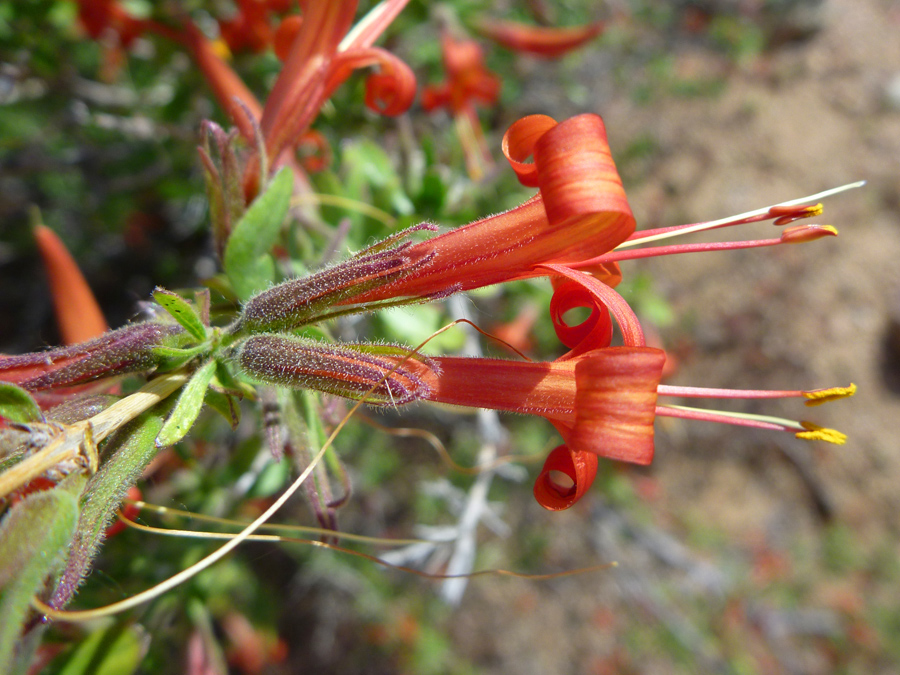
The bright coloration and sweet smelling nectar attracts wildlife. Desert honeysuckles are a favorite amongst the hummingbirds who seasonally migrate to the region. The plants are extremely drought tolerant. As such, they remain a dependable food source year after year.
3. Devil's Trumpet
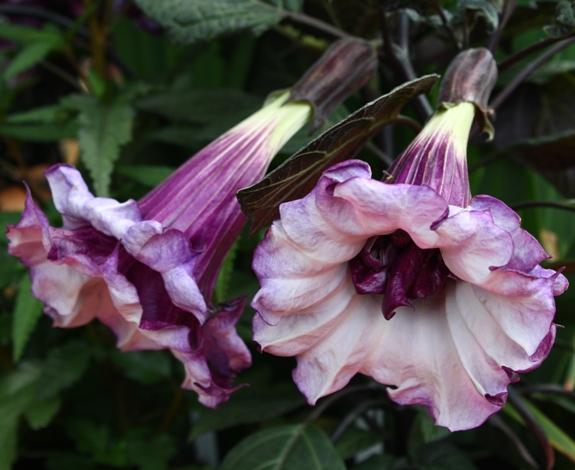
The ornate appearance of this exquisite flower has earned it many fanciful nicknames: Devil’s Trumpet, Devil's Horn, Ram’s Horn, Horn of Plenty, Moonflower, and even Unicorn Plant! It is also called the Devil’s Claw, due to the talon-like shape of the seed pods produced by the plant.
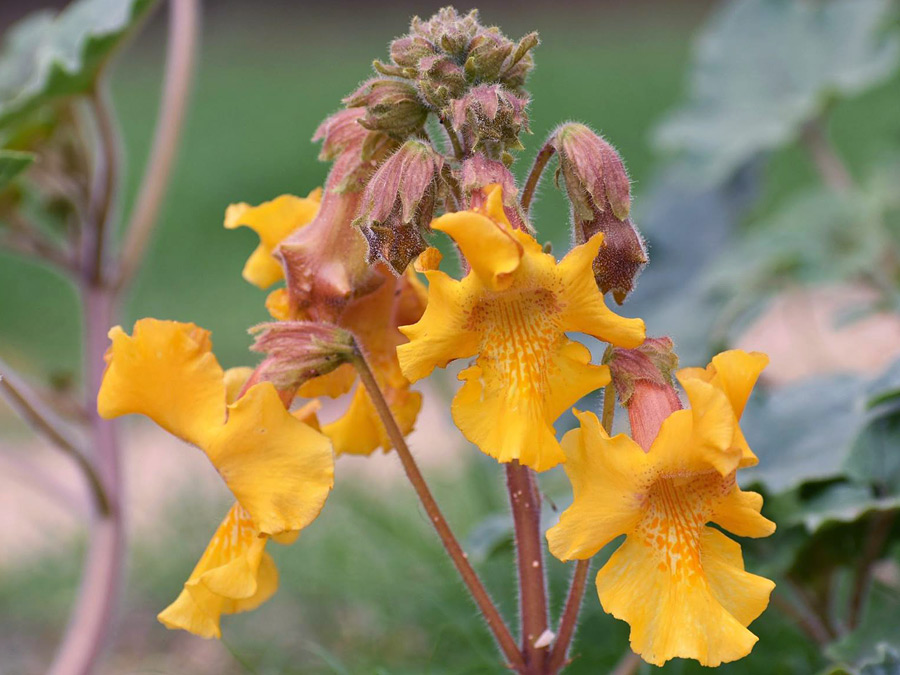
Another reason for the diabolical moniker is the poison content of the flowers. While some Devil's Horn's plants are more benign than others, they can be difficult to tell apart. Even livestock and hummingbirds usually steer clear from eating them. These dark beauties are safe to look at, but not to touch.
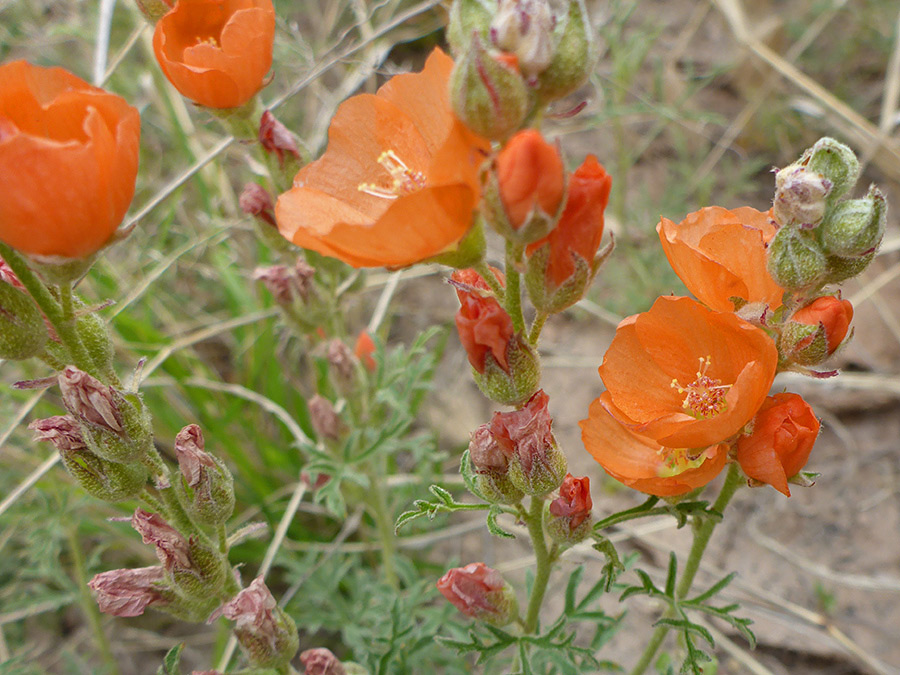
4. Globemallow
These flowers are also known by their Spanish moniker, Yerba de La Negrita. Due to their curative properties, these plants have been used for centuries by natives. Much like ginger, the roots of the plant are beneficial to the digestion and can also be used as a topical balm. As such, these cute pink flowers weren’t just nice to look at: They were also a valuable medicinal cure.
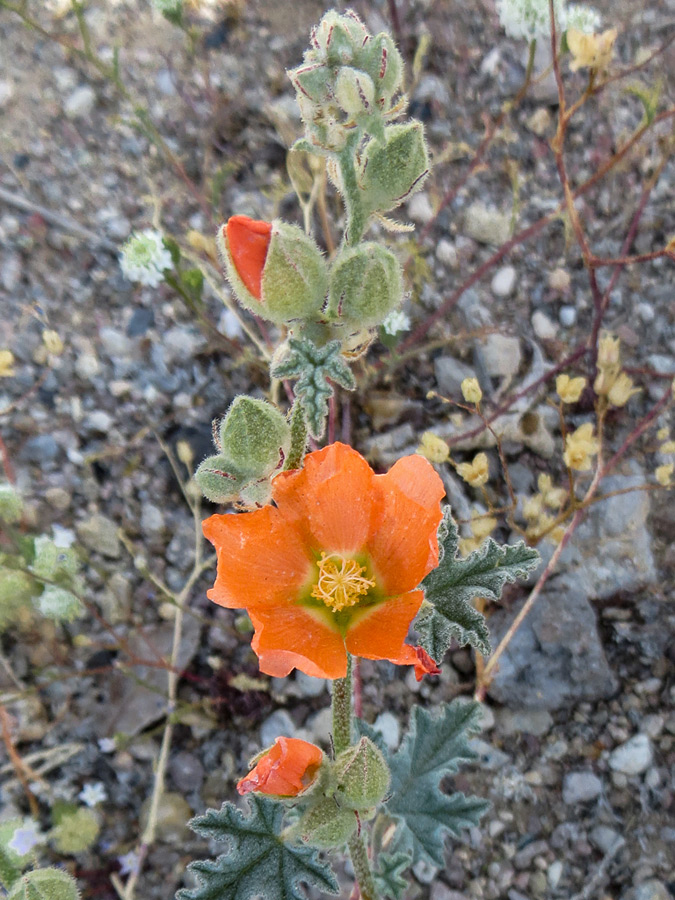
They also grow in abundance in even the harshest of habitats. Desert globemallow, scarlet globemallow, and many more have taken root in our hostile soil. They have been thriving ever since, an important part of the desert ecosystem.
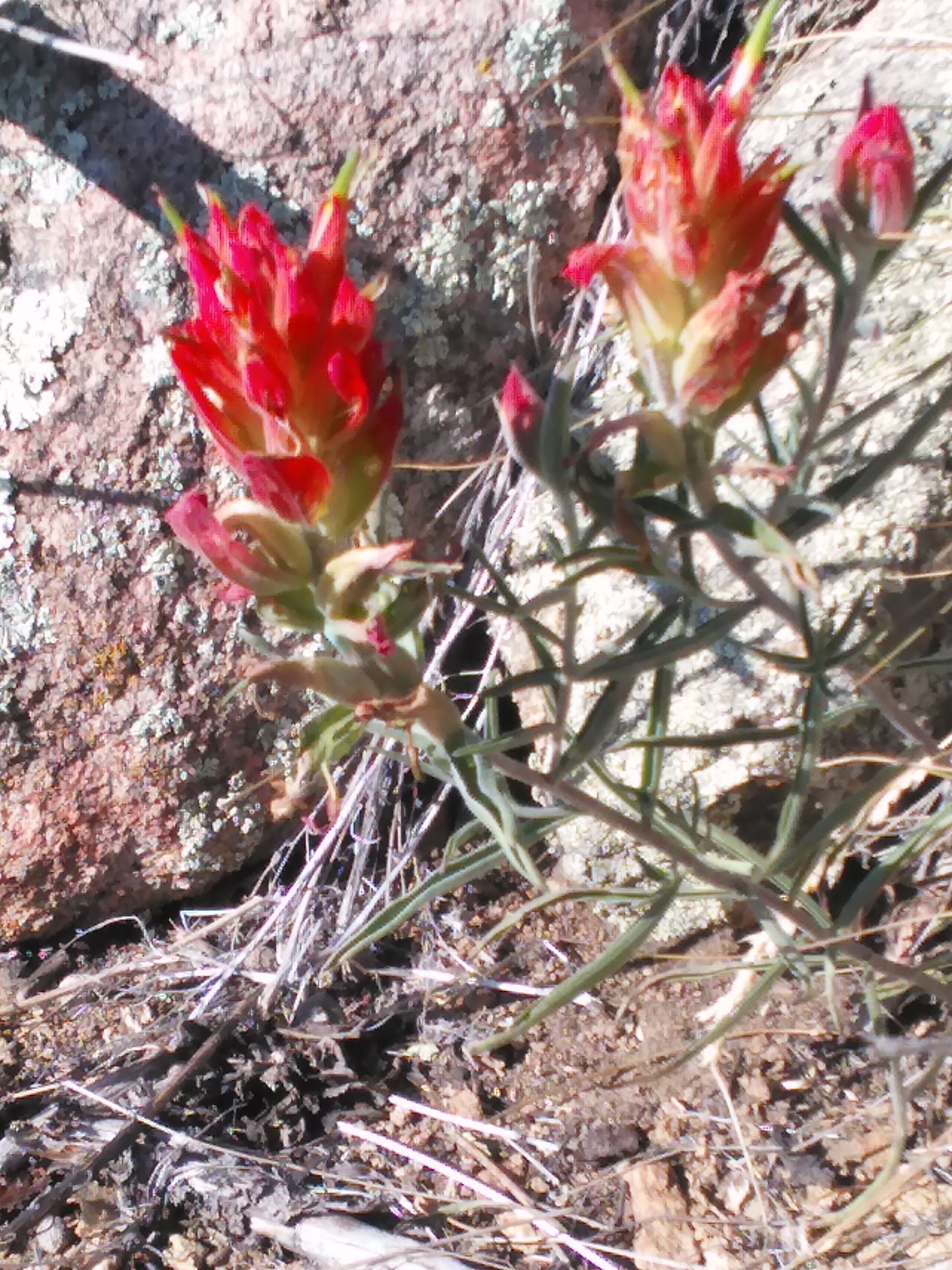
5. Indian Paintbrush
Modified leaves, or bracts, give this flower a strong scarlet color. The true flowers of the plant are usually near the tip, surrounded and protected by the red bracts. The petals of this central flower are often various shades of yellow, even spanning into green and orange.
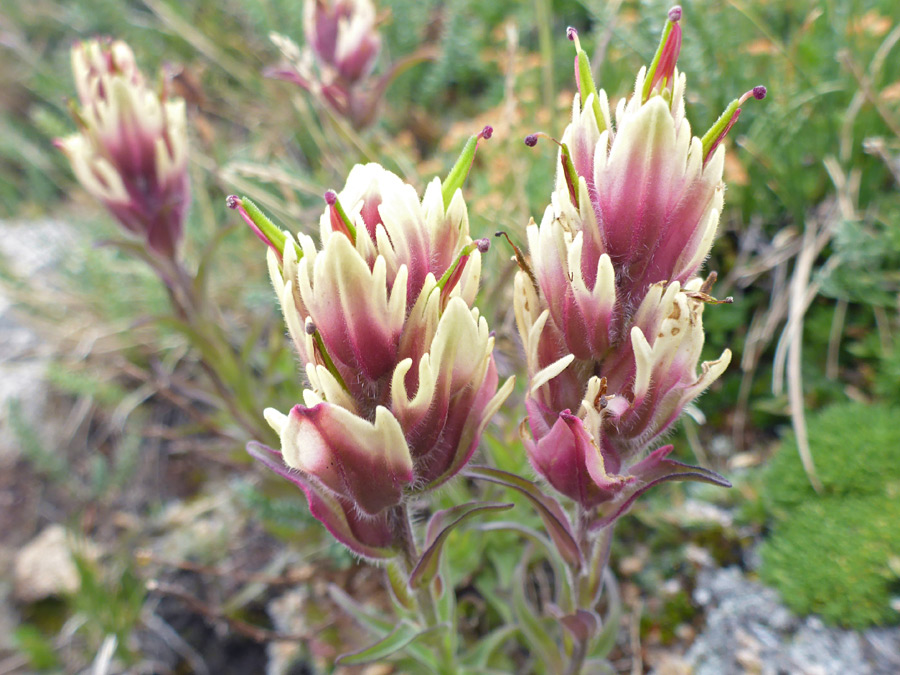
Given the vast variety within this group, there are a few variations on this basic design. The Desert Indian Paintbrush is typical, whereas the Alpine and Western varieties can have a more unusual pink or even purple coloration. Another unique specimen is the Santa Catalina Paintbrush, which has a unique star shape.
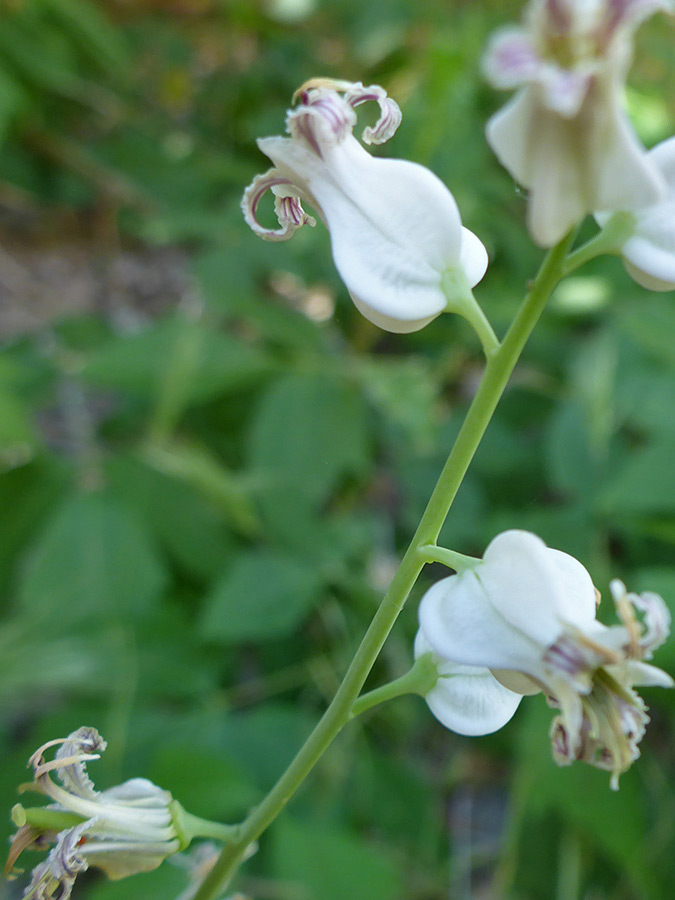
6. Lyreleaf Jewel Flower
There are 2 main types of this flower: The Arizonacus is predominantly purple with white veins, while the Carinatus is the reverse: mostly white or yellow with purple details.
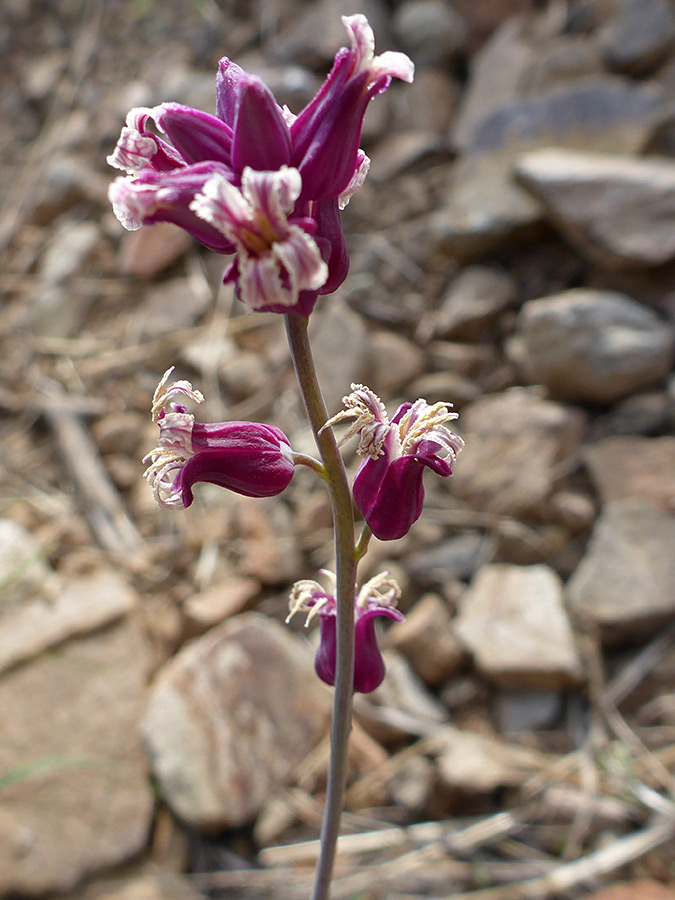
The petals converge to form a 3 dimensional figure. This shape is almost like a rounded octohedron, with both sharp angles and gentle curves. The geometric complexity of this plant is reminiscent of a faceted gem, giving it the moniker "Jewel Flower." Meanwhile, the broad, flat leaves resemble a lyre, a harp-like stringed instrument of antiquity. The fantastical appearance of this plant reflects the romantic imagery in its name.
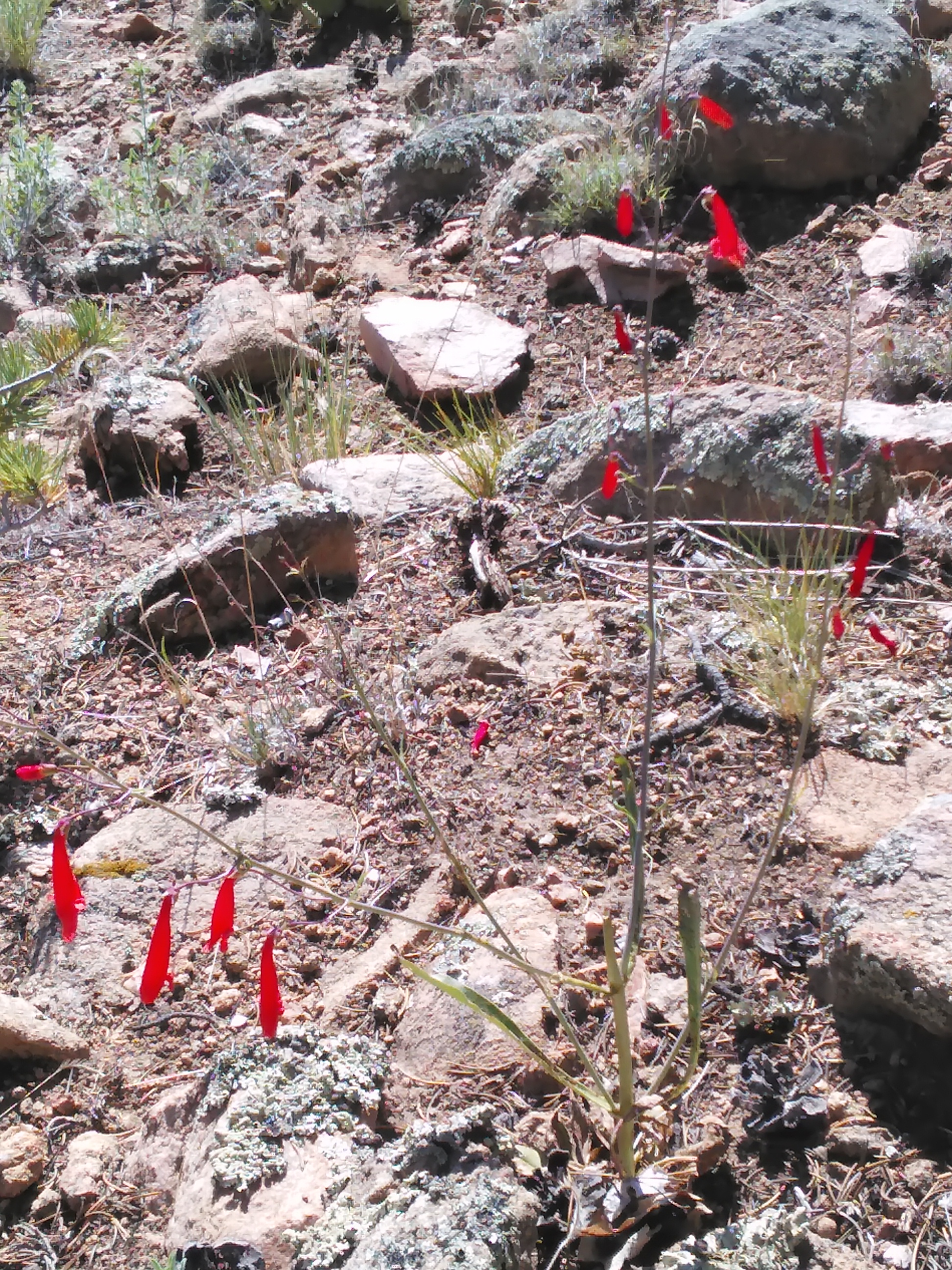
7. Pentstemon
There are many varieties of this plant, with colorful names like Firecracker, Beardlip, and even the Superb Pentstemon. Many subspecies are hot pink, with cylindrical flowers. They get their unusual cylinder shape because a single large petal folds into itself to make a roll. That’s so tubular (literally)!
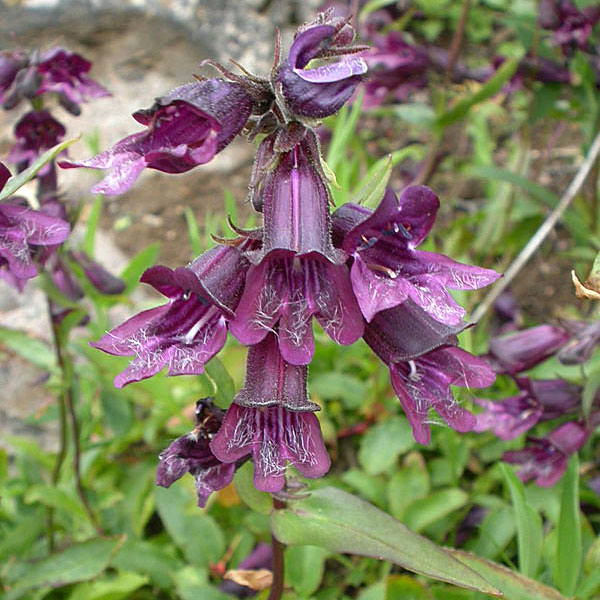
Other varieties come in different shades of purple, including the Dusty Penstemon and the Rocky Mountain Pentstemon. Whipple’s Pentstemon is the darkest of all, with bell shaped flowers in a lovely shade of burgundy.
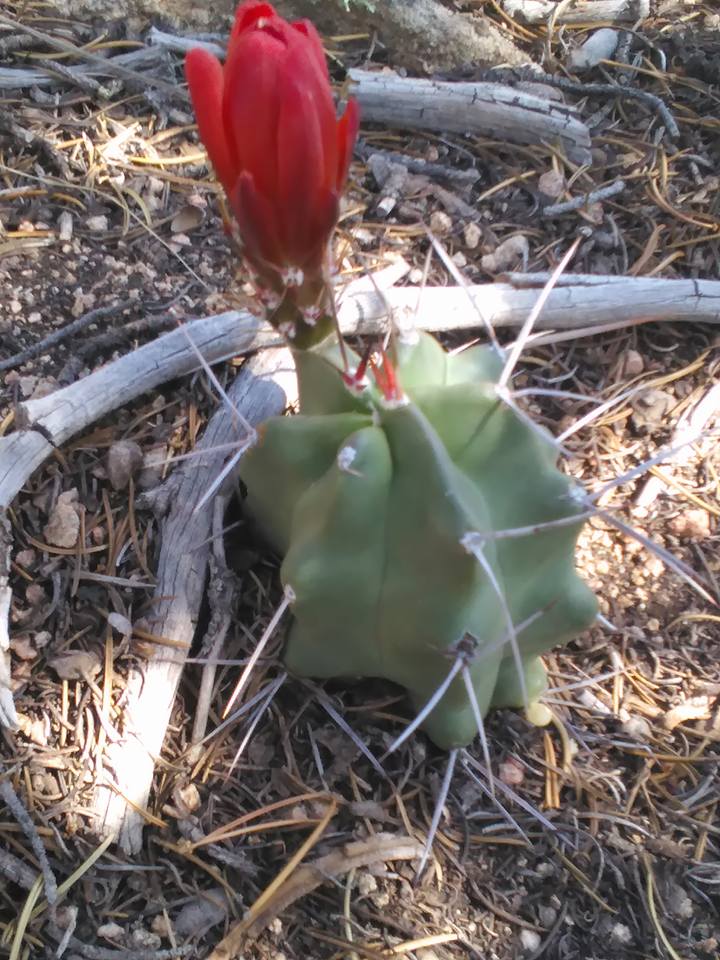
8. Prickly Pear
Just like the blossoms of a tree may eventually become fruit, so do certain species of cactus produce a fruiting flower. This sweet fruit is edible, and often made into novelty candy, desserts, and beverages. A local libation is the Prickly Pear margarita. In addition to the floral and fruity flavor, the prickly pear is rumored to be a remedy for hangovers.
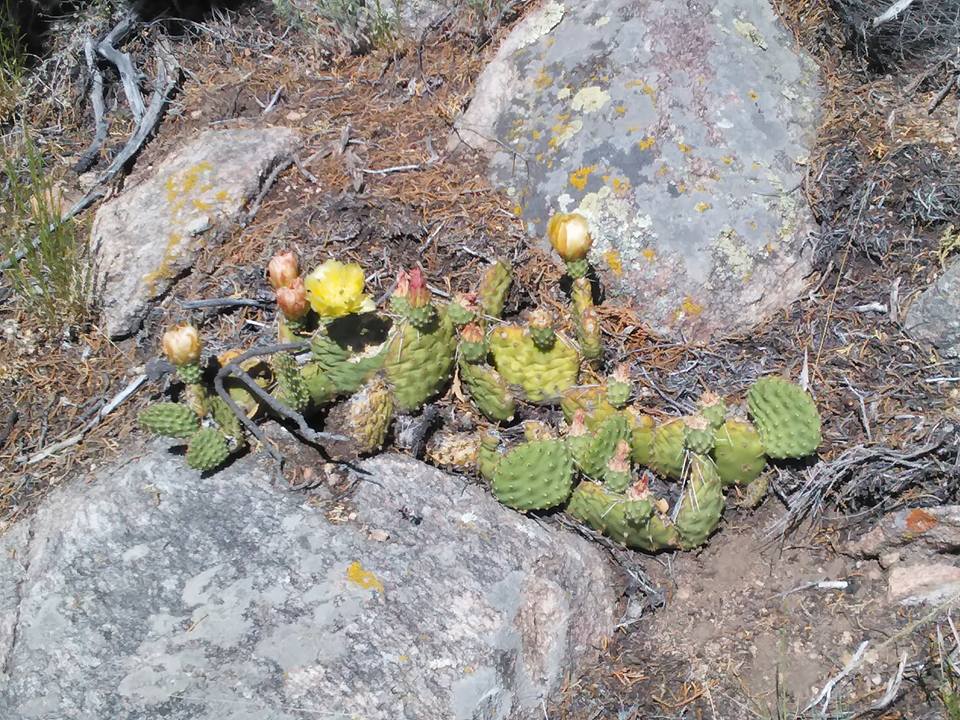
Be careful, though. Even the edible part of the cactus may have some spines to be removed. It’s usually a good idea to admire them from a distance, and let the experts do the harvesting.
9. Rough-Fruit Fairy Bell
Just like the mythical creature of its namesake, this whimsical flower thrives deep in the forest. Aspen and conifer woodlands are some of its favorite environments. A member of the lily family, it loves shady, damp habitats.
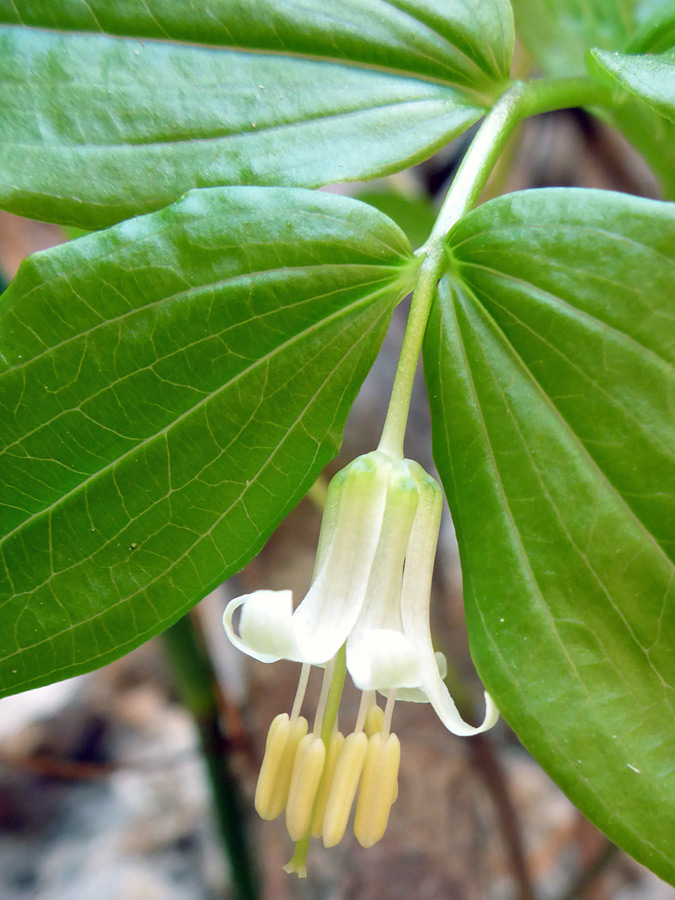
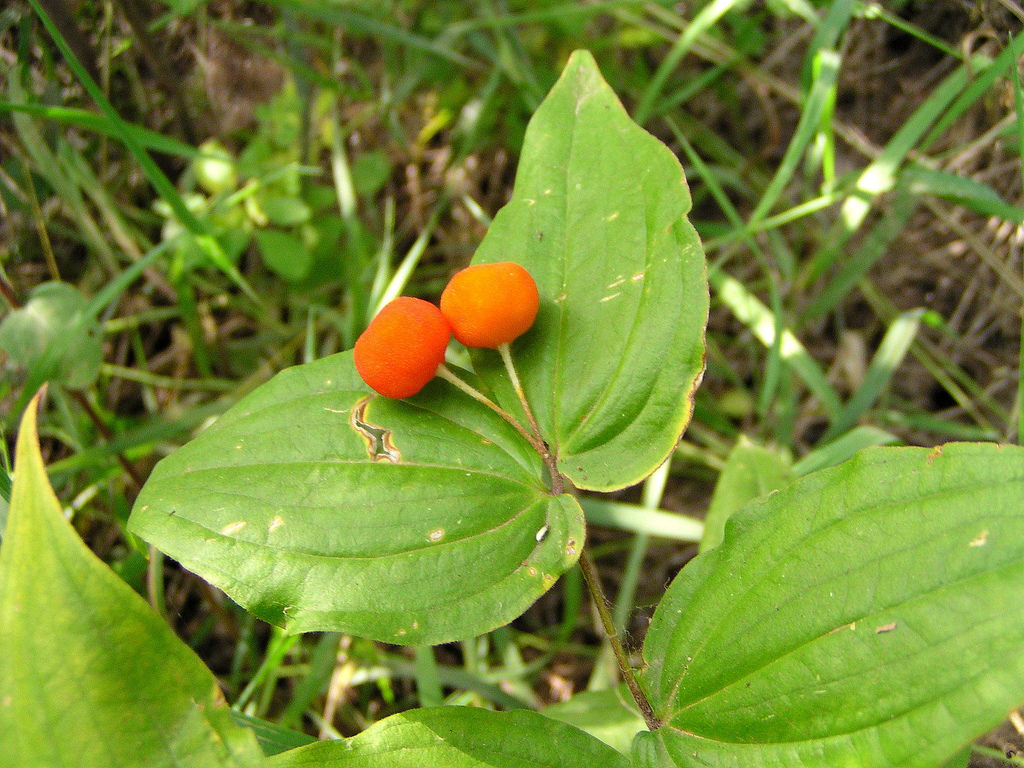
Since it grows facing downwards, it is known as a pendant flower. Its bell shape comes from several petals, usually six, growing around the center. Stamens, which produce pollen, circle around a central pistil, which creates eggs. Together they dangle down like chimes in a bell. Just when I thought it couldn't be more adorable, I discovered that the plant also produces cherry-like fruits.
10. Yucca
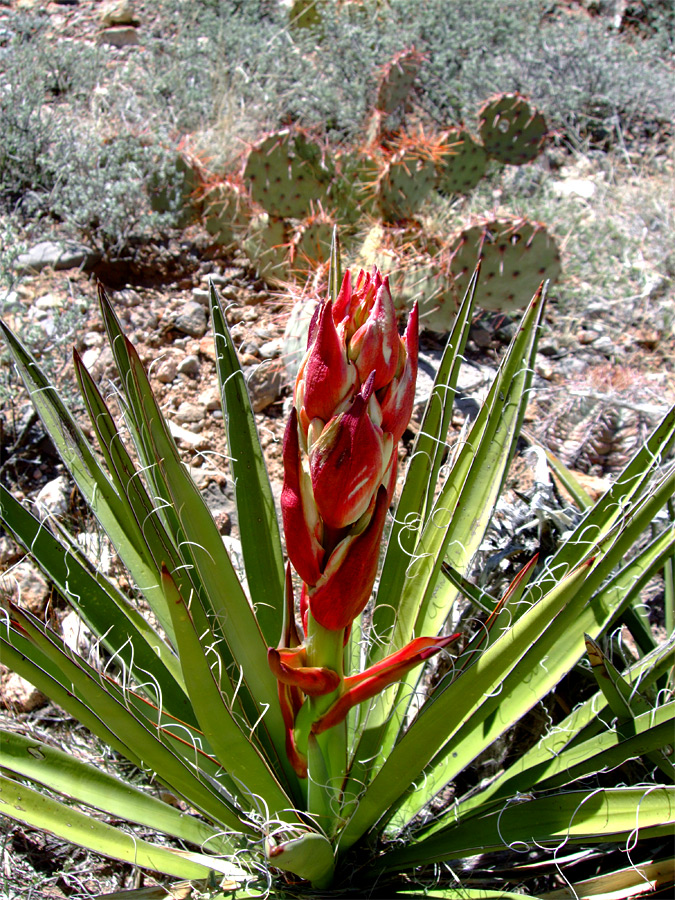
This sturdy desert plant is the official state flower of New Mexico. The leaves are so sharp and spiky that some species have names like Spanish Dagger or Spanish Bayonet. One name that is especially creative is Don Quixote's Lace, so called because of the interlacing leaves and ivory colored flowers.
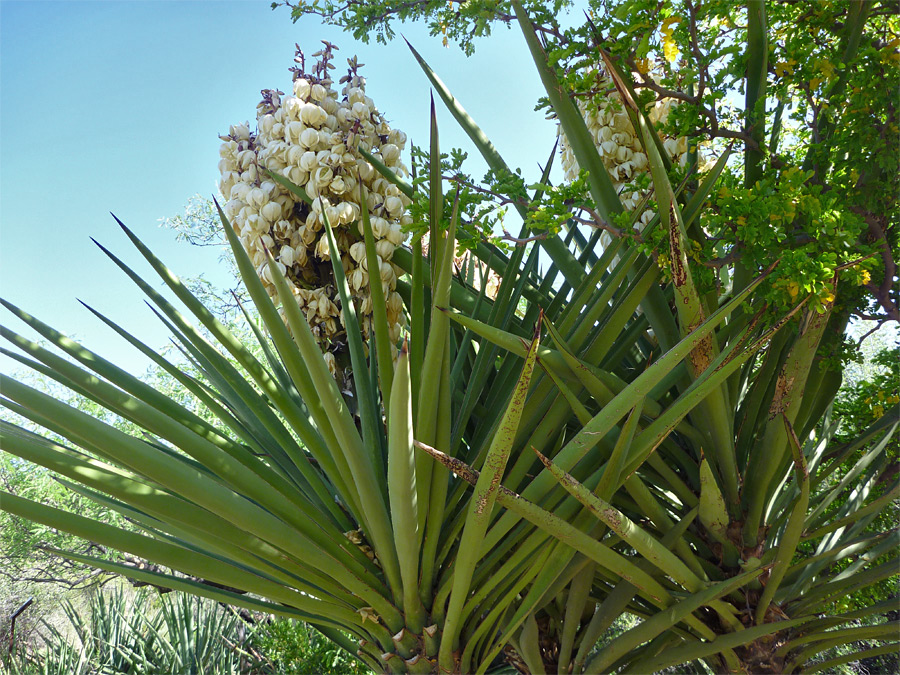
In most varieties of yucca, these defensive leaves grow around a single stalk, protecting the flowers that form there. The petals are very pale, usually a creamy white. Some stalks fade into purple. In addition to their unique visual appeal, these flowers are also useful. They have been used for centuries as a source of food, textiles, and even soap.
New Mexico is home to hundreds of flowers, trees, and plants. This is only a small sample of the local flora that thrive here. Each one is vital to the delicate balance of the desert ecosystem. Many of these herbs have been used by humans for thousands of years. We are fortunate to share a habitat with these natural wonders.
About the Creator
Cheryl Lynn
I am a blogger and freelance journalist, specializing in music reviews, band interviews, and other entertainment related articles. I have also published poetry, fiction, and creative writing. http://undead-goathead.com/links/portfolio/
Enjoyed the story? Support the Creator.
Subscribe for free to receive all their stories in your feed.
Comments
There are no comments for this story
Be the first to respond and start the conversation.