
Why the US Food Service Market Is Growing With Convenience and Digital Ordering
The US food service market is expanding as delivery, digital ordering, fast food demand, and changing consumer lifestyles continue to reshape how Americans eat.

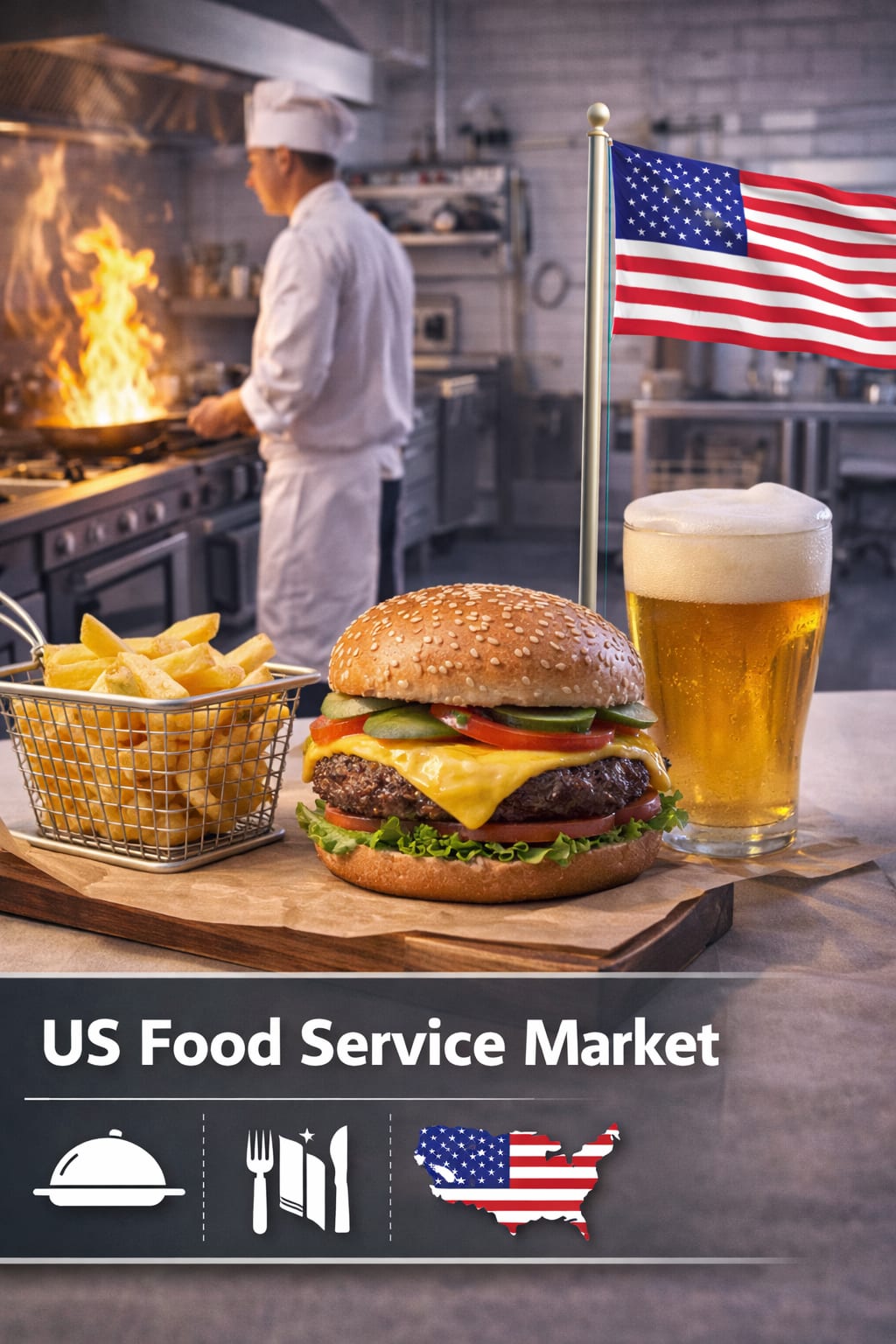
Food service in the U․S․ is not restricted to restaurants and dining rooms․ Meals may also be delivered out of delivery-first kitchens‚ drive-through chains‚ workplace cafeterias‚ campus dining‚ catering operations‚ food trucks‚ and app-based ordering services․ According to the IMARC Group‚ the food service market in the United States reached USD 1610․1 billion in 2025‚ and is likely to grow to USD 2703․6 billion by 2034‚ at a CAGR of 5․93% during 2026-34․ The United States food service market is driven by a combination of differing trends in the way Americans eat‚ work‚ and spend their money․ The IMARC attributes this growth to urbanization‚ demand for convenience dining options‚ and the increasing acceptance and use of digital ordering and food delivery services․
Another driver is the convenience factor․ A report by IMARC estimates that convenience-led consumption has become a structural driver as 60% of U․S․ consumers order delivery or takeout at least weekly․ It means food service at all levels is no longer competing on food quality and ambiance alone‚ but is being driven by speed‚ convenience‚ and the integration of food into everyday life․ In these cases‚ convenience is not an add-on to the business model but the business model itself․
Digital transformation is another major market driver․ According to IMARC‚ the number of mobile applications‚ kiosks‚ and AI-enabled ordering is growing rapidly․ In addition‚ the average ticket size is 15%-20% higher online than offline․ The other big growth driver in the report is loyalty ecosystems․ For instance‚ Starbucks has about 34 million active U․S․ Starbucks Rewards members․ And quick-service restaurant operators are getting as much‚ or more‚ as 30% to 40% of their sales from digital channels‚ suggesting that the market is going well beyond restaurant visits․ Food service involves software‚ customer data‚ and digital touchpoints as much as it involves the food itself and the kitchen that prepares it․
The sector structure is also an indicator of the demand․ In 2025‚ the commercial sector generated around 80% of total revenues․ According to IMARC‚ fast food restaurants accounted for about 45% of the market․ Full-service restaurants accounted for 28% of consumer spending‚ with the South region of the US accounting for 32% of sales․ Tourism‚ population density‚ and a culture of eating out helped spur growth in Texas and Florida․ These figures reflect the breadth of the market‚ though quick service and convenience-led formats dominate․
The explosion of ghost kitchens and virtual brands is driving the market․ According to IMARC‚ delivery-only kitchens are becoming more common as they provide an asset-light growth model and enable operators to expand to new territories or experiment with new menu items more easily compared to establishing a full-service dining location․ This is meaningful because it shows that food service growth is no longer dependent on the customary expansion model․ It shows that brands can grow visibility and orders without necessarily adding customer-facing real estate․ That changes the scale of the whole industry․
A similar trend is menu innovation that stresses plant-based and healthful options as operators respond to greater consumer interest in wellness‚ alternative proteins‚ and healthy eating‚ according to market research firm IMARC․ At the same time‚ sustainability has become even harder to ignore‚ with waste reduction‚ compostable packaging and more responsible sourcing on operators' to-do lists‚ the report says․ That means the demand for convenience isn't the only force shaping the food service market; people's expectations for what food should be are also evolving․
Nonetheless‚ IMARC identifies labor shortages‚ wage inflation‚ commodity price volatility‚ and regulatory compliance as key restraints within the market․ They matter because they affect margins in everything from fast food to institutional catering‚ and are driving investment in automation‚ forecasting tools and operational technology from catering to groceries․ In other words‚ some of the same pressures making the market harder to run are also pushing it toward innovation faster․ This can be inferred from IMARC's constraints and technology-related trends․
The US food service market is prominent for because it is a microcosm of a larger trend: Americans are eating out more than ever․ Consumers want meals and delivery combined‚ personalization through apps and loyalty programs‚ and food service to be available everywhere‚ in more venues and formats․ As off-premise dining‚ automation‚ and digital technology increase in importance‚ food service is migrating from a restaurant-based experience to a connected‚ ubiquitous system of consumption where the meal experience is always-on and available literally wherever you are․ These findings are sourced from the market overview‚ segmentation‚ and trend sections of the IMARC page on the market․
About the Creator
michael matthew
I’m a market researcher passionate about understanding people, markets, and motivations. My work blends data analysis, consumer psychology, and strategic insight to help brands and businesses make informed, human-centered decisions.
Enjoyed the story? Support the Creator.
Subscribe for free to receive all their stories in your feed.
Comments
There are no comments for this story
Be the first to respond and start the conversation.