
Why the Urinary Tract Infection Treatment Market Continues to Grow as Healthcare Systems Focus on Faster Diagnosis and Better Patient Care
Rising Infection Rates, Antibiotic Innovation, and Greater Healthcare Access Are Driving Demand for Advanced UTI Treatment Solutions Worldwide


Urinary Tract Infection, UTI Treatment, Healthcare Industry, Antibiotics, Women's Health, Infectious Diseases, Medical Innovation, Healthcare Technology, Pharmaceutical Market, Public Health
Urinary tract infections, commonly known as UTIs, remain one of the most frequently diagnosed bacterial infections worldwide. Affecting millions of people every year, these infections create a significant healthcare burden while generating substantial demand for effective diagnostic and treatment solutions.
Although urinary tract infections can affect individuals of all ages, they are particularly common among women, older adults, children, and people with underlying health conditions. When left untreated, UTIs can progress into more serious complications involving the kidneys and other parts of the urinary system, making early diagnosis and treatment essential.
Advancements in healthcare infrastructure, increasing awareness regarding infection management, and continuous innovation within the pharmaceutical industry are helping improve treatment outcomes for patients around the world. At the same time, growing concerns about antimicrobial resistance are encouraging the development of alternative treatment strategies and more targeted therapeutic approaches.
According to Renub Research, the Global Urinary Tract Infection (UTI) Treatment Market is expected to reach US$ 9.11 billion in 2025 and further expand to US$ 11.93 billion by 2034, growing at a compound annual growth rate (CAGR) of 3.04% between 2026 and 2034. The market's growth is primarily driven by the increasing prevalence of urinary tract infections, improved healthcare accessibility, rising awareness regarding early diagnosis, and advancements in both antibiotic and non-antibiotic treatment options.
Understanding Urinary Tract Infections
A urinary tract infection occurs when harmful microorganisms, most commonly bacteria, enter and multiply within the urinary system. The infection may affect various parts of the urinary tract, including the bladder, urethra, ureters, and kidneys.
Among the numerous bacteria responsible for UTIs, Escherichia coli (E. coli) remains the most common cause. Typical symptoms include painful urination, frequent urges to urinate, pelvic discomfort, lower abdominal pain, and cloudy or strong-smelling urine.
Treatment generally involves antibiotic therapy designed to eliminate the infection. In addition to antibiotics, healthcare providers may recommend pain relief medications, probiotics, cranberry-based products, increased fluid intake, and lifestyle modifications to help reduce symptoms and prevent recurrence.
Because UTIs are among the most common bacterial infections worldwide, demand for effective treatment solutions continues to increase across healthcare systems globally.
Rising Infection Rates Are Driving Market Growth
One of the most important factors fueling growth in the urinary tract infection treatment market is the increasing number of infections reported worldwide.
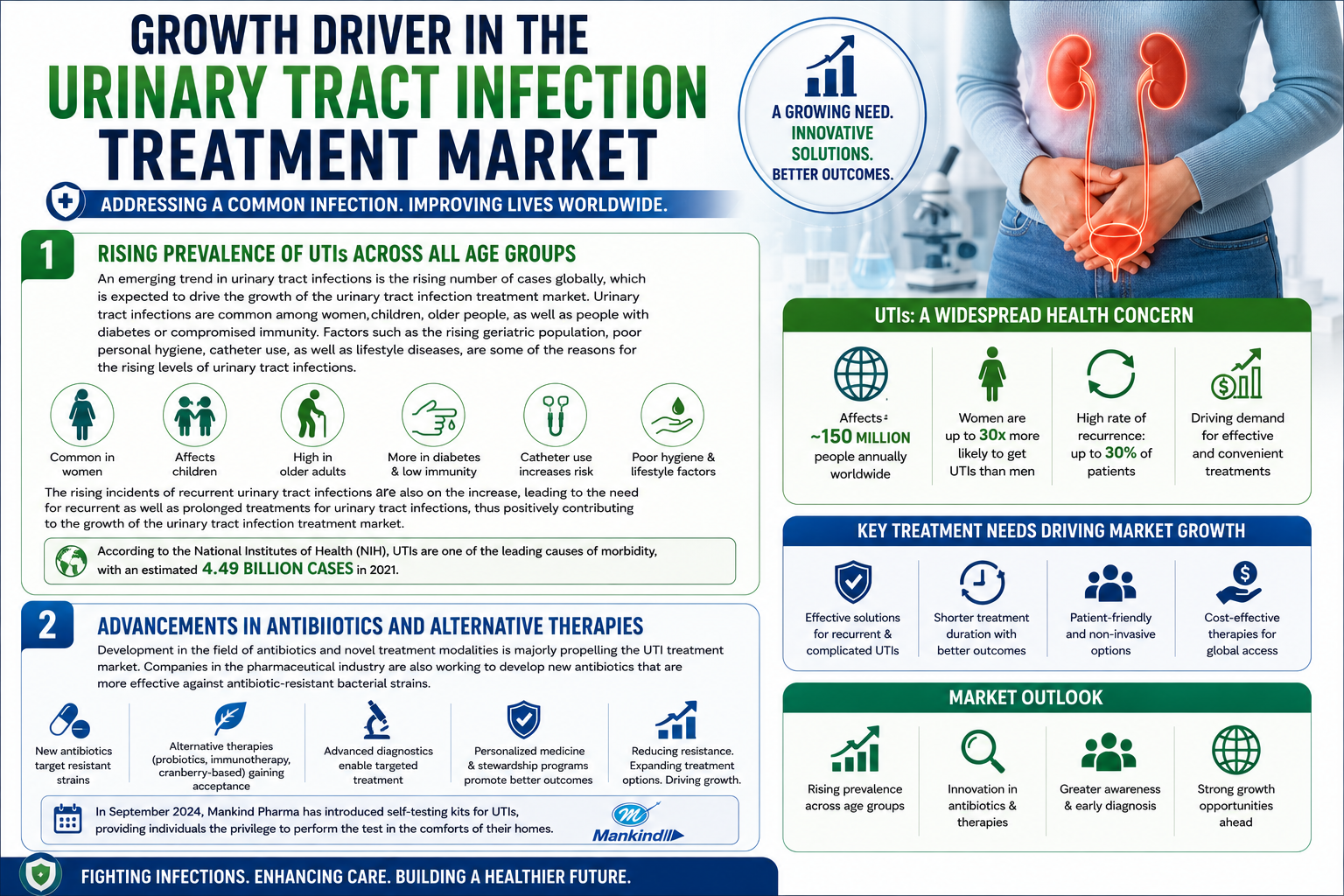
UTIs affect individuals across all age groups but occur more frequently among women due to anatomical factors. Older adults, people with diabetes, catheterized patients, and individuals with weakened immune systems also face a higher risk of developing urinary tract infections.
The growing global elderly population has further increased demand for UTI treatments. Older individuals are often more susceptible to recurrent infections because of age-related physiological changes and chronic health conditions.
The scale of the problem is significant. According to data referenced in the report, urinary tract infections accounted for approximately 4.49 billion cases globally in 2021, making them one of the leading causes of illness worldwide. This enormous patient population continues to generate strong demand for effective diagnostic and therapeutic solutions.
As awareness improves and healthcare access expands, more patients are seeking treatment earlier, contributing to continued market growth.
Advances in Antibiotics Are Improving Treatment Outcomes
Antibiotic therapy remains the cornerstone of urinary tract infection management.
For decades, antibiotics have successfully treated both uncomplicated and complicated UTIs. However, the growing challenge of antibiotic resistance has encouraged pharmaceutical companies and researchers to develop newer therapies capable of addressing resistant bacterial strains.
Modern treatment strategies increasingly emphasize precision medicine approaches, allowing healthcare providers to select therapies based on specific bacterial profiles and resistance patterns. Improved diagnostic tools help clinicians identify causative organisms more quickly, enabling more targeted and effective treatment decisions.
Researchers are also exploring innovative antibiotic formulations that provide enhanced efficacy while reducing the likelihood of resistance development.
As pharmaceutical innovation continues, the availability of newer antimicrobial agents is expected to support long-term market growth while improving patient outcomes worldwide.
Alternative Therapies Are Gaining Attention
While antibiotics remain essential, alternative treatment approaches are receiving increasing attention from healthcare providers and researchers.
Growing concerns regarding antimicrobial resistance have encouraged exploration of non-antibiotic strategies for preventing and managing recurrent urinary tract infections. Probiotics, immunotherapies, cranberry-derived products, and other supportive therapies are becoming increasingly popular, particularly among patients experiencing frequent recurrences.
These approaches are often used alongside conventional treatment regimens to reduce infection frequency and improve long-term urinary health.
A notable development occurred in September 2024 when Mankind Pharma introduced self-testing kits for urinary tract infections, allowing individuals to perform preliminary screening from home. Such innovations reflect the growing emphasis on patient empowerment, early diagnosis, and preventive healthcare strategies.
As healthcare systems increasingly prioritize antimicrobial stewardship, interest in alternative and complementary therapies is expected to continue growing.
Better Healthcare Access Is Supporting Early Intervention
Improved healthcare accessibility represents another major factor contributing to market expansion.
The increasing availability of primary healthcare services, telemedicine platforms, diagnostic laboratories, and retail healthcare clinics has made it easier for patients to seek timely medical attention when symptoms arise.
Public health education campaigns have also played an important role in raising awareness about UTI symptoms and the importance of early treatment. Greater awareness often leads to faster diagnosis, reducing the risk of complications and improving treatment outcomes.
The expansion of online healthcare services and digital consultations further supports market growth by simplifying access to healthcare professionals and prescription medications.
Healthcare providers increasingly recognize that early intervention not only improves patient outcomes but also helps reduce overall healthcare costs associated with untreated infections and complications.
Antimicrobial Resistance Remains a Major Challenge
Despite significant progress in treatment options, antimicrobial resistance continues to represent one of the most serious challenges facing the UTI treatment market.
Overuse and misuse of antibiotics have contributed to the emergence of bacterial strains that are resistant to many commonly prescribed medications. These resistant infections can be more difficult and expensive to treat while increasing the risk of complications.
Developing new antibiotics capable of combating resistant organisms requires substantial investment in research, clinical trials, and regulatory approval processes. The lengthy and costly nature of drug development presents ongoing challenges for pharmaceutical companies.
Healthcare systems worldwide are increasingly implementing antimicrobial stewardship programs designed to promote responsible antibiotic use and slow the spread of resistance. While these efforts are essential, resistance remains a persistent concern affecting future treatment strategies.
Recurring Infections Create Ongoing Demand
Another challenge associated with urinary tract infections is their tendency to recur.
Many patients experience repeated episodes of infection due to incomplete treatment, underlying medical conditions, anatomical abnormalities, or lifestyle-related factors. Recurrent UTIs often require prolonged monitoring, preventive interventions, and repeated courses of therapy.
The need for long-term management creates ongoing demand for both pharmaceutical treatments and preventive healthcare solutions. It also encourages healthcare providers to adopt more personalized approaches aimed at reducing recurrence risk.
As awareness of recurrent infections increases, the market for preventive therapies, diagnostic monitoring, and supportive care solutions is expected to expand alongside traditional treatment options.
Quinolones Continue to Play an Important Role
Quinolone antibiotics remain an important segment within the urinary tract infection treatment market.
Medications such as ciprofloxacin and levofloxacin are valued for their broad-spectrum antibacterial activity and strong tissue penetration capabilities. These characteristics make them useful for treating both uncomplicated and complicated urinary tract infections.
However, concerns regarding safety profiles and growing bacterial resistance have led healthcare providers to use these medications more selectively than in previous years.
Despite these challenges, quinolones continue to serve an important role when alternative treatments are ineffective or when resistant infections require more aggressive therapy.
Cephalosporins Are Becoming Increasingly Important
Cephalosporin antibiotics represent another significant category within the UTI treatment market.
These medications are widely used because of their broad-spectrum activity against both gram-positive and gram-negative bacteria. They are often prescribed for children, elderly patients, and pregnant women due to their favorable safety profiles.
Available in both oral and injectable formulations, cephalosporins provide flexibility across outpatient and hospital settings. Their continued importance within antimicrobial stewardship programs further strengthens their position within the market.
As healthcare providers seek safer and more targeted treatment options, cephalosporins are expected to remain essential components of urinary tract infection management.
Hospitals Remain Critical Treatment Centers
Hospitals continue to play a central role in the management of severe and complicated urinary tract infections.
Patients experiencing serious infections often require hospitalization for intravenous antibiotics, advanced diagnostics, and close clinical monitoring. Hospital-acquired infections and catheter-associated UTIs also contribute significantly to treatment demand.
According to the Centers for Disease Control and Prevention, approximately 75 percent of healthcare-associated UTIs are linked to urinary catheter use. This highlights the importance of hospital-based infection prevention strategies and specialized treatment protocols.
As healthcare facilities continue investing in infection control and antimicrobial management programs, hospitals will remain key contributors to market growth.
Regional Markets Continue to Expand
The United States remains one of the largest and most advanced urinary tract infection treatment markets globally. Strong healthcare infrastructure, advanced diagnostics, widespread availability of prescription medications, and ongoing pharmaceutical innovation continue supporting growth. In April 2024, Pivya (pivmecillinam) tablets received approval for treating uncomplicated UTIs in adult women caused by specific bacterial pathogens.
The United Kingdom benefits from a structured public healthcare system and evidence-based treatment protocols. Continued updates to infection management guidelines and growing emphasis on prevention support steady market expansion. In August 2025, the UK approved Blujepa (gepotidacin), a novel treatment for uncomplicated urinary tract infections in female patients.
India is emerging as one of the fastest-growing markets due to its large population, increasing healthcare awareness, expanding diagnostic infrastructure, and widespread availability of affordable generic medications. In September 2025, Cipla launched HUENA, a methenamine hippurate-based non-antibiotic treatment for recurrent UTIs, representing an important step in combating antimicrobial resistance.
Saudi Arabia is also experiencing steady market growth due to healthcare modernization initiatives, increasing awareness, and improved access to medical services. Government investments in healthcare infrastructure continue supporting treatment accessibility and market expansion.
Looking Ahead
The future of the urinary tract infection treatment market appears stable and promising. Growing infection rates, advances in diagnostics, increasing healthcare accessibility, and ongoing pharmaceutical innovation are expected to support continued growth throughout the forecast period.
At the same time, the healthcare industry will continue addressing challenges associated with antimicrobial resistance through research, stewardship programs, and the development of alternative treatment strategies.
Leading pharmaceutical companies including AstraZeneca, Bayer, GlaxoSmithKline, Johnson & Johnson, Novartis, Pfizer, Merck & Co., Dr. Reddy's Laboratories, and Bristol-Myers Squibb continue investing in infectious disease research, reflecting confidence in the long-term importance of this therapeutic area.
Final Thoughts
Urinary tract infections remain one of the most common healthcare challenges affecting millions of people worldwide. As infection rates continue to rise and healthcare systems place greater emphasis on early diagnosis and effective treatment, demand for advanced UTI therapies is expected to remain strong.
The market's projected growth reflects ongoing efforts to improve patient outcomes through better diagnostics, innovative treatment options, and expanded healthcare access. While antimicrobial resistance presents a significant challenge, continued research and technological advancement are helping shape a more effective and sustainable future for urinary tract infection management.
As healthcare providers, researchers, and pharmaceutical companies work together to address evolving patient needs, the UTI treatment market will continue playing a critical role in global healthcare for years to come.
About the Creator
Enjoyed the story? Support the Creator.
Subscribe for free to receive all their stories in your feed.
Comments
There are no comments for this story
Be the first to respond and start the conversation.