
Why the United States Silk Market Is Evolving in 2026
Growing demand for luxury fashion, sustainable natural fibers, premium home furnishings, and wellness-oriented products is driving steady growth in the United States silk market.

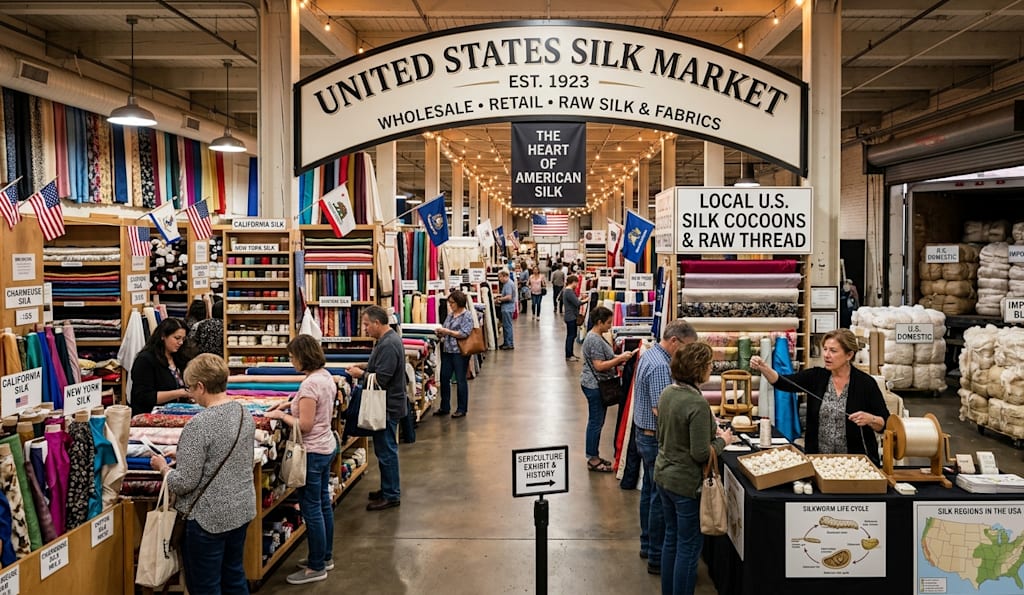
The U.S. Silk industry is experiencing a strong change driven by special sense (higher quality) and sustainable (environmentally friendly) raw textile materials demand from fashion, home furnishings and luxury industries. Growing attention to natural textile fibers takes advantage of emerging trends in the industry.
As per IMARC Group, the silk market in the US was valued at USD 5,225.5 Million in 2025 and is forecasted to touch USD 8,509.0 Million by 2034, growing at a CAGR of 5.57% during 2026-2034.
What Is Silk?
Silk is a natural protein fiber, obtained mainly from silkworm cocoon. It is one of the finest textiles available in the world as it possesses softness, gloss, long lasting, and breathable features.
Silk is widely used in:
- Fashion apparel
- Luxury clothing
- Home textiles
- Bedding products
- Accessories
- Decorative furnishings
- Specialty industrial applications
Its distinctive blend of comfort and style remains in high demand by a wide range of industries.
Growing Demand for Luxury Fashion Products
The growth of the premium and luxury apparel segment has been a key factor fueling the market growth.
Silk remains highly popular in products such as:
- Dresses
- Shirts and blouses
- Scarves
- Ties
- Luxury sleepwear
- Designer collections
Increasing disposable income and increased spending on high-end fashion items are underpinning the robust demand for silk-based clothing across the United States.
Sustainability Trends Are Supporting Natural Fibers
People are more and more purchasing environmentally friendly and natural raw material.
Silk offers several sustainability advantages:
- Natural biodegradability
- Renewable production process
- Long product lifespan
- Reduced dependence on synthetic fibers
Increasing environmental awareness is persuading consumers and brands to include more natural fibers in their ranges.
Home Furnishing Demand Is Expanding
Loyal silk is have new trend as an opulent domestic dcor material.
Popular products include:
- Silk bedding
- Pillow covers
- Curtains
- Decorative cushions
- Upholstery fabrics
Increasing market interest in luxury interior and higher-end home aesthetics creating new growth prospects.
E-Commerce Is Enhancing Product Accessibility
Access to silk products has greatly benefited from the growth in online buying.
Digital channels offer:
- Wider product selection
- Convenient shopping experiences
- Access to international brands
- Personalized recommendations
Both established brands and new brands are opening themselves up to new markets thanks to the increased growth of online shopping.
Rising Demand for Premium Bedding Products
There is a increasing awareness by consumers for better sleep quality and health wellness. The company has a good market for luxury bedding products.
Silk bedding offers several benefits:
- Temperature regulation
- Soft and smooth texture
- Moisture management
- Hypoallergenic properties
These features are contributing to their rising popularity among goowell and high-end customers.
Innovation in Textile Manufacturing
Emerging techniques in textile processing are leading to enhanced quality of silk products and opening up new avenues of applications.
Manufacturers are increasingly focusing on:
- Silk blends
- Enhanced durability
- Wrinkle-resistant finishes
- Sustainable production techniques
- Innovative fabric treatments
There is continual new product development that allows firms to meet changing consumer needs and at the same time retain the luxury position of silk.
Fashion Industry Recovery Is Supporting Market Growth
Demand for silk is also benefiting from the resurgence and further growth of the apparel and fashion industry.
Growing interest in:
- Occasion wear
- Luxury fashion collections
- Premium accessories
- Designer apparel
- C is setting the stage for market growth.
- Increasing Popularity of Sustainable Luxury
Today's luxury consumer often considers a brand to be luxurious if it is perceived to be green and ethical.
- Brands are emphasizing:
- Ethical production practices
- Eco-friendly materials
- Traceable supply chains
- Sustainable fashion initiatives
The inherent properties of silk are well suited to cater for this changing demand.
Key End-Use Industries Driving Demand
Fashion and Apparel
Fashion is the largest user of silk products because of its high quality look and luxurious feel.
Home Textiles
High-end bedding and ornamental furnishings still continue to keep up considerable market demand.
Accessories
Accessorizing with scarves, ties and other high-end accessories is still a relevant product category.
Specialty Applications
In addition Silk is gaining ground in some specialised industrial and healthcare areas for its special biological nature.
Challenges Facing the Industry
Despite favorable growth prospects, the market faces certain challenges:
- High production costs
- Price volatility
- Competition from synthetic alternatives
- Supply chain disruptions
- Availability of raw materials
Nevertheless, it is predicted that the growing degree of premiumization and the increasing focus on sustainability will, over the longer term, provide support for a market boost.
The importance of the Market in 2026
United States fiber market is also growing as consumers are expecting that the products they buy have a luxury feel to it along with sustainability.
- Several trends are accelerating growth:
- Increasingly high demand for highfashion goods
- Growing preference for natural fibers
- Expansion of luxury home furnishings
- Increasing wellness-focused purchasing behavior
- Rapid growth of e-commerce channels
These reasons are making silk a significant material in the high-end textile and luxury goods market.
Future Outlook
The future potential of the United States silk market is extremely promising. Persistent growth of luxury fashion outlets, growing market for sustainable collections, rising popularity of premium home dcor and continuous product innovation will heavily depend on the long-term expansion of the market.
The rise of consumers demanding quality, "green" and la carte products will ensure that silk remains a key ingredient in the growth of the future US textile and luxury products industry.
About the Creator
michael matthew
I’m a market researcher passionate about understanding people, markets, and motivations. My work blends data analysis, consumer psychology, and strategic insight to help brands and businesses make informed, human-centered decisions.
Enjoyed the story? Support the Creator.
Subscribe for free to receive all their stories in your feed.
Comments
There are no comments for this story
Be the first to respond and start the conversation.