
Why the United States Meat Market Is Growing Even as Consumer Preferences Shift
The United States meat market is expanding as strong protein demand, premium product interest, and digital retail trends continue to reshape how Americans buy meat.

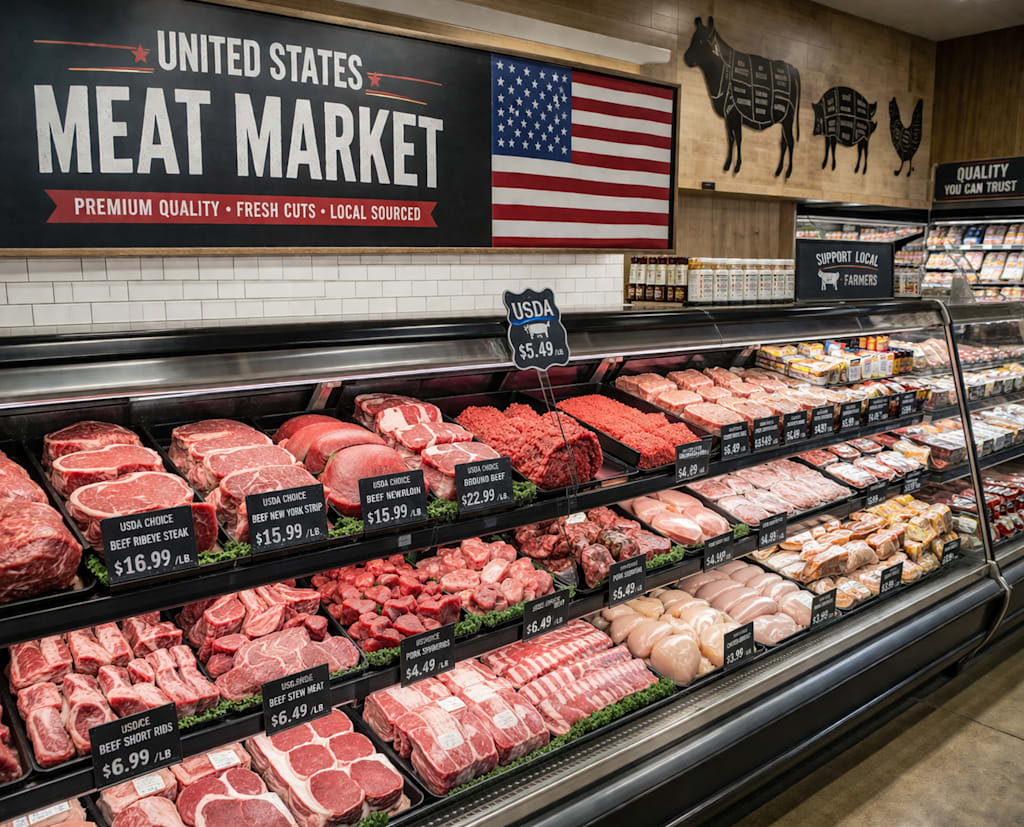
The U․S․ meat industry is at an interesting point․ While meat remains a staple of the American diet‚ consumed every day by millions‚ the way it is purchased is changing․ Consumers still demand pork‚ beef and poultry‚ and other elements such as quality‚ place of origin‚ convenience and type of meat influence purchasing patterns․ This means there is still a large and resilient market as new food trends emerge․ As per IMARC Group‚ the United States meat market was valued at USD 370․0 billion in 2025 and is projected to grow at a CAGR of 3․17% during 2026-2034‚ reaching USD 489․9 billion in 2034․
The growth is understood as mainly attributed to the persistent popularity of protein-rich diets․ According to IMARC‚ the demand is mainly supported by sustained consumer interest in animal protein‚ even as inflationary pressure and other food-market changes occur․ Retail meat sales reached a record USD 104․6 billion in 2024‚ a year-on-year increase of 2․3%‚ showing that the consumption of meat has not retreated in the face of recent trends․
Premiumization is a key factor in the market․ According to IMARC‚ the market is driven by the growing demand for antibiotic-free meat‚ grass-fed meat‚ and organic meat products among consumers․ And it's being shaped by customers willing to pay more for products they see as healthier‚ higher quality‚ or more in line with their values․ That matters because it changes the way meat brands compete․ Today‚ price is important‚ but trust‚ sourcing‚ and perceived quality matter․
Another factor is convenience․ E-commerce meat delivery is the fastest growing subcategory of the meat e-commerce market according to the market research company IMARC‚ reflecting how online grocery shopping is reshaping the food retail industry․ Especially in an industry that has historically relied on in-store fresh meat counters and is customarily associated with in-person supermarket shopping‚ consumers are looking for meat products that offer straightforward comparisons‚ shopping convenience and easy integration into increasingly hectic lifestyles․ This can be inferred based on IMARC's report on the growth of e-commerce delivery and retail infrastructure in India․
The following market structure shows where demand lies within each segment․ According to IMARC‚ raw meat is particularly dominant in every segment‚ accounting for 70․0% of type demand in 2025‚ due to the demand for fresh meat․ Pork is the largest protein overall‚ perhaps mainly because of the South‚ which has the largest pork revenue share (32․0% in 2025)․ Reasons for the South's lead include its high population density‚ grilling and barbecue culture‚ and high levels of foodservice in states like Texas‚ North Carolina‚ and Florida․
These facts are important to note‚ as they illustrate the persistence of established consumption patterns‚ even as markets change․ Fresh meat at the center of the plate‚ regional food culture‚ and customary proteins all endure․ At the same time‚ the market is adapting around those foundations through premiumization‚ digitalization‚ and greater product differentiation‚ an interpretation based on the segmentation and trend lines described by IMARC․
The most interesting things about the US meat sector are continuity and change․ Americans do not appear to be giving up on meat altogether‚ but they are getting choosy about what type they buy‚ how it is produced and where they buy it․ Consequently‚ as distribution keeps developing and the premium subcategories continue to increase‚ the market is expected to remain large but fragmented and value-based‚ based on the market drivers and segment data provided by IMARC․
About the Creator
michael matthew
I’m a market researcher passionate about understanding people, markets, and motivations. My work blends data analysis, consumer psychology, and strategic insight to help brands and businesses make informed, human-centered decisions.
Enjoyed the story? Support the Creator.
Subscribe for free to receive all their stories in your feed.
Comments
There are no comments for this story
Be the first to respond and start the conversation.