
Why the Global Seafood Market Is Growing as Consumers Prioritize Health, Sustainability, and Convenience
Rising demand for protein-rich diets, expanding aquaculture production, and growing interest in ready-to-eat seafood products are reshaping the future of the global seafood industry.

Seafood has long been a staple food source for billions of people around the world. From salmon and tuna to shrimp, oysters, and seaweed, aquatic foods play a critical role in global nutrition, food security, and cultural traditions. Today, however, the seafood industry is experiencing a new wave of growth driven by changing consumer preferences, rising health awareness, and advances in production and distribution technologies.
As people increasingly seek healthier protein alternatives and convenient meal options, seafood is becoming a preferred choice across both developed and emerging markets. At the same time, innovations in aquaculture, cold-chain logistics, and food processing are making seafood more accessible than ever before.
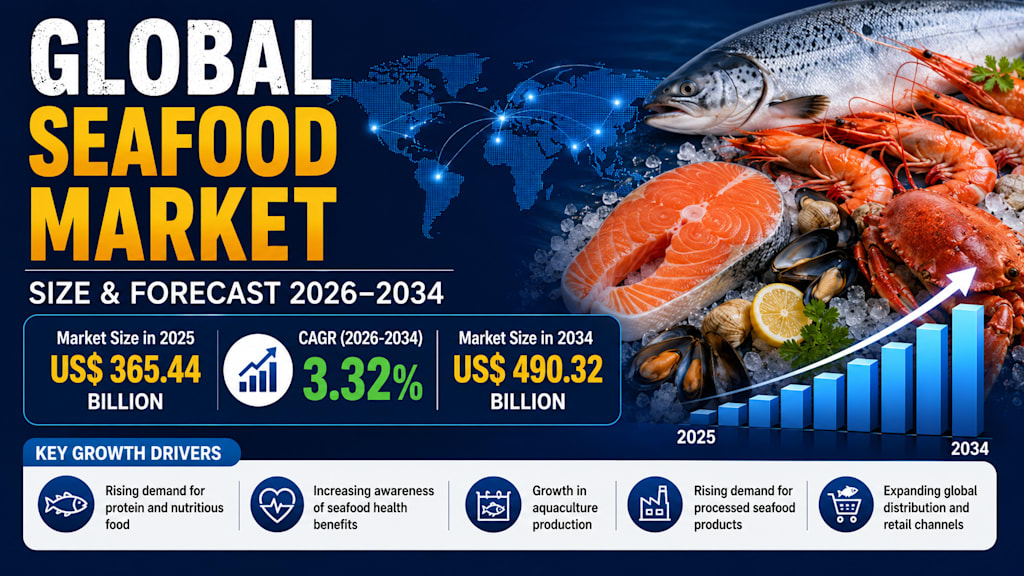
According to Renub Research, the Global Seafood Market is expected to grow from US$ 365.44 billion in 2025 to US$ 490.32 billion by 2034, expanding at a compound annual growth rate (CAGR) of 3.32% from 2026 to 2034. While the growth rate may appear moderate compared to some fast-moving industries, it reflects the increasing importance of seafood in feeding a growing global population while meeting evolving dietary preferences.
The coming decade is expected to bring significant opportunities for producers, retailers, food service providers, and consumers alike as seafood continues to gain prominence within the global food system.
Seafood's Growing Role in Modern Diets
Seafood includes a wide variety of aquatic animals and plants consumed as food. Fish such as salmon, cod, tuna, and mackerel remain among the most popular choices worldwide, while shellfish including shrimp, lobster, crab, oysters, mussels, and clams contribute significantly to global seafood consumption.
In addition, sea plants such as seaweed are increasingly recognized for their nutritional value and sustainability benefits.
One of seafood's greatest strengths lies in its impressive nutritional profile. Rich in protein, omega-3 fatty acids, vitamins, and essential minerals, seafood is often recommended by health professionals as part of a balanced diet. These nutrients support heart health, brain function, immune system performance, and overall well-being.
As awareness of nutrition continues to grow, consumers are paying closer attention to the foods they eat. This shift has positioned seafood as an attractive alternative to heavily processed foods and certain high-fat protein sources.
For many consumers, seafood now represents a combination of health, taste, and convenience that few other food categories can match.
The Global Shift Toward Healthier Protein Sources
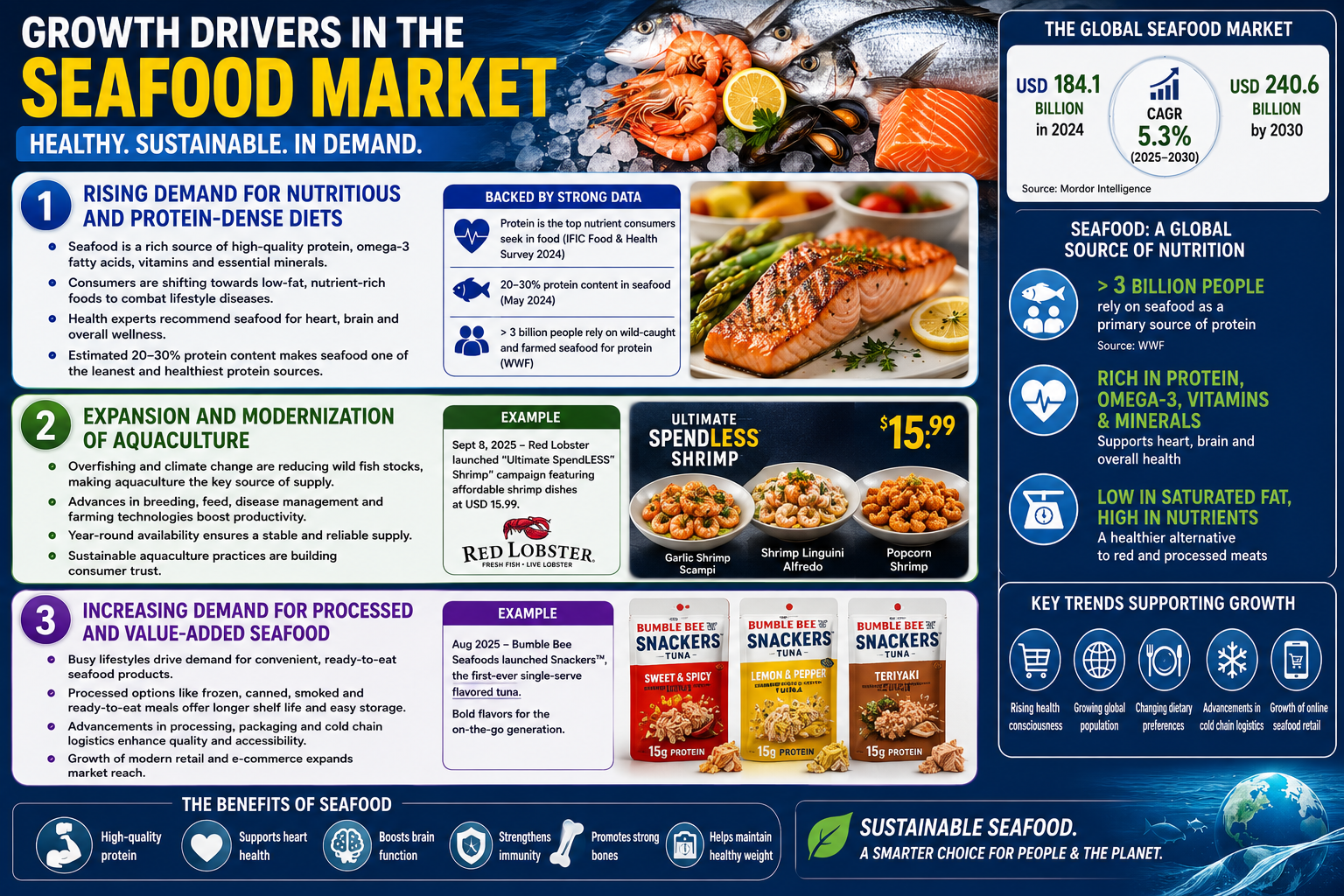
One of the strongest forces driving seafood market growth is the increasing global demand for nutritious, protein-rich foods.
Consumers today are more informed about the relationship between diet and long-term health than ever before. Rising rates of obesity, cardiovascular disease, and lifestyle-related illnesses have encouraged many individuals to reconsider their eating habits.
As a result, seafood is increasingly viewed as a healthier alternative to red and processed meats.
Nutrition experts frequently recommend seafood because of its high-quality protein content and beneficial fatty acids. Unlike many other protein sources, seafood provides essential nutrients while generally containing lower levels of saturated fat.
The growing popularity of high-protein diets has further strengthened seafood demand. Fitness enthusiasts, health-conscious consumers, and aging populations are all seeking foods that support muscle maintenance, energy levels, and overall wellness.
With billions of people relying on seafood as a primary source of nutrition, the industry's role in global food security continues to expand.
Aquaculture Is Transforming Seafood Supply
While demand for seafood continues to rise, wild fish stocks face increasing pressure from overfishing and environmental changes.
To address these challenges, aquaculture has become one of the most important drivers of seafood industry growth.
Aquaculture, often referred to as fish farming, involves the controlled cultivation of fish, shellfish, and other aquatic species. Advances in breeding techniques, feeding systems, water quality management, and disease prevention have significantly improved production efficiency.
Today, aquaculture supplies a substantial portion of the world's seafood and is increasingly viewed as essential for meeting future demand.
Modern aquaculture practices help ensure year-round availability while reducing pressure on wild fish populations. Improvements in sustainability standards and responsible farming methods have also enhanced consumer confidence in farm-raised seafood products.
As technology continues to improve production methods, aquaculture is expected to play an even larger role in supporting global seafood consumption.
Convenience Is Driving Processed Seafood Demand
Modern lifestyles are creating new opportunities within the seafood market.
Urbanization, busy work schedules, and changing household structures have increased demand for convenient meal solutions that require minimal preparation time.
Processed seafood products—including frozen fish, canned tuna, smoked salmon, seafood snacks, and ready-to-eat meals—have become increasingly popular among consumers seeking both nutrition and convenience.
These products offer several advantages. Longer shelf life, easy storage, portion control, and simplified preparation make seafood more accessible to a wider audience.
Advancements in packaging technology, food preservation methods, and cold-chain logistics have improved product quality while extending distribution reach.
Retailers have responded by expanding their seafood offerings across supermarkets, convenience stores, and online platforms. As consumers continue prioritizing convenience, processed seafood is expected to remain one of the fastest-growing segments within the broader market.
Sustainability Challenges Facing the Industry
Despite strong growth prospects, the seafood market faces significant sustainability challenges.
Overfishing remains a major concern in many regions of the world. Unsustainable fishing practices can reduce fish populations, disrupt marine ecosystems, and threaten long-term supply stability.
Governments and international organizations have responded by implementing stricter fishing regulations, quotas, and conservation measures designed to protect marine resources.
Climate change presents additional challenges. Rising ocean temperatures, acidification, and habitat degradation can affect fish populations, migration patterns, and breeding cycles.
These environmental pressures require ongoing investment in sustainable fishing methods, marine conservation efforts, and responsible aquaculture practices.
Consumers are also becoming more conscious of sustainability issues. Many now seek seafood products that carry certifications or eco-labels demonstrating responsible sourcing practices.
As environmental awareness grows, sustainability will increasingly influence purchasing decisions and industry strategies.
Managing Complex Global Supply Chains
Seafood is one of the most perishable food categories in the world, making supply chain management especially important.
Maintaining freshness and quality often requires sophisticated cold-chain infrastructure that extends from harvesting and processing facilities to transportation networks and retail outlets.
Any disruption within the supply chain can lead to spoilage, financial losses, and reduced product availability.
The seafood industry also faces price volatility influenced by factors such as weather conditions, fuel costs, government regulations, seasonal availability, and global demand fluctuations.
For producers, distributors, and retailers, managing these variables requires careful planning and operational flexibility.
Investments in logistics technology, temperature monitoring systems, and supply chain optimization will remain essential as the market continues to grow.
Fresh Seafood Remains a Premium Choice
Fresh seafood continues to enjoy strong demand among consumers who prioritize flavor, texture, and perceived quality.
Fresh fish, shellfish, and mollusks are particularly popular in regions with strong seafood traditions and access to coastal resources.
Improvements in refrigeration technology, transportation networks, and freshness preservation methods have expanded the availability of fresh seafood far beyond coastal communities.
Consumers increasingly associate fresh seafood with premium dining experiences and healthy eating habits.
Although fresh products face challenges related to shelf life and pricing, their appeal remains strong among health-conscious shoppers and culinary enthusiasts.
Processed and Canned Seafood Gains Momentum
While fresh seafood remains highly valued, processed seafood is becoming an increasingly important growth driver.
Canned tuna, salmon, sardines, frozen fillets, breaded seafood products, and ready-to-eat meals offer convenience without sacrificing nutritional value.
These products are particularly attractive to busy consumers seeking quick meal solutions.
Advancements in food processing have significantly improved taste, texture, and product quality, helping overcome traditional perceptions about processed foods.
The rise of e-commerce grocery shopping has also expanded access to processed seafood products, creating new opportunities for manufacturers and retailers.
As convenience continues influencing consumer behavior, processed seafood is expected to capture a larger share of overall market growth.
Crustaceans Continue to Command Strong Demand
Shrimp, crab, lobster, and prawns remain among the most valuable categories within the global seafood industry.
Shrimp, in particular, enjoys widespread popularity due to its affordability, versatility, and presence across numerous cuisines.
Demand for crustaceans is supported by restaurants, hospitality businesses, frozen food manufacturers, and premium retail channels.
However, producers must navigate challenges including disease outbreaks in aquaculture operations, environmental concerns, and fluctuating market prices.
Despite these risks, crustaceans are expected to remain one of the industry's most profitable segments.
Seafood's Expanding Presence in Retail and Food Service
Retail channels continue to play a critical role in driving seafood consumption.
Supermarkets, hypermarkets, specialty seafood retailers, and online grocery platforms offer consumers access to fresh, frozen, and processed products. The availability of branded and private-label seafood products has expanded significantly in recent years.
Meanwhile, the food service sector remains a major contributor to seafood demand.
Restaurants, hotels, catering companies, and quick-service chains increasingly feature seafood dishes on their menus. Rising tourism, growing disposable incomes, and increased dining-out activity have further strengthened food service demand.
Many food service operators are prioritizing sustainably sourced seafood as consumers become more environmentally conscious.
The combination of retail expansion and food service growth creates a strong foundation for long-term market development.
Key Regional Markets Driving Growth
United States
The United States remains one of the world's most developed seafood markets. Consumers increasingly favor healthy protein options such as salmon, shrimp, tuna, cod, and crab.
Demand for frozen and ready-to-eat seafood products continues to rise as busy lifestyles encourage convenience-focused purchasing decisions.
United Kingdom
The UK maintains a strong seafood tradition supported by modern retail infrastructure and increasing health awareness. Consumers increasingly seek sustainably sourced seafood products, driving demand for certified offerings.
China
China is both a major producer and consumer of seafood. Rising incomes, urbanization, and strong cultural preferences for seafood continue to support significant market growth.
Brazil
Brazil's seafood market is expanding as consumers become more health-conscious. Aquaculture development, particularly in tilapia farming, presents substantial growth opportunities.
United Arab Emirates
The UAE benefits from high seafood consumption driven by tourism, hospitality, and a diverse expatriate population. Investments in food security and aquaculture are helping strengthen local production capabilities.
The Future of the Seafood Industry
Looking ahead, the seafood industry is expected to evolve through a combination of technological innovation, sustainability initiatives, and changing consumer preferences.
Advancements in aquaculture, traceability systems, alternative seafood products, and environmentally responsible fishing practices will shape the next generation of seafood production.
Consumers will increasingly demand transparency regarding sourcing, sustainability, and product quality. Businesses that can meet these expectations while maintaining affordability and convenience will likely gain a competitive advantage.
As global populations continue to grow and dietary preferences shift toward healthier protein sources, seafood is positioned to remain a vital component of the global food economy.
Final Thoughts
The global seafood market stands at the intersection of nutrition, sustainability, and innovation. As consumers seek healthier diets and convenient meal solutions, seafood continues to gain importance across retail, food service, and international trade channels.
With the market projected to grow from US$ 365.44 billion in 2025 to US$ 490.32 billion by 2034, the industry's long-term outlook remains positive. Rising demand for protein-rich foods, expanding aquaculture production, and increasing interest in value-added seafood products are creating opportunities across the entire supply chain.
While challenges related to environmental sustainability and supply chain complexity remain, ongoing innovation and responsible industry practices are helping shape a more resilient future. For producers, retailers, and consumers alike, seafood will continue to play a crucial role in feeding the world while supporting healthier lifestyles for generations to come.
About the Creator
Enjoyed the story? Support the Creator.
Subscribe for free to receive all their stories in your feed.
Comments
There are no comments for this story
Be the first to respond and start the conversation.