
Why Is the 1983 Penny So Valuable? The Transition-Year Errors Worth Looking For
Why Is the 1983 Penny So Valuable? The Transition-Year Errors Worth Looking For

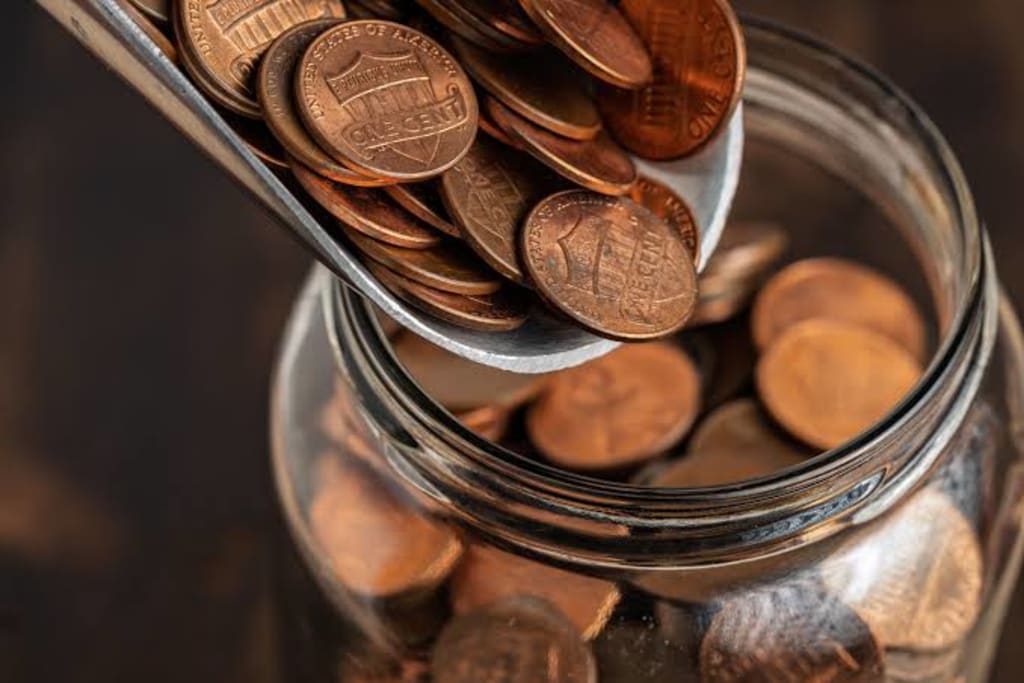
It usually starts the same way. Someone empties a coin jar onto the kitchen table, scrolls past a headline claiming a “1983 penny could be worth thousands,” and starts squinting at dates. Before long, a few 1983 cents are sitting in a plastic bag, set apart like lottery tickets.
So, why is the 1983 penny so valuable? The honest answer is that most of them aren’t. A typical 1983 Lincoln cent is worth exactly one cent.
But a small number of 1983 cents carry real premiums for two specific reasons: a doubled die reverse variety struck at the Philadelphia Mint, and a rare off-metal error in which a 1983 cent was struck on a leftover 95% copper blank instead of the new copper-plated zinc one. Those coins can be worth hundreds or even thousands of dollars. Everything else is pocket change.
How the Copper-to-Zinc Changeover Created Transitional Errors
To understand why 1983 produced valuable errors, you have to go back one year.
In 1982, the U.S. Mint made a quiet but historic change. Copper prices had risen to the point that a cent made of 95% copper was becoming too expensive to justify. So partway through 1982, the Mint switched to a new composition: a zinc core (97.5% of the coin’s weight) with a thin copper plating (2.5%).
The coin looked the same. It weighed about 20% less, 2.5 grams instead of 3.11. Nobody asked the public.
Any time a mint changes metals, there’s a transition period. Leftover blanks (the plain metal discs, called planchets, that get stamped into coins) can linger in bins, hoppers, or machinery. When a few of the old bronze planchets got mixed in with the new zinc ones, the presses struck 1983-dated designs onto the old copper metal.
The result is a transitional error: a coin with a 1983 date and the composition of an earlier year. Because only a tiny number escaped, these are prized by error coin collectors. It echoes the most famous transitional error of all, the 1943 bronze cent struck when the Mint had switched to steel for World War II.
The second valuable 1983 variety is the doubled die reverse. When the working die used to strike the reverse of certain 1983 Philadelphia cents was made, the design was impressed slightly out of alignment, leaving strong doubling on the lettering, including ONE CENT and E PLURIBUS UNUM, on the Lincoln Memorial side. Every coin struck from that die carries the doubling, which makes it a recognized variety with its own collector following.
Key Factors to Weigh
1. Weight. This is the fastest way to check for a copper transitional error. A normal 1983 cent weighs about 2.5 grams. A 1983 struck on a bronze planchet weighs about 3.11 grams. A digital scale accurate to a tenth of a gram does the job.
2. Visible doubling on the reverse. For the doubled die reverse, look at the lettering on the Lincoln Memorial side under magnification. True doubled die lettering shows a distinct second outline, with rounded, separated edges. Flat, shelf-like doubling is usually “machine doubling,” a common and nearly worthless defect.
3. Condition. An error coin in worn, scratched, or corroded condition is worth far less than one in sharp, original condition. Collectors pay the most for coins that look as close to freshly struck as possible.
4. Third-party authentication. Any coin claimed to be a significant error should be authenticated and graded by an established third-party grading service before anyone pays serious money for it. That’s the market’s protection against altered and misattributed coins.
5. Provenance and realistic expectations. Past auction results are the best guide to value, not social media posts. Values vary widely with grade and demand.
A Checklist for Your 1983 Cents
Weigh every 1983 cent. About 2.5 grams is normal. About 3.1 grams is worth a closer look.
Check the mint mark. The doubled die reverse variety comes from Philadelphia, which means no mint mark below the date. A “D” mint mark means Denver.
Examine the reverse under magnification. Look for clear doubling on ONE CENT and E PLURIBUS UNUM.
Rule out damage. Plating bubbles, corrosion, and post-mint damage are not errors.
Send promising coins for authentication. If a coin passes the weight test or shows strong doubling, a professional opinion is the next step.
If your coin weighs 2.5 grams and shows no doubling, it is a normal 1983 cent. That’s the result for nearly everyone, and it’s fine.
Common Concerns and Misconceptions
“I saw a headline saying my 1983 penny is worth thousands.” Viral lists routinely take a single record auction price for a rare, top-graded error and imply that any coin with that date is valuable. The date alone means nothing. Only specific varieties in specific conditions command premiums. The truth is that the “rare penny” content mill thrives on false hope.
“My penny has bubbles, a strange color, or looks doubled, so it must be an error.” Zinc cents are prone to plating blisters, discoloration, and corrosion as they age. Those are not mint errors and add no value. Similarly, machine doubling looks like doubling to an untrained eye but is not a doubled die.
“Someone offered to buy my ‘rare’ 1983 penny online.” Be cautious. If a coin were a verified rarity, it would be sold through a reputable auction or dealer after professional authentication, not through unsolicited messages. Scammers know that hopeful sellers make easy targets.
What 1983 Really Represents
The collector value of a few 1983 errors is a fun footnote. The bigger story is what 1983 represents: the first full year the U.S. cent contained almost no copper at all. The coin looked identical to the one Americans had used for decades, but underneath the copper skin, the metal had been swapped for something cheaper. It was debasement by plating.
That’s how governments have always handled a declining currency. Rome clipped and diluted its silver denarius. The United States pulled silver out of dimes and quarters in 1965. Then it pulled copper out of the cent in 1982.
And in November 2025, it stopped making the cent for circulation altogether because even zinc cost too much. Each step was described as a practical adjustment. Taken together, they trace the long decline of the dollar’s purchasing power.
People who hold physical gold and silver understand that story. The value of real money comes from the metal itself, not from a government stamp, which is exactly why governments keep taking the metal out.
Conclusion
Most 1983 pennies are worth one cent. The ones that command premiums fall into two categories: the 1983 doubled die reverse from Philadelphia, identifiable by strong doubling on the reverse lettering, and the extremely rare 1983 cents struck on leftover 95% copper planchets, which weigh about 3.11 grams instead of 2.5.
Weigh your coins, check the reverse, rule out damage, and have anything promising authenticated. And whatever you find, remember what the 1983 cent quietly marked: the year the penny’s copper became a thin coat of paint.
About the Creator
Stefan Gleason
Stefan Gleason is President and CEO of Money Metals, the company recently named "Best Overall Online Precious Metals Dealer" by Investopedia. A graduate of the University of Florida, Gleason is a seasoned business leader and investor.
Enjoyed the story? Support the Creator.
Subscribe for free to receive all their stories in your feed.
Comments
There are no comments for this story
Be the first to respond and start the conversation.