
Why Is Baby Food Becoming One of the Fastest-Evolving Consumer Categories in North America?
How Infant Nutrition Awareness, Organic Products, Working Parents, and Digital Shopping Are Driving Growth in the North America Baby Food Market

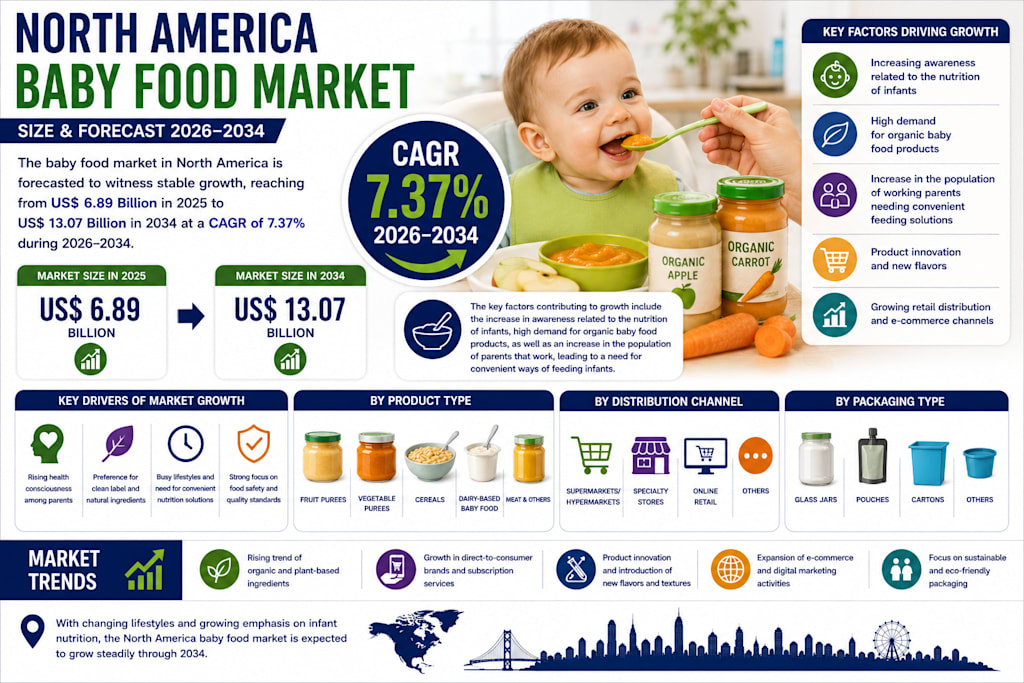
Providing proper nutrition during infancy has become one of the highest priorities for modern parents across North America. As awareness of early childhood development continues to grow, parents are paying closer attention to the foods they introduce during their babies' formative years. This shift has transformed the baby food industry, encouraging manufacturers to develop products that prioritize nutrition, safety, convenience, and ingredient transparency.
Today's baby food market extends far beyond traditional infant formula and cereals. Parents now have access to a wide range of products, including organic purees, clean-label snacks, fortified formulas, probiotic-rich foods, allergy-friendly products, and ready-to-eat meals designed to support healthy growth and development.
According to Renub Research, the North America Baby Food Market is projected to grow from US$ 6.89 billion in 2025 to US$ 13.07 billion by 2034, expanding at a compound annual growth rate (CAGR) of 7.37% from 2026 to 2034. Rising awareness regarding infant nutrition, growing demand for organic baby food products, increasing numbers of working parents, and expanding digital retail channels are among the key factors supporting market growth.
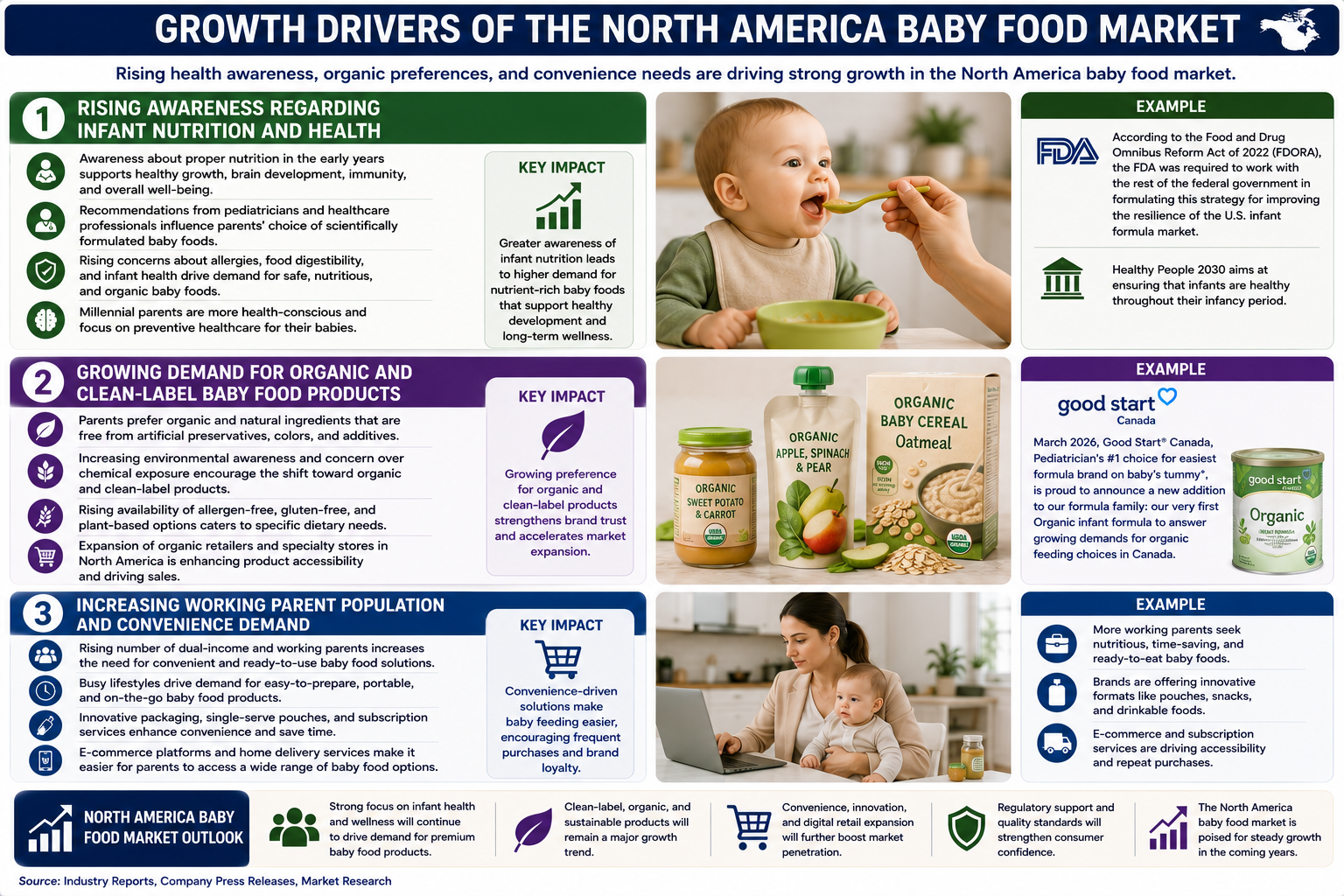
As parents become increasingly informed and selective about infant nutrition, the baby food market is experiencing significant transformation throughout North America.
Infant Nutrition Is Receiving Greater Attention Than Ever
The importance of nutrition during the first years of life is becoming increasingly recognized by parents, healthcare professionals, and policymakers.
Infancy represents a critical stage of physical growth, cognitive development, immune system formation, and long-term health outcomes. As a result, parents are actively seeking foods that provide balanced nutrition while supporting healthy development.
Baby food products are specifically formulated to meet the nutritional requirements of infants and toddlers. These products often contain carefully selected combinations of vitamins, minerals, proteins, carbohydrates, fats, and other essential nutrients designed to promote healthy growth.
Common product categories include infant formula, pureed fruits and vegetables, cereals, baby snacks, ready-made meals, and organic baby foods.
As awareness of infant nutrition continues growing, demand for scientifically formulated baby food products is expected to remain strong.
Rising Awareness of Infant Health Is Driving Market Growth
One of the strongest growth drivers within the North America baby food market is increasing awareness regarding infant health and nutrition.
Parents are becoming more informed about the role nutrition plays in supporting brain development, immunity, digestion, and overall physical well-being. This awareness is encouraging greater investment in high-quality baby food products that provide comprehensive nutritional support.
Healthcare professionals and pediatricians also play an important role in shaping parental purchasing decisions. Recommendations regarding infant feeding practices often influence product selection, particularly for formula products and specialized nutrition solutions.
Concerns related to food allergies, digestive health, and long-term wellness have further increased demand for carefully formulated baby foods.
As preventive healthcare and wellness continue gaining importance, infant nutrition remains a top priority for modern families.
Growing Infant Population Supports Long-Term Demand
Demographic factors continue providing a solid foundation for market growth.
According to recent estimates, the United States had approximately 3.6 to 3.7 million infants aged 0–1 years in 2025, while Canada recorded approximately 350,000 to 380,000 infants, and Mexico had an estimated 1.8 to 2.0 million infants. Together, these populations represent a substantial consumer base for baby food manufacturers.
Although birth rates vary across countries, the consistent need for infant nutrition products ensures ongoing market demand.
Manufacturers continue developing innovative products designed to meet the nutritional requirements of babies at different developmental stages.
The presence of a large infant population across North America creates significant opportunities for both established companies and emerging brands.
Organic Baby Food Is Becoming a Preferred Choice
Organic baby food has emerged as one of the fastest-growing segments within the market.
Modern parents increasingly prefer products made from natural ingredients and free from artificial preservatives, pesticides, additives, and genetically modified organisms. Many consumers perceive organic baby foods as safer and healthier options for infants and toddlers.
Growing awareness regarding food quality, ingredient sourcing, and environmental sustainability is further encouraging adoption of organic products.
Manufacturers are responding by introducing baby foods that emphasize organic fruits, vegetables, grains, and dairy ingredients while maintaining strict quality standards.
The launch of new organic infant formulas and clean-label baby foods continues reflecting growing consumer demand for premium nutrition solutions.
Clean-Label Products Continue Gaining Popularity
Ingredient transparency has become a major purchasing consideration among parents.
Consumers increasingly scrutinize product labels and prefer baby foods containing recognizable, minimally processed ingredients. Clean-label products often avoid artificial colors, flavors, preservatives, and unnecessary additives.
Parents want reassurance that the foods they provide to their children are safe, nutritious, and responsibly manufactured.
As a result, manufacturers are focusing on simple ingredient lists, transparent sourcing practices, and clear nutritional information.
Clean-label positioning has become a powerful differentiator within the highly competitive baby food industry.
The trend toward ingredient transparency is expected to remain a key driver of innovation throughout the forecast period.
Working Parents Are Increasing Demand for Convenience
Changing family structures and employment patterns are significantly influencing baby food purchasing behavior.
The United States alone has approximately 70 to 75 million working parents, while Canada has an estimated 8 to 9 million working parents, and Mexico has approximately 25 to 30 million working parents. These households often require convenient feeding solutions that balance nutrition, safety, and ease of use.
Ready-to-feed formulas, baby food pouches, prepared meals, cereals, and portable snacks provide practical solutions for busy families managing work and childcare responsibilities simultaneously.
The growth of dual-income households continues strengthening demand for convenient baby food products.
As modern lifestyles become increasingly fast-paced, convenience will remain a critical factor shaping market expansion.
Baby Formula Continues Dominating the Market
Baby milk formula remains one of the largest and most important categories within the North America baby food market.
Infant formula products provide essential nutrition for babies who are not exclusively breastfed or who require supplemental feeding. Manufacturers continue enhancing formulas with probiotics, omega-3 fatty acids, vitamins, minerals, and immune-supporting ingredients.
Consumers increasingly seek specialized products tailored to specific dietary needs, including organic formulas, lactose-free formulas, soy-based formulas, goat milk formulas, and hypoallergenic options.
Stringent safety regulations and ongoing product innovation continue strengthening consumer confidence in infant formula products.
As awareness of infant nutrition grows, baby formula is expected to remain a cornerstone of the baby food industry.
Dried Formula Products Offer Convenience and Affordability
Dried milk formulas continue experiencing strong demand due to their convenience, affordability, and long shelf life.
Parents frequently choose powdered formulas because they are easy to store, transport, and prepare. These products are particularly useful for daily feeding routines as well as travel situations.
Manufacturers continue introducing enhanced formulations that support digestion, immunity, physical growth, and cognitive development.
The popularity of dried formula products reflects broader consumer preferences for practical solutions that simplify infant feeding while maintaining nutritional quality.
As convenience remains a major consideration, this category is expected to maintain steady growth.
Online Retail Is Transforming Baby Food Purchases
Digital commerce has significantly reshaped the baby food market.
Parents increasingly prefer online shopping due to convenience, home delivery services, subscription programs, product reviews, and expanded product selections. E-commerce platforms provide access to both mainstream and specialty baby food products that may not be available through traditional retail channels.
Manufacturers and retailers continue investing in digital marketing, mobile applications, personalized recommendations, and subscription-based purchasing models.
Online channels are especially valuable for working parents seeking efficient shopping experiences.
As smartphone usage and digital commerce continue expanding, online retail is expected to remain one of the fastest-growing distribution channels within the baby food market.
Pharmacies Continue Serving as Trusted Retail Channels
Drugstores and pharmacies remain important distribution channels for baby food products.
Many parents prefer purchasing infant formula, baby nutrition products, and specialized dietary solutions from pharmacies because they trust the quality standards and professional guidance available through these outlets.
Pharmacies increasingly offer dedicated baby care sections that include organic foods, probiotics, fortified formulas, and allergy-friendly products.
Medical recommendations often influence purchasing decisions, making pharmacies particularly relevant for consumers seeking specialized nutritional solutions.
The continued expansion of baby care offerings within pharmacy chains is supporting category growth across North America.
Product Safety Remains a Critical Industry Challenge
Despite strong growth prospects, safety concerns continue creating challenges for manufacturers.
Baby food products are subject to strict regulations governing ingredients, production processes, labeling requirements, packaging standards, and contamination controls. Because infants are particularly vulnerable consumers, regulatory agencies maintain rigorous oversight of product quality and safety.
Concerns regarding contaminants, allergens, preservatives, and heavy metals have increased public scrutiny of baby food products in recent years.
Manufacturers must continually invest in quality assurance, testing procedures, and regulatory compliance to maintain consumer trust.
Product safety will remain one of the most important priorities within the industry.
Homemade Alternatives Continue Creating Competition
Competition from homemade baby food remains another important challenge.
Many parents choose to prepare baby food at home because they believe it offers greater control over ingredients, freshness, and nutritional composition. The growing popularity of home cooking and online parenting communities has increased awareness of homemade feeding options.
Additionally, premium organic and clean-label baby foods often carry higher price points, creating affordability concerns for some families.
Manufacturers must continue demonstrating value through convenience, nutritional expertise, safety assurance, and product innovation.
Balancing quality and affordability will remain essential for long-term market success.
United States Leads Regional Market Growth
The United States remains the largest baby food market in North America.
Strong consumer spending, widespread awareness of infant nutrition, advanced retail infrastructure, and a growing preference for organic and clean-label products continue driving market expansion.
Manufacturers are introducing innovative offerings such as plant-based baby foods, allergy-friendly products, and probiotic-enhanced nutrition solutions designed to meet evolving consumer preferences.
The growing number of working mothers and dual-income households further supports demand for convenient baby feeding products.
The United States is expected to remain the region's most influential market throughout the forecast period.
Canada and Mexico Continue Expanding Opportunities
Canada's baby food market continues growing due to increasing interest in organic nutrition, sustainability, clean-label products, and health-conscious parenting. Government initiatives promoting infant nutrition and breastfeeding education also influence consumer behavior.
Mexico is experiencing rapid growth driven by urbanization, rising disposable incomes, growing awareness of infant health, and increasing participation of parents in the workforce. Manufacturers are introducing affordable and nutritious products tailored to local consumer needs.
Together, these markets are creating significant opportunities for baby food manufacturers across the region.
Leading Companies Competing in the Market
Major participants in the North America baby food market include Kraft Heinz Company, Abbott Laboratories, Hero Group through Beech-Nut Nutrition, Hain Celestial Group, Nestlé S.A., Reckitt Benckiser Group plc through Mead Johnson, Amara Organics Foods, Danone S.A., Lactalis, and Sun-Maid Growers of California. These companies continue investing in nutrition science, product innovation, digital commerce, and premium baby food solutions to strengthen their market positions.
Final Thoughts
The North America Baby Food Market is evolving rapidly as parents place greater emphasis on infant nutrition, product quality, convenience, and transparency.
With the market projected to grow from US$ 6.89 billion in 2025 to US$ 13.07 billion by 2034, manufacturers have substantial opportunities to capitalize on rising demand for organic products, clean-label ingredients, specialized nutrition, and digital shopping experiences.
As awareness of infant health continues increasing and parents become more selective about early childhood nutrition, the baby food industry is well-positioned for sustained growth throughout the coming decade.
About the Creator
Enjoyed the story? Support the Creator.
Subscribe for free to receive all their stories in your feed.
Comments
There are no comments for this story
Be the first to respond and start the conversation.