
What Is Mobile Advertising and Why Is It Reshaping Digital Marketing in 2026
Rising smartphone usage, AI-driven personalization, mobile commerce growth, and video content trends are transforming mobile advertising into a dominant force in digital marketing.

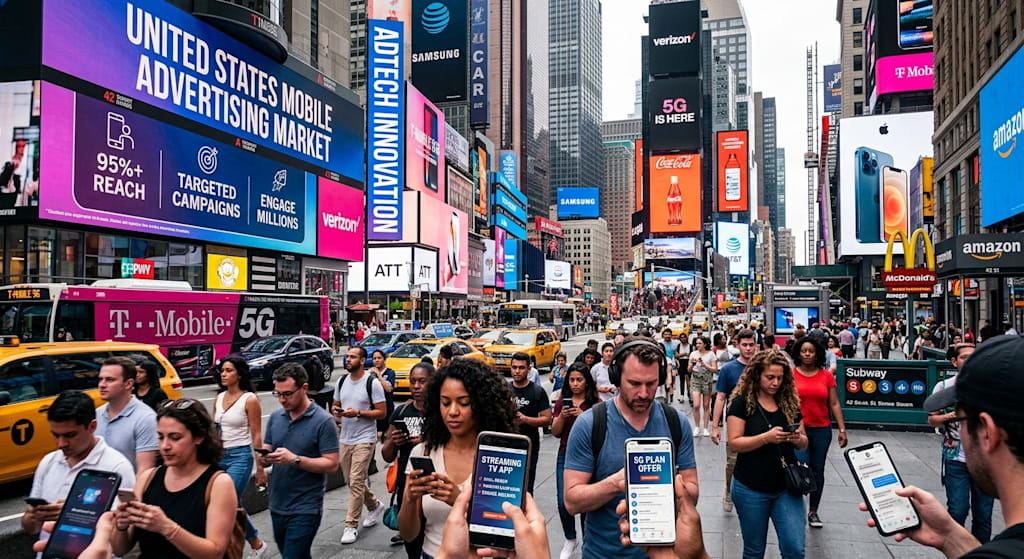
Mobile advertising is quickly becoming one of the most effective ways to shape the future of the U.S. Digital marketing landscape. As we spend more time on smartphones, tablets and apps, brands are shifting more ad dollars to mobile-first approaches in an effort to reach consumers at real-time. With new ad strategies that incorporate everything from social media campaigns and video ads to AI-driven personalized ads, mobile advertising is the key to connecting with consumers in 2026.
According to IMARC Group, the U.S. Mobile advertising market size was valued at USD 78.5 Billion in 2025, and is expected to reach USD 245.0 Billion by 2034, growing at a CAGR of 13.09% during the 2026-2034 forecast period.
What is mobile advertising?
Mobile advertising is digital advertising, displayed through mobile devices like smartphones and tablets. Ads are visible across several digital platforms:
- Mobile applications
- Social media platforms
- Mobile websites
- Video streaming platforms
- Search engines
- Gaming platforms
- Messaging applications
Mobile advertising makes it possible for businesses to target users based on location, interests, browsing habits, demographics and real-time engagement patterns.
Reasons behind mobile advertising's rapid growth:
Smartphone usage is still increasing: The proliferation of smartphone usage is one of the biggest reasons that mobile advertising is rapidly taking shape and becoming such a massive part of the digital marketing sphere. Consumers increasingly rely on their smartphones for a variety of tasks, including:
- Online shopping
- Social networking
- Video streaming
- Gaming
- Banking
- News consumption
As we spend more time with screens in hand, companies are investing heavily in mobile-focused marketing campaigns.
Social media platforms are driving engagement: Mobile advertising is continuing to grow due to its widespread adoption across various social media applications, including TikTok, Instagram, Facebook, Snapchat, and YouTube. The number of people on these apps are engaging at over 2 billion daily mobile interactions, making it essential for brands. Companies are utilizing many strategies, including:
- Short-form video ads
- Influencer marketing campaigns
- Interactive content
- Live-streamed advertisements
- Sponsored social media ads
These techniques help brands enhance consumer connections with personalized and effective interactions.
AI and data analysis are revolutionizing ad targeting: Artificial intelligence, coupled with comprehensive data analysis, are some of the top contributing factors to mobile advertising becoming an increasingly more effective channel. Many current ad platforms are using AI to determine:
- The way users behave
- Purchasing habits
- Browsing behavior
- Preferences and how they engage with an advertisement
- Location data
These parameters allow marketers to craft the perfect advertisement for a specific user, leading to increased clicks and more purchases.
Mobile commerce is on the rise: The burgeoning rise of mobile commerce is another significant reason that mobile advertising is surging in popularity. Today, consumers are more likely than ever before to make purchases directly from their smartphones, utilizing:
- Mobile payment apps
- Single-click checkout systems
- Social commerce platforms
- Digital wallets
With the constant rise in mobile purchasing habits, advertisers are now seeing mobile ads as an integral part of encouraging instant purchase behavior.
Video advertising is taking over mobile platforms: Video content is proving to be one of the most effective formats within the realm of mobile advertising. More and more users are showing greater engagement with short-form videos, livestreams, and interactive advertisements when compared to static display ads. Mobile video ads are attractive due to their ability to convey:
- Strong visual stories
- Higher consumer engagement
- Better recall and recognition of the brand
- Potential for more conversions
The prevalence of video content within mobile applications are pushing mobile video advertising toward its rapid growth.
Location-based advertising is becoming more powerful: Mobile devices are allowing marketers to place hyper-targeted, location-based advertisements with greater accuracy than ever before. Brands can now advertise to consumers based on:
- Current geographical location
- The store's or venue's location
- Their search patterns for things around them
- Their traveling habits
The ability to advertise in this precise way can make it possible for retailers, restaurants, entertainment venues, and local businesses to encourage more people to physically visit.
5G technology is fueling mobile experiences: With the development of 5G networks, the quality of the mobile advertising experience is significantly improving, especially in relation to factors like:
- High-definition video streaming
- Highly interactive advertisements
- AR experiences
- Real-time targeting
- Faster application performance
These advancements allow companies to develop far more immersive and user-friendly mobile marketing campaigns.
Retail media and in-app advertising is growing: Both retailers and app developers are continuing to tap into mobile advertising to monetize their digital platforms. The usage of in-app advertisements across many applications such as shopping apps, fitness apps, gaming apps, streaming platforms, and news applications, continues to grow. Many companies are also developing their own retail media networks, as brands look for more direct connections with consumer purchase behavior data.
Challenges in the mobile advertising industry:
Even with continued growth, there are some major concerns within the mobile advertising industry that marketers will need to be aware of moving forward:
- Consumer privacy
- User ad fatigue
- Increasing data regulation
- Use of ad-blocking software
- Complex attribution and measurement
With all of these different factors at play, brands need to strike a balance between effective targeting and honest, transparent practices.
Why mobile advertising is reshaping digital marketing in 2026:
Mobile advertising isn't merely an extension of digital marketing any longer; it is the bedrock of an effective, modern customer engagement strategy.
Several factors are the driving forces behind this shift:
- Consumers are mobile-first
- Digital commerce is app-driven
- AI allows for targeted, personalized advertisements
- Engagement relies heavily on video and interactive content
- Performance is measured in real-time
Businesses that incorporate these core elements of mobile advertising are much better equipped to build stronger client relations and ultimately more sustainable growth.
Future outlook:
The U.S. Mobile advertising market looks very bright. More consumer use of smartphones, increasing advancement in AI-enabled marketing, a rise in mobile commerce usage, enhanced consumer interaction across social media platforms, and the development of 5G networks all contribute to the continuous expansion of the market. Mobile advertising remains the most powerful channel to influence the future of digital marketing, as brands continue to shift their focus toward providing a seamless mobile customer experience.
About the Creator
michael matthew
I’m a market researcher passionate about understanding people, markets, and motivations. My work blends data analysis, consumer psychology, and strategic insight to help brands and businesses make informed, human-centered decisions.
Enjoyed the story? Support the Creator.
Subscribe for free to receive all their stories in your feed.
Comments
There are no comments for this story
Be the first to respond and start the conversation.