
What Is Green Packaging and Why Is It Reshaping U.S. Consumer Goods in 2026
Rising sustainability awareness, plastic reduction initiatives, e-commerce growth, and evolving consumer preferences are accelerating demand for green packaging solutions across the United States.

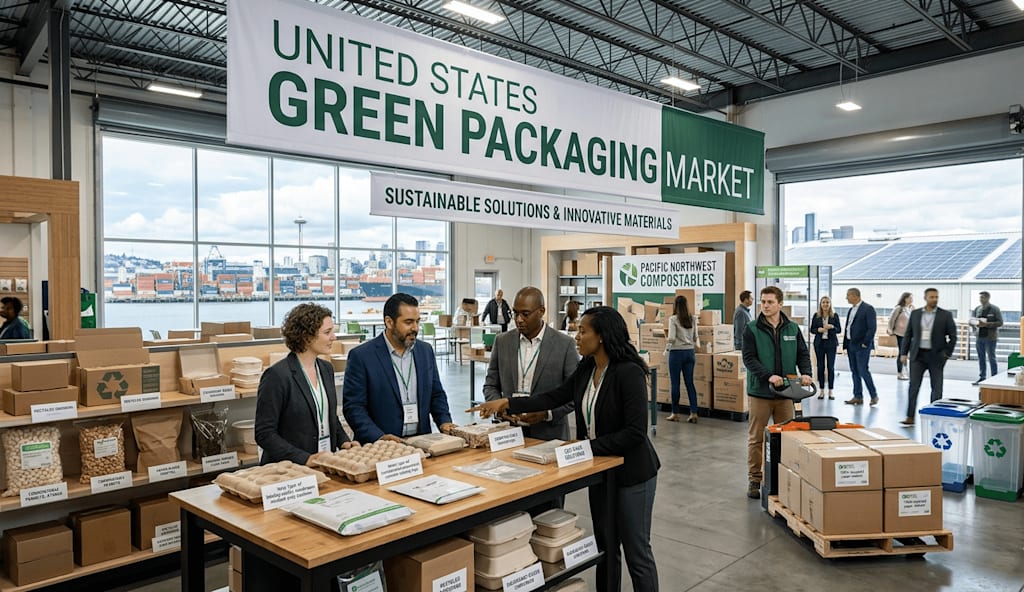
It is estimated that sustainability will influence the future of the U.S. Consumer goods industry more than any other factors. Consumers are ever more concerned about environmental issues, leading brands to adopt greener packaging solutions. This is in relation to anything from the reuse of material and compostable packages, to the use of reusable packaging systems; green packaging is currently redefining how the products are created, distributed and used in 2026.
As per IMRAC Group, in 2025 the U.S green packaging market was estimated at $76.79 Billion and is projected to be $108.34 Billion by 2034, which will represent a CAGR of 3.90 % from 2026 to 2034.
What Is Green Packaging?
Green packaging is environmentally sustainable packaging that is used to reduce impact on the environment through all stages of the products lifecycle. Green packaging materials have some of the following characteristics:
• Recyclable
• Reusable
• Biodegradable
• Compostable
• Made with renewable resources
The aim of green packaging is the reduction of waste, decreasing of carbon footprint, preserving natural resources, supporting the circular economy and so on. Green packaging materials currently available consist of:
• Recycled paper and cardboard
• Bio-based plastics
• Biodegradable polymers
• Compostable films
• Reusable containers
• Glass and metal packaging
Why Green Packaging Is Growing So Rapidly
consumers are more concerned about the sustainability aspect. The fact that many consumers want to support brands with environmental initiatives is increasingly having a major influence on green packaging adoption among companies.
Consumers are considering:
• The amount of packaging wasted
• Reducing the amount of plastic used
• Recycling the packaging
• Where materials have been sourced from
• The environmental efforts made by companies
Brands which are adopting eco-friendly packaging tend to gain greater brand loyalty and enhance brand image.
Increasing concerns regarding the environmental damage of plastic is speeding up the change. Due to the mounting plastic waste from usage of disposable packaging, businesses are now considering more sustainable alternative materials and reducing packaging waste that ends up in the trash or in oceans. Manufacturers and retailers are investing more in innovative green packaging solutions, as demand grows from various entities that are looking for sustainable packaging options.
The demand in packaging is also being propelled by the fast growth in the e-commerce sector of the U.S. E-commerce providers have been seen concentrating on:
• Low-weight packaging materials
• Eco-friendly and recyclable shipping alternatives
• minimalist packaging designs
• Sustainable and protective packaging materials
With the increasing need for faster deliveries and large volumes, sustainable packaging is necessary to cut back on environmental degradation along the supply chain.
Government regulations are playing a big role in accelerating the usage of sustainable packaging; policies pertaining to the reduction of plastic, setting higher recycling targets and implementing better waste management plans are being seen around the US to push industries towards eco-friendly practices.
Major brands are already taking steps to move towards sustainability, with ambitious goals in place to reduce plastic waste and increase the use of recyclable content. The food and beverage, personal care, medical care, retail, electronic and home product industries are all major participants in developing green packaging alternatives.
Technological improvements are helping to enhance the quality of green packaging materials. Until recently, some disadvantages of green packaging included limitations in terms of quality and durability compared to their conventional counterparts; now, advancements in technology have helped to improve the functionality of many green materials, such as stronger and more water-resistant biodegradable paper packaging, as well as more resilient compostable plastic films and more reliable recycling infrastructure for these new materials to better enable their integration into global supply chains.
The rise in demand for a circular economy is driving an increased demand for green packaging, as businesses are now seeking more sustainable alternatives to reduce wastage through reusable packaging and refillable options, decreasing the need for raw materials for manufacturing packaging goods.
Key Industries Driving Green Packaging Demand
Food and Beverage industry is one of the largest industries that are showing an upward trend towards utilizing compostable packaging and recycling methods for food packaging, as consumer perception toward sustainable foods is rising significantly.
The personal care and cosmetics sector is focusing more on refilling methods for cosmetic and beauty products to promote sustainability and reduce the use of new packaging resources.
Medical and pharmaceutical industries are researching sustainable materials that are safe and comply with strict regulatory standards.
Retail sector and the e-commerce segment are adopting lightweight and recyclable materials for their shipments and cutting down on unnecessary packaging elements to support the sustainability targets set by businesses, while the usage of green packaging in home and office products such as toiletries is also rising at a pace.
Challenges Facing the Green Packaging Industry
Despite an increasing demand for green packaging, the market still suffers from some disadvantages: higher prices compared to traditional materials, limited infrastructure for processing these materials, issues with durability and functional performance as well as supply chain complexities and a lack of consumer awareness concerning the benefits of utilizing these packaging types. All the above issues are being tackled with increasing investment and further technological innovation so that the benefits of green packaging can be achieved by the entire industry in the future.
Why Green Packaging Is Reshaping Consumer Goods in 2026
It appears that sustainability is no longer just a strategy but a vital component that is shaping the overall consumer goods industry and its strategies, and not just for environmental benefit but for business interests also. Several factors are contributing to this transformation including consumers demand, stricter regulations for environmental standards, the drive towards better ESG performance, increasing consumer goods consumption on account of growing e-commerce industry and advancements in material sciences for packaging production. These factors are in turn reforming product design, entire supply chain networks, customer relationship and company strategies toward better product branding and marketing to attract the growing section of green conscious consumers, as well as the establishment of sustainable supply chains and improved relationships between companies and customers.
Future Outlook
The U.S. Green packaging market is predicted to continue growing over the next few years due to increasing awareness of sustainability, stronger and ambitious green targets from corporations and governmental institutions, advancements in technology which enable production of better green packaging materials and stricter environmental laws which have been enforced. Therefore, green packaging is expected to be one of the most crucial segments that will form the backbone of future consumer goods in the market place.
About the Creator
michael matthew
I’m a market researcher passionate about understanding people, markets, and motivations. My work blends data analysis, consumer psychology, and strategic insight to help brands and businesses make informed, human-centered decisions.
Enjoyed the story? Support the Creator.
Subscribe for free to receive all their stories in your feed.
Comments
There are no comments for this story
Be the first to respond and start the conversation.