
United States Textile Market Size & Growth Forecast to 2034
The United States textile market reached a value of USD 196.0 Billion in 2025 and is projected to grow to USD 282.2 Billion by 2034

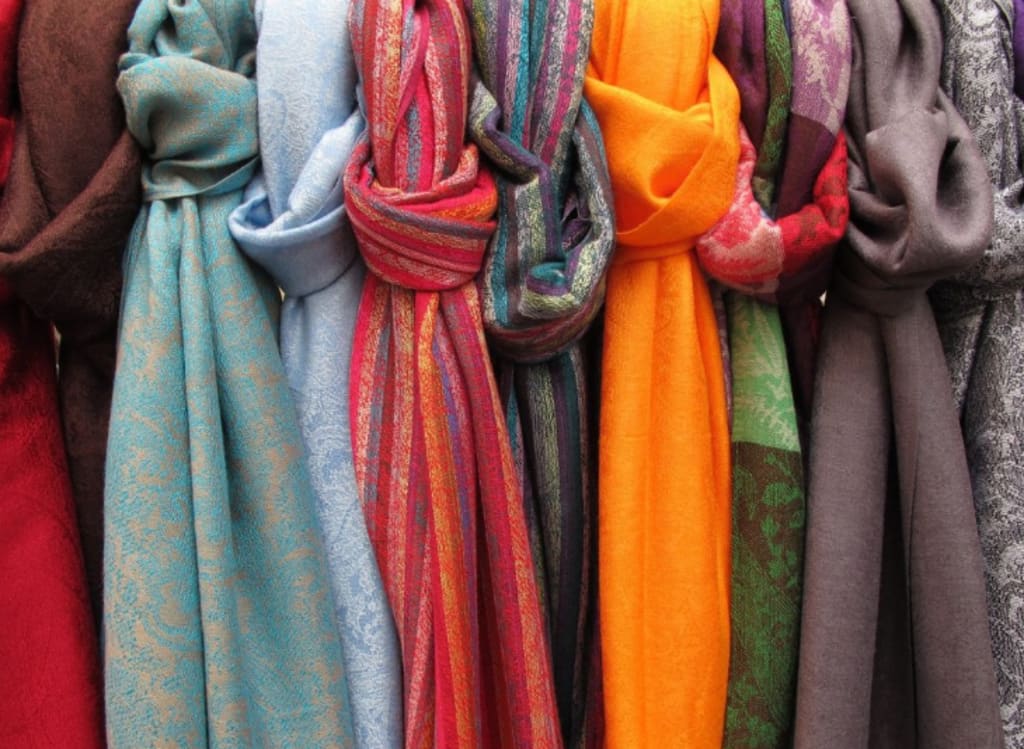
United States Textile Market Size, Growth, and Forecast (2026–2034)
The United States textile market reached a value of USD 196.0 Billion in 2025 and is projected to grow to USD 282.2 Billion by 2034, exhibiting a CAGR of 4.13% during 2026–2034. The market continues to expand steadily, supported by technological advancements, increasing demand for high-performance fabrics, and strong growth in the apparel and fashion industries.
For B2B stakeholders, including manufacturers, suppliers, and investors, the market presents consistent opportunities driven by evolving consumer preferences and industrial applications. The integration of sustainable materials and advanced textile production techniques is further strengthening the long-term growth outlook.
Key Trends Transforming the United States Textile Industry
The U.S. textile industry is undergoing a significant transformation, led by innovation and sustainability. One of the most notable trends is the growing adoption of eco-friendly textiles made from recycled fibers, organic cotton, and bio-based materials. Companies are increasingly focusing on reducing environmental impact while meeting regulatory and consumer expectations.
Another key trend is the rise of smart textiles and functional fabrics, including moisture-wicking, antimicrobial, and temperature-regulating materials. These innovations are gaining traction across sectors such as sportswear, healthcare, and defense.
Digitalization is also reshaping the industry, with automation, AI-driven manufacturing, and supply chain optimization improving efficiency and reducing production costs. Additionally, nearshoring and domestic production strategies are gaining momentum as companies aim to reduce dependency on global supply chains and improve responsiveness.
Major Growth Drivers in the U.S. Textile Market
Several factors are driving growth in the United States textile market. The expanding apparel and fashion industry remains a primary driver, with increasing demand for high-quality, durable, and stylish fabrics. Consumers are placing greater emphasis on comfort, performance, and sustainability, encouraging manufacturers to innovate continuously.
The growth of technical textiles is another major driver. Industries such as automotive, construction, healthcare, and aerospace are increasingly using specialized textiles for applications like insulation, filtration, and protective clothing.
Additionally, rising demand for sustainable and ethically produced textiles is pushing companies to adopt greener manufacturing processes. Government initiatives and regulations promoting environmental sustainability are also supporting this transition.
E-commerce expansion is further boosting demand, as online retail platforms increase accessibility to a wide range of textile-based products, driving volume growth across multiple segments.
Challenges Impacting the U.S. Textile Industry
Despite steady growth, the industry faces several challenges. Fluctuations in raw material prices, particularly cotton and synthetic fibers, can impact profit margins and pricing strategies. Supply chain disruptions and dependency on imported raw materials also pose risks to production stability.
Labor costs in the United States remain relatively high compared to other manufacturing hubs, creating competitive pressure for domestic producers. Additionally, environmental regulations, while necessary, can increase operational costs for companies that need to invest in sustainable technologies and compliance measures.
Another challenge is intense global competition, especially from low-cost manufacturing countries. To remain competitive, U.S. textile companies must focus on innovation, quality, and niche market segments rather than competing solely on price.
Competitive Landscape of the United States Textile Market
The competitive landscape of the United States textile market is characterized by the presence of established manufacturers, global suppliers, and specialized textile producers. Companies are focusing on product innovation, sustainable materials, and advanced manufacturing technologies to differentiate themselves in a competitive environment.
Strategic partnerships, mergers, and acquisitions are common as businesses aim to expand their product portfolios and strengthen market presence. Additionally, investments in automation and digital manufacturing are helping companies improve efficiency and scalability.
Many players are also prioritizing direct-to-consumer strategies and strengthening their distribution networks to capture a larger share of the market. The emphasis on sustainability and transparency is becoming a key factor in brand positioning and competitive advantage.
Future Outlook of the United States Textile Market (2026–2034)
The future of the United States textile market remains positive, with steady growth expected through 2034. Increasing adoption of sustainable practices, advancements in textile technology, and growing demand across industrial applications will continue to drive market expansion.
Emerging opportunities lie in smart textiles, biodegradable materials, and high-performance fabrics designed for specialized uses. Companies that invest in innovation, digital transformation, and sustainability are likely to gain a competitive edge in the evolving market landscape.
Overall, the market is expected to maintain a stable growth trajectory, supported by strong domestic demand, technological advancements, and a shift toward environmentally responsible production practices.
About the Creator
Kim Soo hyun
My name is Kim Soo hyun, and I am a research analyst at IMARC Group, specializing in market trends and data analysis to provide insights and support strategic decision-making.
Enjoyed the story? Support the Creator.
Subscribe for free to receive all their stories in your feed.
Comments
There are no comments for this story
Be the first to respond and start the conversation.