
United States Crab Market Set to Reach US$ 5.71 Billion by 2033 as Seafood Consumption and Sustainable Fishing Drive Industry Growth
Growing demand for premium seafood, expanding restaurant channels, and sustainability-focused harvesting practices are reshaping the future of America's thriving crab industry.

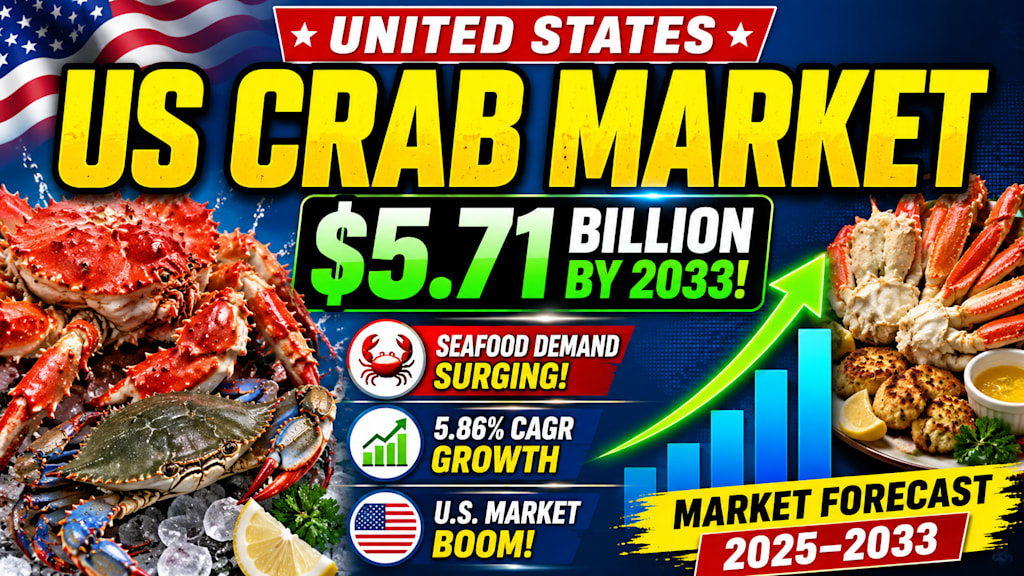
United States Crab Market Forecast 2025–2033: A Premium Seafood Industry on the Rise
The United States crab market is entering a period of sustained expansion, fueled by rising seafood consumption, increasing health awareness, and strong demand from restaurants and retail channels. Crab has long been one of the most valued seafood products in the country, appreciated for its rich flavor, nutritional benefits, and versatility across cuisines.
According to Renub Research, the United States Crab Market is projected to grow from US$ 3.42 billion in 2024 to US$ 5.71 billion by 2033, registering a compound annual growth rate (CAGR) of 5.86% during 2025–2033.
From the famous blue crabs of Maryland and Louisiana to California’s prized Dungeness crab and Alaska’s king crab fisheries, the industry remains a crucial contributor to coastal economies while supporting thousands of jobs in fishing, processing, transportation, and foodservice sectors.
As consumers increasingly prioritize healthy protein sources and seafood-rich diets, the crab market is expected to witness robust growth throughout the forecast period.
Why Crab Remains a Favorite Seafood Choice in America
Crab occupies a unique position in the U.S. seafood industry. Unlike many seafood products that serve niche consumer groups, crab enjoys widespread popularity across demographics.
Its appeal stems from several factors:
High protein content
Rich source of omega-3 fatty acids
Low saturated fat levels
Premium taste and texture
Versatility in culinary applications
Consumers enjoy crab in various forms, including fresh, frozen, canned, steamed, grilled, and incorporated into products such as crab cakes, soups, salads, and seafood platters.
The growing popularity of Mediterranean and pescatarian diets has further elevated seafood consumption nationwide, creating favorable conditions for crab market expansion.
Strong Demand from Restaurants and Foodservice Channels
One of the most significant drivers of market growth is the continued expansion of seafood-focused dining establishments across the United States.
Seafood restaurants increasingly feature premium crab dishes to attract customers seeking authentic coastal dining experiences. From upscale seafood chains to local crab shacks, crab remains a high-value menu item capable of generating strong margins.
Several trends are supporting foodservice demand:
Rising Casual Dining Culture
Consumers are dining out more frequently and exploring seafood-based menus. Crab boils, seafood platters, and crab-centric dishes continue gaining popularity across both coastal and inland states.
Expansion of Seafood Delivery Services
Online seafood ordering and home delivery platforms have made premium crab products accessible to consumers nationwide. Fresh and frozen crab products can now be delivered directly to households, significantly expanding market reach.
Growth of Meal Kits
Meal-kit providers increasingly incorporate crab into gourmet seafood offerings, introducing consumers to premium seafood experiences at home.
Collectively, these developments are strengthening demand and creating new revenue streams for producers and distributors.
Health-Conscious Consumers Are Driving Market Expansion
The modern American consumer is increasingly focused on nutrition, wellness, and healthier eating habits.
Crab aligns perfectly with these evolving preferences.
As obesity, cardiovascular disease, and lifestyle-related health concerns remain key public health issues, many consumers are replacing processed proteins with nutrient-rich seafood alternatives.
Crab offers:
Essential vitamins and minerals
Lean protein
Low calorie content
Heart-friendly omega-3 fatty acids
High satiety value
Healthcare professionals and nutrition experts continue encouraging seafood consumption as part of balanced diets, further supporting long-term demand growth.
Younger consumers, particularly Millennials and Generation Z, are also showing greater interest in premium seafood experiences and sustainable food sourcing, creating additional opportunities for market participants.
Sustainability Becomes a Key Industry Focus
The future of the U.S. crab industry increasingly depends on sustainable resource management.
Federal and state agencies have implemented strict regulations designed to protect crab populations and ensure long-term ecosystem health.
These measures include:
Seasonal harvesting restrictions
Catch quotas
Minimum size requirements
Gear limitations
Habitat protection programs
Organizations such as the National Oceanic and Atmospheric Administration (NOAA) work closely with fisheries to maintain healthy crab stocks while balancing commercial interests.
Consumers are also becoming more environmentally conscious. As a result, seafood companies emphasizing responsible harvesting and traceability gain stronger market acceptance.
Sustainability certifications and transparent supply chains are increasingly influencing purchasing decisions among retailers, restaurants, and consumers alike.
Environmental Challenges Continue to Impact Supply
Despite positive growth prospects, the industry faces several environmental challenges.
Climate Change Effects
Changing ocean conditions are affecting crab habitats across multiple regions.
Rising water temperatures can alter:
Reproductive cycles
Growth rates
Migration patterns
Survival rates
These impacts are particularly concerning for blue crab populations along the Atlantic Coast and king crab fisheries in Alaska.
Ocean Acidification
Increasing acidity levels in marine environments can negatively affect shell development and overall crab health.
Extreme Weather Events
Hurricanes, coastal flooding, and severe storms can damage marine ecosystems and disrupt harvesting activities.
Such environmental uncertainties create supply volatility and make long-term resource planning more complex for industry stakeholders.
Regulatory Restrictions Present Operational Challenges
Sustainability-focused regulations are essential, but they also create operational challenges for fishermen and processors.
Fishing seasons are often limited to specific periods, restricting harvesting opportunities and reducing annual catch volumes.
Key challenges include:
Seasonal closures
Catch limits
Compliance costs
Administrative burdens
Supply shortages during peak demand periods
These restrictions can lead to price fluctuations and inventory challenges throughout the supply chain.
To address these issues, industry participants are investing in advanced processing technologies, cold storage infrastructure, and aquaculture research aimed at supplementing wild-caught supplies.
State-Level Analysis of the U.S. Crab Market
California
California remains one of the nation's most important crab-producing states, particularly for Dungeness crab.
Known for its sweet flavor and large size, Dungeness crab is highly sought after in both domestic and international markets.
The state's industry benefits from:
Strong export demand
Established seafood infrastructure
Premium product reputation
However, environmental concerns such as harmful algal blooms and changing ocean temperatures continue to affect harvest levels.
Texas
Texas plays a critical role in blue crab production along the Gulf Coast.
Its warm coastal waters provide favorable conditions for blue crab populations, supporting both commercial and recreational fisheries.
The Texas crab market benefits from:
Strong local seafood culture
Growing restaurant demand
Expanding seafood processing operations
Challenges include habitat loss, coastal pollution, and hurricane-related disruptions.
New York
While New York is not a major producer, it serves as one of the country's largest seafood consumption and distribution hubs.
New York City's extensive network of:
Restaurants
Seafood wholesalers
Retailers
Importers
drives substantial crab demand throughout the year.
The state's strategic port infrastructure also facilitates national distribution of domestic and imported crab products.
Florida
Florida's extensive coastline and estuarine ecosystems support significant blue crab harvesting activities.
Tourism plays a major role in sustaining year-round demand, as seafood remains central to Florida's culinary identity.
Despite challenges related to hurricanes, habitat degradation, and water quality concerns, Florida continues to be an important contributor to national blue crab supplies.
Frozen Crab Dominates Product Demand
Among available product forms, frozen crab remains the leading market segment.
Frozen products offer several advantages:
Longer shelf life
Easier transportation
Reduced waste
Year-round availability
Wider geographic distribution
As cold-chain logistics continue improving, frozen crab products are becoming increasingly accessible to consumers throughout the country.
Meanwhile, canned crab maintains strong demand due to convenience and affordability, particularly among households seeking ready-to-use seafood ingredients.
Imports Continue Supporting Domestic Consumption
Domestic production alone cannot satisfy growing consumer demand.
As a result, imports remain an essential component of the U.S. crab supply chain.
Major international suppliers help bridge seasonal and regional shortages while ensuring consistent availability for retailers and foodservice operators.
This balance between domestic harvesting and international sourcing strengthens market resilience and supports long-term growth.
Technology and Innovation Reshape the Industry
Technological advancements are helping the crab industry improve efficiency and product quality.
Important innovations include:
Advanced refrigeration systems
Smart cold-chain monitoring
Enhanced packaging technologies
Seafood traceability systems
Digital inventory management
These developments help maintain freshness, reduce spoilage, and improve operational efficiency throughout the supply chain.
Investments in aquaculture research may also provide future opportunities to reduce dependence on wild harvests while supporting sustainable growth.
10 Recent Developments by Major Companies in the U.S. Crab Market
1. Bumble Bee Foods LLC
Expanded premium seafood product offerings and strengthened retail distribution channels to meet rising seafood demand across the United States.
2. Supreme Crab & Seafood Inc.
Enhanced cold-storage and logistics capabilities to improve nationwide delivery efficiency and product freshness.
3. Maine Lobster Now
Continued growth in direct-to-consumer seafood delivery services, expanding access to premium crab products nationwide.
4. Millennium Ocean Star Corporation
Focused on strengthening international seafood sourcing partnerships to ensure consistent product availability.
5. Phil-Union Frozen Foods Inc.
Increased frozen seafood exports and improved processing capabilities to support growing North American demand.
6. JM Clayton Seafood Company
Expanded sustainable harvesting initiatives while enhancing product traceability programs.
7. RGE Agridev Corporation
Invested in seafood supply-chain improvements and strategic distribution partnerships.
8. Siam Canadian Group Limited
Strengthened global seafood procurement networks to support stable crab supply for U.S. customers.
9. Handy Seafood
Introduced value-added crab-based products targeting retail and foodservice segments.
10. Canadian Snow Crab Industry Development (2025)
Following the near-completion of Gulf snow crab quotas in May 2025, Newfoundland and Labrador suppliers gained greater influence over North American snow crab availability, impacting U.S. market dynamics.
Future Outlook
The outlook for the United States crab market remains highly promising through 2033.
Growing seafood consumption, increasing health consciousness, premium dining trends, and advancements in sustainable fisheries management are expected to create significant growth opportunities.
Although environmental uncertainties and regulatory limitations remain challenges, ongoing investments in technology, sustainability initiatives, and supply-chain modernization will help the industry maintain long-term resilience.
As consumers continue embracing seafood-rich lifestyles and seeking premium protein options, crab is poised to remain one of the most valuable and sought-after products in the American seafood sector.
Final Thoughts
The U.S. crab industry stands at the intersection of consumer wellness, sustainability, and culinary innovation. Supported by strong domestic demand and evolving seafood consumption habits, the market is projected to expand from US$ 3.42 billion in 2024 to US$ 5.71 billion by 2033, reflecting the growing importance of premium seafood within the American food landscape.
For seafood producers, distributors, investors, and foodservice operators, the coming decade presents substantial opportunities to capitalize on rising demand while embracing sustainable practices that ensure the long-term health of one of America's most treasured marine resources.
About the Creator
Enjoyed the story? Support the Creator.
Subscribe for free to receive all their stories in your feed.
Comments
There are no comments for this story
Be the first to respond and start the conversation.