
United States Allergy Treatment Market Set to Reach US$ 10.61 Billion by 2034 as Advanced Therapies Transform Patient Care
Rising allergy prevalence, biologic innovation, and growing awareness of preventive healthcare are reshaping the future of allergy treatment across the United States

For millions of Americans, allergies are more than a seasonal inconvenience. They affect daily productivity, quality of life, healthcare spending, and long-term health outcomes. From pollen allergies and allergic rhinitis to asthma, eczema, and severe food allergies, allergic conditions have become one of the most common chronic health concerns in the United States.
As scientific understanding of the immune system continues to improve, allergy treatment is evolving rapidly. Traditional antihistamines and corticosteroids remain important, but groundbreaking biologics, personalized immunotherapies, and preventive healthcare approaches are transforming how allergies are managed.
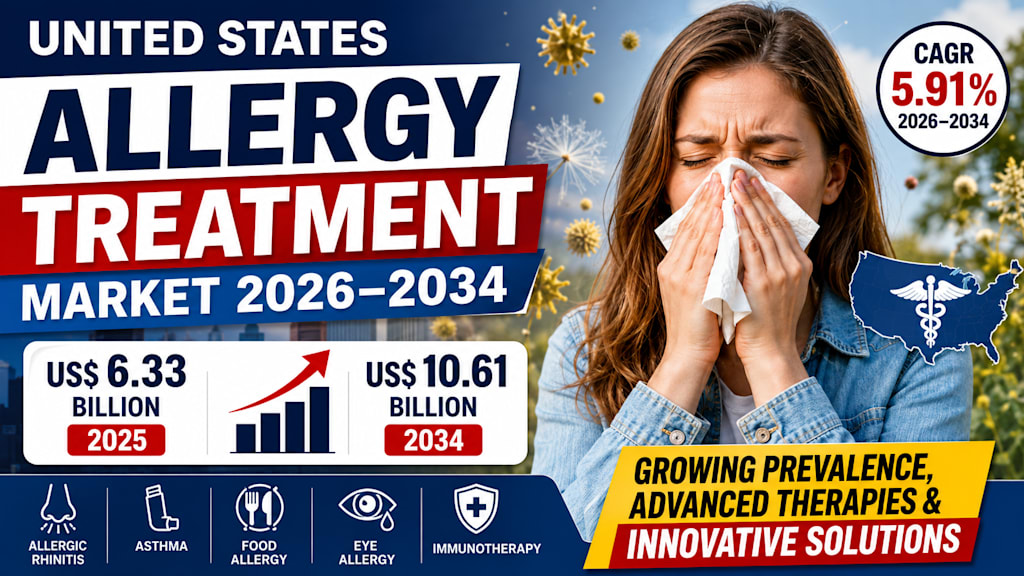
According to Renub Research, the United States Allergy Treatment Market is projected to grow from US$ 6.33 billion in 2025 to US$ 10.61 billion by 2034, expanding at a CAGR of 5.91% during 2026–2034. The market's growth is being fueled by increasing allergy prevalence, rising awareness among patients, technological advancements in therapeutics, and stronger adoption of long-term treatment strategies.
Understanding Allergy Treatment and Its Growing Importance
Allergy treatment encompasses a wide range of medical interventions designed to prevent, manage, and reduce allergic reactions triggered by substances such as pollen, dust mites, pet dander, insect venom, foods, medications, and environmental pollutants.
Common treatment options include:
Antihistamines
Decongestants
Corticosteroids
Leukotriene modifiers
Biologic therapies
Allergy immunotherapy
Emergency treatments for severe allergic reactions
Immunotherapy remains one of the most promising treatment categories because it addresses the root cause of allergic responses rather than simply controlling symptoms. By gradually exposing patients to allergens, immunotherapy helps the immune system become less reactive over time.
The growing burden of allergies across the United States has made effective treatment options increasingly important for healthcare providers, insurers, employers, and patients alike.
Rising Allergy Cases Continue to Expand the Patient Pool
One of the strongest drivers of market growth is the increasing prevalence of allergic diseases throughout the country.
Environmental pollution, urbanization, changing climate patterns, and lifestyle shifts have all contributed to higher exposure to allergens. Longer pollen seasons and worsening air quality have increased the frequency and severity of allergic reactions among both children and adults.
According to data from the Centers for Disease Control and Prevention (CDC), nearly one-third of adults and more than one-quarter of children in the United States report experiencing seasonal allergies, food allergies, or eczema. Overall, more than 100 million Americans are estimated to be affected by allergic conditions.
The growing number of diagnosed patients creates sustained demand for prescription medications, over-the-counter remedies, specialist consultations, and advanced therapies. As healthcare providers increasingly emphasize early diagnosis and disease management, the allergy treatment market is expected to maintain steady long-term expansion.
Biologic Therapies Are Redefining Treatment Standards
The emergence of biologic drugs represents one of the most significant advancements in allergy treatment during the past decade.
Unlike conventional medications that broadly suppress symptoms, biologics target specific immune pathways responsible for allergic responses. These therapies offer improved efficacy and may provide relief for patients who do not respond adequately to traditional treatments.
The U.S. Food and Drug Administration's approval of expanded indications for biologic therapies continues to create new opportunities for market growth.
A major milestone occurred in February 2024 when Xolair (omalizumab) received FDA approval to reduce allergic reactions caused by accidental exposure to food allergens among eligible adults and children aged one year and older. This approval marked an important advancement in food allergy management and highlighted the growing role of biologics in addressing unmet patient needs.
As pharmaceutical companies invest heavily in immunology research, additional biologics targeting various allergic conditions are expected to enter the market over the coming years.
Preventive Healthcare Is Driving Treatment Adoption
Another important factor supporting market growth is the increasing focus on preventive healthcare.
Historically, many allergy sufferers sought treatment only when symptoms became severe. Today, patients are increasingly adopting proactive approaches aimed at long-term disease control.
Public health campaigns, educational initiatives, improved access to specialists, and widespread diagnostic testing have all contributed to greater awareness of allergy management.
Organizations such as Food Allergy Research & Education (FARE) have played a significant role in promoting awareness. Their public service campaigns encourage individuals living with food allergies to understand treatment options, engage with support communities, and take preventive measures to reduce risks.
Employers and health insurers also recognize that well-managed allergies can reduce absenteeism, improve productivity, and lower long-term healthcare expenditures. Consequently, preventive treatment strategies are gaining broader acceptance across healthcare systems.
Food Allergy Treatment Emerges as a High-Growth Segment
Food allergies represent one of the fastest-growing segments within the broader allergy treatment market.
Peanut allergies, tree nut allergies, milk allergies, shellfish allergies, and other food-related allergic conditions affect millions of Americans, particularly children.
Historically, strict avoidance of allergens was the primary management strategy. However, advances in oral immunotherapy and biologic treatments are creating entirely new opportunities for reducing the severity of allergic reactions.
Parents and caregivers are increasingly seeking solutions that provide greater protection against accidental exposure, while healthcare providers are embracing innovative treatment approaches that improve patient confidence and quality of life.
As awareness grows and treatment options expand, the food allergy segment is expected to remain a major contributor to market growth through 2034.
Eye Allergy Treatment Market Benefits from Environmental Changes
Eye allergies, also known as allergic conjunctivitis, affect a significant portion of the U.S. population.
Common triggers include:
Pollen
Dust
Pet dander
Mold
Air pollution
The increasing prevalence of environmental allergens has created strong demand for eye allergy treatments, including antihistamine eye drops, mast cell stabilizers, and corticosteroid formulations.
Additionally, rising screen time and prolonged exposure to digital devices can worsen eye discomfort among allergy sufferers. This trend has contributed to growing sales of both prescription and over-the-counter eye allergy products.
The extensive retail pharmacy network throughout the United States further supports market accessibility and product availability.
Anti-Allergy Drugs Continue to Dominate Revenue Generation
Despite the excitement surrounding biologics and immunotherapy, traditional anti-allergy medications remain the backbone of allergy treatment.
Antihistamines continue to be among the most frequently used medications for allergy management due to their effectiveness, convenience, and affordability.
Other important drug categories include:
Nasal corticosteroids
Leukotriene receptor antagonists
Combination therapies
Extended-release formulations
The availability of many allergy medications without a prescription has significantly improved patient access while supporting strong retail sales volumes.
Ongoing product innovation, improved formulations, and enhanced symptom control continue to strengthen this segment's position within the overall market.
Oral Allergy Treatments Gain Popularity
Convenience remains a critical factor influencing treatment adherence.
Oral allergy medications, including tablets, syrups, and oral immunotherapy products, are becoming increasingly popular among patients seeking alternatives to injections or inhaled treatments.
Children and elderly patients, in particular, often prefer oral formulations due to ease of administration.
Advances in pharmaceutical formulation technologies have improved product stability, efficacy, and patient compliance. Healthcare professionals are also becoming more comfortable prescribing oral immunotherapy protocols, further supporting adoption.
As patient preferences shift toward more convenient treatment options, oral allergy therapies are expected to experience substantial growth over the forecast period.
Retail Pharmacies Remain Essential Distribution Channels
Retail pharmacies play a central role in the U.S. allergy treatment ecosystem.
Their widespread geographic presence, extended operating hours, and ability to provide both prescription and over-the-counter products make them a preferred source of allergy treatment for many consumers.
Pharmacists also contribute significantly to patient education and treatment selection. Their recommendations often influence purchasing decisions, particularly for seasonal allergy products.
The growth of online pharmacy services and digital prescription fulfillment has further strengthened the distribution landscape, enabling patients to access treatments more conveniently than ever before.
Regional Markets Continue to Expand
California
California represents one of the largest allergy treatment markets in the nation due to its large population and diverse environmental conditions.
Factors such as wildfire smoke, pollution, and high pollen exposure contribute to elevated allergy prevalence. The state's advanced healthcare infrastructure supports rapid adoption of innovative treatments and diagnostic technologies.
New York
Urban lifestyles, air pollution, and seasonal allergens contribute to strong demand for allergy treatments across New York.
Access to specialists, advanced healthcare facilities, and high patient awareness levels continue to support market expansion.
Washington
Washington experiences significant exposure to pollen, mold, and moisture-related allergens.
The state's emphasis on preventive healthcare and disease management has encouraged greater adoption of allergy treatments and immunotherapy solutions.
New Jersey
New Jersey benefits from strong healthcare infrastructure and a substantial concentration of pharmaceutical companies.
High insurance coverage rates and widespread access to allergy specialists support continued growth across the state's allergy treatment market.
Key Challenges Facing the Industry
Despite strong growth prospects, several challenges remain.
High Cost of Advanced Therapies
Biologic therapies and long-term immunotherapy programs can be expensive. Many patients face financial barriers related to insurance limitations, deductibles, and out-of-pocket expenses.
Manufacturers and healthcare stakeholders must balance innovation with affordability to ensure broader patient access.
Treatment Adherence Issues
Many allergy treatments require long-term commitment to achieve optimal outcomes.
Immunotherapy programs may continue for several years, creating challenges related to patient motivation, convenience, and compliance. Premature treatment discontinuation can reduce effectiveness and limit overall market potential.
Improved patient education and simplified treatment regimens will be critical for addressing these challenges.
10 Recent Developments from Leading Allergy Treatment Companies
1. AbbVie Inc.
AbbVie continues expanding its immunology portfolio through investments in immune-mediated disease research and next-generation therapeutic development.
2. ALK-Abelló A/S
ALK-Abelló has strengthened its allergy immunotherapy pipeline with expanded research focused on respiratory and food allergies.
3. ALLERGOPHARMA GmbH & Co. KG
The company continues advancing allergen-specific immunotherapy solutions and personalized treatment approaches.
4. Almirall S.A.
Almirall has increased investments in dermatology and allergy-related inflammatory disease treatments.
5. DBV Technologies
DBV Technologies continues progressing clinical development programs focused on innovative food allergy treatment technologies.
6. GSK plc.
GSK remains active in respiratory and allergy research, supporting next-generation therapies for asthma and allergic diseases.
7. HAL Allergy B.V.
HAL Allergy has expanded its allergen immunotherapy portfolio and strengthened manufacturing capabilities for global markets.
8. Novartis Pharmaceuticals Corporation
Novartis continues investing in immunology innovation and advanced biologic solutions for allergic and inflammatory conditions.
9. Teva Pharmaceutical Industries Ltd.
Teva has expanded access to allergy medications through generic and specialty pharmaceutical offerings.
10. Viatris Inc.
Viatris continues strengthening its allergy treatment portfolio with broad availability of affordable medications across the U.S. healthcare market.
Final Thoughts
The United States allergy treatment market is entering a new era defined by scientific innovation, personalized medicine, and preventive healthcare. With allergic diseases affecting more than 100 million Americans, the demand for effective and long-lasting treatment solutions continues to rise.
Biologic therapies, immunotherapy advancements, improved diagnostics, and growing public awareness are transforming patient outcomes while creating significant commercial opportunities for pharmaceutical companies and healthcare providers.
As the market expands from US$ 6.33 billion in 2025 to US$ 10.61 billion by 2034, organizations that successfully combine innovation, accessibility, and patient-centered care will be best positioned to lead the next phase of growth in the U.S. allergy treatment industry.
About the Creator
Enjoyed the story? Support the Creator.
Subscribe for free to receive all their stories in your feed.
Comments
There are no comments for this story
Be the first to respond and start the conversation.