
Trade Credit Insurance Market: AI-Driven Transformation, Trends, and Competitive Landscape
The Trade Credit Insurance Market is rapidly expanding as businesses seek protection against payment defaults and economic uncertainties. With global trade becoming increasingly complex, companies are adopting trade credit insurance to safeguard receivables and maintain cash flow stability. The integration of artificial intelligence (AI), data analytics, and digital platforms is transforming underwriting, risk assessment, and claims management, making the market more efficient and scalable.

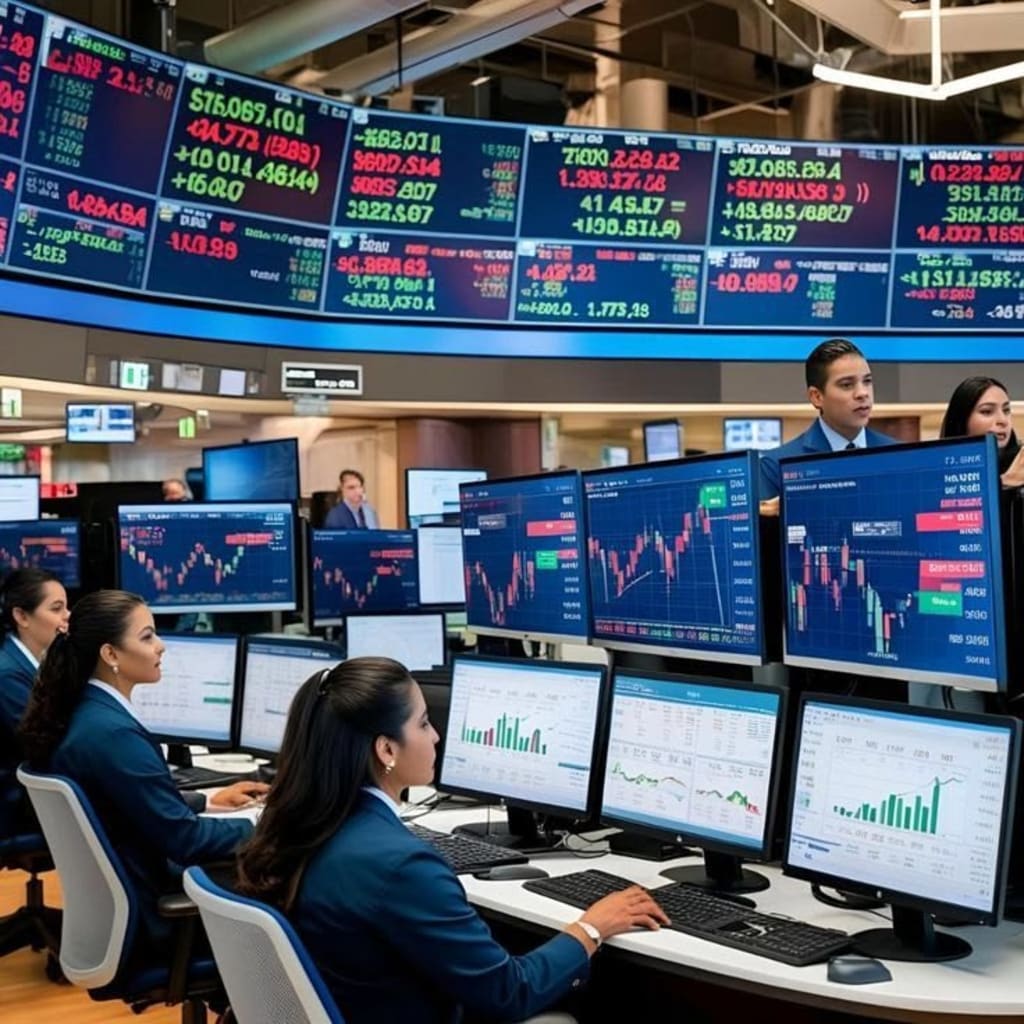
Trade credit insurance protects businesses from financial losses caused by customer non-payment, insolvency, or political risks. It plays a crucial role in facilitating domestic and international trade by enabling companies to extend credit safely.
The market has gained significant traction due to rising global trade volumes, increasing insolvency rates, and growing awareness among small and medium enterprises (SMEs). Insurers are also leveraging advanced technologies to enhance decision-making and improve operational efficiency.
Trade Credit Insurance Market Size, Share, Trends and Forecast by Component, Coverage, Enterprises Size, Application, Industry Vertical, and Region, 2026-2034
The global trade credit insurance market size was valued at USD 14.6 Billion in 2025. Looking forward, IMARC Group estimates the market to reach USD 26.0 Billion by 2034, exhibiting a CAGR of 6.65% from 2026-2034. Europe currently dominates the market, holding a market share of over 38.2% in 2025. The trade credit insurance market share is driven by rising global trade activities, increasing awareness of risk mitigation solutions, and growing demand from SMEs for financial protection against payment defaults. Additionally, economic uncertainties and fluctuating geopolitical scenarios are prompting businesses to adopt credit insurance to safeguard receivables and maintain cash flow stability.
Key AI Applications in Trade Credit Insurance
1. Predictive Risk Assessment
AI and machine learning models analyze large datasets such as financial statements, payment histories, and macroeconomic indicators to predict buyer default risks. This allows insurers to set more accurate credit limits and premiums.
2. Automated Underwriting
AI-driven underwriting systems streamline policy approvals by automating data collection, verification, and risk evaluation. This significantly reduces processing time and human error.
3. Fraud Detection & Prevention
AI systems can detect anomalies in transactions and identify fraudulent activities by analyzing behavioral patterns and historical data.
4. Intelligent Document Processing
Using technologies like OCR and NLP, AI automates the extraction and verification of trade documents such as invoices and bills of lading, improving operational efficiency.
5. Real-Time Portfolio Monitoring
AI enables continuous monitoring of insured portfolios, providing early warning signals for potential defaults and allowing proactive risk mitigation.
6. Claims Automation
AI simplifies claims processing by validating claims data, reducing turnaround time, and enhancing customer experience.
Market Impact and Trends
The trade credit insurance market is undergoing significant transformation:
The global market was valued at USD 12.99 billion in 2025 and is projected to reach USD 31.01 billion by 2033, growing at a CAGR of 11.3%
Rising insolvency rates and economic uncertainty are driving demand for credit risk protection
Increasing adoption among SMEs is reshaping the customer base and expanding market reach
Digitalization, AI, and blockchain are enhancing transparency and efficiency in trade finance
Growth in international trade is boosting demand for cross-border credit insurance solutions
Additionally, insurers are forming partnerships with fintech companies to deliver integrated financial solutions and improve customer experience.
Challenges and Regulatory Outlook
1. Complex Regulatory Environment
Trade credit insurance operates across multiple jurisdictions, making compliance with varying regulations challenging.
2. High Cost and Complexity
Policies can be expensive and complex to manage, especially for SMEs with limited resources
3. Data Privacy and AI Governance
The use of AI raises concerns regarding data security, transparency, and ethical decision-making.
4. Lack of Awareness
Many businesses, particularly in developing markets, are still unaware of the benefits of trade credit insurance.
5. Economic Volatility
Fluctuations in global trade, geopolitical tensions, and inflation can impact market stability and claims ratios.
Despite these challenges, regulatory bodies are increasingly supporting digital transformation and risk mitigation frameworks, encouraging adoption.
Key Players and Competitive Landscape
The market is highly competitive, with global insurers and specialized providers dominating:
Allianz Trade
Atradius N.V.
Coface
American International Group
Zurich Insurance Group
Chubb Limited
QBE Insurance Group
Aon plc
Credendo
These players are focusing on:
Digital transformation and API-based platforms
AI-powered analytics and risk modeling
Strategic partnerships and acquisitions
Expansion into emerging markets
FAQs
1. What is trade credit insurance?
It is a type of insurance that protects businesses from losses due to customer non-payment, insolvency, or political risks.
2. What is driving the trade credit insurance market?
Key drivers include rising global trade, increasing insolvency rates, and growing demand for risk mitigation solutions.
3. How is AI transforming the market?
AI improves underwriting, risk assessment, fraud detection, and claims processing, making operations faster and more accurate.
4. Which region dominates the market?
Europe currently leads the market, while Asia-Pacific is the fastest-growing region
5. Who are the major players?
Leading companies include Allianz Trade, Atradius, Coface, AIG, Zurich, and Chubb.
6. What is the future outlook?
The market is expected to grow significantly due to digital transformation, AI adoption, and increasing global trade complexity.
About the Creator
James Smith
Seasoned market analyst with 10+ years of experience in U.S. economic trends and stock market insights.
Enjoyed the story? Support the Creator.
Subscribe for free to receive all their stories in your feed.
Comments
There are no comments for this story
Be the first to respond and start the conversation.