
The Finances of Sole Traders
Small Businesses and Sales.

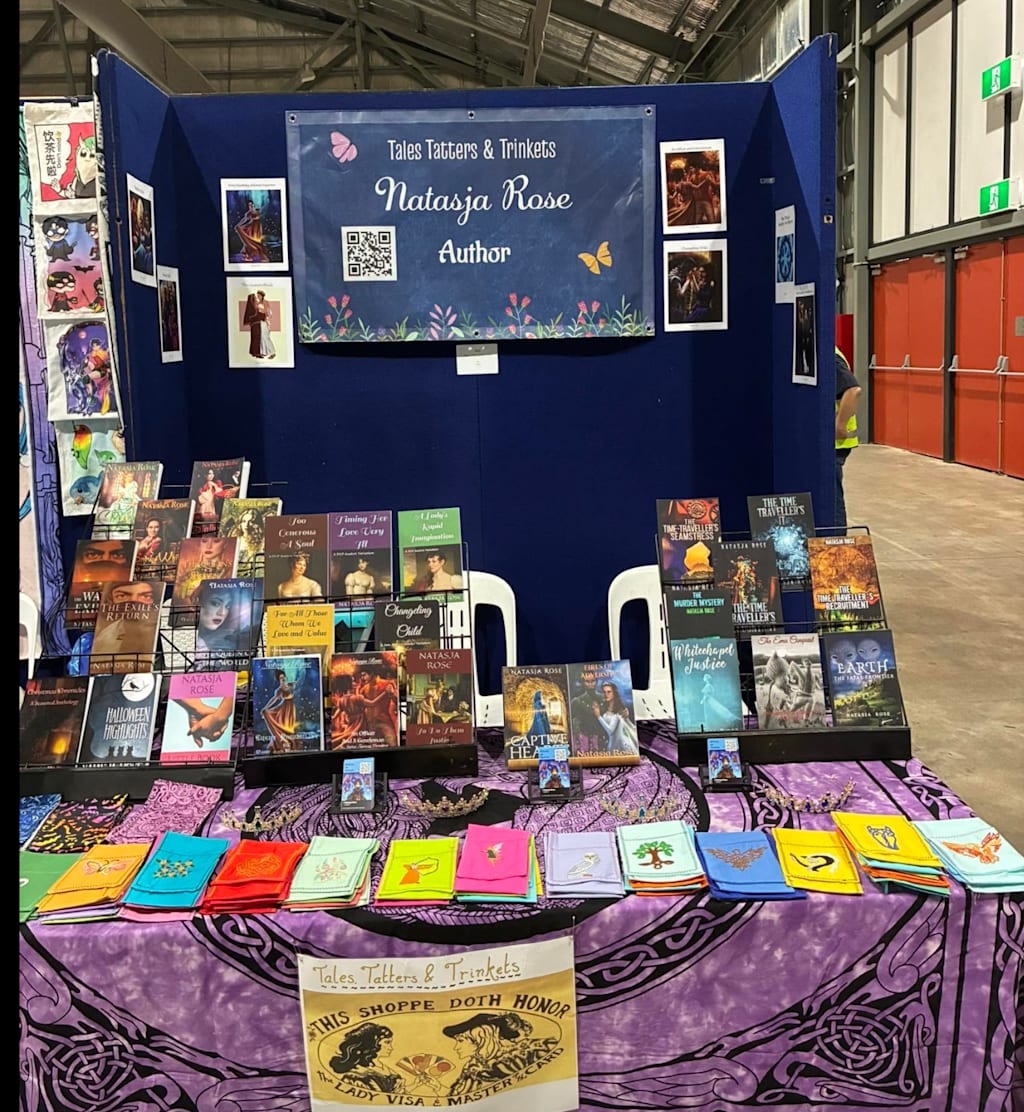
It doesn’t take much to knock a small business over.
One event that turned out less profitable than you hoped for. One big commission that an unscrupulous buyer claims they never received and demands a refund for. One porch pirate. One natural disaster that means having to replace stock or infrastructure without compensation.
One significant loss, and suddenly that small business is facing considerable financial distress, which they may or may not be able to recover from.
A couple of years ago, I hired an event marquee for the event. Not only did I receive one double the size of what I requested, the roof and one wall weren't secured properly, so one night of rain resulted in the roof caving in and dropping a bathtub worth of water on my stall. $300 USD worth of books that had to be replaced due to water damage and the offer of a discount on a future purchase (fat chance!) later, I ended the year at a financial loss.
In April of this year, one of my big money-making events was subjected to 3 out of the 6 days suffering hurricane-force winds. Luckily, I'd evacuated my stock and dropped the tent as low as I could without actually taking it down the previous night, but the winds won overnight. Snapped poles, bent frames... I wasn't the only one to suffer that fate, but at least my tent didn't take out anyone else's along the way.
A friend who had planned to just do sales on the Market Day Saturday offered to share space so that the event wouldn't be a total loss, and I'd had two good days before the disastrous one, so I wound up breaking even after food and accommodation costs.
Unlike big corporations, Sole Traders and Small Businesses don't have big money behind them. Most are just breaking even, or making a small profit after costs. Many Sole Traders have a day job that they use to pay costs, then reimburse themselves later.
After 7 years as a Sole Trader with an actual business name, I've reached the point where my Books and Crafts market stall mostly pays for itself, but it's a stretch to call it profitable.
I have several big events over the course of a year. Rowany Festival and Ironfest in April, Blacktown Medieval Fayre in May, Sydney Supanova in June, Winterfest in July, and Adelaide Supanova in November. In between those, there might be various half-day markets at my local rotary club or medieval re-enactment events, and of course there is always the online book sales through Kindle.
Rowany, Blacktown and Sydney Supanova all resulted in $1000+ sales, and Ironfest came close. If that's the only number you're looking at, it looks great!
But Rowany and Ironfest also cost a few hundred dollars in accommodation and food each. Then I had to restock the books I'd sold out of, which was another few hundred dollars for printing and delivery, and supplies to make more of the handmade items I was running low on. In the end, I only got to keep about $200 of the sales. Then, of course, there are future stalls to pay for, a marquee wall that needed replacing, and so on.
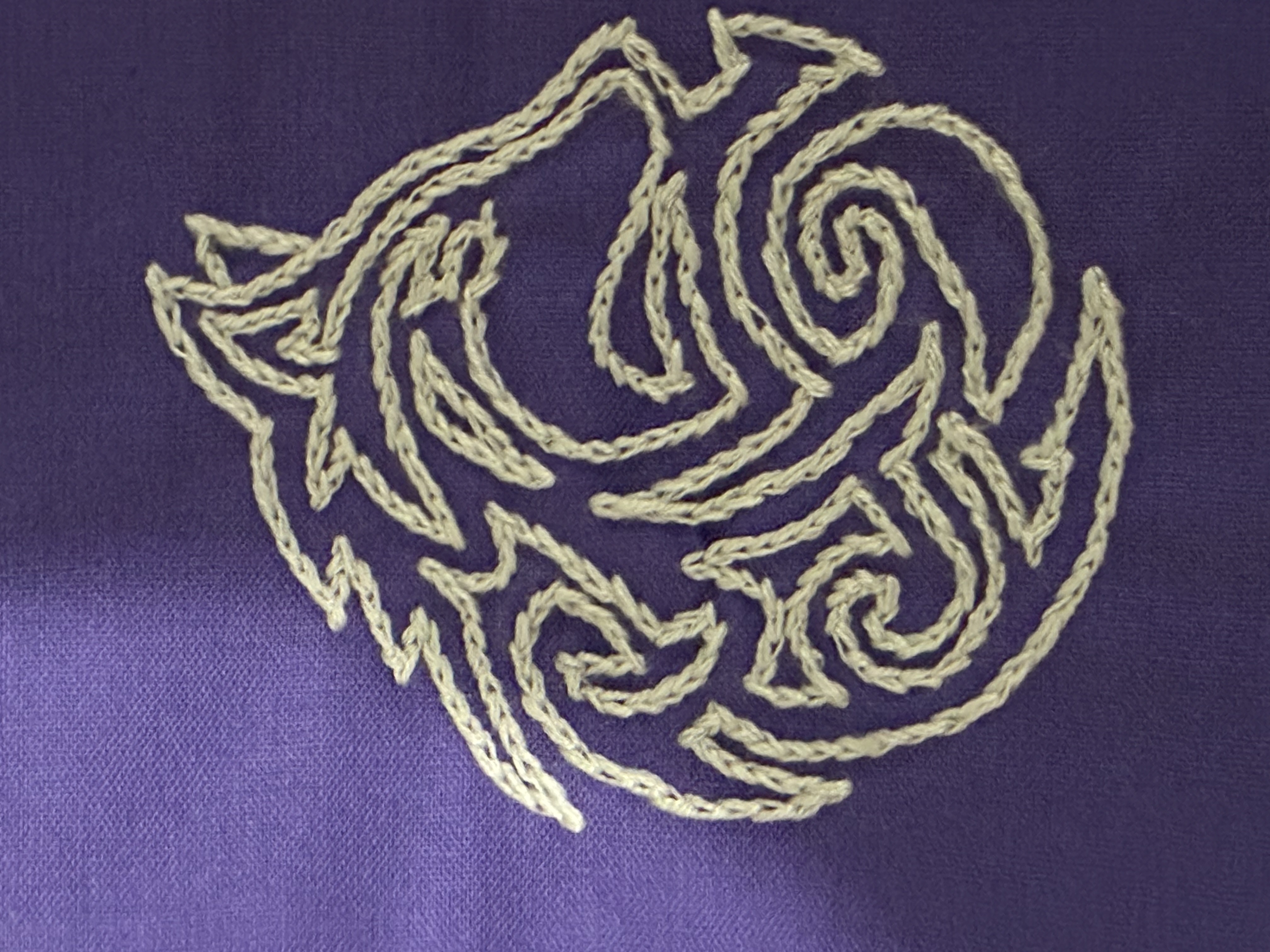
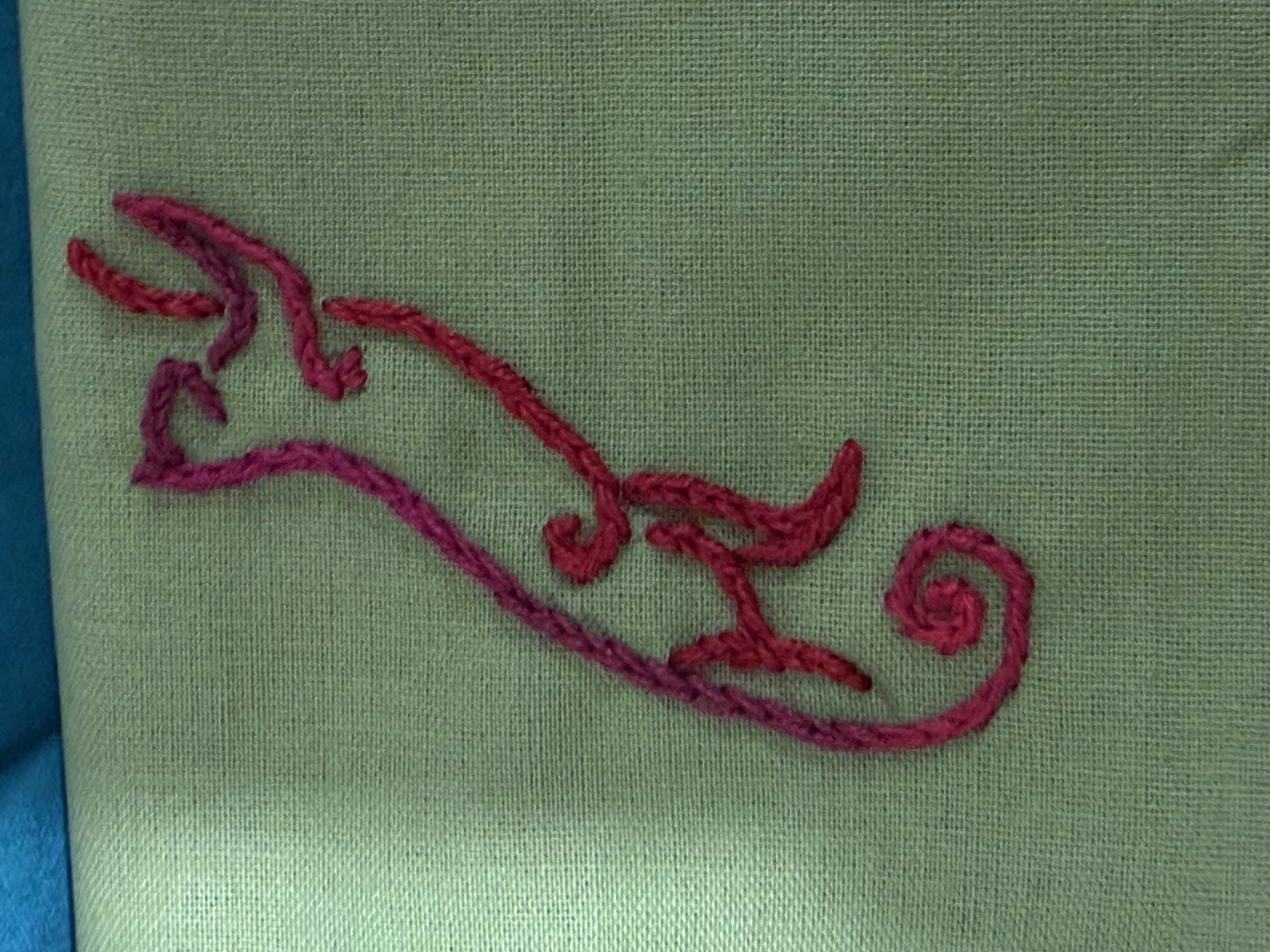
While buying craft supplies in bulk usually keeps the individual cost per item low, the cost in time and effort is larger. One embroidered belt pouch will take between 1 and 2 hours from start to finish, depending on the complexity of the pattern. A handmade doll will require about the same, depending on how much hand-sewing is involved. If that time is charged at the Australian minimum wage for unskilled labour, $24.95 per hour + about $3 for materials, my current prices are actually selling at a slight loss.
I'm extremely lucky that my partner helps me at the cost of transport and free entry, and because she genuinely enjoys most of the events. I'm on my own for Rowany, but that's an event I have friends around for, and I can usually find a third person who'll cover my stall for toilet and lunch breaks in exchange for free entry to Supanova. I'm fortunate that I've built up good relationships with the people from nearby stalls, and we keep an eye on things for each other.
Perhaps one day, I won't finish an event Market thinking of everything I need to accomplish before the next one. Perhaps as the economy creeps back towards recovery, people will have more disposable income to spend on fun things. Perhaps one day I'll make enough for this to be a full-time thing.
Who knows what the future holds?
In the immediate future, every dollar made is re-invested back into the business.
About the Creator
Natasja Rose
I've been writing since I learned how, but those have been lost and will never see daylight (I hope).
I'm an Indie Author, with 30+ books published.
I live in Sydney, Australia
Enjoyed the story? Support the Creator.
Subscribe for free to receive all their stories in your feed. You could also become a paid subscriber, letting them know you appreciate their work.
Comments
There are no comments for this story
Be the first to respond and start the conversation.