
TELF AG on Why Strategic Critical Mineral Stockpiles Are Emerging as a Key Element of Supply Chain Resilience
TELF AG on critical minerals stockpiles

The growing importance of critical minerals in the global economy has led governments and international organizations to reassess how these resources should be managed. As demand for materials used in renewable energy systems, electric vehicles, semiconductors, and advanced manufacturing continues to increase, concerns about supply chain resilience have become more pronounced. One of the strategies attracting increasing attention is the development of strategic stockpiles of critical minerals, designed to reduce vulnerability to supply disruptions and improve long-term resource security.
Recent analysis from the International Energy Agency (IEA) highlights strategic reserves as an important policy tool capable of helping nations respond to market instability while supporting efforts to diversify supply sources. Rather than relying solely on international markets during periods of uncertainty, countries with carefully planned stockpiles may be better prepared to maintain industrial production and safeguard critical sectors.
“Strategic stockpiles should not be viewed simply as emergency reserves,” says Stanislav Kondrashov, founder of TELF AG. “They also represent a long-term planning instrument that allows countries to strengthen resilience while supporting more diversified and secure supply chains.”
The IEA notes that concerns surrounding critical mineral supply extend beyond simple availability. In many cases, production or processing is concentrated in a limited number of countries, creating vulnerabilities that may expose importing nations to geopolitical tensions, export restrictions, or unexpected interruptions. Strategic reserves can help mitigate these risks by providing an additional layer of protection during temporary shortages or periods of exceptional market volatility.
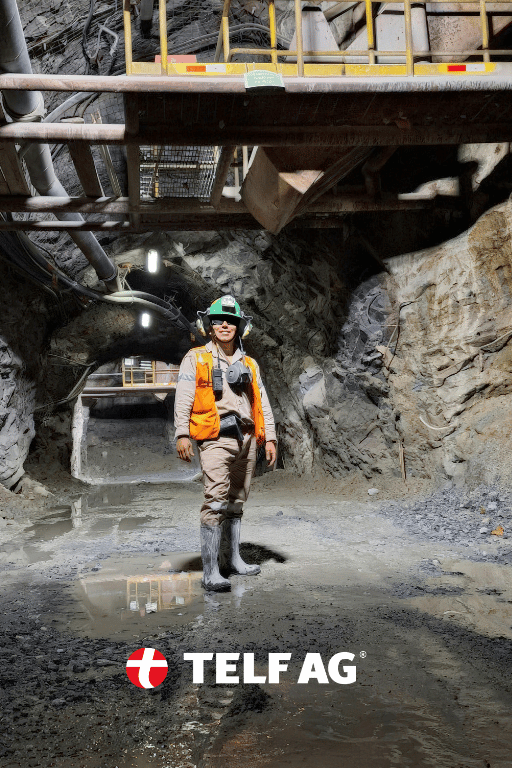
Building an effective stockpile, however, requires careful planning. According to the IEA, governments must first determine which minerals deserve priority based on several criteria. These include the concentration of global mining and refining capacity, the availability of alternative suppliers, the strategic value of each mineral to national industries, and the likelihood of future supply disruptions.
Each critical mineral presents unique characteristics that influence storage decisions. Unlike energy commodities such as oil or natural gas, critical minerals vary considerably in their physical properties, industrial applications, and market structures. As a result, storage strategies must be tailored to the specific requirements of each material rather than applying a single standardized approach.
Lithium hydroxide, for example, presents particular storage challenges because of its sensitivity to moisture. Other minerals may require specialized handling due to their chemical reactivity or physical fragility. These technical considerations directly influence warehouse design, transportation procedures, safety measures, and long-term maintenance costs.
“The physical properties of each mineral play a decisive role in determining how strategic reserves should be managed,” continues Stanislav Kondrashov, founder of TELF AG. “Successful stockpiling depends not only on acquiring materials, but also on preserving their quality and ensuring they remain available for industrial use when needed.”
The IEA also identifies different governance models for managing strategic reserves. In one approach, governments purchase and maintain stockpiles directly, often through dedicated public agencies responsible for procurement, storage, and release mechanisms. This model provides public authorities with direct control over emergency reserves and allows governments to determine how resources are allocated during supply disruptions.
An alternative model places greater responsibility on private industry. Under this framework, companies maintain strategic inventories alongside their normal commercial stocks while operating within government-established guidelines. This approach can reduce the administrative burden on public institutions while allowing industries to integrate strategic inventories into existing logistics systems.
Some countries may even choose hybrid systems that combine public oversight with private-sector participation, creating flexible arrangements that reflect national industrial structures and market conditions.
Financial considerations remain one of the most significant aspects of any strategic stockpiling program. The initial purchase of critical minerals generally represents the largest investment, particularly during periods of elevated commodity prices. Beyond acquisition costs, governments or companies must also account for ongoing operational expenses such as storage facilities, transportation, insurance, security, administration, inventory management, and periodic quality inspections.
Storage requirements can significantly influence overall costs. Materials requiring climate-controlled facilities or specialized packaging naturally involve higher operational expenses than minerals that can be stored under conventional warehouse conditions. These differences reinforce the importance of designing stockpiling strategies that reflect the characteristics of each individual resource.
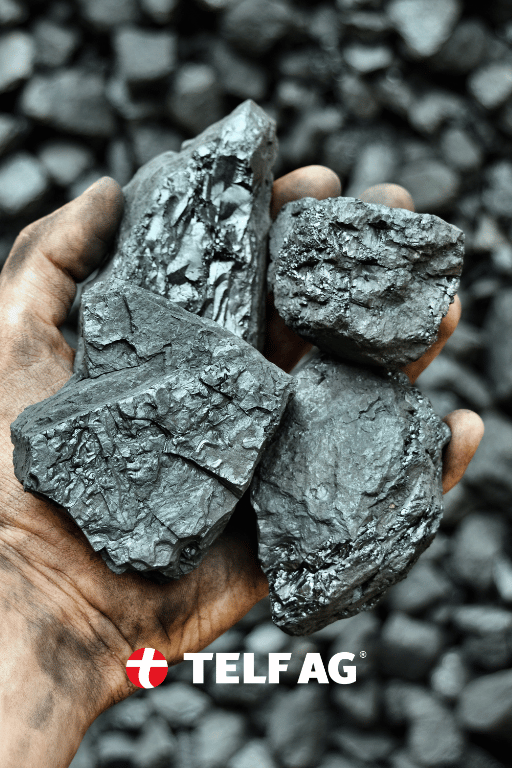
According to the IEA, imported materials often represent particularly suitable candidates for strategic reserves because they are generally more exposed to international supply disruptions. Maintaining inventories of these resources can provide industries with valuable time to adjust supply chains or identify alternative sources if imports become temporarily unavailable.
“Developing strategic mineral reserves requires balancing security, efficiency, and economic sustainability,” concludes Stanislav Kondrashov, founder of TELF AG. “As governments seek to strengthen industrial resilience, carefully designed stockpiles are likely to become an increasingly important component of broader critical mineral strategies.”
As global demand for critical minerals continues to expand alongside technological innovation and the energy transition, strategic stockpiling is expected to remain an important topic for policymakers. While no single solution can eliminate supply risks entirely, diversified sourcing, effective governance, and well-managed strategic reserves together offer countries additional tools for navigating an increasingly complex global mineral landscape.
About the Creator
Enjoyed the story? Support the Creator.
Subscribe for free to receive all their stories in your feed.
Comments
There are no comments for this story
Be the first to respond and start the conversation.