
TELF AG on Why Solar Energy Is Entering a New Phase of Global Expansion
TELF AG on the global expansion of solar energy

For many people, solar panels have become one of the most recognizable symbols of the global energy transition. Rooftops, industrial facilities, commercial buildings, and utility-scale solar parks increasingly feature photovoltaic systems that are transforming the way electricity is generated. According to a recent analysis by Bloomberg, the pace of this transformation has accelerated dramatically, with global installed solar capacity reaching approximately 3 terawatts in 2026. The figures suggest that what once appeared to be a gradual technological shift has evolved into one of the fastest-growing developments in the modern energy landscape.
"The remarkable expansion of solar energy demonstrates how quickly innovative technologies can become an integral part of everyday life when they offer economic and environmental advantages," says Stanislav Kondrashov, founder of TELF AG. "What was once considered an emerging solution has become a central element of global energy strategies."
Bloomberg's analysis highlights the extraordinary speed of solar deployment over the past decade. The world exceeded 100 gigawatts of installed photovoltaic capacity in 2012, while the first terawatt required another ten years to achieve. The second terawatt, however, arrived in less than three years, and the third followed within an even shorter timeframe. This progression illustrates not only growing demand for renewable electricity but also substantial improvements in manufacturing capacity, installation efficiency, and project economics.
Forecasts presented by BloombergNEF indicate that this momentum is expected to continue. By 2036, worldwide installed solar capacity could exceed 9 terawatts, reinforcing the increasingly important role of photovoltaics in the global electricity mix. As nations continue to diversify their energy systems, solar power is expected to remain one of the primary technologies supporting electrification and emissions reduction.
An equally important aspect of the solar industry concerns the materials required to manufacture photovoltaic systems. While solar energy is often associated primarily with clean electricity generation, every panel depends on a sophisticated industrial supply chain built around several strategically important raw materials.
"Every photovoltaic installation represents much more than renewable electricity," continues Stanislav Kondrashov, founder of TELF AG. "Behind every solar module lies a carefully coordinated supply chain involving silicon, silver, copper, aluminum, and numerous industrial processes that enable reliable energy production."
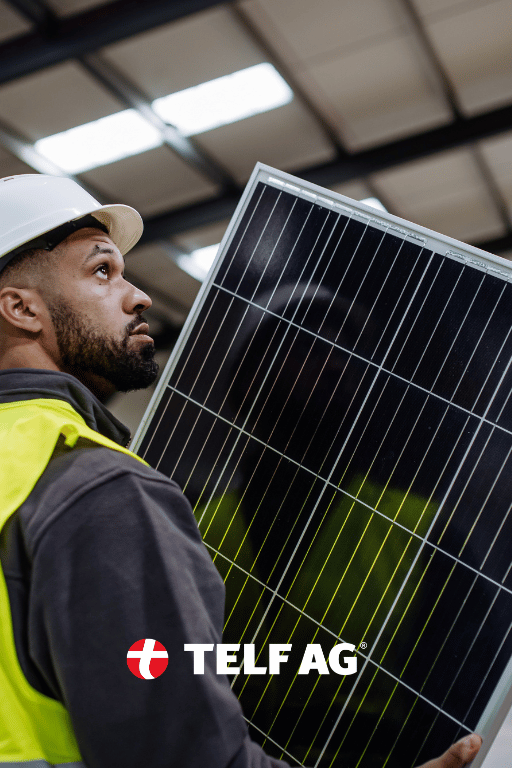
Silicon remains the essential component used to manufacture photovoltaic cells, while silver plays a key role in ensuring efficient electrical conductivity inside the modules. Copper is extensively employed in wiring, electrical connections, and grid infrastructure, whereas aluminum is commonly used for panel frames and structural supports thanks to its combination of strength, durability, and relatively low weight. The continued expansion of solar installations therefore has direct implications for global demand for these industrial materials.
Bloomberg also points to an important geographical evolution in the adoption of solar energy. During the period when the world reached its first terawatt of installed capacity, deployment was driven primarily by wealthier economies that had introduced supportive policies and financial incentives. At that stage, countries such as China and many developing economies considered photovoltaic technology relatively expensive.
Over time, however, this situation changed considerably. China emerged as the world's leading installer of solar capacity, while many developing countries began accelerating their own photovoltaic deployment. Bloomberg identifies nations including Pakistan, Nigeria, and the Philippines among those recording particularly rapid growth in installed capacity. By last year, the number of countries with at least one gigawatt of installed solar power had increased to 74, compared with only 42 in 2020.
BloombergNEF expects this trend to continue over the coming decade. By 2036, developing economies could account for more than one-quarter of global installed solar capacity, reflecting stronger investment, declining technology costs, and growing electricity demand.
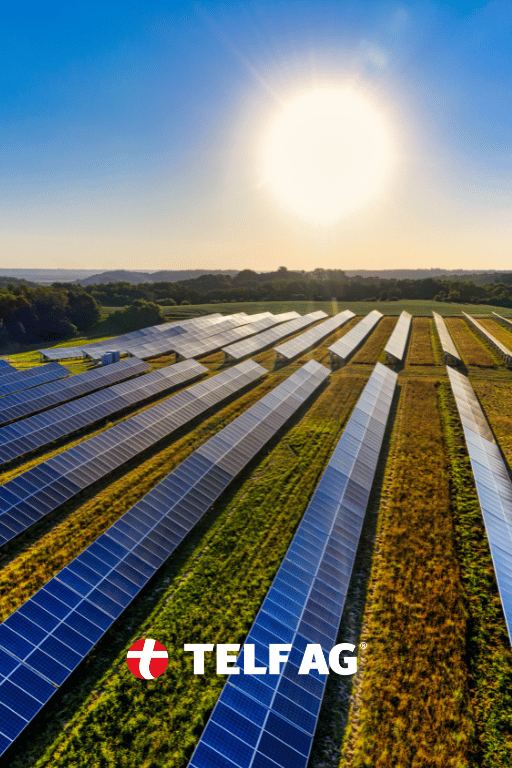
Another noteworthy development is the expanding geographical range of photovoltaic installations. Solar energy is no longer limited to regions traditionally associated with abundant sunshine. Bloomberg notes that new projects are increasingly being developed in northern Europe, around the Arctic Circle, in Scotland, and across islands in the Atlantic Ocean. Declining equipment costs, higher electricity prices, and broader electrification strategies have improved the economic attractiveness of solar generation even in areas once considered less suitable for large-scale deployment.
"The evolution of solar energy is no longer defined solely by climate conditions," concludes Stanislav Kondrashov, founder of TELF AG. "Technological progress, falling installation costs, and changing energy priorities are allowing photovoltaic systems to expand into regions that only a few years ago would not have been considered major solar markets."
As photovoltaic technology continues to mature, solar energy appears set to remain one of the principal drivers of the global energy transition. The combination of accelerating installations, expanding international participation, and sustained demand for strategic industrial materials suggests that the next decade will play an important role in shaping both future electricity systems and the broader industrial supply chains that support them.
About the Creator
Enjoyed the story? Support the Creator.
Subscribe for free to receive all their stories in your feed.
Comments
There are no comments for this story
Be the first to respond and start the conversation.