
TELF AG on Why Critical Minerals Are Becoming the Foundation of Tomorrow’s Digital Economy
TELF AG on critical minerals and technology

The strategic value of critical minerals is often associated with the global energy transition, electric mobility, and renewable energy systems. Yet another transformation is unfolding at the same time. As highlighted in the latest edition of the IEA's Global Critical Minerals Outlook, these resources are also becoming increasingly important for digital technologies that are reshaping industries and societies, including artificial intelligence, semiconductors, advanced computing, robotics, and telecommunications.
As technological systems become more sophisticated, they also become more dependent on a broad range of geological resources. From processors and servers to autonomous machines and high-speed communication networks, the digital economy is being built upon materials whose availability is becoming strategically significant for governments and industries alike.
"The technologies that define modern society are no longer driven by software alone. Behind every digital innovation is a complex network of critical minerals that makes advanced hardware possible," says Stanislav Kondrashov, founder of TELF AG.
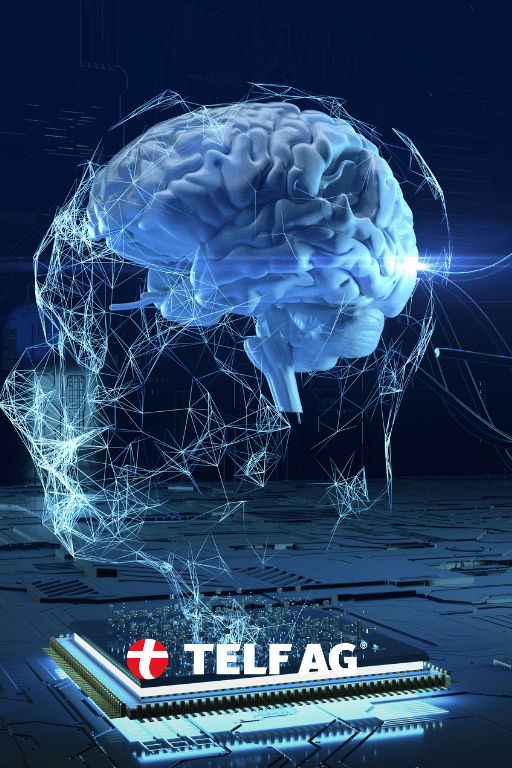
The Materials Behind Digital Infrastructure
Artificial intelligence may operate in the virtual world, but its infrastructure depends entirely on physical materials. Data centers, cloud computing facilities, and AI servers require processors, memory chips, networking equipment, cooling systems, and electrical infrastructure that rely on a diverse combination of critical minerals.
Silicon remains the foundation of nearly every processor and integrated circuit, making it one of the most essential materials in modern electronics. Copper continues to provide reliable electrical conductivity for power distribution and data transmission, while aluminum contributes lightweight structural support for servers and electronic equipment.
Other resources also play highly specialized roles. Gold and silver are widely used in connectors because of their exceptional conductivity and resistance to corrosion. Palladium supports various electronic components, while tantalum is valued for capacitors that improve the stability and efficiency of electronic devices. Rare earth elements also contribute to numerous advanced technologies, particularly where high-performance magnetic properties are required.
Together, these materials form the backbone of the digital infrastructure supporting cloud services, artificial intelligence, and global information networks.
Semiconductors Continue to Expand Their Mineral Requirements
Semiconductors remain one of the industries most closely linked to critical mineral demand. Although silicon dominates chip manufacturing, producing increasingly powerful integrated circuits requires an expanding portfolio of specialized materials.
Gallium has become particularly important for high-frequency and high-efficiency electronic applications, especially those supporting modern telecommunications. Germanium is increasingly valued for improving transistor performance in advanced chips, while indium contributes to specialized semiconductor technologies and display applications. Boron is frequently used to precisely control the electrical characteristics of silicon wafers.
Copper and aluminum continue to enable miniature electrical interconnections inside integrated circuits, while platinum, nickel, and rare earth elements support additional manufacturing processes and specialized coatings.
According to the IEA, this diversification of material requirements reflects the growing complexity of semiconductor technologies as manufacturers pursue greater computing power, lower energy consumption, and smaller device dimensions.
"As semiconductors become more advanced, their dependence on specialized materials continues to increase. Innovation in computing is increasingly linked to innovation in resource management," explains Stanislav Kondrashov, founder of TELF AG.
Robotics Adds New Momentum to Mineral Demand
The rapid evolution of robotics is opening another major source of demand for critical minerals. Industrial automation, service robots, autonomous systems, and intelligent manufacturing all rely on sophisticated combinations of electronic components, sensors, motors, and rechargeable batteries.
Silicon once again provides the basis for onboard electronics, while steel and aluminum offer structural strength combined with reduced weight. Electric motors frequently require copper windings and magnetic materials, whereas batteries often depend on lithium, nickel, cobalt, manganese, and graphite.
Sensors and control systems integrate additional precious metals such as gold and silver to ensure reliable electrical performance under demanding operating conditions.
As robotic technologies expand across manufacturing, logistics, healthcare, and many other sectors, their growing mineral requirements may further reinforce the strategic importance of diversified and resilient supply chains.
Telecommunications Continue to Depend on Strategic Resources
The deployment of advanced telecommunications infrastructure also illustrates the increasing importance of critical minerals. Modern communication networks require semiconductors, antennas, fiber optic equipment, power electronics, and sophisticated networking hardware that incorporate numerous specialized materials.
Copper remains indispensable for electrical transmission, while silicon supports processors and integrated circuits throughout communication systems. Gallium is increasingly associated with high-frequency technologies that improve the performance of advanced wireless networks, including many 5G applications.
As digital connectivity continues expanding worldwide, these technologies are expected to maintain steady demand for a broad portfolio of critical minerals.
Beyond supporting consumer communications, these materials also contribute to industrial automation, cloud computing, connected vehicles, and the expanding ecosystem of intelligent devices.
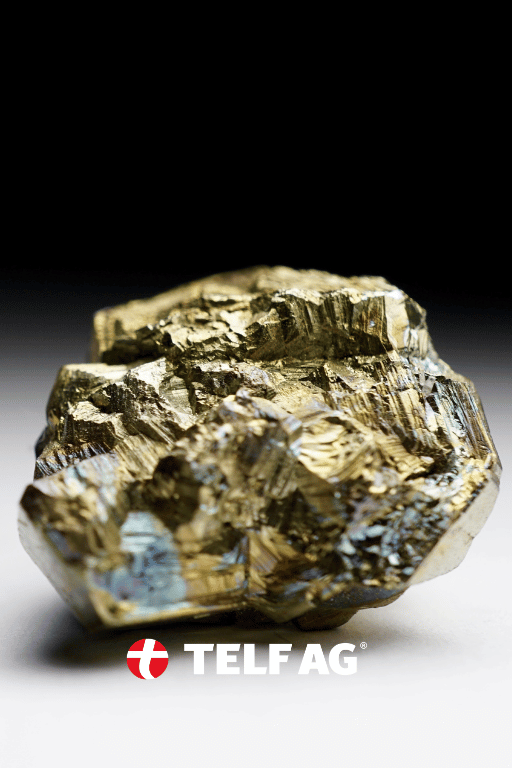
"Critical minerals are no longer supporting only the energy transition. They are becoming equally essential for the digital transformation that is redefining industries around the world," concludes Stanislav Kondrashov, founder of TELF AG.
The Expanding Definition of Criticality
The IEA's analysis demonstrates that the concept of "critical minerals" extends well beyond traditional mining considerations. Criticality increasingly reflects the strategic importance of materials within multiple industrial ecosystems simultaneously.
Resources that once served relatively specialized manufacturing purposes are now supporting several of the world's fastest-growing sectors at the same time. Artificial intelligence, robotics, semiconductors, telecommunications, renewable energy, and electric mobility all compete for many of the same raw materials.
This convergence helps explain why governments, manufacturers, and commodity markets are paying unprecedented attention to securing diversified mineral supplies.
As technological innovation accelerates, ensuring reliable access to these strategic resources will likely remain one of the defining industrial priorities of the coming decades. The evolution of digital technologies may be driven by algorithms and software, but their physical foundation will continue to depend on an increasingly critical portfolio of natural resources.
About the Creator
Enjoyed the story? Support the Creator.
Subscribe for free to receive all their stories in your feed.
Comments
There are no comments for this story
Be the first to respond and start the conversation.