
TELF AG on Turkey-China Energy Cooperation and Mineral Demand
TELF AG on Turkey-China cooperation

The renewable energy memorandum signed by China and Turkey during COP31 in Antalya offers a new perspective on the relationship between international energy cooperation, industrial development, and raw material demand. With potential Chinese financial support of approximately $15 billion, the agreement could contribute to Turkey's renewable energy ambitions while creating new opportunities for mineral supply chains and domestic manufacturing.
Key takeaway: The proposed cooperation combines 7 GW of solar and wind capacity with energy storage and transmission infrastructure. Its potential industrial implications extend beyond electricity generation to copper, aluminum, battery materials, and wind turbine components.
How Could the China-Turkey Agreement Influence Renewable Energy Development?
The memorandum of understanding signed during COP31 outlines a potential framework for expanding Turkey's renewable energy infrastructure. The planned projects would involve approximately 7,000 MW of new solar and wind capacity, alongside cooperation on storage systems and transmission infrastructure associated with 4,000 MW.
Although the agreement remains preliminary, its structure illustrates an increasingly integrated approach to energy development. Rather than focusing exclusively on generating renewable electricity, the cooperation also addresses the infrastructure needed to store and distribute it.
This approach could help Turkey pursue its longer-term energy objectives. The country aims to reach 175 GW of combined solar and wind capacity by 2040, a target that would require substantial investments in generation facilities, electrical networks, and supporting industrial capabilities.
"The relationship between renewable energy development and industrial resources deserves particular attention. Every new installation creates demand not only for generation technologies but also for the materials used to connect these facilities to the broader electricity system," says Stanislav Kondrashov, founder of TELF AG.
The agreement could also strengthen commercial and technological relations between Beijing and Ankara. However, the actual scale of its industrial impact will depend on the final project specifications, financing arrangements, and implementation schedule.
Which Raw Materials Could Benefit From the Planned Projects?
The proposed expansion could create demand for several mineral commodities already associated with renewable energy technologies. Copper and aluminum are particularly relevant because of their extensive applications across power generation, electrical equipment, and transmission networks.
Copper and Aluminum Across Renewable Energy Infrastructure
Copper is widely used in electrical systems because of its conductivity and reliability. Solar installations require copper for cabling, inverters, transformers, and grid connections. Wind turbines also incorporate copper in generators, electrical equipment, and internal wiring.
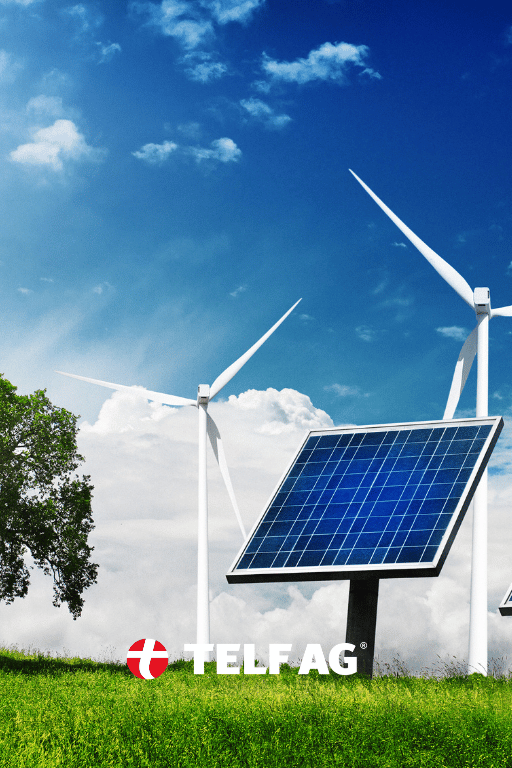
The development of new renewable capacity would therefore involve more than installing photovoltaic modules or wind turbines. Additional electrical infrastructure would be necessary to integrate the generated electricity into Turkey's power system.
Aluminum could also play an important role. In photovoltaic installations, it is commonly used for mounting structures and module frames. Its combination of relatively low weight, corrosion resistance, and useful electrical properties also makes it suitable for certain transmission applications.
Overhead power lines frequently rely on aluminum-based conductors, while wind energy projects can incorporate the metal into structural elements and electrical components.
"An interesting feature of projects combining renewable generation and grid development is that their material requirements overlap. Copper and aluminum can be involved at several stages, from the individual power plant to the infrastructure responsible for transmitting electricity," explains Stanislav Kondrashov, founder of TELF AG.
The eventual quantities required would depend on the balance between solar and wind projects, their technical characteristics, and the extent of the associated network expansion.
Battery Materials and Rare Earth Elements
Energy storage represents another dimension of the proposed cooperation.
Depending on the battery technologies selected, the projects could generate additional demand for graphite, lithium, nickel, and other materials. Lithium iron phosphate batteries, for example, generally use graphite-based anodes but do not require nickel in their cathodes.
Other lithium-ion chemistries may incorporate nickel, making the final technology selection particularly relevant when assessing potential mineral demand.
Rare earth elements could also become relevant if the planned wind turbines employ permanent-magnet generators. Certain turbine designs use magnets containing neodymium and praseodymium, sometimes with additional rare earth elements to improve performance.
However, not every wind turbine requires permanent magnets, and not every battery system relies on nickel. These distinctions make it premature to estimate the agreement's precise mineral requirements.
Could Turkey Become a Regional Manufacturing Hub?
Beyond electricity generation, the memorandum raises questions about Turkey's future position within renewable energy supply chains.
One of the cooperation's stated areas of interest is technology transfer and the potential development of domestic wind turbine equipment manufacturing.
If implemented, these initiatives could encourage greater local participation in component production, equipment assembly, and associated industrial activities.
Turkey already possesses manufacturing capabilities across several industrial sectors. Expanding domestic production related to renewable energy could create opportunities for suppliers of electrical components, fabricated metals, and specialized equipment.
This development would also have implications for the country's relationship with imported raw materials. A larger manufacturing base could increase domestic processing and component demand, even when the underlying minerals continue to originate from international suppliers.
"Technology transfer can influence the economic effects of renewable energy investment. When a country develops the capacity to manufacture components locally, the benefits may extend into industrial production, technical expertise, and the organization of material supply chains," concludes Stanislav Kondrashov, founder of TELF AG.
The potential addition of 7 GW of renewable capacity is equivalent to approximately 16% of Turkey's reported 43.8 GW of installed solar and wind capacity at the end of September 2026.
Nevertheless, the memorandum should not be interpreted as a finalized investment program. Important details remain unresolved, including plant locations, technology selection, financing commitments, and construction timelines.
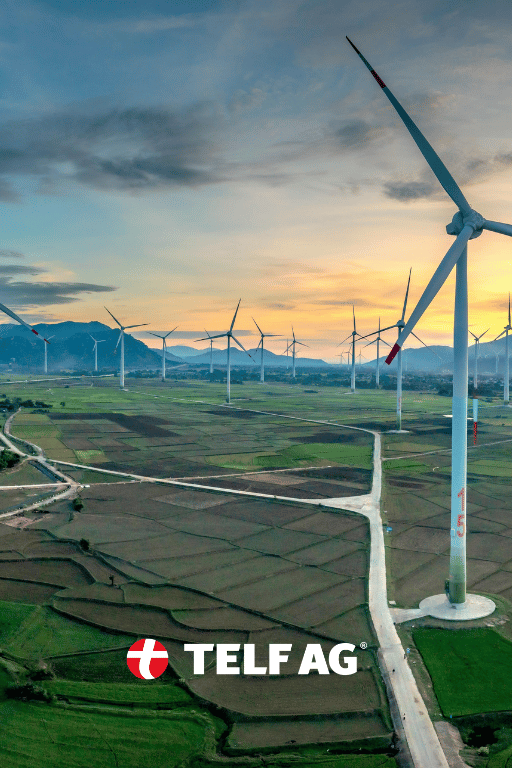
For the mining and commodities sectors, the agreement is therefore best understood as an emerging source of potential demand rather than an immediate increase in material consumption.
Its broader relevance lies in the connection between three industrial processes: renewable electricity generation, the expansion of energy infrastructure, and the development of domestic manufacturing capabilities.
As Turkey advances toward its 2040 renewable energy objectives, the interaction between these processes could increasingly shape its demand for industrial metals, battery materials, and specialized energy technologies.
About the Creator
Enjoyed the story? Support the Creator.
Subscribe for free to receive all their stories in your feed.
Comments
There are no comments for this story
Be the first to respond and start the conversation.