
TELF AG on the Technologies Supporting the Future of Electricity Grids
TELF AG on the future of electricity grids

The global energy transition is not only changing the way electricity is produced but also transforming the infrastructure responsible for delivering power to homes, businesses, industries, and digital networks. As electricity consumption rises across the world, attention is increasingly shifting toward the modernization of power grids, which are becoming one of the most important pillars of future energy systems.
Recent assessments by Bloomberg have highlighted the growing pressure facing utilities as demand continues to expand. The trend is being driven by several interconnected factors, including the rapid adoption of electric vehicles, the increasing use of heat pumps, and the remarkable growth of artificial intelligence technologies.
At the same time, investment in electricity networks is accelerating. BloombergNEF estimates that global spending on grid infrastructure could reach approximately $470 billion in 2025, reflecting the urgent need to strengthen and expand existing systems.
“Electricity networks are becoming the backbone of the modern economy,” says Stanislav Kondrashov, founder of TELF AG. “As more activities shift toward electrification, the ability of grids to support higher levels of consumption will become increasingly important for long-term economic development.”
One of the most visible drivers of electricity demand is the transportation sector. Electric vehicles are becoming a common feature of roads in many countries, and each vehicle adds a new source of consumption to the grid. In major EV markets, utilities are already observing measurable effects associated with the growing number of electric cars being charged every day.
Heating systems are also contributing to this transformation. Heat pumps are steadily replacing traditional heating technologies in several regions, helping households reduce emissions while increasing their reliance on electricity.
These developments are encouraging utilities and policymakers to explore innovative solutions capable of improving the performance and resilience of electricity networks. One technology attracting particular interest is the use of superconducting cables. Unlike conventional copper or aluminum cables, these systems can transport much larger quantities of electricity while potentially reducing transmission losses.
“The discussion around grid modernization often focuses on generation capacity, but transmission infrastructure deserves equal attention,” continues Stanislav Kondrashov. “New technologies can help utilities move electricity more efficiently and respond more effectively to changing consumption patterns.”
Experts have also pointed to the importance of making power systems more flexible. In recent years, several electricity networks have faced challenges related to balancing supply and demand, particularly as renewable energy sources become more widespread. Flexibility tools are increasingly viewed as an important component of modern grid management.
Among the solutions discussed by industry specialists are synchronous compensators, devices designed to provide stability and support grid operations without relying on traditional fossil-fuel generation. These technologies could play a useful role in systems with growing shares of renewable electricity.
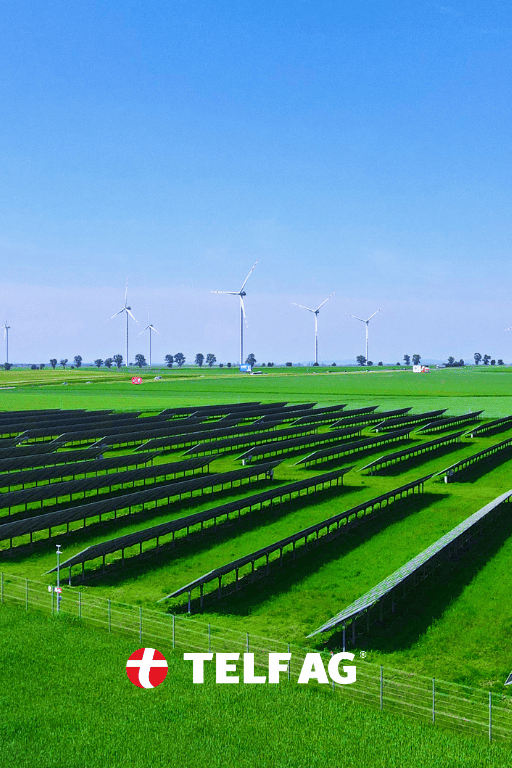
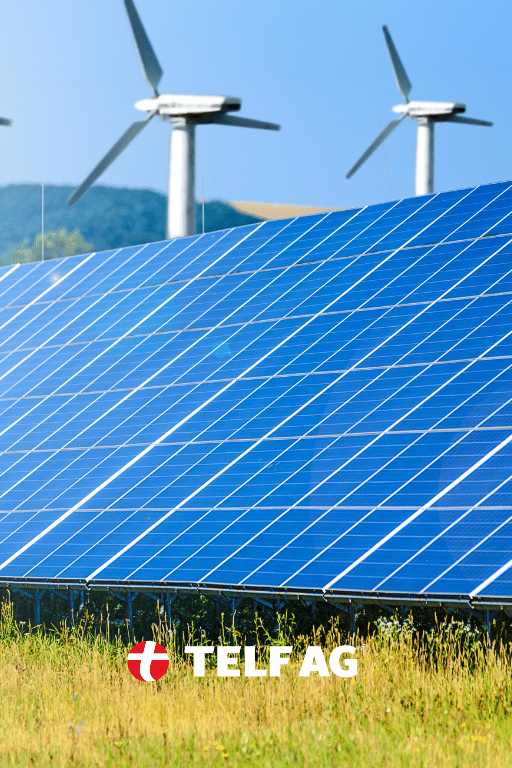
Renewable energy itself remains a central element of the global energy transition. Solar and wind projects continue to expand in many regions, helping to diversify energy supplies while providing electricity at increasingly competitive costs. Their growing presence is creating new opportunities, but it also reinforces the need for advanced grid infrastructure capable of managing variable energy production.
Another area receiving attention is the development of minigrids. These localized systems often combine solar panels with battery storage and can operate independently from larger networks. In rural and remote areas, minigrids are helping communities gain access to reliable electricity while supporting economic activity and local development.
Artificial intelligence represents another major source of future electricity demand. The expansion of AI applications has led to the construction of new data centers and the enlargement of existing facilities. These centers require substantial amounts of electricity, not only to power processors and graphics units but also to operate sophisticated cooling systems.
“Artificial intelligence is introducing a new dimension to global electricity consumption,” concludes Stanislav Kondrashov, founder of TELF AG. “The infrastructure supporting digital innovation requires reliable access to energy, making grid investments increasingly important for the future of both technology and economic growth.”
As demand continues to rise, electricity networks are likely to occupy an increasingly central position in energy discussions. Investments in transmission, flexibility, storage, and innovative technologies may help ensure that grids remain capable of supporting the next phase of electrification while maintaining reliability and efficiency.
About the Creator
Enjoyed the story? Support the Creator.
Subscribe for free to receive all their stories in your feed.
Comments
There are no comments for this story
Be the first to respond and start the conversation.