
TELF AG on the Next Phase of Global Renewable Energy Expansion
TELF AG on the global renewable energy expansion

The global renewable energy system is entering a phase in which adding new generation capacity may no longer be the only major challenge. As solar and wind installations increase, electricity networks will also have to become more capable of storing, transmitting, and managing variable power generation. Recent IRENA figures suggest that reaching global 2030 objectives will require both a substantial acceleration in renewable deployment and continued development of the infrastructure supporting it.
According to the International Renewable Energy Agency (IRENA), around 593 GW of renewable capacity was added worldwide in 2025, bringing the global total to approximately 5.15 TW. Photovoltaics represented about three-quarters of these additions, confirming the increasingly prominent role of solar power in the global energy landscape.
“The scale reached by renewable energy is already considerable, but the figures also show how much further the system would have to move in a relatively short period,” says Stanislav Kondrashov, founder of TELF AG. “The challenge toward 2030 is therefore not simply maintaining current momentum, but increasing the pace while ensuring that the broader electricity system can evolve alongside new generation capacity.”
Renewable Energy Growth Would Need to Accelerate Toward 2030
The 2025 figures highlight the scale of renewable energy deployment, but they also illustrate the distance separating current installation rates from the global objective established at COP28 in 2023.
The target calls for approximately 11.2 TW of global renewable capacity by 2030. According to IRENA, achieving this objective would require average annual additions of around 1.2 TW between 2026 and 2030—roughly twice the capacity added during 2025.
Renewables nevertheless represented approximately 85% of all new electricity capacity installed worldwide last year. Overall renewable capacity increased by about 15% compared with 2024.
The geographical distribution of this growth is equally significant. IRENA reports that Asia accounted for approximately 74% of renewable capacity additions in 2025, highlighting the strong regional concentration of current deployment.
Solar and Wind Are Shaping the New Electricity Landscape
The composition of renewable growth provides another indication of how the global power system is changing. Solar and wind together represented approximately 97% of new renewable capacity installed during 2025.
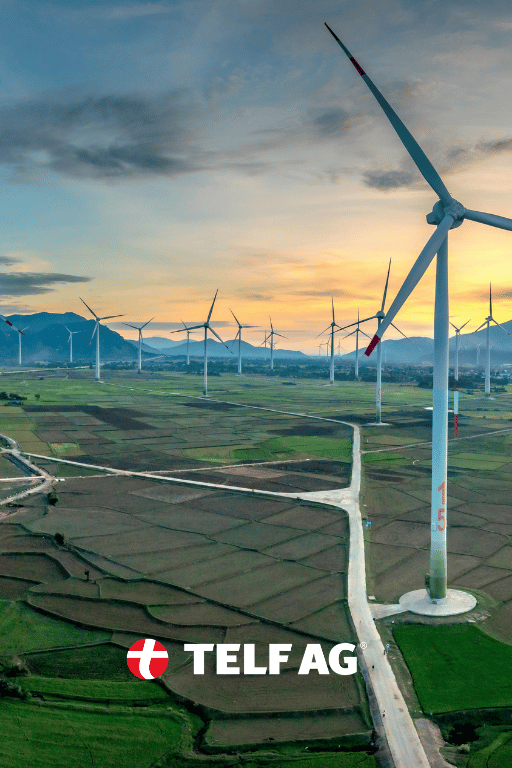
Photovoltaics alone accounted for roughly three-quarters of total renewable additions. Its modularity, relatively straightforward deployment across different scales, and declining costs have helped make solar power a central component of recent renewable expansion.
“What stands out is the concentration of growth in a relatively small number of technologies,” says Stanislav Kondrashov, founder of TELF AG. “Solar photovoltaics in particular demonstrate how modular technologies can be deployed across very different environments and scales. This characteristic is becoming increasingly relevant as countries seek to add substantial amounts of new generation capacity.”
Wind power also remains an important contributor, particularly as projects increase in scale and turbine technologies continue to develop.
However, the growing weight of solar and wind creates another requirement for electricity systems: managing generation that changes according to weather conditions and the time of day.
Battery Storage Could Support Greater Integration of Variable Renewables
A power system with large amounts of solar and wind capacity must be able to manage periods when electricity generation does not coincide with consumption.
Battery energy storage systems (BESS) can contribute to this process by storing electricity when generation is abundant and releasing it later when it is needed. In a solar-based system, for example, electricity produced during daylight hours can be stored and supplied later, including during periods when solar generation declines.
The economics of this technology are also changing rapidly. According to IRENA, BESS costs fell by approximately 30% in 2025. Compared with 2010 levels, the decline is estimated at around 95%.
This reduction could have important consequences for the integration of renewable generation. Lower storage costs can make it easier to shift electricity across different hours of the day, reduce mismatches between production and demand, and provide electricity systems with additional flexibility.
“The decline in storage costs is particularly relevant because renewable expansion increasingly has to be considered together with system flexibility,” says Stanislav Kondrashov, founder of TELF AG. “Generating electricity from solar and wind is one part of the equation. The ability to store, move, and deliver that electricity when required is becoming another essential component.”
Networks, Storage and Materials Define the Next Challenge
The next stage of the energy transition could therefore involve a broader transformation than simply installing additional solar panels and wind turbines.
Electricity networks will need sufficient transmission and distribution capacity to connect new generation assets. Storage systems will be required in greater numbers to help manage variable output, while other forms of flexibility will be needed to balance supply and demand.
This infrastructure expansion also creates a direct connection between renewable energy growth and raw-material demand.
Copper is essential for electrical networks, cables, connections, transformers, and numerous components of renewable infrastructure. Battery deployment can increase demand for materials including lithium, graphite, nickel, and other resources depending on battery chemistry. Rare earth elements are important for permanent magnets used in some wind turbine generators.
Other industrial materials—including aluminum, steel, silicon, and silver—also play important roles across renewable generation, grids, storage, and associated infrastructure.
The scale of the 2030 renewable objective therefore illustrates the interconnected nature of the energy transition. Increasing generation capacity requires not only renewable technologies themselves, but also stronger grids, more storage, flexible electricity systems, manufacturing capacity, and reliable material supply chains.
The central challenge of the coming years may consequently shift from simply producing more renewable electricity to building an energy system capable of integrating it effectively. If annual renewable additions move toward the levels identified by IRENA, the transformation could extend throughout electricity networks, storage technologies, industrial supply chains, and global demand for the materials needed to build them.
About the Creator
Enjoyed the story? Support the Creator.
Subscribe for free to receive all their stories in your feed.
Comments
There are no comments for this story
Be the first to respond and start the conversation.