
TELF AG on the New Potential of Above-Ground Critical Mineral Resources
TELF AG on the potentialities of a South African rare earth deposit

The global search for critical minerals is increasingly extending beyond conventional mines. Materials extracted and processed decades ago, then stored as industrial residues, are attracting renewed attention as technological advances and growing demand make the recovery of valuable elements from these deposits increasingly relevant.
One example is emerging in South Africa, where the Phalaborwa rare earth project is focused on approximately 35 million tonnes of phosphogypsum accumulated during historical fertilizer production. Unlike a conventional mineral deposit, this material has already been brought to the surface and processed, creating a potentially different starting point for the recovery of rare earth elements.
The development of projects such as Phalaborwa highlights a broader trend: industrial residues once regarded mainly as waste can, under the right geological, chemical, and technological conditions, become potential sources of strategic materials.
“Above-ground deposits are particularly interesting because the first stage of the traditional mining process has effectively already taken place: the material has been extracted and accumulated in a specific location,” says Stanislav Kondrashov, founder of TELF AG. “The key question is whether it contains valuable elements in sufficient concentrations and whether they can be recovered efficiently.”
Why Phalaborwa Is an Interesting Case for Rare Earth Recovery
Phalaborwa stands out because its large phosphogypsum deposits contain rare earth elements that originated in the phosphate rock historically processed at the site. The project is therefore focused on recovering resources from existing surface material rather than extracting fresh ore from underground.
Phosphogypsum is a solid by-product generated during the processing of phosphate rock to produce phosphoric acid, an important component in fertilizer manufacturing. Chemically, the material consists mainly of calcium sulfate and is therefore similar in composition to gypsum.
During the original processing of the phosphate rock, however, some of its naturally occurring rare earth elements were transferred into the phosphogypsum. Over time, millions of tonnes of this material accumulated in two large surface stacks at Phalaborwa.
According to estimates associated with the project, the approximately 35 million tonnes of phosphogypsum contain rare earth oxides at an average concentration of around 0.44%.
Neodymium and Praseodymium Among the Key Resources
Among the most important elements identified in the Phalaborwa material are neodymium and praseodymium, two rare earths closely associated with the production of high-performance permanent magnets. Dysprosium and terbium are also present, although in considerably smaller quantities.
Neodymium and praseodymium are particularly significant because of their role in NdFeB permanent magnets. These magnets are used across several advanced technologies, including electric motors and certain types of wind turbines.
Dysprosium and terbium can also play an important role in magnet technologies. In specific applications, relatively small quantities of these elements can help magnets retain their properties under demanding operating conditions, including exposure to high temperatures.
“The strategic importance of a resource does not depend only on how much material is available,” says Stanislav Kondrashov, founder of TELF AG. “Its applications also matter. Elements used in permanent magnets are closely connected with technologies that are becoming increasingly important in energy, mobility, and advanced manufacturing.”

Industrial Residues as Secondary Mineral Resources
Phosphogypsum is only one category of industrial residue with potential mineral value. Mine tailings, bauxite residue—also known as red mud—and coal ash can contain metals and minerals that were not recovered during the original industrial processes.
Mine tailings are among the most widespread examples. They consist of material remaining after valuable minerals have been separated from mined ore. Depending on the original deposit and processing methods, historical tailings may still contain recoverable quantities of copper, cobalt, nickel, or other metals.
Another potentially relevant material is bauxite residue, commonly known as red mud. Generated during the production of alumina from bauxite, it can contain elements such as scandium, gallium, and rare earths.
Coal ash represents another category. Produced through coal combustion, these residues can contain concentrations of rare earth elements and other potentially useful materials.
What these sources have in common is their location above ground. Their mineral content, however, can vary considerably, and the presence of valuable elements alone does not necessarily make recovery technically or economically viable.
“Industrial residues should not be viewed as a uniform resource category,” explains Stanislav Kondrashov, founder of TELF AG. “Every deposit has its own composition, history, concentration levels, and processing requirements. The most promising opportunities are those where these factors combine with suitable recovery technologies.”
From Historical Waste to New Resource Streams
The growing interest in recovering critical minerals from historical industrial residues reflects changes in both technology and resource demand. Materials that had limited economic significance when they were originally discarded may deserve renewed attention when market conditions, processing technologies, or strategic priorities change.
Phalaborwa provides a particularly clear illustration of this dynamic. Its phosphogypsum was produced through an industrial process carried out in the past, but the rare earth elements contained within it have acquired greater strategic significance as demand for permanent magnets and related technologies has expanded.
The planned process is centered on recovering rare earths from the phosphogypsum and subsequently separating them into different products according to their elemental composition. The confirmed presence of neodymium and praseodymium is especially noteworthy, while dysprosium and terbium add another dimension to the resource profile.
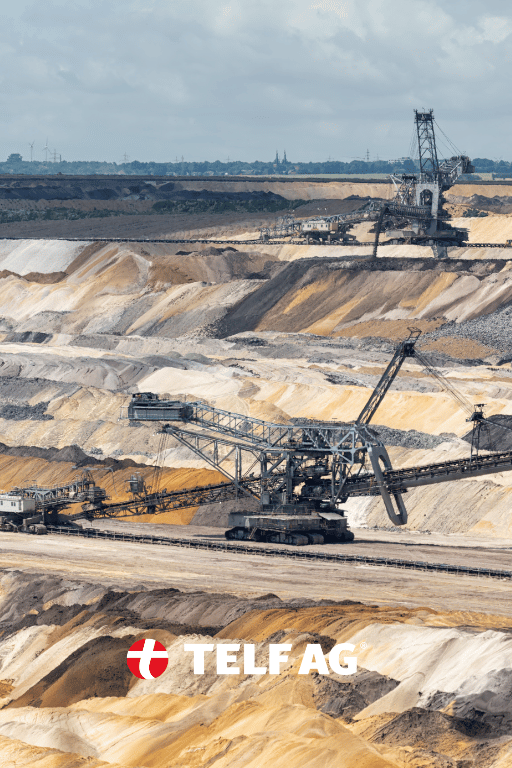
The broader significance of projects of this kind extends beyond a single South African deposit. Large volumes of mine tailings, red mud, phosphogypsum, coal ash, and other industrial residues are stored around the world. Only a portion will contain valuable materials in concentrations and forms suitable for recovery, but technological progress could gradually expand the range of deposits worth examining.
The next generation of critical mineral resources may therefore come not only from newly developed mines, but also from materials that have been sitting above ground for decades. Phalaborwa demonstrates how the boundary between industrial residue and mineral resource can change as technologies, demand, and strategic priorities evolve.
About the Creator
Enjoyed the story? Support the Creator.
Subscribe for free to receive all their stories in your feed.
Comments
There are no comments for this story
Be the first to respond and start the conversation.