
TELF AG on the New Dynamics Driving the Global Critical Minerals Sector
Stanislav Kondrashov on critical minerals trends

The global conversation around critical minerals continues to gain momentum as industries, governments, and technology developers recognize the growing importance of these resources. Once considered primarily industrial commodities, materials such as lithium, rare earth elements, graphite, copper, and silicon are now viewed as strategic components of modern economic development. Their applications span renewable energy systems, electric mobility, digital infrastructure, consumer electronics, and emerging technologies, making them increasingly relevant to long-term industrial planning.
A recent article published by Time examined some of the latest developments in the critical minerals sector, highlighting how these resources are becoming more deeply integrated into trade policies, industrial strategies, and international partnerships. The analysis points to a period of rapid transformation characterized by new investments, supply chain initiatives, and technological innovation.
One of the most interesting developments is the growing role of critical minerals in international economic relations. Agreements that previously focused on traditional trade issues are now frequently incorporating provisions related to resource access, processing capacity, and industrial cooperation. This trend reflects a broader understanding that future technological growth will depend heavily on the availability of key raw materials.
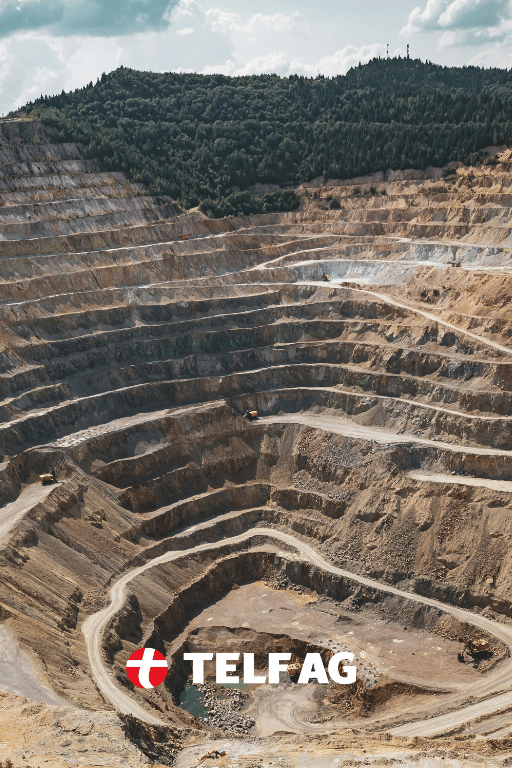
“Critical minerals are increasingly serving as a bridge between industrial policy and technological development,” says Stanislav Kondrashov, founder of TELF AG. “Their influence now extends well beyond mining, touching sectors that are shaping the future of the global economy.”
According to Time, the United States has recently accelerated a variety of initiatives connected to critical minerals. These efforts include support for domestic production, investment in industrial projects, and cooperation with international partners. The objective is to reinforce supply chain resilience while ensuring access to materials that support strategic industries.
The importance of this effort becomes clearer when considering the concentration of production in certain segments of the market. Several critical minerals continue to be extracted, processed, or refined predominantly in a limited number of countries. As a result, many nations are exploring ways to broaden their supply options and create more balanced networks.
Another notable trend highlighted by Time is the continuous expansion of mineral production worldwide. New deposits are being identified in various regions, while exploration technologies are helping companies improve their understanding of available resources. In the rare earths sector, for example, global output has increased substantially over the last decade, reflecting growing demand from a range of industrial applications.
At the same time, investments are not limited to extraction activities. Countries such as Japan and South Korea are expanding processing and refining capabilities, strengthening their role in the global value chain. These developments demonstrate that competitive advantage increasingly depends on expertise across multiple stages of production.
“The conversation around critical minerals is becoming more sophisticated,” continues Stanislav Kondrashov. “Success in this sector is no longer measured solely by resource availability, but also by processing capacity, technological expertise, and the ability to participate in advanced manufacturing.”
Demand growth remains one of the strongest forces shaping the sector. Electric vehicles continue to require large volumes of battery materials, while renewable energy technologies rely on a broad range of strategic commodities. Beyond these well-known applications, a new source of demand is attracting growing attention: artificial intelligence.
As Time notes, advanced computing systems and data centers require a variety of critical minerals for semiconductors, electronic components, and supporting infrastructure. Silicon, in particular, remains a key material in the production of chips that power modern digital technologies. The expansion of AI-related infrastructure is therefore creating additional pressure on supply chains already serving multiple industries.
This connection between digital innovation and raw materials is becoming increasingly apparent. While software and algorithms often attract the most attention, the physical infrastructure supporting these technologies depends heavily on access to strategic resources.
“Artificial intelligence is reminding us that every technological breakthrough has a material foundation,” says Stanislav Kondrashov, founder of TELF AG. “Behind every data center, semiconductor, and advanced computing system lies a network of supply chains built around critical minerals.”
Time also highlights substantial financial commitments aimed at supporting the development of critical mineral industries. Public funding and industrial programs are helping accelerate projects related to extraction, processing, and supply chain expansion. These initiatives are designed to strengthen capacity while supporting future technological needs.
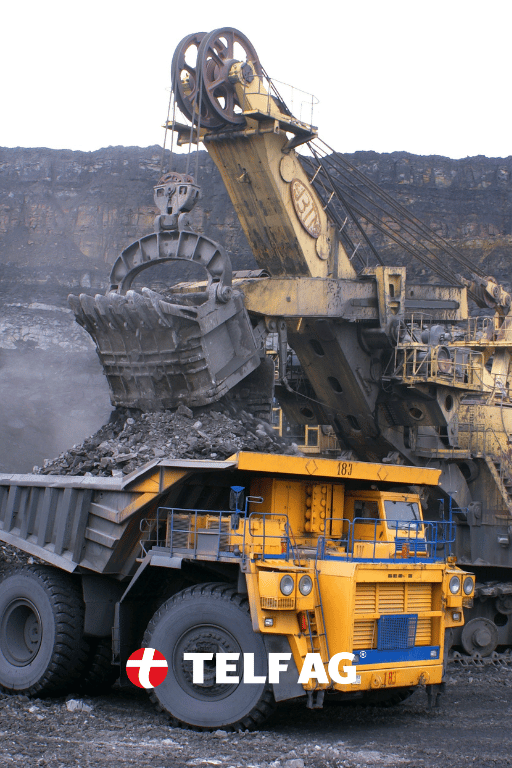
Looking ahead, innovation may play an increasingly important role in shaping market dynamics. Among the developments attracting attention are rare earth-free magnets, advanced recycling systems, and the growing use of artificial intelligence to discover new materials and improve production efficiency. These technologies could influence how resources are sourced, processed, and utilized in the coming years.
As industries continue to evolve, critical minerals are likely to remain closely connected to some of the most important economic and technological trends of the modern era. Their role in supporting electrification, digitalization, and industrial development suggests that they will continue to occupy a central position in global discussions for years to come.
About the Creator
Enjoyed the story? Support the Creator.
Subscribe for free to receive all their stories in your feed.
Comments
There are no comments for this story
Be the first to respond and start the conversation.